
Top 10 Uganda Safari Activities Suitable for Family Trips
March 2, 2026
Top Group Safaris to Do in 2026
March 3, 2026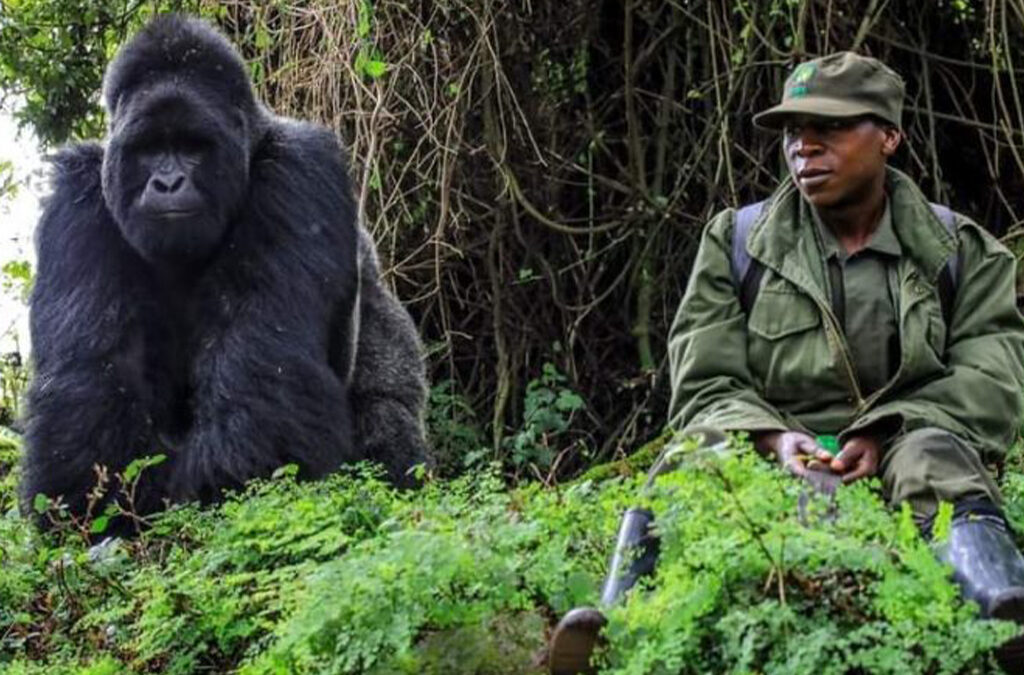
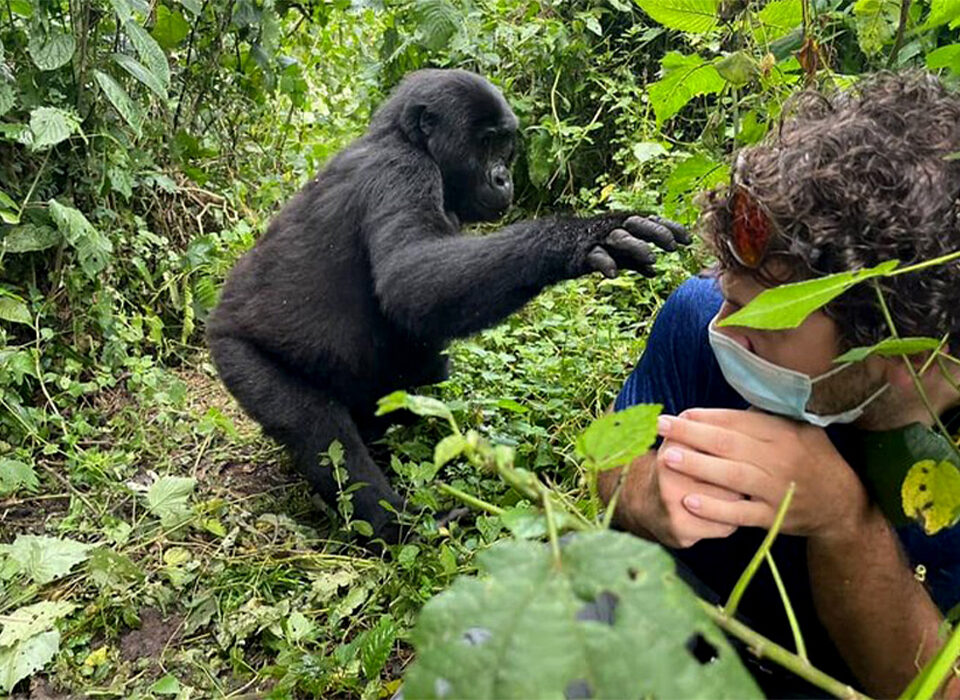
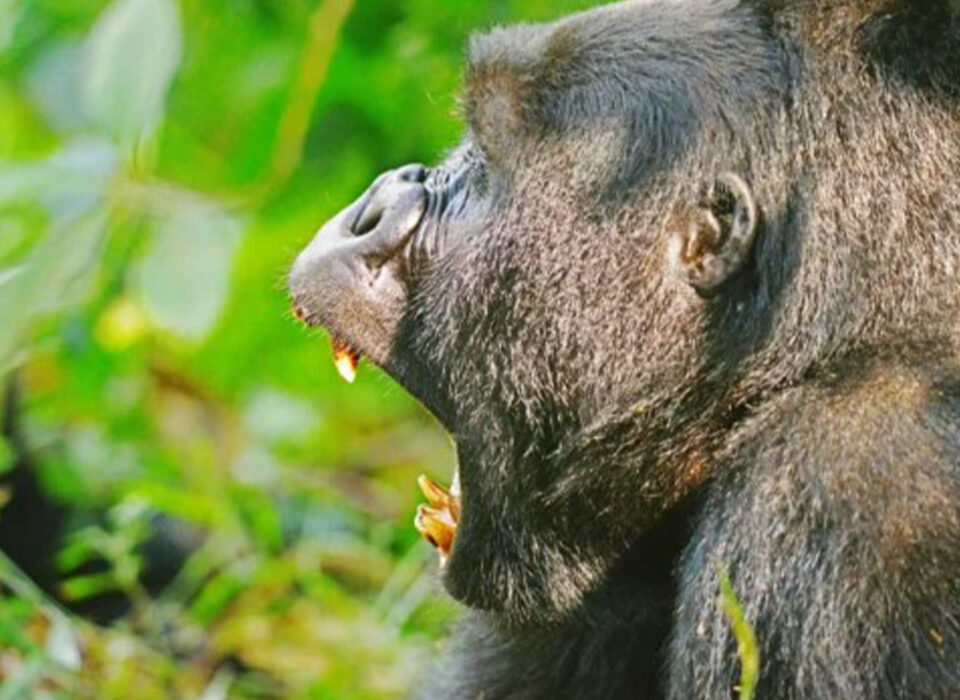
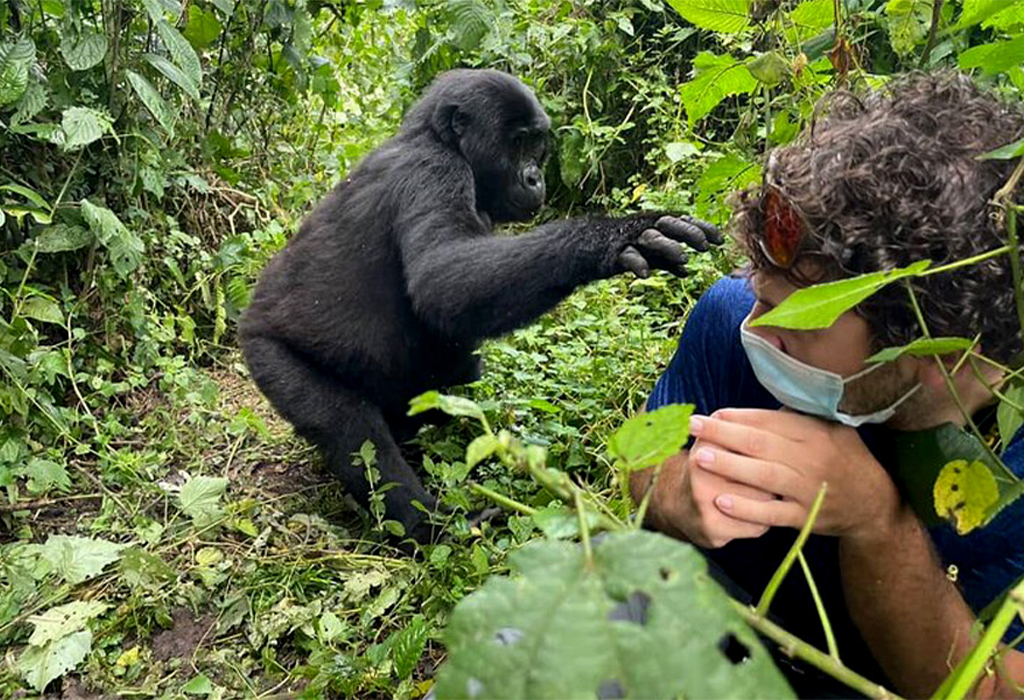
For many travelers, gorilla trekking and chimpanzee trekking in Uganda sit at the very top of their African travel dreams. These experiences feel raw, emotional, and deeply personal. You lock eyes with a mountain gorilla in the misty forest, or you hear chimpanzees calling through the rainforest canopy and suddenly feel completely present in nature.
For years, however, cost stood as one of the biggest barriers between travelers and this dream.
Now, that is changing.
On 26th February 2026, the Uganda Wildlife Authority (UWA) released official guidelines introducing discounted permit rates for the low season, effective 1st March 2026. These new rates apply specifically to April, May, and November, which are traditionally quieter tourism months. As a result, Uganda has taken one of the most traveler-friendly steps in recent conservation history, opening doors for more visitors to experience its primates responsibly and affordably.
In this guide, you will understand what the new low-season discounts mean, why they matter, how they compare to previous rates, and how to plan wisely to take full advantage of them.
Why Uganda Introduced Low Season Discounts
Uganda funds much of its conservation work through tourism revenue. Every gorilla and chimpanzee trekking permit directly supports wildlife protection, ranger salaries, veterinary interventions, anti-poaching patrols, and surrounding community projects.
However, tourism naturally fluctuates throughout the year. April, May, and November often receive fewer visitors because of rainfall perceptions, even though trekking remains fully operational and highly rewarding during these months.
Instead of allowing these periods to remain underutilized, UWA adopted a balanced strategy. By introducing discounted permits during the low season, Uganda encourages steady visitor flow while maintaining strict conservation standards.
Importantly, these discounts do not cheapen the experience. Rather, they improve accessibility, promote sustainability, and distribute tourism more evenly across the year.
Updated UWA Low Season Permit Rates (Effective 1st March 2026)
Under the revised Uganda Wildlife Authority pricing structure, the following low season rates apply in April, May, and November.
For gorilla trekking during the low season, foreign non-residents now pay USD 600, reduced from the standard USD 800. Foreign residents pay USD 500, down from USD 700.
For chimpanzee trekking during the low season, foreign non-residents pay USD 200 instead of USD 250. Foreign residents pay USD 150, reduced from USD 200.
These savings are significant. For example, a traveler combining both gorilla and chimpanzee trekking can now save up to USD 250 per person. For couples or small groups, the total reduction becomes even more substantial.
During the high season months, UWA maintains the standard rates, which remain slightly higher than the discounted low season pricing.
How the New Rates Compare to Previous Years
For many years, Uganda maintained fixed permit prices regardless of season. Gorilla permits cost USD 800 for foreign non-residents and USD 700 for foreign residents year-round. Similarly, chimpanzee permits remained at USD 250 and USD 200 respectively.
With the introduction of seasonal pricing, UWA has reduced gorilla permits by up to USD 200 per person and chimpanzee permits by USD 50 per person during the low season.
Consequently, Uganda now ranks among the most competitively priced destinations for primate trekking in Africa, while still upholding world-class conservation standards.
What Low Season Really Means for Your Experience
Many travelers misunderstand the term “low season.” It does not mean poor wildlife sightings or canceled activities. Instead, it reflects rainfall patterns and tourist flow.
In reality, April, May, and November typically experience intermittent showers rather than continuous rain. The forests become greener, rivers swell beautifully, and landscapes appear more dramatic. Importantly, primates do not migrate. Gorilla families and chimpanzee communities remain present year-round.
Moreover, low season offers several advantages. You encounter smaller trekking groups, quieter trails, and less crowded lodges. Photography often improves because lush vegetation enhances depth and color.
As a result, many seasoned travelers prefer low season for its intimacy and authenticity.
Gorilla Trekking During the Low Season
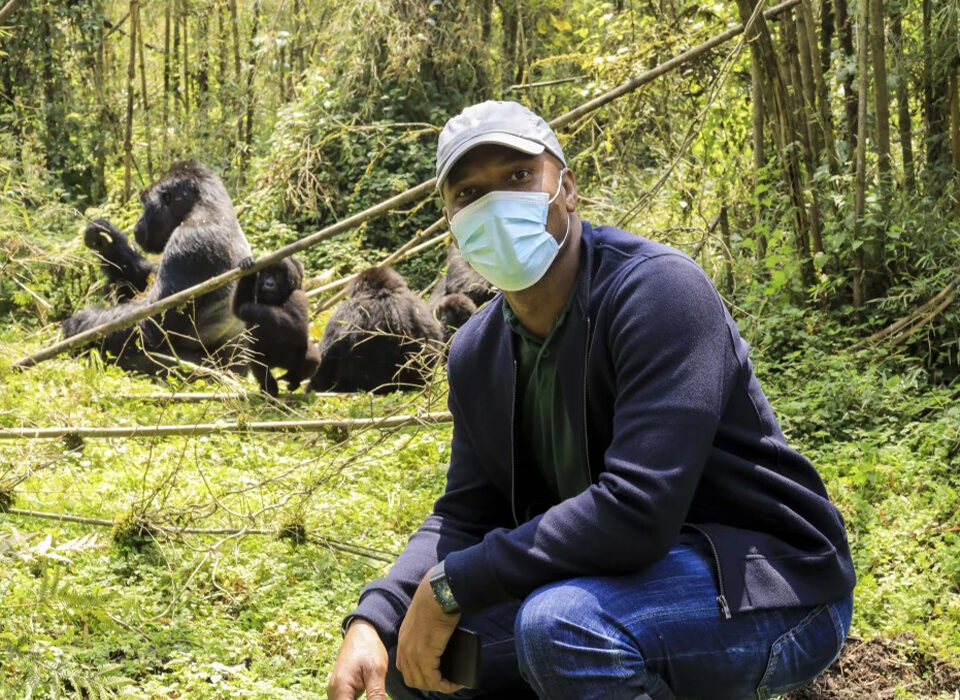
Uganda conducts gorilla trekking in Bwindi Impenetrable National Park and Mgahinga Gorilla National Park. These ancient forests operate daily, regardless of season.
Even during low season months, experienced rangers track gorilla families each morning and guide visitors safely to them. While rainfall may occasionally make trails muddy, it also intensifies the rainforest atmosphere. The mist, fresh scent of wet earth, and vibrant greenery create a cinematic experience.
Importantly, the gorilla encounter itself remains unchanged. You still spend a full hour observing the family, watching juveniles play, silverbacks protect their group, and mothers care for infants. The emotional impact stays just as powerful as in peak season.
Chimpanzee Trekking in the Low Season
Chimpanzee trekking, especially in Kibale Forest National Park, remains equally rewarding during the low season. Chimps are highly active and vocal throughout the year.
In fact, the forest often feels more alive during rainy months. Birdsong intensifies, plant life thrives, and the ecosystem feels dynamic. Additionally, lower visitor numbers allow guides and trackers to move more fluidly, which can sometimes lead to excellent sightings.
With reduced permit costs, chimpanzee trekking becomes an attractive addition to any itinerary that already includes gorilla trekking.
Understanding Foreign Resident Eligibility
Foreign residents qualify for the reduced resident rates if they legally reside in Uganda and hold valid documentation. This category includes expatriates, long-term workers, and regional residents.
By offering discounted resident rates, Uganda strengthens local and regional engagement in conservation tourism and encourages continued support for protected areas.
How These Discounts Support Conservation and Communities
At first glance, lower permit prices may appear to reduce revenue. However, the strategy actually stabilizes income across the year.
When visitors travel during low season months, parks maintain steady operations instead of relying solely on peak-season demand. Rangers remain consistently employed, lodges operate year-round, and community tourism initiatives receive stable support. Furthermore, spreading visitors across seasons reduces pressure on wildlife during peak months.
Therefore, the new pricing structure benefits both conservation efforts and local communities.
Planning Your Low Season Trek Successfully
Although UWA offers discounted rates, permits remain limited. Gorilla trekking groups stay strictly capped, and chimpanzee permits can still sell out on preferred dates.
For that reason, you should plan early, secure permits in advance, and work with experienced operators who understand seasonal logistics and trail conditions.
When preparing for travel, pack waterproof clothing, sturdy hiking boots, and appropriate layers. With the right preparation and mindset, low season trekking becomes an adventure rather than a challenge.
Why 2026 Is the Ideal Time to Visit
With these updated UWA low season rates now in effect, 2026 presents a rare opportunity where affordability, availability, and exceptional experience align perfectly.
Travelers who previously postponed gorilla or chimpanzee trekking due to cost can now move forward with greater confidence. Importantly, nothing about the wildlife experience changes. The gorilla families remain the same. The forests remain ancient. The encounters remain life-changing.
Only access has improved.
A Smarter Way to Experience Uganda’s Primates
Uganda’s introduction of low season discounts reflects a thoughtful evolution in conservation tourism. The country recognizes travelers’ financial concerns while safeguarding its wildlife and habitats.
April, May, and November are no longer months to overlook. Instead, they offer a vibrant, personal, and more accessible way to experience Uganda’s primates.
If gorilla trekking or chimpanzee trekking remains on your bucket list, this is the perfect moment to act. The forest is waiting.
Contact Experiya Tour Company today to plan a seamless, well-organized gorilla and chimpanzee trekking safari in Uganda.