What Is the Size of Murchison Falls National Park?
February 9, 2026
3 Days Uganda Fly-In Gorilla Habituation Experience
February 9, 2026
Gorilla trekking in Uganda is one of the most extraordinary wildlife experiences on the planet, attracting adventurers from across the globe. Over the past few years, several developments have shaped the gorilla trekking landscape in Uganda, influencing everything from permit prices to the number of gorillas available for tracking. As of 2026, it’s important for travelers to have up-to-date information to plan a seamless and memorable safari. Experiya Tour Company provides the latest updates to help you prepare for your journey into Uganda’s pristine forests.
New Gorilla Permit Prices in Uganda
One of the most notable changes in recent years has been the increase in the cost of gorilla permits. For the regular one-hour gorilla trek, Uganda Wildlife Authority raised the price from $700 to $800 per person for foreign residents. For foreign visitors living in Uganda or other East African countries such as Kenya, Tanzania, Burundi, Rwanda. Despite this hike, Uganda remains significantly more affordable than Rwanda, where permits have soared to $1,500 per person. For travelers looking for both world-class gorilla experiences and value for money, Uganda continues to be an excellent choice. Experiya Tour Company organizes private and group gorilla trekking tours tailored to your preferences and budget.
Gorilla Habituation Experience
For those who wish to spend more time with mountain gorillas, Uganda offers the gorilla habituation experience, a unique opportunity to observe and interact with gorillas for up to four hours. Unlike regular treks, habituation safaris allow visitors to witness the painstaking work of habituating gorillas to human presence a process that can take two to three years.
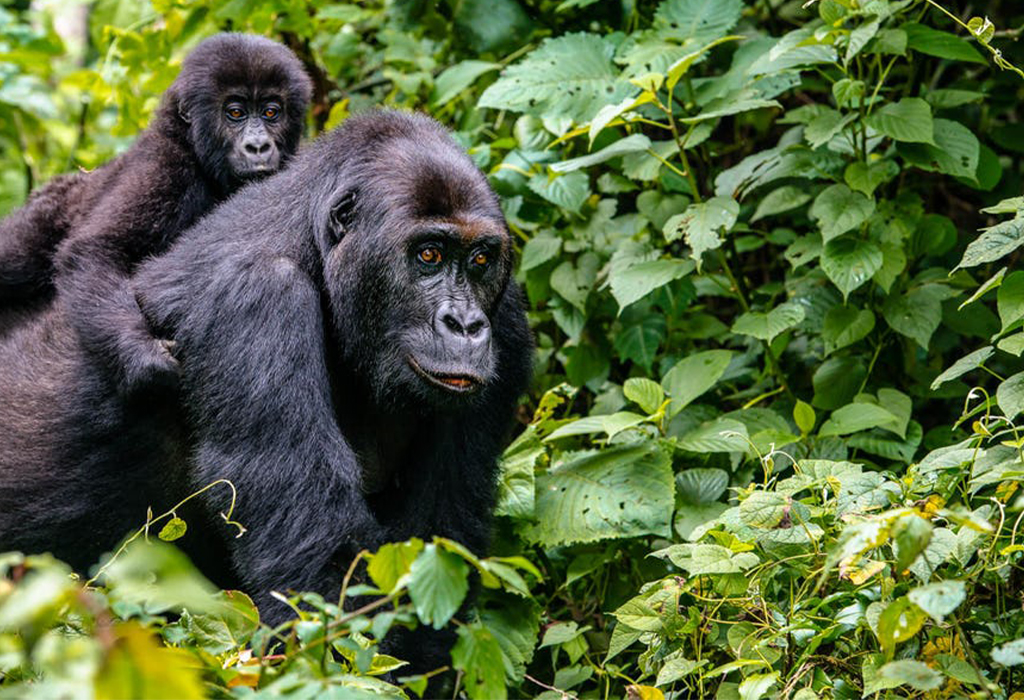
The prices for habituation permits remain unchanged. Foreign non-residents pay $1,500 per person, while residents of the five East African countries pay $1,000. Experiya Tour Company offers several gorilla habituation itineraries, combined gorilla and chimpanzee habituation tours. These safaris provide immersive experiences while supporting conservation efforts in Uganda’s forests.
Uganda’s Mountain Gorilla Population Is Growing
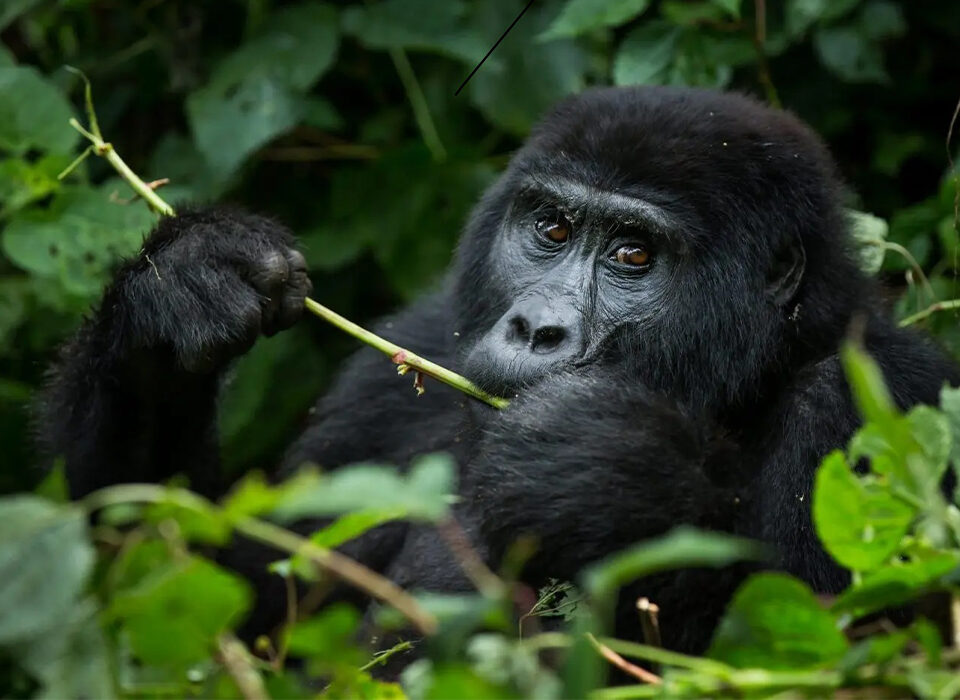
Conservation efforts have borne remarkable fruit in recent years. According to the latest mountain gorilla census in the Virunga region, Uganda now hosts the highest number of mountain gorillas in the world, surpassing Rwanda and the Democratic Republic of Congo.
Bwindi Impenetrable National Park has seen a significant increase, with the population rising from 400 to 450 gorillas. The park now supports 50 mountain gorilla families, up from 36. This achievement reflects the combined efforts of conservationists, park authorities, and local communities, proving that mountain gorillas are no longer critically endangered.
Highest Number of Habituated Gorilla Families
Bwindi Impenetrable National Park also holds the distinction of having the highest number of habituated gorilla families in Africa. Currently, there are 19 habituated families, with two reserved for the gorilla habituation experience and the rest available for regular one-hour treks.
Visitors can trek gorillas in different regions of Bwindi, including Buhoma in the north, Ruhija in the east, Nkuringo in the south, and Rushaga in the southwest. Each region offers unique landscapes and trekking challenges, ensuring a memorable experience for all levels of fitness. Experiya Tour Company guides assist trekkers in selecting the most suitable region for their adventure.
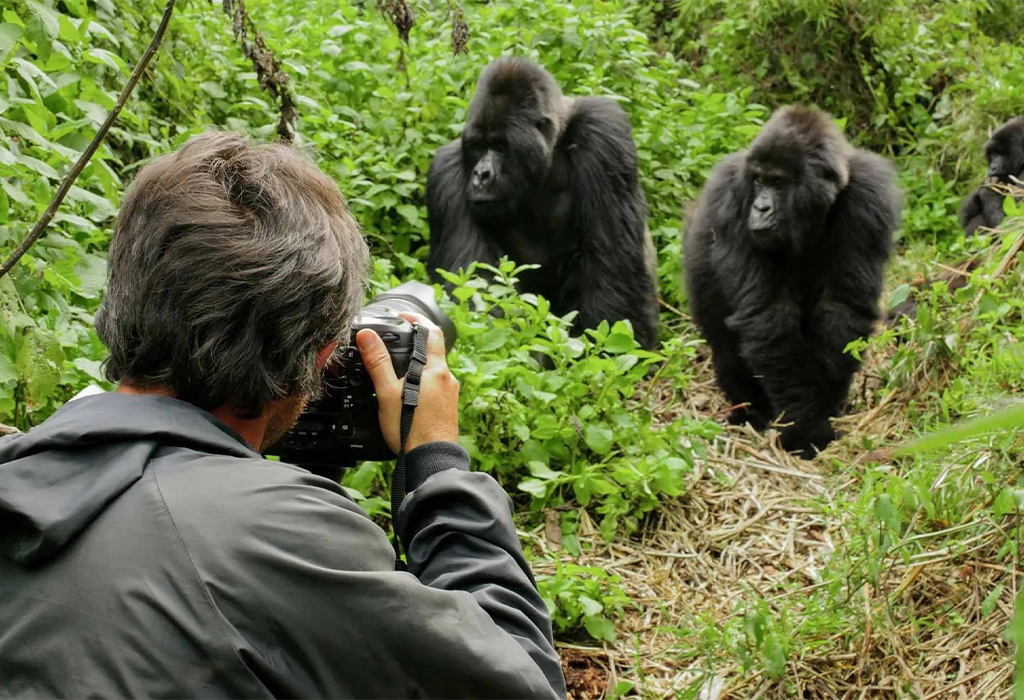
Gorilla Family Allocation on the Day of Trekking
When planning a gorilla trek in Uganda, it’s essential to understand that specific gorilla families are allocated on the day of trekking. Although visitors can book permits for a particular region, the exact family you encounter is determined by park rangers based on your physical fitness, preferences, and availability. This approach ensures both the safety of visitors and the well-being of the gorillas.
Online Permit Booking and Availability
Uganda has modernized the gorilla permit booking process. All permits for Bwindi and Mgahinga National Parks can now be booked online through registered tour operators like Experiya Tour Company. This system allows travelers to check availability and secure permits at any time of day, including weekends and evenings. Previously, bookings were restricted to office hours, making the process more cumbersome.
Uganda vs. Rwanda: A Competitive Advantage
Uganda’s relatively lower permit prices have made the country an increasingly popular destination for gorilla trekking. Many travelers who once trekked in Rwanda now choose Uganda for its affordability and thriving gorilla population. High-demand seasons can lead to permit shortages, so booking well in advance through Experiya Tour Company is strongly recommended to avoid disappointment.
Access from Rwanda
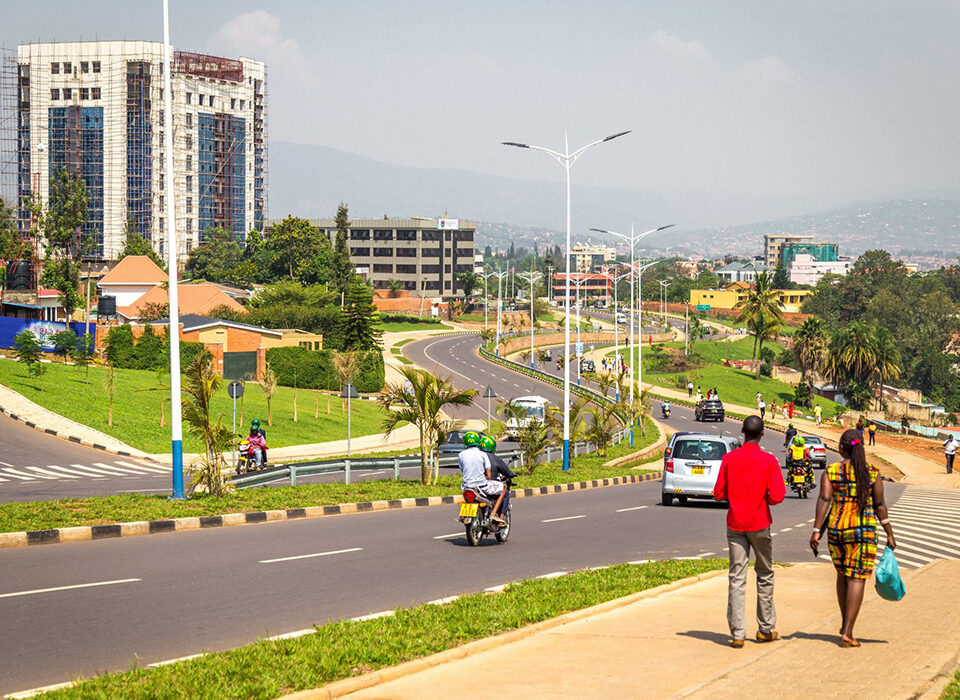
A major convenience for travelers is the ability to enter Uganda directly from Kigali, Rwanda, reducing the long drive from Entebbe Airport. It takes approximately four to five hours to reach Bwindi or Mgahinga via the Katuna or Chanika border. Experiya Tour Company offers pickups from Kigali International Airport, providing seamless transfers to Uganda’s gorilla trekking destinations. Political tensions between the two countries have not affected tourist movement, making cross-border itineraries a viable option.
Gorilla Trekking Tips
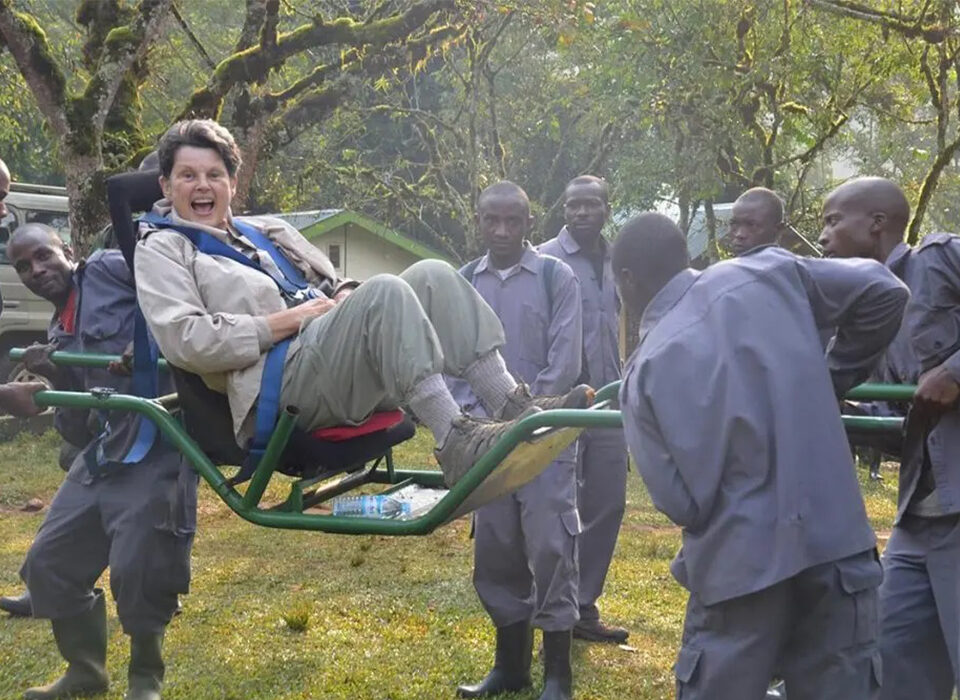
To make the most of your gorilla trekking experience, it is important to familiarize yourself with park rules and regulations. Trekking is physically demanding, and hiring sedan chairs is available for elderly visitors or those with disabilities. Age restrictions and packing essentials should also be considered before embarking on your trek. Experiya Tour Company provides detailed guidance on what to bring, ensuring your safari is safe, comfortable, and unforgettable.
Conclusion
Gorilla trekking in Uganda continues to evolve, offering visitors both incredible wildlife encounters and well-organized safari experiences. With rising gorilla populations, affordable permits, and accessible booking options, Uganda remains one of the best destinations for trekking these gentle giants. Whether you are planning a one-hour gorilla trek or a full habituation experience, Experiya Tour Company ensures that your journey is smooth, rewarding, and unforgettable.
By keeping abreast of these updates and planning in advance, you can enjoy one of Africa’s most iconic wildlife experiences while contributing to the ongoing conservation of mountain gorillas.