
What Makes Uganda a Budget-Friendly Safari Destination?
March 30, 2026
Exploring Kaniyo Pabidi Forest in Murchison Falls National Park
March 30, 2026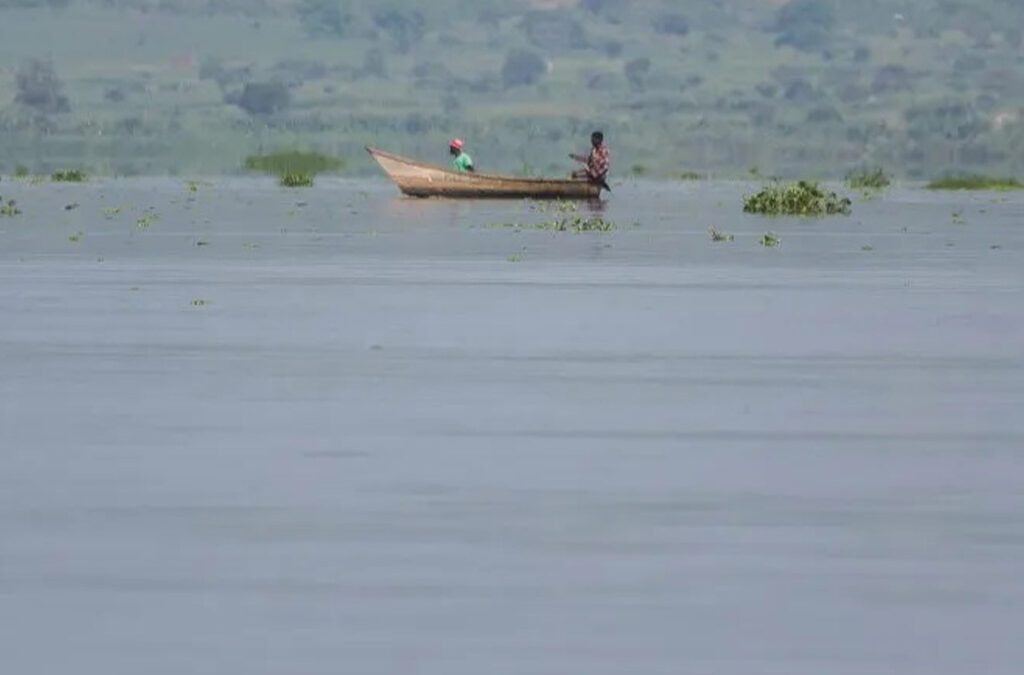
The Lake Albert Delta is one of the most fascinating and rewarding areas to explore in Murchison Falls National Park. This remarkable landscape marks the point where the mighty Victoria Nile slows down and pours its waters into Lake Albert, creating a rich, life-filled ecosystem. As the river fans out into a maze of channels, wetlands, and papyrus islands, it forms a haven for wildlife and one of the best birdwatching destinations in Uganda.
Unlike the dramatic thunder of Murchison Falls upstream, the delta offers a calmer, more serene experience. Here, the Nile seems to breathe, moving gently through marshes and nourishing an environment teeming with life. For travelers seeking a deeper connection with nature, the Lake Albert Delta delivers a truly unforgettable safari experience.Where the Nile Meets Lake Albert
At the delta, the Victoria Nile transitions into the Albertine Nile after merging with the waters of Lake Albert, the second-largest lake in the East African Rift Valley. This meeting point creates a unique alluvial plain shaped by sediment deposits carried downstream over time. As a result, the river breaks into smaller channels, forming islands and wetlands that stretch across the landscape.
Moreover, several natural forces contribute to the formation of this rich delta system. The Congo escarpment, the Semuliki River, and heavy rainfall from the Rwenzori Mountains all feed into the region. Together, they create fertile soils and a dynamic ecosystem that supports diverse plant and animal life.
As you approach the delta, the scenery changes dramatically. Open savannah gives way to lush greenery, tall grasses, and dense papyrus swamps. This transition not only enhances the beauty of the area but also provides essential habitats for countless species.
A Scenic Boat Safari Experience
One of the best ways to explore the Lake Albert Delta is through a boat safari. Most excursions begin at Paraa and cover approximately 20 kilometers along the Victoria Nile toward the lake. This journey offers a completely different perspective of Murchison Falls National Park.
As the boat glides along the calm waters, you can spot wildlife gathering along the riverbanks. Elephants often come to drink, while buffaloes and antelopes graze nearby. Crocodiles bask in the sun, and hippos wallow in the shallows, occasionally surfacing with a splash.
In addition, the morning boat cruise is particularly rewarding. The soft light enhances photography, and wildlife activity is usually at its peak. Experiya Tour Company often recommends early departures to maximize sightings and enjoy the peaceful atmosphere before the day heats up.
Birdwatching Paradise of Uganda
Without a doubt, the Lake Albert Delta stands out as one of the finest birdwatching locations in Uganda. Even visitors who are not avid birders quickly find themselves captivated by the sheer variety and beauty of birdlife here.
Most notably, the delta is famous for the rare and prehistoric-looking shoebill stork. This elusive bird is a top target for birdwatchers from around the world, and the marshy areas along the delta provide one of the best chances to see it in its natural habitat.
Beyond the shoebill, the area hosts an impressive range of bird species. You can easily spot African fish eagles soaring overhead, their calls echoing across the water. Goliath herons, the largest herons in the world, stand gracefully along the shores, while kingfishers dart quickly between branches.
Furthermore, species such as pelicans, darters, great egrets, and yellow-footed kingfishers thrive in this wetland environment. Because of the abundant water and food supply, birds gather here throughout the year, making it a reliable destination regardless of the season.
Wildlife and Natural Beauty
Although birdlife dominates the delta, the area also supports a variety of other wildlife. The surrounding grasslands and wetlands serve as a vital refuge, especially during the dry season when animals depend on the delta for water.
You may encounter elephants, buffaloes, and even predators moving through the region. Meanwhile, the waterways are rich in fish species, supporting both wildlife and local fisheries. This ecological balance highlights the importance of the delta not only as a tourist attraction but also as a critical natural resource.
In addition to wildlife, the scenery itself is breathtaking. As the Nile splits into channels, it creates a patchwork of islands and vegetation that feels almost untouched. On clear days, you can even catch glimpses of the distant Congo escarpment, adding a dramatic backdrop to the tranquil setting.
Unique Landscape and Formation
The formation of the Lake Albert Delta is an ongoing natural process. Over time, the Nile deposits silt at the point where it meets the lake, gradually building up small islands and sandbanks. These features constantly shift, giving the delta a dynamic and ever-changing character.
Interestingly, historical events have also shaped the landscape. For example, the creation of Uhuru Falls in 1962, when the Nile burst its banks, altered water flow patterns in the region. Today, these changes contribute to the intricate network of channels that define the delta.
Because of this complexity, every visit feels different. Water levels, wildlife movements, and seasonal changes all influence what you will see, making each safari a unique experience.
Activities to Enjoy in the Delta
While the boat safari remains the highlight, there are several ways to enjoy the Lake Albert Delta. Birdwatching takes center stage, but photography is equally rewarding due to the stunning scenery and abundant wildlife.
Additionally, nature enthusiasts can simply relax and observe the environment. The peaceful surroundings provide an ideal setting for reflection, sketching, or quietly watching birds interact in their natural habitat.
Both private and group excursions are available, allowing visitors to choose experiences that match their schedules and preferences. Experiya Tour Company can tailor these trips to ensure you get the most out of your visit.
Best Time to Visit
The Lake Albert Delta can be visited year-round; however, certain seasons offer better conditions. The dry seasons, typically from December to February and June to September, provide easier wildlife viewing as animals gather near water sources.
On the other hand, the wet seasons bring lush vegetation and excellent bird activity, especially for migratory species. Therefore, the best time largely depends on your interests, whether you prioritize wildlife viewing or birdwatching.
Why the Lake Albert Delta Should Be on Your Itinerary
In conclusion, the Lake Albert Delta is more than just a scenic extension of the Nile—it is a vibrant ecosystem filled with life, beauty, and tranquility. From the iconic shoebill to sweeping wetland views, the delta offers experiences that differ from the classic savannah safari.
If you are planning a visit to Murchison Falls National Park, including the delta in your itinerary is essential. With guidance from Experiya Tour Company, you can explore this hidden gem in comfort while gaining a deeper appreciation of Uganda’s natural wonders.
Ultimately, the Lake Albert Delta leaves visitors with lasting memories—quiet moments on the water, rare wildlife encounters, and a profound sense of connection to nature.