
Shoebill Birds at Ziwa Rhino Sanctuary Uganda
March 9, 2026
Zip Lining Through the Canopy in Nyungwe Forest
March 9, 2026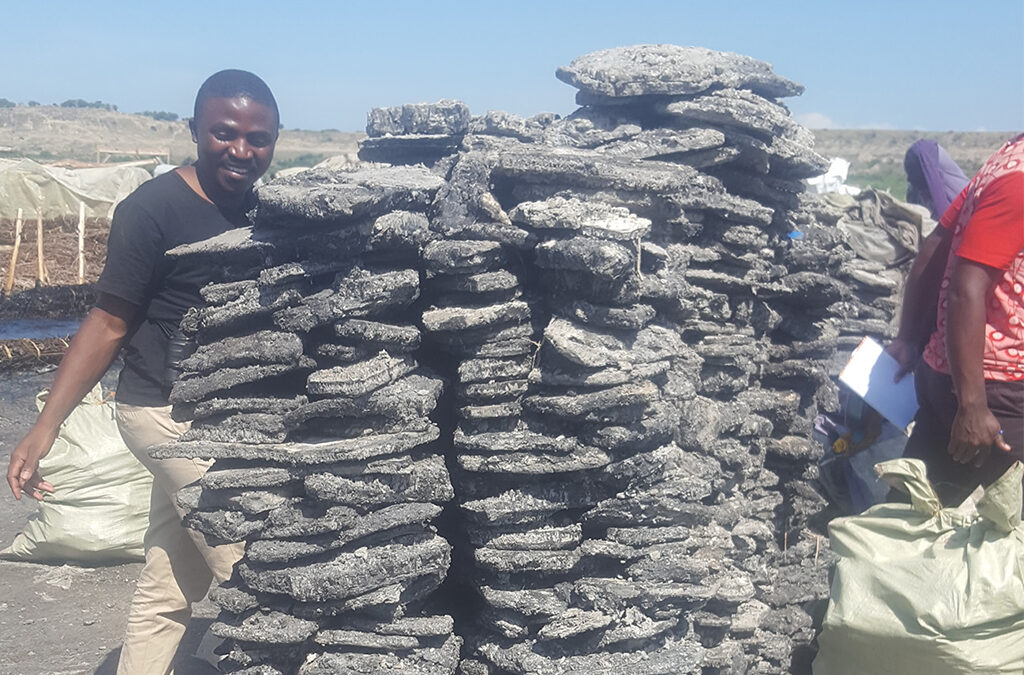
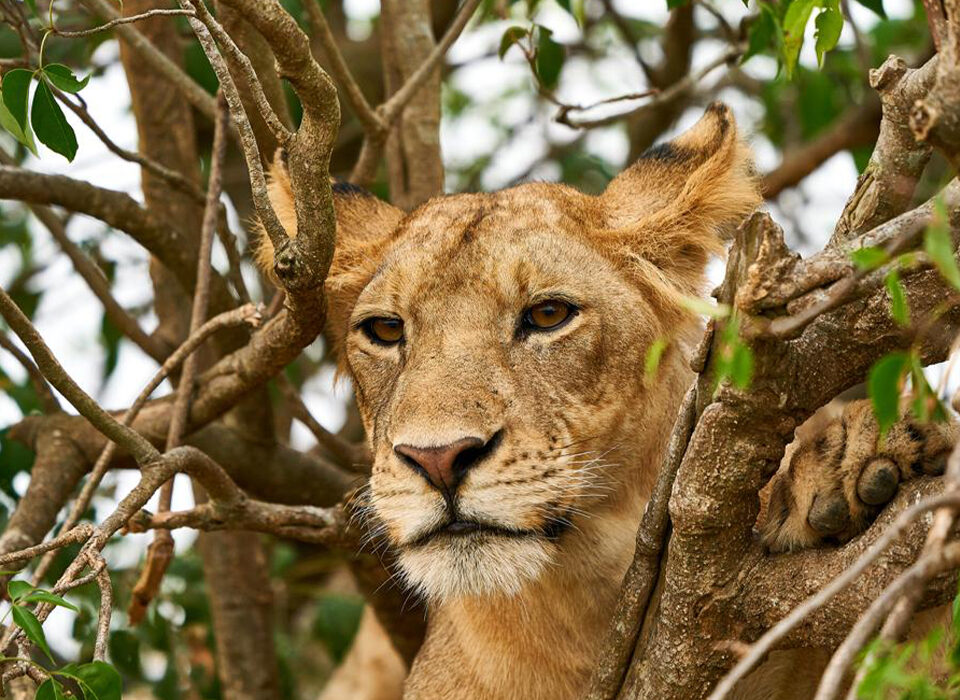
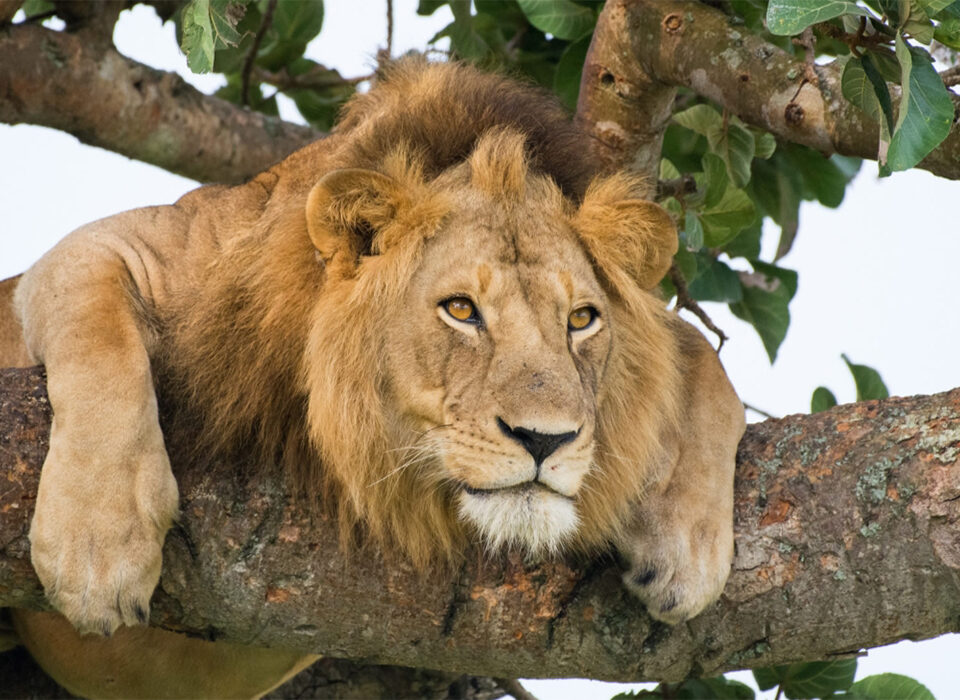
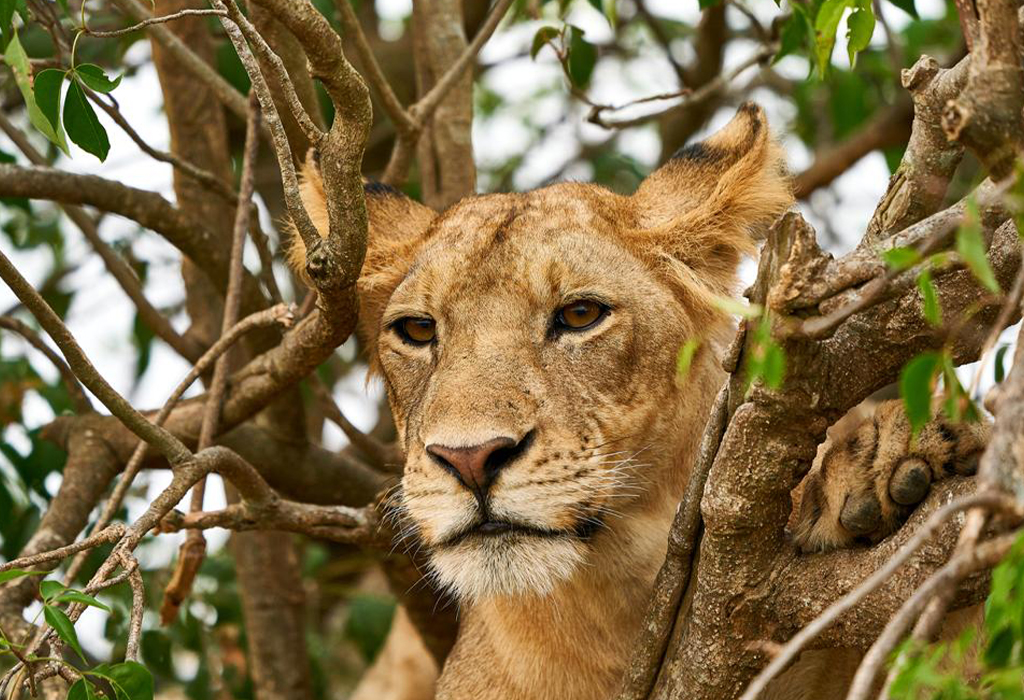
Nestled within the breathtaking landscapes of Queen Elizabeth National Park, the Katwe Salt Mine offers travelers a unique cultural experience that goes far beyond wildlife viewing. While the park is famous for tree-climbing lions, elephants, and boat cruises along the Kazinga Channel, the salt mines of Lake Katwe reveal a fascinating story about Uganda’s heritage, resilience, and traditional livelihoods.
For centuries, local communities have harvested salt from this crater lake using traditional methods that remain largely unchanged today. When you visit Katwe with Experiya Tour Company, you do more than observe a mining site—you step into a living cultural landscape where history, community, and nature come together.
From shimmering salt pans under the tropical sun to miners carefully collecting salt crystals, every moment at Katwe tells a story of determination and tradition.
The History and Significance of Katwe Salt Mine
The Katwe Salt Mine has a long and fascinating history that stretches back several centuries. Historical accounts suggest that salt extraction at Lake Katwe began as early as the 14th century, making it one of the oldest salt mining sites in Africa.
In earlier times, salt from Katwe was an extremely valuable commodity. Communities traded it across the region, and it played an essential role in preserving food before modern refrigeration existed. As a result, the mine became an important economic center that supported trade networks across western Uganda and neighboring regions.
Over the years, Katwe has continued to support local livelihoods. Generations of miners have inherited the knowledge and skills required to extract and process salt from the lake. Today, the mine stands not only as an economic resource but also as a powerful symbol of community resilience and cultural heritage.
How Salt Is Extracted and Processed
Salt mining at Katwe follows a traditional process that local communities have refined over generations.
First, miners dig shallow pits in the salty mud surrounding Lake Katwe. Saline water naturally seeps into these pits from underground springs. Afterward, miners leave the water to evaporate under the intense equatorial sun.
As the water slowly evaporates, salt crystals begin to form on the surface. Miners then carefully scrape the crystals from the pits using simple tools. Depending on the level of evaporation, the salt may appear in different forms and levels of purity.
Once collected, the salt undergoes minimal processing. Workers wash it to remove impurities and sometimes grind it into finer grains before packaging it for sale in local markets.
Despite its simplicity, this traditional process requires patience, knowledge, and hard work, making the salt produced here truly unique.
The Important Role of Women in Salt Mining
Women play a central role in the Katwe salt mining industry. In fact, many of the workers you see in the salt fields are women who have mastered the demanding tasks involved in harvesting and processing salt.
They actively participate in collecting salt crystals, washing and sorting the salt, and preparing it for market. In addition, many women manage the commercial side of the business by negotiating prices and organizing sales.
Through these activities, women support their families and contribute significantly to the local economy. Their involvement has also strengthened social bonds within the community. As they work side by side in the salt pans, they share knowledge, stories, and traditions that keep the cultural heritage of Katwe alive.
Their dedication demonstrates how traditional industries can empower communities while preserving cultural identity.
Challenges Faced by Katwe Salt Miners
Despite the cultural and economic value of the salt mines, miners face several daily challenges.
First, they work under intense heat and harsh environmental conditions. Standing for long hours in salty water can affect their skin and overall health over time.
Safety is another concern. Many miners work without protective equipment, which increases the risk of injuries while digging pits or collecting salt. In addition, unstable ground conditions can sometimes make the work physically demanding.
Economic uncertainty also affects the miners. Fluctuating salt prices often create financial instability, especially for families who depend entirely on this income.
Furthermore, access to healthcare and clean water remains limited for many workers in the area. Despite these difficulties, the miners continue their work with remarkable determination and resilience.
Impact on the Local Community and Tourism
The Katwe Salt Mine plays a vital role in supporting the surrounding community. It provides employment opportunities and helps sustain many households in the area.
At the same time, tourism has begun to create new economic opportunities. Travelers who visit Katwe gain firsthand insight into traditional salt mining practices and the cultural history of the region.
When visitors explore the site with Experiya Tour Company, they often interact with miners and local guides who share personal stories about their work and daily lives. This interaction not only enriches the visitor experience but also helps promote cultural understanding.
Additionally, tourism encourages the preservation of this historical site while generating income for local guides, artisans, and community members.
Tips for Visiting Katwe Salt Mine
If you plan to visit Katwe Salt Mine during your safari in Queen Elizabeth National Park, a few simple tips will enhance your experience.
First, visit during the early morning or late afternoon. The temperatures are cooler during these hours, and the lighting creates excellent conditions for photography.
Wear comfortable walking shoes, as the terrain around the salt pans can be uneven and muddy. Staying hydrated is also important because the area can become quite hot during the day.
Always respect the miners and their work. If you would like to take photographs, politely ask for permission before doing so.
Finally, consider purchasing locally made crafts or salt products from nearby vendors. This small gesture helps support the local economy and provides you with authentic souvenirs from your visit.
A Unique Cultural Experience in Queen Elizabeth National Park
A visit to Katwe Salt Mine offers far more than a sightseeing stop—it provides a meaningful cultural experience that connects travelers with Uganda’s history and traditions.
As you walk through the salt pans, observe the hardworking miners, and learn about the centuries-old extraction techniques, you gain a deeper appreciation for the relationship between people and nature.
When you include Katwe in your itinerary with Experiya Tour Company, you enrich your safari with cultural discovery while supporting the local community.
Combined with the incredible wildlife and stunning scenery of Queen Elizabeth National Park, the Katwe Salt Mine experience becomes a memorable highlight of any Ugandan adventure.