Where to Find Olive Baboons in Uganda
March 25, 2026
Recommended Destinations for Group Tours in Uganda 2026
March 25, 2026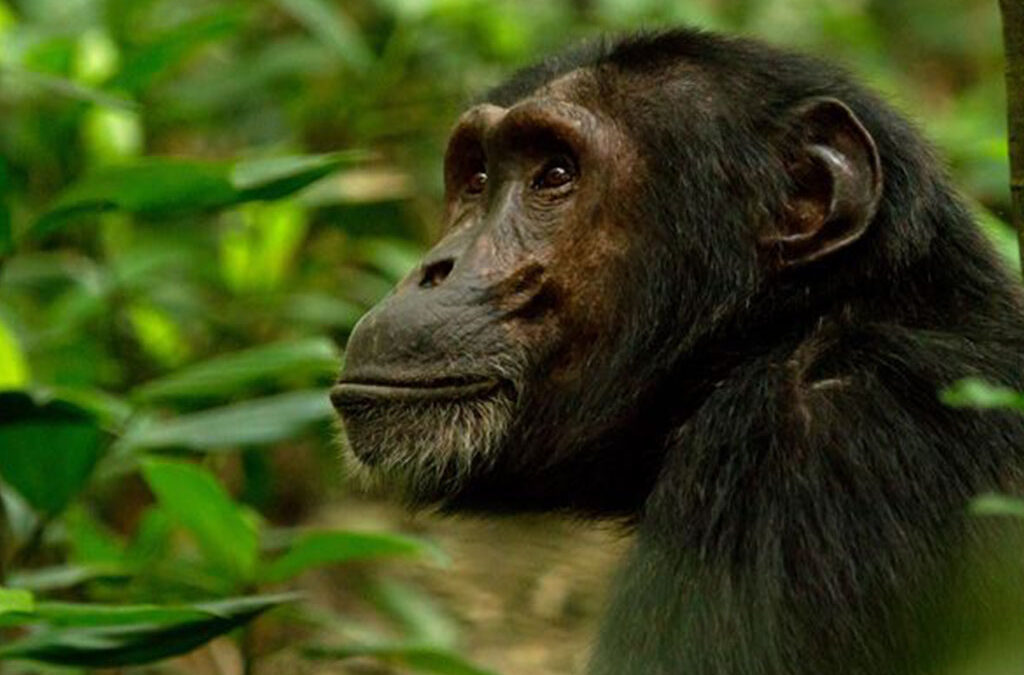
Uganda stands out as one of the world’s premier destinations for primate safaris. Many wildlife experts even refer to it as the “Primate Capital of the World,” and that reputation is well-earned. What makes Uganda truly exceptional is its rare ability to offer encounters with both endangered mountain gorillas and wild chimpanzees in a single journey.
Beyond that, the country boasts an extraordinary diversity of primate species, making it a dream destination for anyone fascinated by our closest relatives in the animal kingdom.
Why Uganda Excels for Primate Watching
Several factors come together to make Uganda an outstanding primate safari destination. Its unique geography, strong conservation efforts, and commitment to sustainable tourism create the perfect environment for unforgettable wildlife experiences.
A Sanctuary for Mountain Gorillas
Uganda protects more than half of the world’s remaining mountain gorillas, primarily in Bwindi Impenetrable National Park, with a smaller population in Mgahinga Gorilla National Park. As a result, it offers one of the best chances on Earth to observe these magnificent creatures in the wild.
Mountain gorillas live only in Uganda, Rwanda, and a small region of the Democratic Republic of Congo. Because of their endangered status, every encounter feels deeply meaningful. Watching a gorilla family feed, groom, or play just a few meters away is not only thrilling but also profoundly moving.
Importantly, Uganda’s conservation efforts continue to make a difference. Gorilla populations are steadily increasing, thanks to anti-poaching initiatives, habitat protection, and community involvement. Every trekking permit contributes directly to sustaining these efforts.
Exceptional Chimpanzee Encounters
Uganda also offers some of Africa’s most rewarding chimpanzee tracking experiences. Kibale National Park, often called the “Primate Capital of Africa,” hosts over 1,500 chimpanzees alongside twelve other primate species.
Thanks to successful habituation programs, chimpanzee tracking here has a success rate of over 90 percent. This means you are highly likely to encounter them during your trek. As you follow their calls through the forest, you will witness them swinging through trees, foraging, grooming, and interacting in ways that feel strikingly human.
In addition, Uganda provides alternative chimpanzee tracking locations such as Budongo Forest and Kyambura Gorge. Each offers a unique setting and experience, giving travelers flexibility and variety.
Remarkable Primate Diversity
Uganda’s richness goes far beyond gorillas and chimpanzees. The country is home to over twenty primate species, creating endless opportunities for discovery.
During your journey, you may encounter golden monkeys with their vivid orange coats, black-and-white colobus monkeys with flowing tails, playful red-tailed monkeys, and the elusive L’Hoest’s monkey. Even along roadside forests, primates frequently appear, turning simple drives into memorable wildlife moments.
This incredible diversity reinforces Uganda’s reputation as a true primate paradise.
Conservation That Benefits Communities
A primate safari in Uganda does more than create unforgettable memories—it directly supports conservation and local communities.
Permit fees fund vital efforts such as ranger patrols, habitat protection, and wildlife research. At the same time, nearby communities benefit through employment opportunities in guiding, hospitality, and tourism services.
Revenue-sharing programs also ensure that local people see tangible benefits from conservation. As a result, protecting wildlife becomes more valuable than exploiting it, creating a sustainable future for both people and primates.
Uganda’s Top Primate Destinations
Uganda offers several remarkable locations for primate encounters, each with its own unique character and appeal.
Bwindi Impenetrable National Park
Bwindi is Uganda’s most famous gorilla trekking destination and a UNESCO World Heritage Site. It protects nearly half of the world’s mountain gorillas, making it one of the most important conservation areas globally.
The park features dense, mist-covered forests spread across steep hills, creating a dramatic and immersive environment. It is divided into four sectors Buhoma, Ruhija, Rushaga, and Nkuringo each offering access to different gorilla families.
Beyond gorillas, Bwindi hosts exceptional biodiversity, including over 350 bird species and more than 120 mammal species. Every trek through this forest feels like stepping into a living natural sanctuary.
Kibale National Park
Kibale National Park offers one of the best chimpanzee tracking experiences in Africa. Its rich forest ecosystem supports thirteen primate species, making it a hotspot for primate lovers.
Tracking usually begins early in the morning when chimpanzees are most active. Guided by expert trackers, you follow their vocal calls until you find them. Once located, you spend an hour observing their complex social behaviors.
In addition to chimps, Kibale provides opportunities to see red colobus monkeys, grey-cheeked mangabeys, and other species. Night walks also reveal nocturnal primates such as bushbabies.
Mgahinga Gorilla National Park
Although smaller than Bwindi, Mgahinga offers a unique and scenic experience. It is the only park in Uganda where you can track golden monkeys, a rare and endangered species found in the Virunga Mountains.
The park’s landscape features dramatic volcanic peaks, adding breathtaking scenery to your adventure. It also tends to receive fewer visitors, allowing for a quieter and more intimate experience.
Kyambura Gorge
Kyambura Gorge provides a completely different chimpanzee tracking environment. Located within Queen Elizabeth National Park, the gorge appears like a lush forest hidden beneath steep valley walls.
Tracking here can be more challenging due to the terrain. However, the setting is spectacular, and the experience feels more secluded. Combining this trek with a savannah safari in the surrounding park creates a diverse and rewarding itinerary.
Budongo Forest
Budongo Forest, located near Murchison Falls National Park, offers another excellent chimpanzee tracking option. The forest is known for its towering mahogany trees, which create a majestic atmosphere.
This destination works especially well for travelers combining primate tracking with classic savannah game drives, offering a well-rounded safari experience.
Planning Your Primate Safari in Uganda
Careful planning helps you make the most of your primate safari experience.
Best Time to Visit
Uganda’s dry seasons, from June to August and December to February, provide the best conditions for trekking. Trails are easier to navigate, and the overall experience is more comfortable.
However, primate tracking takes place year-round. During the wet season, forests become lush and vibrant, and visitor numbers tend to be lower. This can make the experience feel more exclusive.
Understanding Permit Costs
Gorilla trekking permits cost approximately $800 USD per person for foreign non-residents. While this may seem high, it reflects the limited number of daily visits and the importance of conservation funding.
Chimpanzee tracking permits are more affordable, averaging around $250 USD in Kibale National Park.
Since permits are limited and demand is high, booking several months in advance is essential, especially during peak travel seasons.
Fitness and Trekking Experience
Primate trekking requires a moderate level of fitness. Treks can last anywhere from one to six hours, depending on the animals’ movements.
You will hike through dense forests, sometimes on steep and muddy terrain. However, you can take breaks along the way, and porters are available to assist if needed. With a steady pace and determination, most travelers can complete the trek successfully.
What to Pack
Packing the right gear makes a significant difference. Sturdy waterproof hiking boots provide support and traction, while long-sleeved clothing protects against vegetation and insects. A rain jacket is essential, as rain can occur at any time.
You should also carry gloves for gripping vegetation, insect repellent, sunscreen, a hat, and enough drinking water. A camera with good zoom capability allows you to capture unforgettable moments, as flash photography is not permitted near primates.
Final Thoughts
So, is Uganda a good idea for a primate safari? Without question, yes.
Few places on Earth offer such intimate, diverse, and meaningful encounters with primates. From the awe-inspiring presence of mountain gorillas to the lively intelligence of chimpanzees and the variety of monkey species, Uganda delivers an experience that is both thrilling and deeply personal.
More importantly, every visit contributes to conservation and supports local communities, ensuring that these incredible animals continue to thrive for generations to come.
Uganda is not just a destination it is an experience that stays with you long after you leave.