
Best Time to Visit Rwanda: Travel and Climate Guide
January 12, 2026
Seasonal Bird Sightings at Lake Bunyonyi, Uganda
January 12, 2026
Mgahinga Gorilla National Park is an excellent destination for beginners because it offers activities that suit different fitness levels. The park features shorter gorilla tracking times compared to other locations in the region such as Bwindi Impenetrable Forest National Park. You can hire porters to help with your gear and navigate the challenging sections. The terrain here is more open and easier to walk through than dense forests. Whether you want gentle walks or challenging hikes, Mgahinga welcomes first-time visitors with accessible trails and helpful local support.
Gorilla Trekking: Your First Encounter with Mountain Gorillas
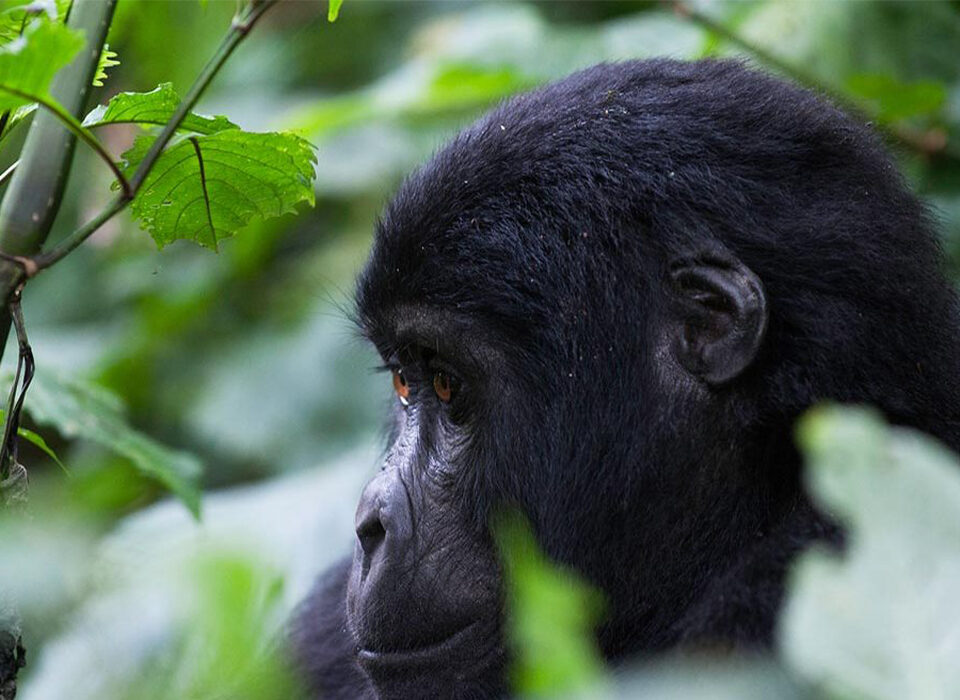
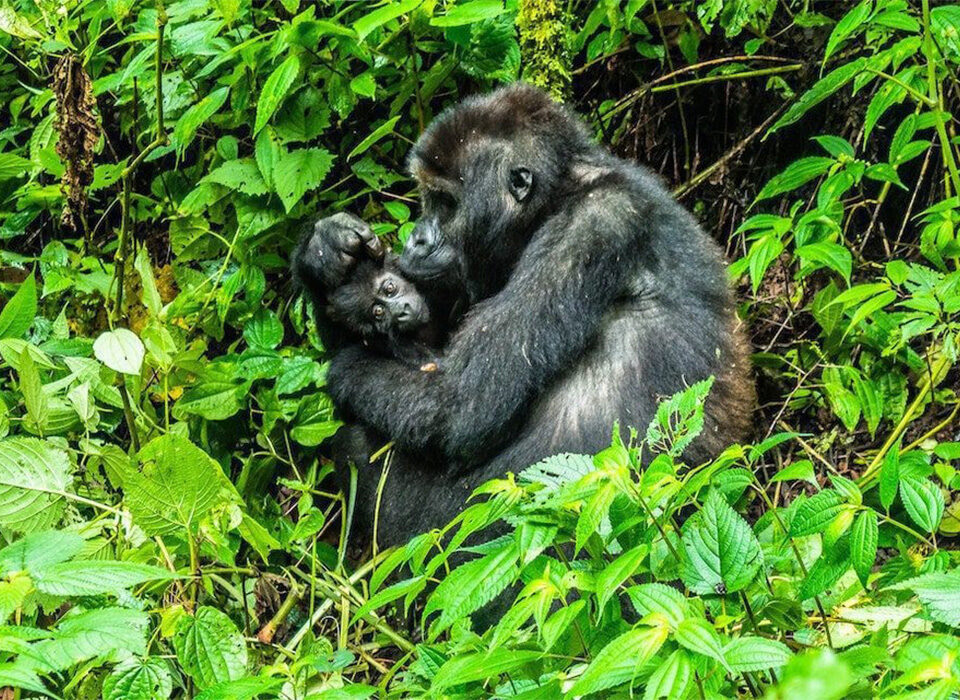
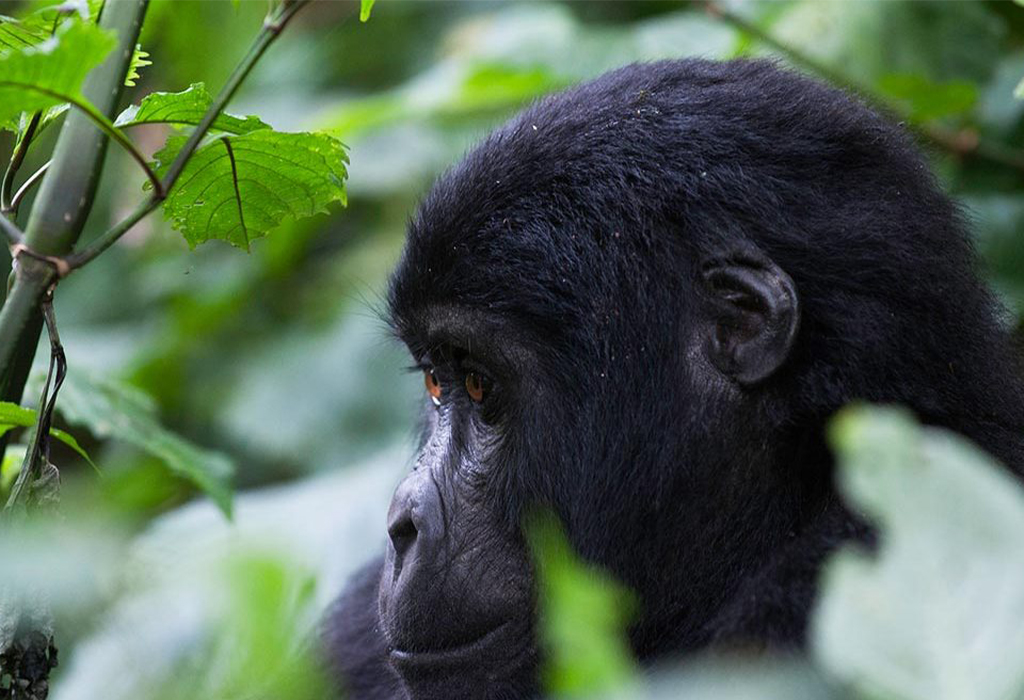
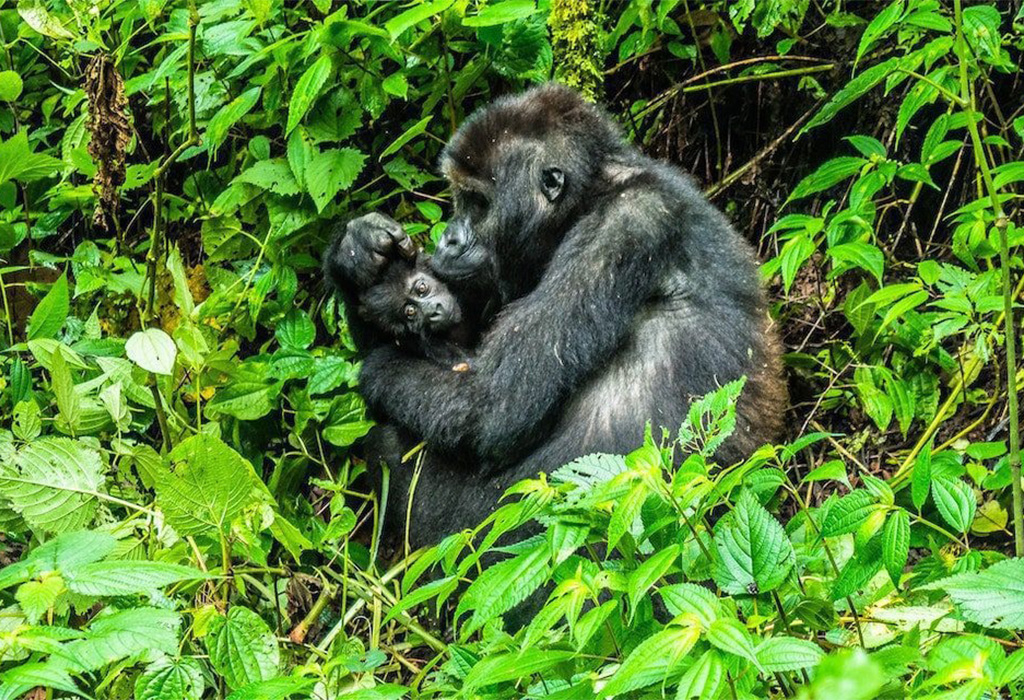
Gorilla trekking in Mgahinga offers a moderate challenge that most people can handle successfully. The park monitors one habituated gorilla family called Nyakagezi throughout the year. This family often stays within two to four hours of walking distance from the starting point. The bamboo forests here are less dense than the thick jungles in other parks. You can see through the vegetation more easily, which makes spotting gorillas less difficult.
Furthermore, the trails wind through open spaces that allow you to catch your breath regularly. Porters stand ready at the park entrance to carry your backpack and camera equipment. They also provide a helpful hand when you climb steep sections or cross streams. The high altitude requires steady breathing, but the shorter tracking time reduces exhaustion significantly.
Golden Monkey Tracking: A Colorful Forest Adventure
Golden monkeys live in the lower-altitude bamboo forests, making them easier to reach than gorillas. These playful creatures jump between bamboo stalks and entertain visitors with their energetic movements. The tracking usually takes one to three hours depending on where the monkeys feed. You’ll walk on well-defined trails that guide you through the beautiful bamboo forest.
The experience feels less strenuous because you stay at lower elevations throughout the activity. Golden monkeys are habituated to human presence, so they don’t run away when you approach. You can watch them feed, play, and interact with each other at close range. This activity works perfectly for families with children or anyone wanting a gentler wildlife experience.
Batwa Trail Experience: Connecting with Ancient Forest Culture
The Batwa Trail introduces you to Uganda’s indigenous pygmy community through an educational forest walk. Local Batwa guides lead you through the forest while demonstrating their traditional hunting techniques. You’ll learn how they made fire without matches and which plants provided medicine for illnesses. The guides share stories about their ancestral life in the forest before conservation efforts relocated them.
The highlight comes when you reach Garama Cave, an ancient dwelling place for the Batwa people. Inside the cave, community members perform traditional songs and dances that echo through the stone chambers. This cultural experience requires minimal physical effort, making it suitable for all age groups. You’ll gain deep respect for how the Batwa lived in harmony with the forest.
Easy Nature Walks for Relaxed Exploration
Sabinyo Gorge Trail
The Sabinyo Gorge Trail takes you on a four-hour, six-kilometer journey through Afro-montane forest. You’ll follow a gentle path that leads to a scenic gorge with a beautiful waterfall. The forest canopy shelters numerous bird species that sing throughout your walk. Photographers love this trail because the lighting filters perfectly through the dense vegetation.
The moderate difficulty level means you can walk at a comfortable pace without rushing. You’ll cross small streams and observe unique plant species along the well-maintained path. The waterfall at the end provides a perfect spot for resting and enjoying nature.
Border Trail Adventure
The Border Trail follows the lower slopes of Mount Sabyinyo along Uganda’s international boundaries. You can literally stand at the point where Uganda, Rwanda, and Congo meet during this walk. The trail offers spectacular views of all three countries spread out below you. Rolling hills and terraced farmlands create a patchwork landscape that’s perfect for photography.
This moderately strenuous walk takes about three hours and rewards you with panoramic mountain vistas. You’ll breathe fresh mountain air while observing how local communities live near the park. The trail rarely gets crowded, giving you peaceful moments to absorb the surrounding beauty.
Volcano Climbing for Adventure Seekers
Mount Gahinga: The Gateway Volcano
Mount Gahinga presents a moderate six-hour climb that introduces you to volcano hiking gradually. The trail winds through bamboo forest before opening up to heath and moorland zones. At the summit, you’ll find a swamp-filled crater that looks mystical and otherworldly. The climb challenges your endurance without overwhelming beginners who have reasonable fitness levels.
Mount Sabyinyo: The Old Man’s Teeth
Mount Sabyinyo requires good fitness because the eight-hour climb includes sections with ladders. The three peaks resemble old man’s teeth, giving the mountain its local nickname. You’ll climb through different vegetation zones, experiencing dramatic landscape changes throughout the ascent. The summit offers views of all three countries, making the challenging climb worthwhile.
Mount Muhabura: The Ultimate Challenge
Mount Muhabura stands as the most demanding climb, taking eight to ten hours total. The steep trail tests your stamina and determination as you ascend 4,127 meters. At the top, a small crater lake rewards climbers with stunning reflections and views. Only attempt this climb if you have previous hiking experience and excellent physical fitness.
Best Time to Visit Mgahinga Gorilla National Park
Dry Season Advantages
The dry seasons from June to August and December to January offer ideal trekking conditions. Trails become less muddy and slippery, making every step safer and more comfortable for beginners. Wildlife viewing improves because animals gather at predictable water sources throughout the park. However, these peak months attract more tourists, so you must book permits several months ahead.
Accommodation fills up quickly during dry seasons, requiring advance reservations for preferred lodges. The weather stays more predictable, reducing chances of heavy rainfall during your trek. Clear skies provide better photography opportunities with mountains standing out against blue backgrounds.
Wet Season Benefits
The wet seasons from March to May and September to November bring lush green landscapes. Fewer tourists visit during these months, giving you a more intimate wildlife experience. Many lodges offer discounted rates, making your trip more budget-friendly than peak season. Bird watchers prefer these months because migratory species arrive and breeding activities increase.
Rain showers occur more frequently, so you’ll need good waterproof gear for all activities. The trails become muddier and more slippery, requiring extra caution during gorilla trekking. Nevertheless, the vibrant green vegetation creates spectacular photography opportunities throughout the park.
How to Reach Mgahinga Gorilla National Park
Road Access from Kampala
The drive from Kampala takes nine to ten hours in a four-wheel-drive vehicle. Your route passes through Masaka, Mbarara, and Kabale before reaching Kisoro town near the park. The final fourteen kilometers to Ntebeko gate follow a bumpy dirt road requiring careful driving. Despite the long journey, the changing landscapes keep the drive interesting and scenic throughout.
Shorter Route from Kigali
Flying into Kigali International Airport in Rwanda cuts your driving time to four hours. The route crosses the Cyanika border between Rwanda and Uganda with minimal paperwork delays. This option works perfectly for international travelers who want to minimize road travel time. The scenic drive through Rwandan hills provides beautiful views of terraced farmlands and local villages.
Air Travel Options
Aerolink Uganda operates scheduled and charter flights from Entebbe International Airport to Kisoro Airstrip. The flight takes approximately one hour and fifteen minutes, saving you eight hours of driving. From Kisoro Airstrip, you’ll drive just thirty minutes to reach the park headquarters. This convenient option costs more but maximizes your time for activities instead of transportation.