Things to Do in Uganda During Christmas Holiday
September 8, 2026
Best Time of the Year to Visit Tanzania National Parks
September 8, 2026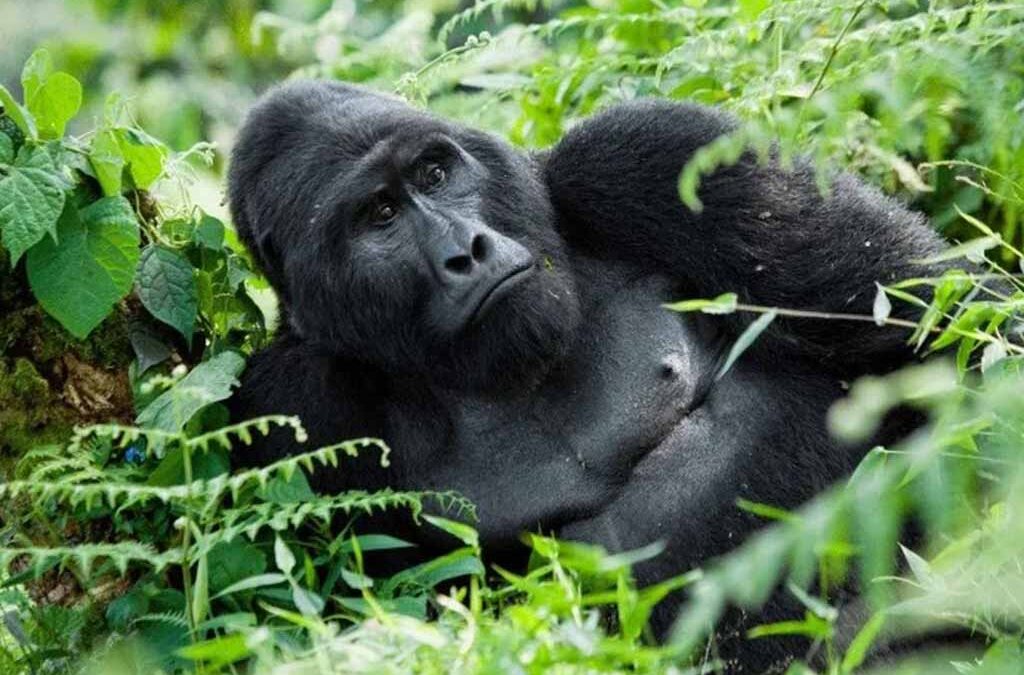
Gorilla trekking can be one of the most rewarding experiences a family shares in Africa. However, whether it is the right choice depends on your children’s ages, fitness levels, budget, and the kind of holiday you want to enjoy together.
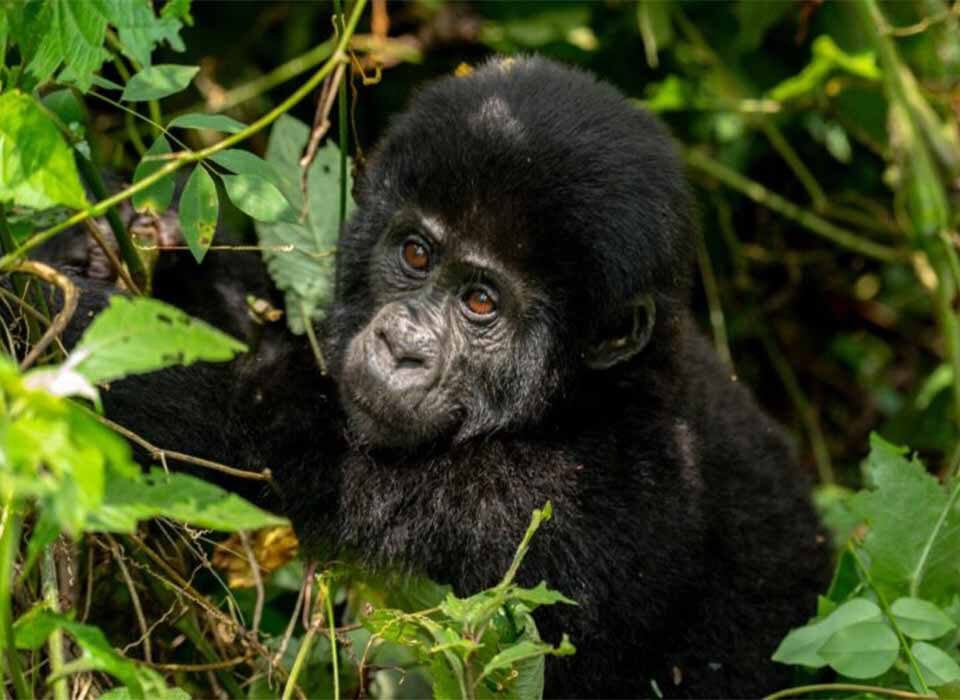
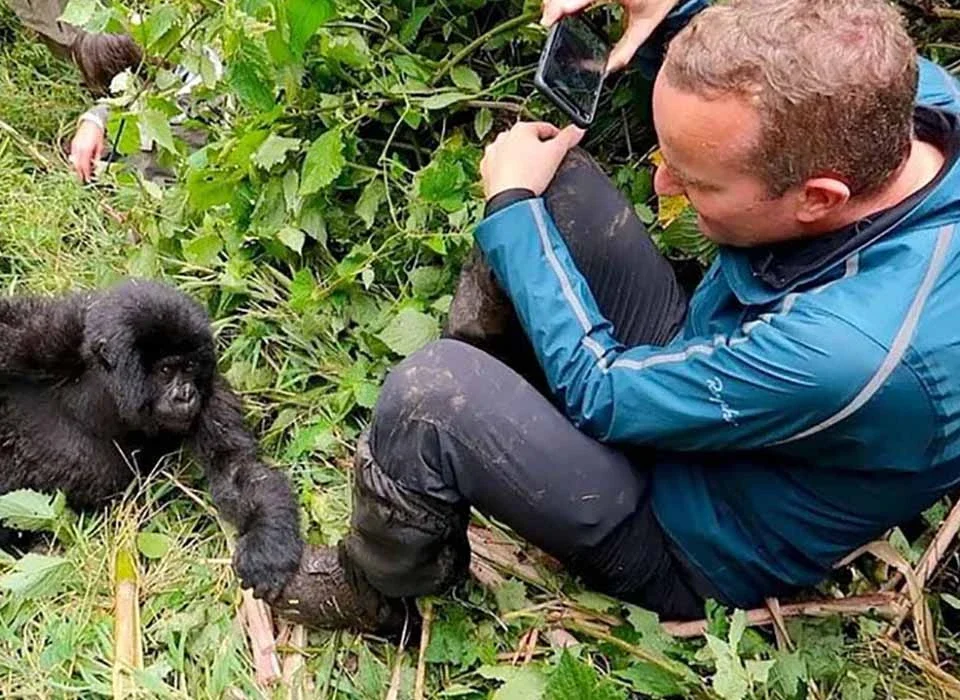
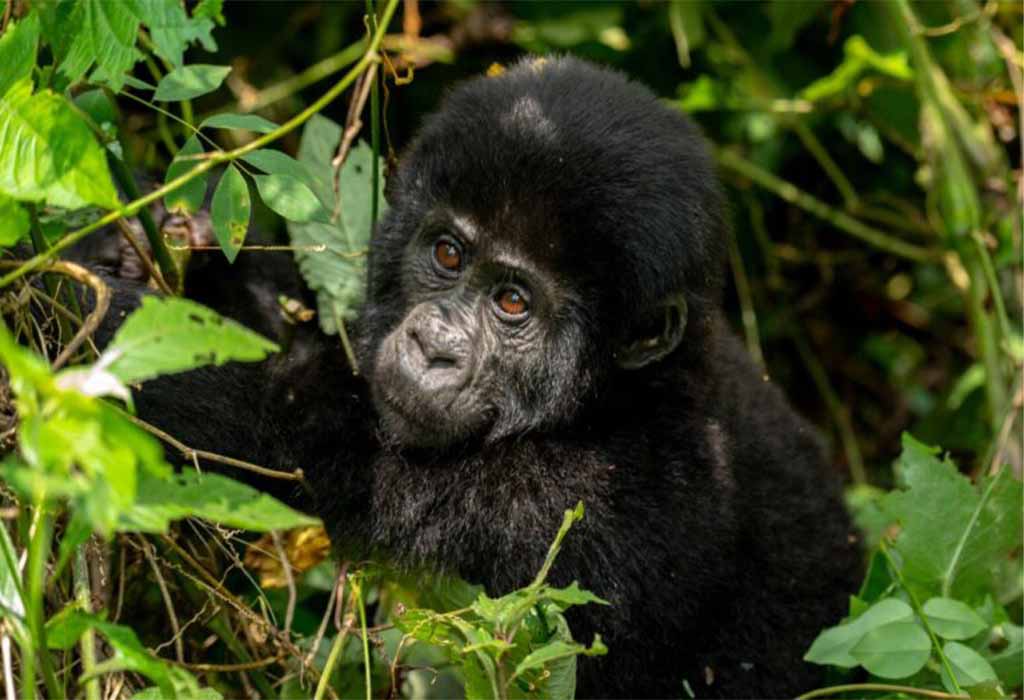
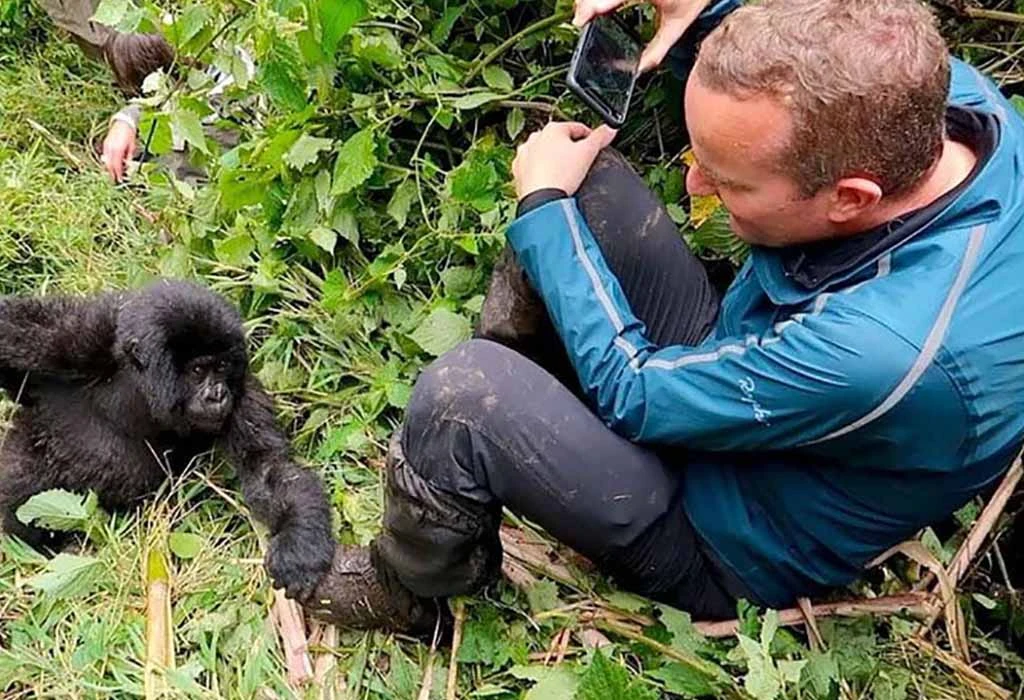
For families with teenagers aged 15 and above, the experience offers an extraordinary opportunity to discover mountain gorillas in their natural habitat. Imagine walking through an ancient rainforest, hearing the sounds of the jungle, and finally sitting quietly as a gorilla family feeds, rests, or plays nearby. Such a moment can create memories that remain with your family for years.
However, families travelling with younger children need to plan differently. Gorilla trekking has a minimum age requirement, and the hike can be physically demanding. Fortunately, this does not mean you must give up on a memorable family safari. With the right itinerary, everyone can enjoy meaningful experiences.
Understanding the Gorilla Trekking Age Limit
Both Uganda and Rwanda generally require gorilla trekking participants to be at least 15 years old. This rule applies to visitors entering the gorilla habitat, regardless of whether they travel with their parents or other family members.
The age restriction exists primarily to protect the gorillas. Because mountain gorillas are closely related to humans, they can contract human illnesses, including respiratory infections. Children may also find it more difficult to maintain the required distance from the animals or follow all the guidelines during the encounter.
In Uganda, the Uganda Wildlife Authority may review certain age-exemption requests. However, families should not depend on an exemption when planning their holiday. If your child is under 15, the safest approach is to arrange an alternative activity rather than assume they will be allowed to trek.
The age limit also helps ensure that everyone entering the forest can manage the experience responsibly. Therefore, families should consider the rule an important part of gorilla conservation rather than simply a travel restriction.
Is Gorilla Trekking Physically Suitable for Families?
Gorilla trekking is a real rainforest hike, not a short walk along a paved trail. The duration and difficulty vary depending on the location of the gorilla family, the terrain, and the weather.
In Bwindi Impenetrable National Park, Uganda, trekkers may walk through steep slopes, muddy paths, thick vegetation, and uneven ground. Some treks take only a few hours, while others can last much longer. Rwanda’s Volcanoes National Park often offers a more compact trekking experience, but the hike still requires stamina and careful movement.
For this reason, every eligible family member should prepare before travelling. Regular walking, hiking, and other moderate exercise can help teenagers and adults build confidence. It is also important to discuss the experience honestly with children so they understand that the forest may be challenging.
Families can make the trek more comfortable by hiring porters. Porters help carry bags and can provide support on difficult sections of the trail. Their assistance can reduce the physical strain and also gives visitors an opportunity to support local communities.
Gorilla Trekking Costs for a Family
The cost of gorilla trekking is another important consideration. Permits are purchased per person, so families need to calculate the total cost before booking their safari.
For international non-resident visitors, Uganda’s standard gorilla trekking permit costs USD 800 per person, while Rwanda’s standard permit costs USD 1,500 per person. Prices and promotional offers can change, so families should confirm the current rates before making arrangements.
For example, a family of four with two adults and two eligible teenagers would spend USD 3,200 on permits in Uganda or USD 6,000 in Rwanda at those rates. These figures cover the permits only; accommodation, transport, meals, and other activities require a separate budget.
Uganda therefore offers a more affordable option for many families. The savings can allow you to add other experiences, such as chimpanzee trekking, wildlife game drives, or a relaxing stay near Lake Bunyonyi.
Uganda or Rwanda: Which Is Better for a Family?
Both destinations offer remarkable gorilla encounters, but each has advantages that may suit different families.
Gorilla Trekking in Uganda
Uganda is an excellent choice for families who want to combine gorilla trekking with a broader safari. Bwindi Impenetrable National Park offers several trekking sectors, including Buhoma, Ruhija, Rushaga, and Nkuringo. The best sector depends on permit availability, accommodation, and the family’s preferred travel route.
Uganda also provides opportunities to explore other attractions. Families can combine gorilla trekking with chimpanzee tracking in Kibale Forest, wildlife viewing in Queen Elizabeth National Park, or a relaxing holiday around Lake Bunyonyi.
The main challenge is travel time. Driving from Entebbe to Bwindi can take many hours, depending on the route and road conditions. Families who prefer to reduce long road journeys can consider domestic flights to nearby airstrips, followed by a road transfer to their lodge.
Gorilla Trekking in Rwanda
Rwanda is particularly appealing to families who prefer a shorter and more straightforward journey. Volcanoes National Park is approximately two and a half hours from Kigali by road, making it convenient for travellers with limited time.
The park also offers opportunities to explore Rwanda’s beautiful landscapes and cultural attractions. Families can combine gorilla trekking with a visit to Akagera National Park, chimpanzee trekking in Nyungwe, or relaxation around Lake Kivu.
However, Rwanda’s higher permit cost can make it more expensive for larger families. The best destination ultimately depends on whether your priority is affordability, travel convenience, or a combination of both.
What If Some Children Are Under 15?
Families with younger children do not have to abandon the idea of a gorilla safari. Instead, they can plan activities that allow everyone to enjoy the destination while eligible family members trek.
For example, one parent can accompany teenagers on the gorilla trek while another stays with younger children. Depending on the lodge and location, younger family members may enjoy nature walks, cultural visits, craft activities, or other age-appropriate experiences.
Families should arrange childcare and alternative activities in advance. Not every lodge provides professional childcare, and parents should confirm what supervision is available before booking. A well-planned split itinerary can ensure that younger children remain engaged rather than feeling left out.
How to Prepare for a Family Gorilla Safari
Preparation makes the experience more enjoyable. Start by choosing a trekking destination that matches your family’s interests and physical abilities. Next, confirm the age requirements, permit availability, accommodation, and transport arrangements.
Pack comfortable hiking shoes, lightweight clothing, rain protection, water, snacks, insect repellent, and a small backpack. Because rainforest weather can change quickly, families should prepare for both sunshine and rain.
Most importantly, encourage children to respect the gorillas and follow the ranger’s instructions. The encounter is not simply about taking photographs; it is about observing these remarkable animals responsibly and protecting their habitat.
Final Verdict
Gorilla trekking is an excellent choice for families with teenagers aged 15 and above who enjoy nature, adventure, and wildlife. It offers a rare opportunity to experience mountain gorillas in their natural environment and create lasting family memories.
For families with younger children, the age restriction requires careful planning, but it does not prevent an enjoyable safari. Uganda and Rwanda both offer a wide range of activities that can make the holiday rewarding for every age group.
At Experiya Tour Company, we help families plan gorilla safaris that match their ages, interests, budget, and travel preferences. From permit arrangements and accommodation to transport and alternative activities, we can help you create a comfortable and memorable family adventure in Uganda or Rwanda.
Start planning your family gorilla safari today and discover the unforgettable beauty of East Africa together.