
Why Is Rwanda Ideal for Solo Travelers in 2026?
March 17, 2026
Bird Watching at Lake Nakuru National Park
March 17, 2026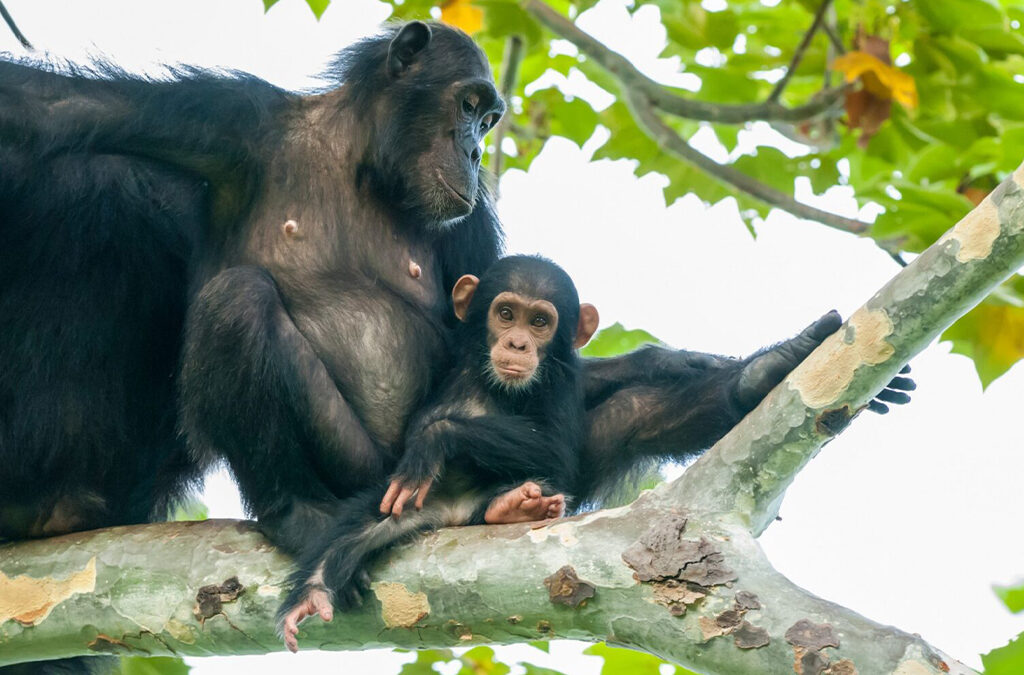
Are you planning a trip to Africa to see chimpanzees but unsure whether to choose Uganda or Rwanda? This is a common question, and the answer depends on what kind of experience you’re looking for. Both destinations offer incredible encounters, yet they differ in terrain, cost, accessibility, and overall experience. Here’s a clear, updated, and human-friendly comparison to help you decide.
Chimpanzee Trekking in Uganda vs Rwanda: The Key Difference
To begin with, Uganda stands out for its accessibility and variety. Kibale Forest National Park, the country’s premier chimpanzee destination, features relatively gentle terrain, making treks easier and more comfortable. In contrast, Rwanda’s Nyungwe Forest National Park is mountainous and steep, which can make trekking more physically demanding.
Because of this, many travelers especially first-time trekkers find Uganda a more relaxed and enjoyable option.
Why Uganda Often Feels Like the Better Choice
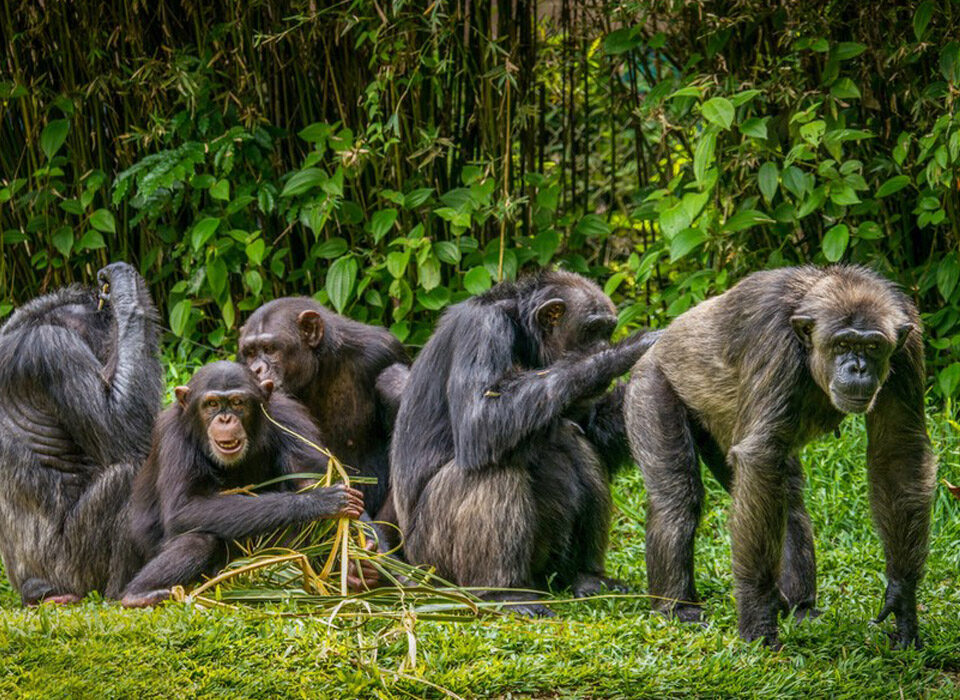
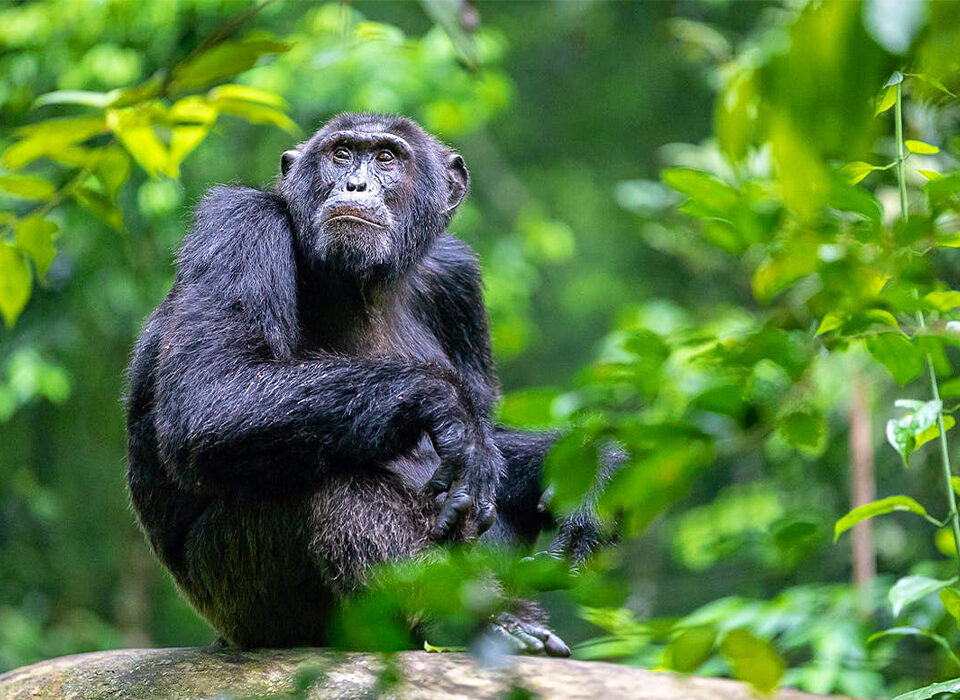
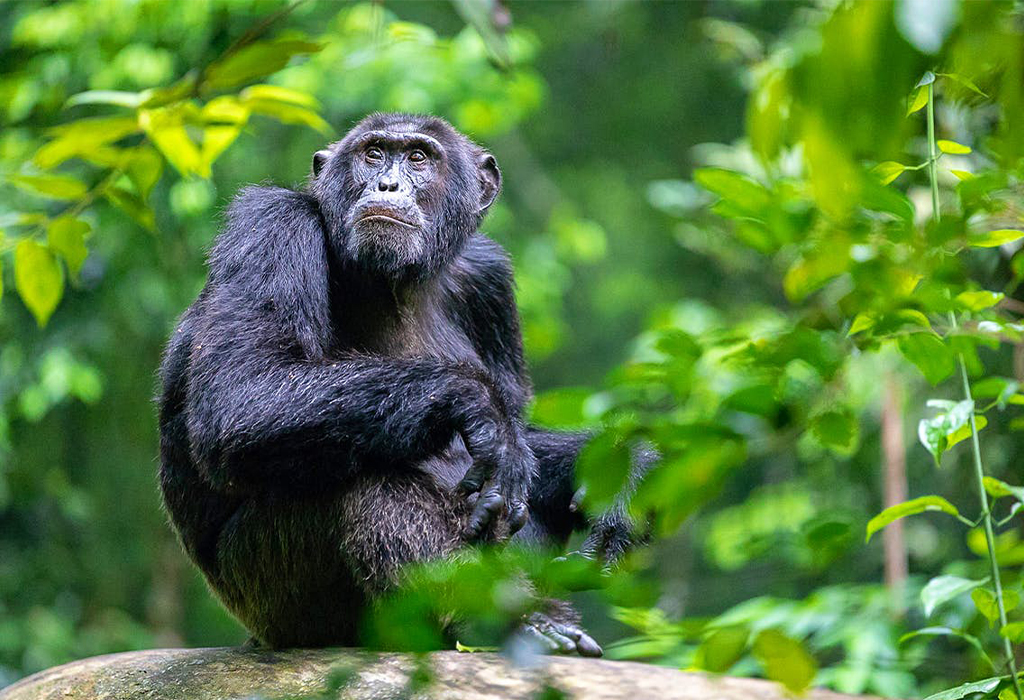
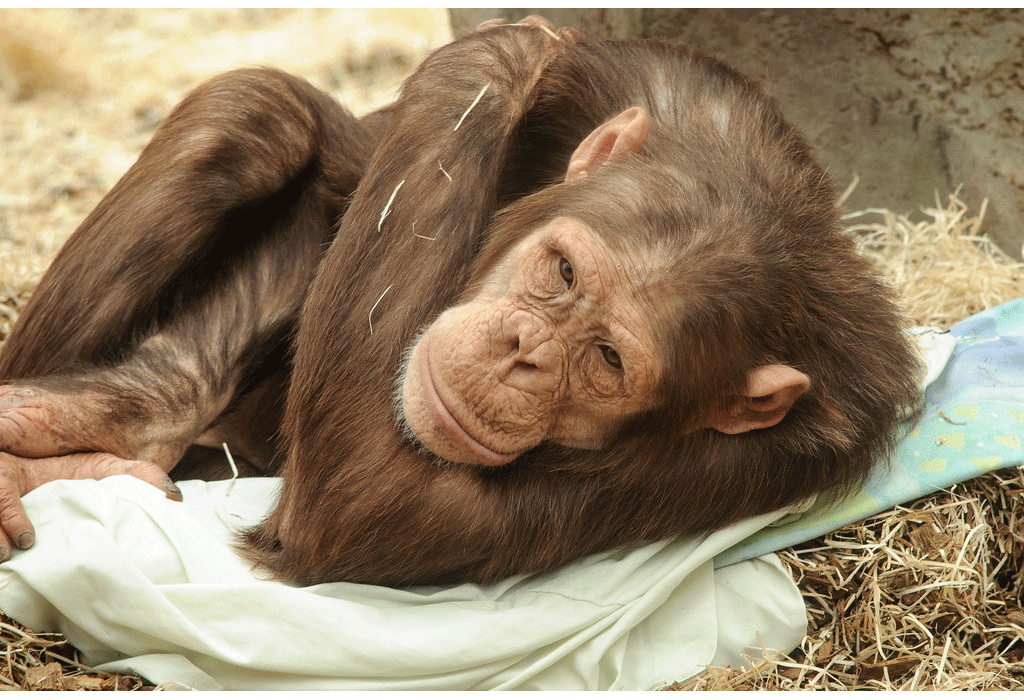
Chimpanzee trekking in Uganda, particularly in Kibale Forest National Park, offers remarkably close and engaging encounters. The chimpanzees here are highly habituated, and their behavior can feel strikingly human. It’s not unusual to watch them groom, play, or even pose in ways that create unforgettable photographic moments.
Moreover, Uganda provides multiple trekking locations. Beyond Kibale, you can also track chimpanzees in Budongo Forest, Kyambura Gorge, and Kalinzu Forest. This variety gives you flexibility in planning and often makes Uganda more budget-friendly overall.
What Makes Rwanda Unique
On the other hand, Nyungwe Forest National Park is one of Africa’s oldest rainforests, and it is undeniably breathtaking. The park is rich in biodiversity and home to about 13 primate species, including chimpanzees and the rare L’Hoest’s monkey.
Although trekking here can be more challenging due to the steep terrain, the experience is still rewarding. In fact, Nyungwe is perfect for travelers who enjoy dramatic landscapes and a more adventurous hiking experience.
Cost Comparison: Uganda vs Rwanda
When it comes to cost, the difference is not as large as many expect. In Rwanda, a chimpanzee permit costs $150, and the park entrance fee is $100, bringing the total to $250. Similarly, chimpanzee trekking in Kibale Forest National Park in Uganda also costs around $250.
However, Uganda often becomes more affordable overall because of its wider range of trekking locations and accommodation options.
Best Time for Chimpanzee Trekking
Chimpanzee trekking in both Uganda and Rwanda is available year-round. Nevertheless, the best time to visit is during the dry seasons, from June to October and December to March.
During these months, trails are easier to navigate, and vegetation is thinner, which improves visibility for photography. Conversely, the wet seasons April, May, and November bring thicker vegetation and muddier trails. That said, chimpanzees tend to stay closer during this time, which can result in shorter treks.
Getting There: Access and Travel
Reaching Kibale Forest National Park in Uganda is relatively straightforward. By road, it takes about 4–5 hours from Kampala or Entebbe via Fort Portal. Alternatively, you can fly from Entebbe or Kajjansi Airfield to Kasese Airstrip and then transfer to the park.
In Rwanda, Nyungwe Forest National Park is about a 5–6 hour drive from Kigali. You can also fly to Kamembe Airport near Rusizi and continue by road to the park.
So, Which Is Better?
Ultimately, chimpanzee trekking in Uganda is often considered the better option for most travelers. It offers easier terrain, more trekking locations, and highly interactive chimpanzee encounters. In addition, it tends to provide better overall value for money.
However, Rwanda is still an excellent choice if you prefer dramatic scenery, a more challenging trek, and a quieter, less crowded environment.
Plan Your Chimpanzee Trek with Experiya Tour Company
Experiya Tour Company specializes in organizing unforgettable chimpanzee trekking experiences in both Uganda and Rwanda. With deep local knowledge and a commitment to sustainable tourism, the company designs safaris that combine wildlife encounters, cultural experiences, and conservation impact.
Whether you want to track chimpanzees in Kibale Forest or explore the ancient rainforest of Nyungwe, Experiya Tour Company ensures a seamless and memorable journey. You can also combine chimpanzee trekking with gorilla trekking, Big Five safaris, mountain hiking, boat cruises, and cultural tours across East Africa.