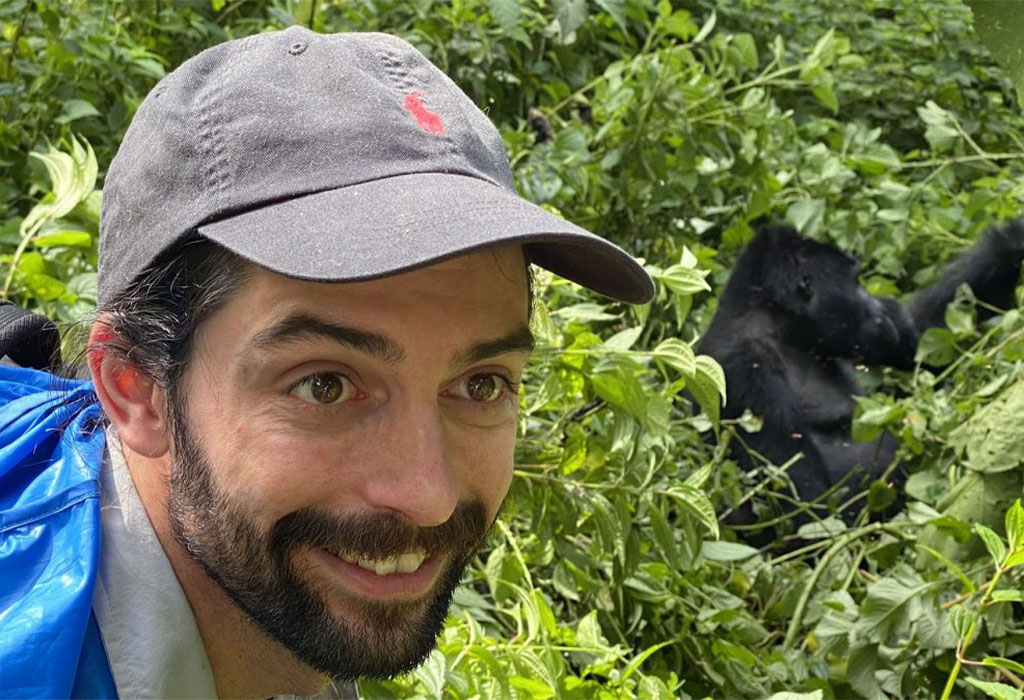

Can You Upgrade to a Gorilla Habituation Experience in Uganda?
March 30, 2026
What Happens on Gorilla Trekking Day in Uganda?
March 31, 2026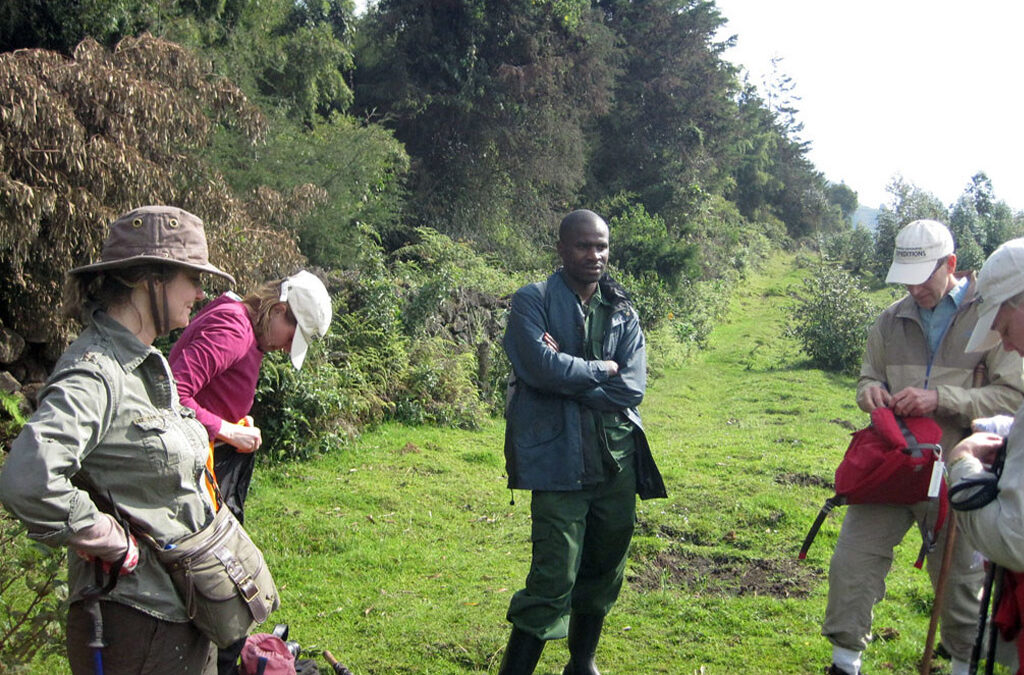
The answer is simple: yes. The pre-trek briefing is not just necessary it is mandatory. More importantly, it forms the backbone of responsible gorilla tourism.
Before you step into the forest, experienced park rangers conduct this session at the park headquarters. They use it to prepare you for what lies ahead, protect endangered mountain gorillas, and ensure your safety throughout the trek. In fact, if you miss the briefing no matter the reason you will not be allowed to join the trek, even if you hold a valid permit.
In many ways, this briefing transforms what could be an unpredictable wildlife encounter into a safe, respectful, and deeply meaningful experience.
Legal and Administrative Importance
First and foremost, the briefing serves as a legal requirement set by wildlife authorities in Uganda, Rwanda, and the Democratic Republic of Congo. This is not just routine procedure it is a system carefully developed over decades to protect both visitors and gorillas.
During the session, rangers verify your identity by checking your passport against your permit. This step ensures that only authorized visitors enter gorilla habitats, preventing overcrowding and minimizing stress on gorilla families. At the same time, it confirms that all trekkers meet the minimum age requirement, usually 15 years.
In addition, rangers assign trekking groups to specific gorilla families. They consider your fitness level, current trail conditions, and the location of the gorillas that morning. This organized allocation helps distribute visitors evenly and ensures a smoother, more enjoyable trekking experience.
Health Screening and Disease Prevention
Equally important, the briefing plays a critical role in protecting gorillas from human diseases.
Mountain gorillas share about 98.4 percent of their DNA with humans. Because of this, they are extremely vulnerable to human illnesses. Even a mild cold or flu can be fatal to them.
For this reason, rangers conduct a health check during the briefing. If you show signs of illness such as coughing, flu symptoms, or stomach issues you will not be allowed to trek. While this may feel disappointing, it is essential for conservation.
Rangers also explain hygiene protocols, including maintaining a safe distance, covering your mouth when coughing or sneezing, and following all health guidelines throughout the trek.
Safety in a Challenging Environment
Gorilla trekking takes place in dense forests with steep slopes, slippery trails, and high altitudes. Therefore, the briefing prepares you for these physical challenges.
Rangers describe what to expect muddy paths, thick vegetation, and long hours of hiking. With this information, you can better prepare yourself mentally and physically. For example, you may decide to hire a porter, which can make a significant difference on difficult terrain.
Moreover, the forest is home to other wildlife, including forest elephants and buffalo. Although encounters are rare, rangers explain exactly how to behave if they occur. They also outline emergency procedures and establish a clear chain of command, ensuring everyone knows how to respond in any situation.
Understanding Gorilla Behavior and Rules
Perhaps the most important part of the briefing focuses on how to behave around gorillas.
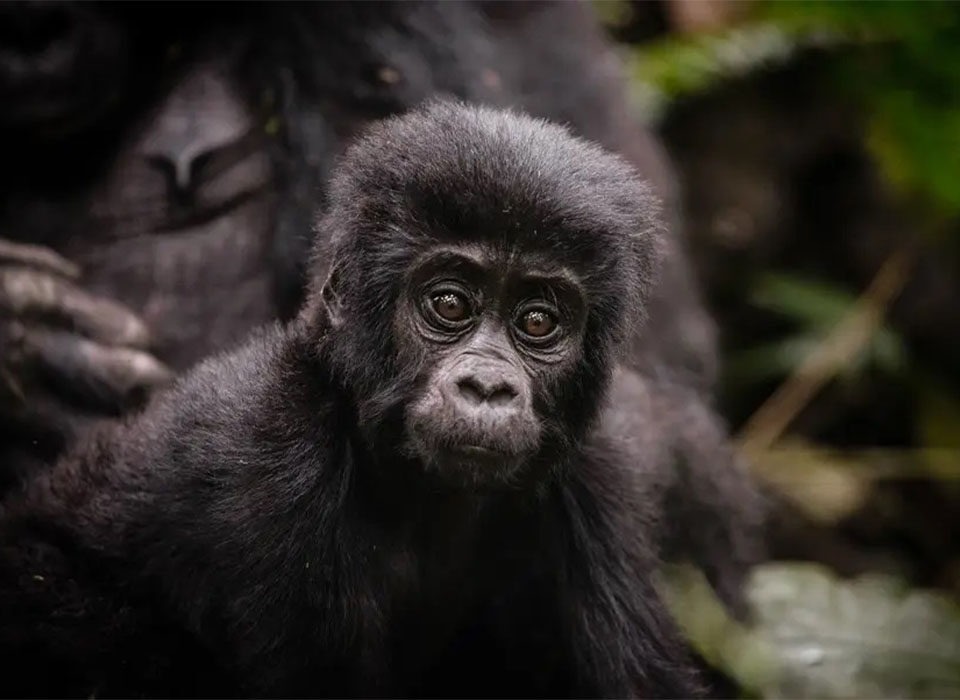
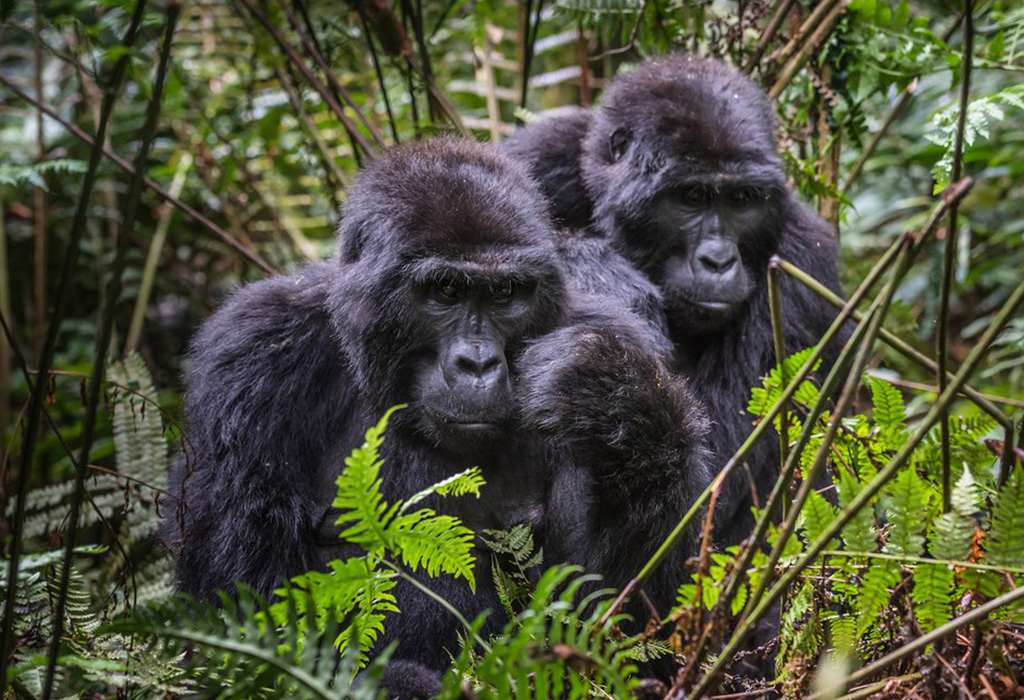
Rangers explain gorilla social structures, including the role of the dominant silverback, the behavior of mothers and infants, and how gorillas communicate. This knowledge helps you understand what you are seeing and respond appropriately.
They also emphasize strict rules. You must keep a minimum distance of about 10 meters (32.8 feet) from the gorillas. However, since gorillas move freely, they may come closer. If that happens, you should remain calm and still.
In addition, you must avoid direct eye contact, sudden movements, loud noises, and flash photography. These actions can stress or provoke the animals.
If a gorilla approaches or shows signs of aggression, rangers instruct you to crouch, lower your gaze, and stay still. Although this may feel unnatural, it prevents escalation and keeps everyone safe.
Finally, the one-hour viewing limit is strictly enforced. This rule helps reduce stress on the gorillas and allows them to continue their natural behaviors undisturbed.
Conservation Awareness and Ethical Responsibility
Beyond safety and rules, the briefing gives you a deeper understanding of conservation.
Rangers share the story of mountain gorillas from near extinction in the 1980s to a population of over 1,000 today. This recovery stands as one of conservation’s greatest success stories.
They also explain how your permit contributes directly to conservation. A large portion supports anti-poaching efforts, veterinary care, and habitat protection, while another portion benefits local communities.
As a result, your trek becomes more than a personal adventure. It becomes part of a broader effort to protect one of the world’s most endangered species.
At Experiya Tour Company, we always emphasize this connection, helping travelers appreciate the true impact of their journey.
Practical Guidance for the Trek
Finally, the briefing covers essential logistical details.
Rangers update you on trail conditions, weather, and the expected difficulty of your trek. They also explain porter services and how they can assist you along the way.
In addition, they discuss practical matters such as bathroom protocols, since there are no facilities in the forest. Knowing this in advance helps you prepare properly.
The session usually ends with a chance to ask questions. This moment allows you to clarify any concerns and feel fully ready before heading into the park.
Final Thoughts
In the end, the pre-trek briefing is far more than a formality. It is the foundation of a safe, respectful, and unforgettable gorilla trekking experience.
It protects the gorillas, prepares you for the journey, and ensures that every encounter remains ethical and sustainable. Without it, gorilla tourism simply would not work.
So when you attend that early morning briefing, remember protect one of the planet’s most extraordinary species.