
Top 10 Must-See Destinations in Rwanda
May 5, 2026
Discover Nyamirambo Women’s Centre in Kigali City, Rwanda
May 5, 2026Women’s Empowerment in Tourism in Uganda

The Growing Role of Women in the Tourism Sector
Women across Uganda participate in diverse areas of tourism, and their presence continues to expand steadily. They work in hospitality, guiding, conservation, travel planning, and cultural promotion. At the same time, many women run small and medium-sized tourism businesses that serve both domestic and international travelers.
Moreover, women bring unique perspectives that enhance customer experience and service delivery. Their strong communication skills, attention to detail, and cultural knowledge often create more personalized and memorable travel experiences. Consequently, their contribution strengthens the overall quality of Uganda’s tourism industry.
In addition, women now take on leadership roles that were once dominated by men. They manage lodges, lead tour operations, and influence decision-making processes. This shift clearly shows that the industry is moving toward gender balance and equal opportunity.
Community Tourism as a Pathway to Empowerment
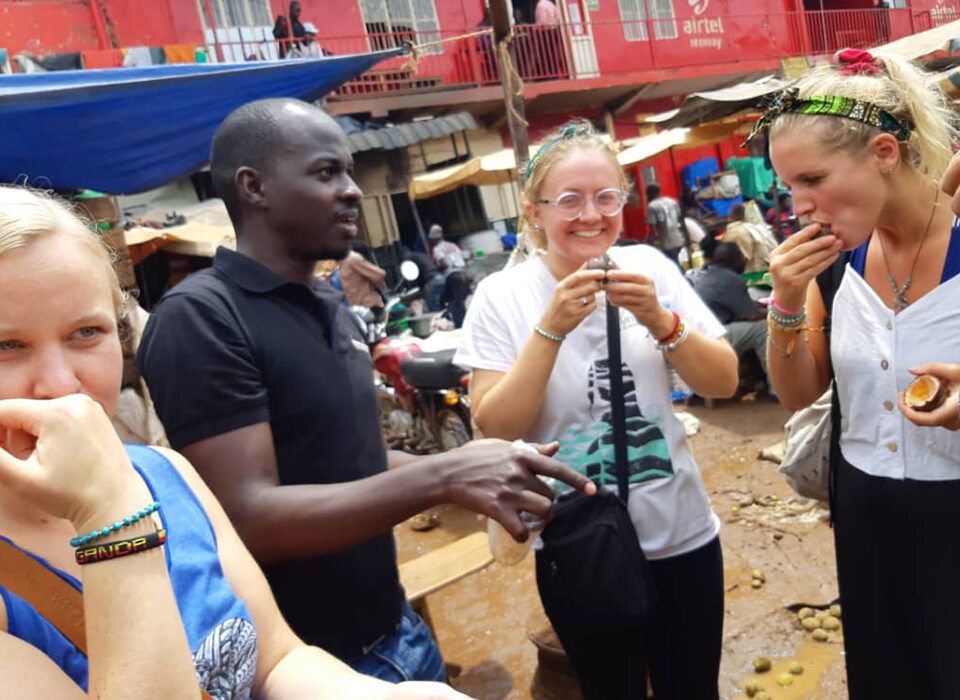
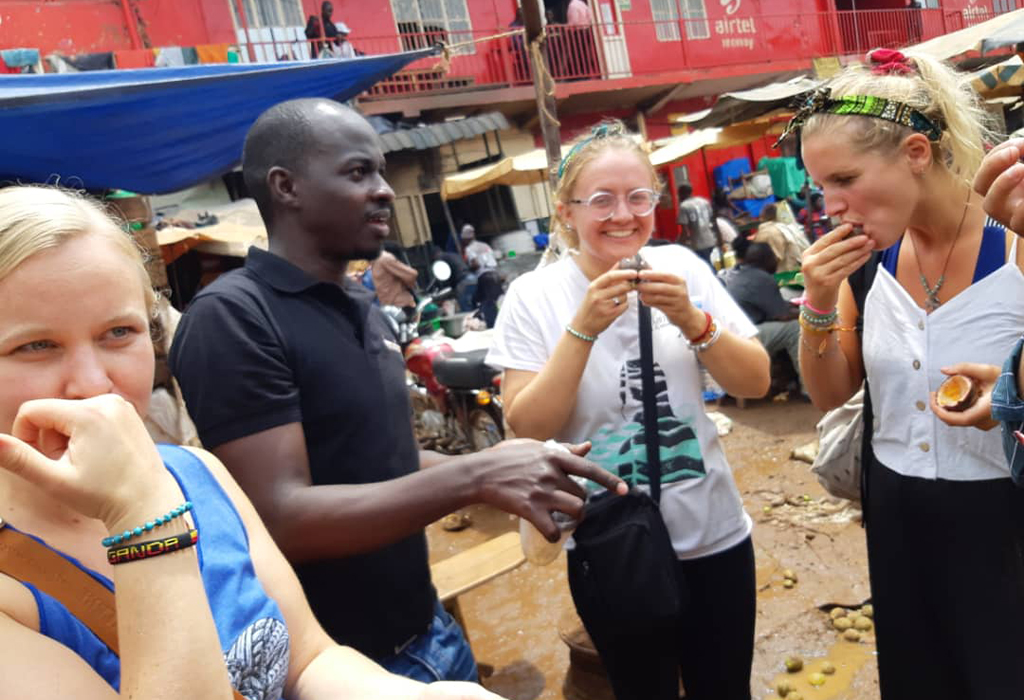
Community-based tourism has become one of the most effective ways to empower women in Uganda. Through this approach, women directly engage with visitors by offering cultural experiences, local cuisine, storytelling, and handmade crafts. These interactions not only generate income but also create a sense of pride and ownership.
For instance, many rural women host guests in their homes, providing authentic experiences that travelers increasingly seek. As a result, they earn sustainable incomes while maintaining their cultural identity. Furthermore, these opportunities reduce dependency and encourage self-reliance.
At the same time, initiatives led by the Experiya tour company connect women to tourism markets. By working closely with communities, the company supports women through training, mentorship, and access to travelers. This collaboration ensures that women do not remain on the margins but instead become central players in tourism development.
Examples from National Parks in Uganda
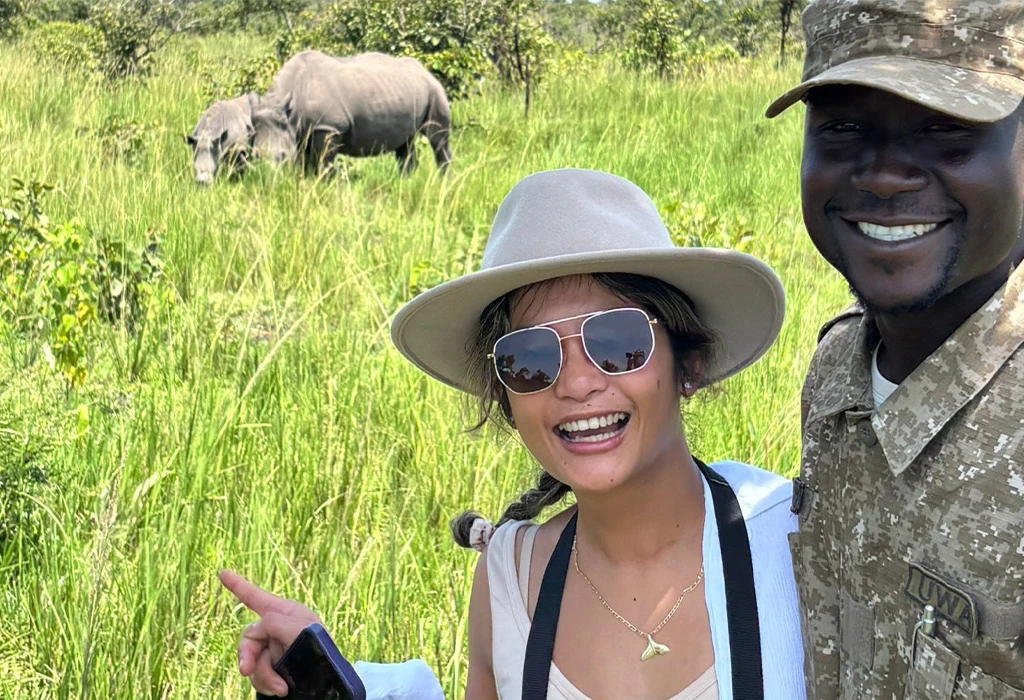
Across Uganda’s national parks, women continue to play a visible and impactful role in tourism activities. In Bwindi Impenetrable National Park, women work as guides, porters, and conservation educators during gorilla trekking experiences. Many also participate in community projects such as craft-making and cultural performances, which provide additional income alongside park tourism.
Similarly, in Queen Elizabeth National Park, women engage in boat cruise operations, hospitality services, and community tourism initiatives around the Kazinga Channel. They sell handmade crafts, prepare local meals for visitors, and share traditional stories that enrich the safari experience.
In Murchison Falls National Park, women actively participate in lodge management, guiding services, and conservation awareness programs. Some women lead community tours in nearby villages, where visitors learn about local lifestyles, agriculture, and traditions.
Additionally, in Kibale National Park, women contribute to chimpanzee tourism by working in eco-lodges, guiding forest walks, and participating in research support roles. Many also engage in sustainable farming and craft businesses that benefit from tourism traffic.
These examples clearly demonstrate how national parks serve as key platforms for women’s empowerment. Tourism activities in and around these parks create direct employment and business opportunities for women, allowing them to benefit from Uganda’s natural heritage.
Economic Impact on Women and Communities
Women’s empowerment in tourism has significantly improved household incomes and community well-being. When women earn money, they invest it in essential areas such as education, healthcare, and nutrition. Therefore, the benefits of tourism extend beyond individuals and positively affect entire families.
Additionally, tourism creates opportunities for women to start and grow businesses. Many women now produce crafts, operate small restaurants, manage guesthouses, and provide guiding or cultural services. These ventures not only generate income but also build confidence and independence.
Furthermore, financial empowerment enables women to participate more actively in community decisions. As they gain economic strength, their voices become more influential in shaping local development priorities.
Social and Cultural Transformation
Beyond financial benefits, tourism has played a key role in transforming social attitudes toward women. As women gain visibility and recognition in the industry, communities increasingly value their contributions. This shift challenges traditional gender roles and encourages equality.
At the same time, women actively preserve and promote Uganda’s rich cultural heritage. Through dance, storytelling, crafts, and traditional practices, they share authentic cultural experiences with visitors. Consequently, tourism becomes a platform for cultural exchange and preservation.
Moreover, participation in tourism helps women build confidence and leadership skills. They interact with people from different backgrounds, learn new ideas, and expand their perspectives. This exposure strengthens their ability to adapt and thrive in a changing world.
Challenges Facing Women in Tourism
Despite the progress, women in Uganda’s tourism sector still face several challenges. Limited access to finance remains one of the biggest obstacles. Many women struggle to secure funding to start or expand their businesses, which slows their growth.
In addition, cultural expectations sometimes restrict women’s participation in certain roles or leadership positions. Balancing family responsibilities with professional work can also create pressure, especially in rural areas.
Furthermore, access to education and training opportunities is not always equal. Without proper skills development, some women find it difficult to compete in a rapidly evolving tourism market. However, ongoing support from the Experiya tour company continues to address these gaps by offering practical training and capacity-building programs.
The Role of Training and Capacity Building
Training plays a crucial role in strengthening women’s position in tourism. When women acquire skills in customer service, business management, marketing, and digital tools, they become more competitive and confident.
Experiya tour company actively supports this process by organizing workshops and mentorship programs. Through these initiatives, women learn how to manage businesses effectively, attract clients, and deliver high-quality services. As a result, they improve both their income and professional growth.
Additionally, training encourages innovation. Women begin to explore new ideas such as eco-tourism, cultural experiences, and personalized travel packages. This creativity not only benefits their businesses but also enriches Uganda’s tourism offerings.
The Future of Women’s Empowerment in Tourism
Looking ahead, the future of women’s empowerment in tourism in Uganda appears promising. With continued support, women will play an even greater role in shaping the industry. Increased investment in education, technology, and entrepreneurship will further unlock their potential.
Moreover, sustainable tourism practices will continue to create opportunities for women. As travelers seek authentic and responsible experiences, women-led initiatives will gain more recognition and demand.
At the same time, partnerships with the Experiya tour company will remain essential. These collaborations ensure that women receive the resources, exposure, and support they need to succeed.
Conclusion
Women’s empowerment in tourism in Uganda has become a powerful force for change. Women are no longer passive participants; instead, they actively lead, innovate, and transform the industry. Their contributions continue to improve economic stability, promote cultural preservation, and drive social progress.
Although challenges still exist, ongoing efforts in training, support, and inclusion are creating a more balanced and sustainable tourism sector. As Uganda continues to grow as a global destination, empowering women will remain key to building a stronger, more inclusive future for tourism.

Related posts