

What It’s Like to Combine Gorilla Trekking and the Batwa Experience in Bwindi
January 26, 2026
Tips for Spotting Lions and Leopards in Uganda
January 27, 2026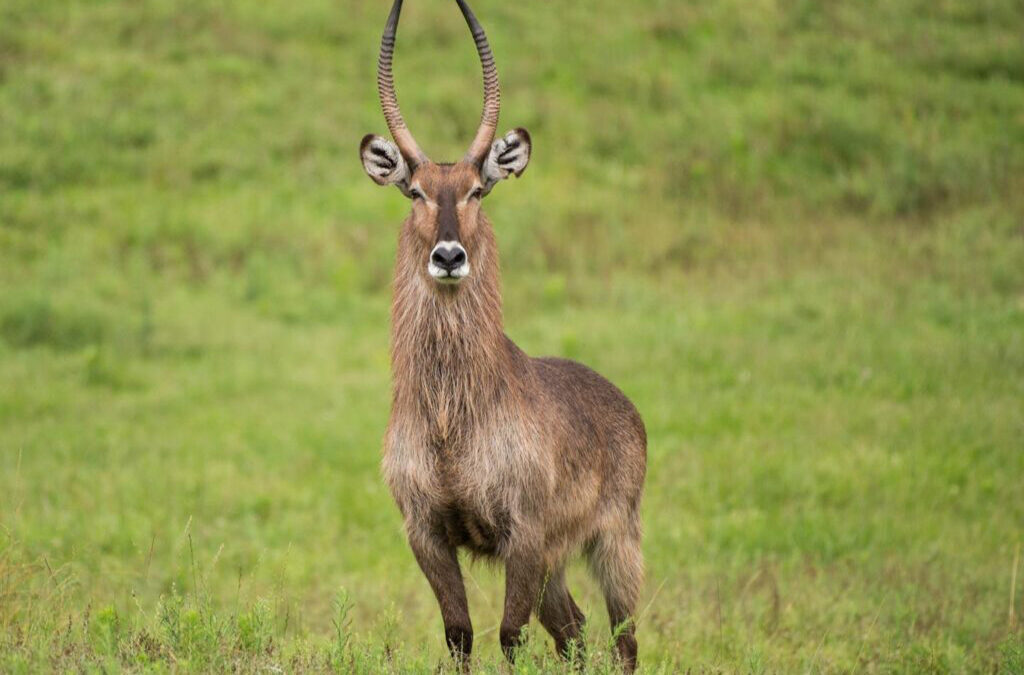
Waterbucks are among the most fascinating antelopes roaming the African wilderness. With their rugged build, striking markings, and strong association with wetlands, these animals have carved out a unique niche in savanna ecosystems. If you’ve ever explored Africa’s national parks with Experiya Tour Company, chances are you may have spotted these impressive antelopes grazing peacefully near rivers or lakes.
Let’s take a closer look at what makes waterbucks so special.
A Life Tied to Water
As their name suggests, waterbucks have a deep connection with water. Unlike many other antelope species that can survive in drier areas, waterbucks rarely stray far from rivers, lakes, swamps, or marshes. This preference is not just about thirst it’s also about safety and food.
Water provides them with an escape route from predators such as lions and wild dogs. When threatened, waterbucks will often dash into the water, where they feel more secure. Additionally, the lush vegetation near water sources offers a constant supply of fresh grasses, making these areas ideal feeding grounds.
Because of this dependency, waterbucks are commonly seen in wetlands and floodplains across East and Southern Africa.
A Distinctive and Memorable Appearance
One of the first things you’ll notice about a waterbuck is its sturdy, almost shaggy appearance. These are large antelopes, with males weighing up to 300 kilograms. Their coats range from grayish-brown to reddish-brown, blending perfectly with dry grasslands and woodland edges.
However, the most iconic feature of the waterbuck is the white ring around its rump. This bold marking looks almost like a target and serves as a visual signal, especially when the herd is on the move. In tall grass or low light, this white ring helps calves follow their mothers and allows herd members to stay together.
In the wild, where losing sight of the group can be dangerous, this simple marking plays a crucial role in survival.
Social Life and Herd Structure
Waterbucks are highly social animals, and their group dynamics are both fascinating and complex. Typically, females and their young form stable family herds. These groups are cooperative and protective, with strong bonds between members.
Meanwhile, adult males often live very different lives. Mature bulls are usually territorial and prefer to live alone, defending areas that offer good grazing and access to females. Younger males, on the other hand, may form bachelor groups where they practice sparring and build strength before challenging dominant males.
Communication within these groups is subtle but effective. Waterbucks use a mix of grunts, snorts, and body language to signal alarm, assert dominance, or maintain social bonds. This constant communication helps keep the herd alert and coordinated.
Males vs. Females: Clear Differences
Waterbucks display clear sexual dimorphism, meaning males and females look noticeably different. Male waterbucks are larger and more muscular, and they carry long, curved horns that can grow over a meter in length. These horns are powerful weapons used during fights with rival males, especially during the breeding season.
Females, in contrast, do not have horns. Instead, they rely on agility, awareness, and the safety of the herd to protect themselves and their calves. Their smaller size allows them to move quickly through thick vegetation when danger approaches.
These physical differences reflect the different roles each sex plays in ensuring the survival of the species.
Diet: Grazers of the Wetlands
Waterbucks are primarily grazers, meaning grass makes up the bulk of their diet. They prefer medium-height grasses found in moist areas, especially those growing along riverbanks and floodplains.
Because these areas stay green longer than dry savannas, waterbucks often have access to quality food even during dry seasons. Occasionally, they may browse on leaves, but grass remains their main source of nutrition.
As large herbivores, waterbucks play an important ecological role. By grazing, they help control vegetation growth and contribute to the balance of their ecosystems.
A Unique Oily Defense Mechanism
One of the most unusual facts about waterbucks is their natural oily secretion. Their skin produces an oily substance that coats their fur, giving it a slightly greasy texture and a strong musky smell.
While this might not sound appealing, it serves several important purposes. First, the oil helps repel water, allowing waterbucks to move through wetlands and even swim without their coats becoming waterlogged. Second, it offers some protection against biting insects, which are common near water bodies. Finally, it may help with temperature regulation in hot climates.
Interestingly, this oily coating is also the reason predators sometimes avoid waterbucks unless food is scarce the strong smell can make them less appetizing.
Survival Strategies Against Predators
Despite their size, waterbucks still face threats from major predators such as lions, leopards, hyenas, and wild dogs. However, they have several strategies that improve their chances of survival.
Their preference for areas near water is one such strategy, as many predators hesitate to chase prey into deep water. Additionally, waterbucks are strong runners and can deliver powerful kicks if cornered. Living in groups also increases vigilance, as many eyes are always scanning for danger.
Calves are especially vulnerable, so mothers are highly protective and often hide their young in tall grass during the first few weeks of life.
Symbols of Africa’s Wetland Wilderness
Waterbucks are more than just another antelope species they are symbols of Africa’s rich, water-fed landscapes. Their presence signals healthy wetlands and thriving ecosystems. Watching a herd of waterbucks grazing peacefully at sunset, with birds calling and hippos grunting nearby, is one of those classic safari scenes that stays with you forever.
For travelers exploring Africa’s national parks, sightings of these elegant antelopes add depth to the wildlife experience. They remind us that survival in the wild is all about adaptation, cooperation, and harmony with the environment.
Final Thoughts
In many ways, waterbucks embody resilience. From their social bonds and specialized diet to their remarkable oily coating and strong swimming ability, every aspect of their biology is linked to life near water.
Their story is a powerful example of how animals evolve to match their environment. And for anyone lucky enough to encounter them in the wild, waterbucks offer a deeper appreciation of the delicate balance that sustains Africa’s breathtaking natural world.
