Can You Visit Gorillas in Uganda Without a Permit?
April 10, 2026
Romantic Picnic Spots in Rwanda for a Honeymoon Safari
April 11, 2026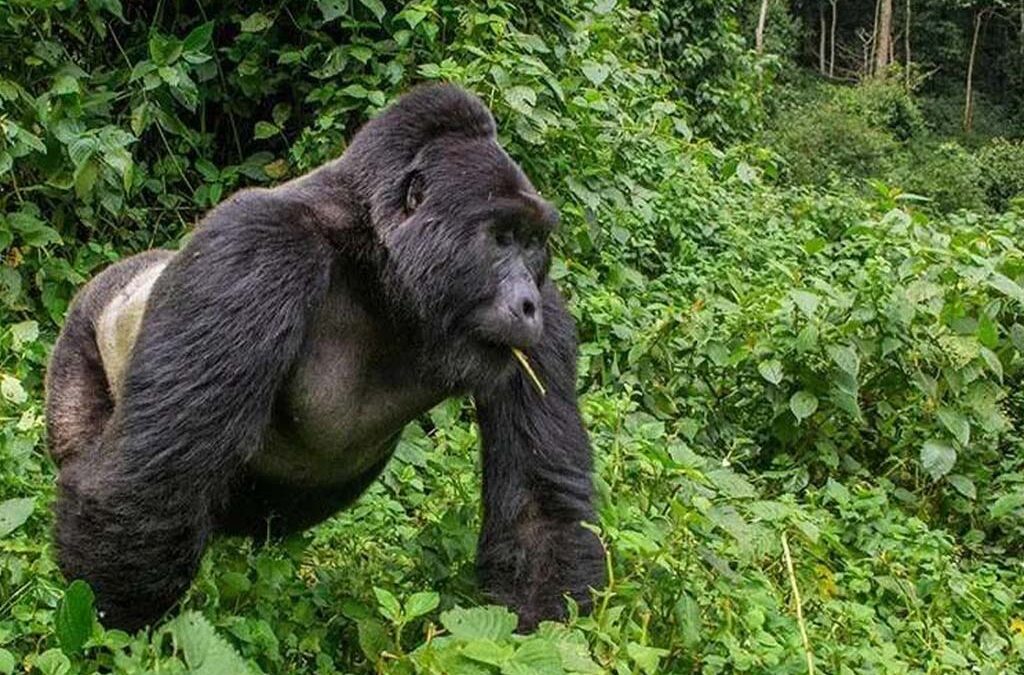
Gorilla trekking in Uganda stands out as one of the most remarkable wildlife experiences in the world. This East African nation protects nearly half of the global population of mountain gorillas, offering travelers a rare chance to observe these incredible primates in their natural rainforest home. Beyond the adventure itself, every trek supports long-term conservation and community development, making the experience both meaningful and unforgettable.
Uganda: A Global Stronghold for Mountain Gorillas
Uganda plays a vital role in protecting mountain gorillas, one of the world’s most endangered species. Bwindi Impenetrable National Park alone shelters over 500 individuals, making it one of the most important gorilla habitats on the planet. With the total global population estimated at just over 1,000, Uganda’s conservation success is nothing short of extraordinary.
These gorillas thrive mainly in Bwindi and Mgahinga Gorilla National Park, both surrounded by thick, mist-covered forests and steep terrain. Mgahinga also forms part of the larger Virunga Conservation Area, which stretches across Uganda, Rwanda, and the Democratic Republic of Congo. Because of this transboundary protection, gorilla families move freely across borders, which helps maintain genetic diversity and supports their long-term survival.
Conservation That Directly Benefits Wildlife and People
Uganda has turned gorilla tourism into a powerful conservation tool. The gorilla trekking permit system generates essential revenue that funds anti-poaching patrols, habitat protection, and scientific research. Rangers work tirelessly to secure gorilla families from threats such as illegal hunting and forest encroachment.
At the same time, conservation programs restore damaged habitats and protect the biodiversity of these ancient forests. Research teams also monitor gorilla health and behavior, using real-time data to guide conservation decisions and improve protection strategies.
Local communities benefit as well. Many residents work as guides, rangers, trackers, and porters, while others support tourism through hospitality services. As a result, gorilla trekking creates sustainable livelihoods and strengthens local support for conservation efforts.
Why Health Safety Matters in Gorilla Trekking
Mountain gorillas share about 98% of their DNA with humans, which makes them highly vulnerable to human diseases. Even a common cold can pose a serious risk to their survival. For this reason, Uganda enforces strict health and safety rules during gorilla trekking.
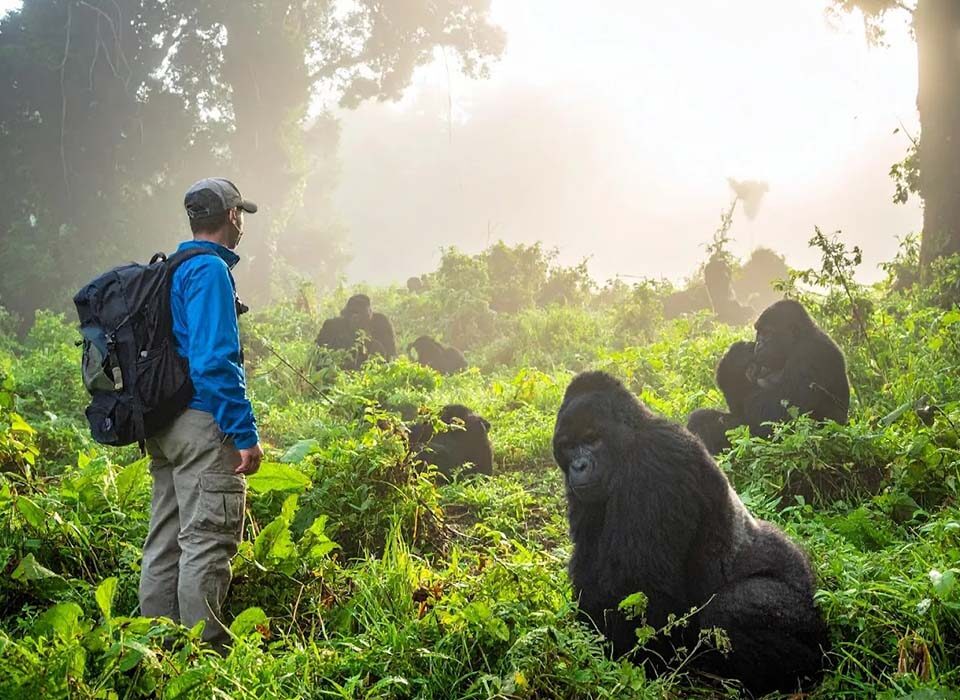
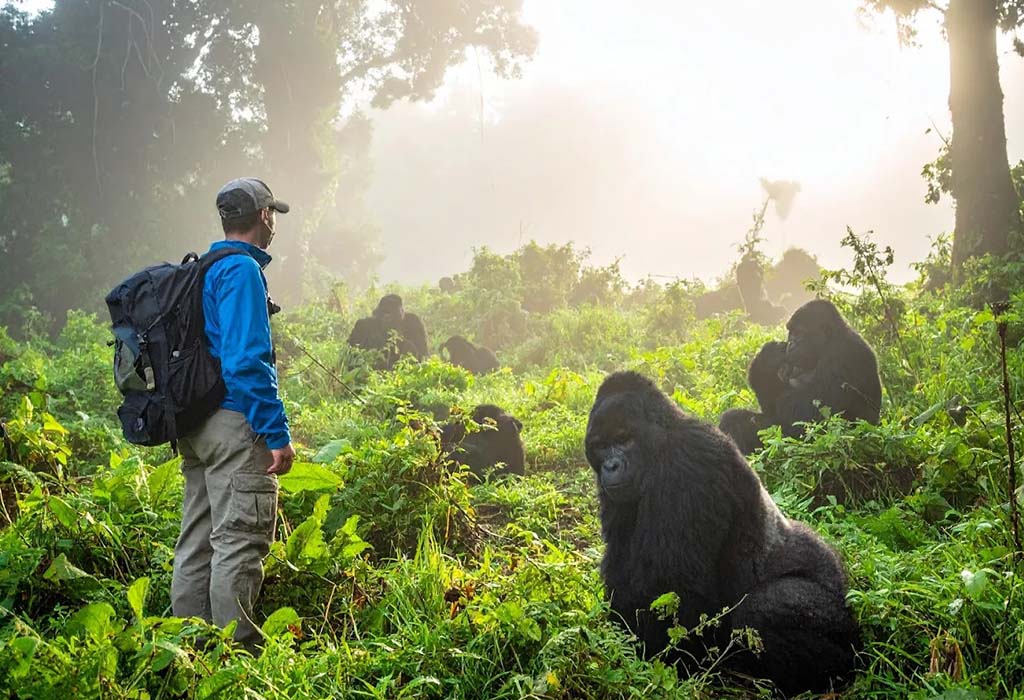
Visitors must maintain a safe distance of at least seven meters from the gorillas. Wearing a face mask is mandatory, especially when near the animals. Before each trek, authorities conduct health checks, and anyone showing signs of illness is not allowed to participate. These measures may feel strict, but they play a critical role in protecting these endangered primates.
Understanding the Behavior of Mountain Gorillas
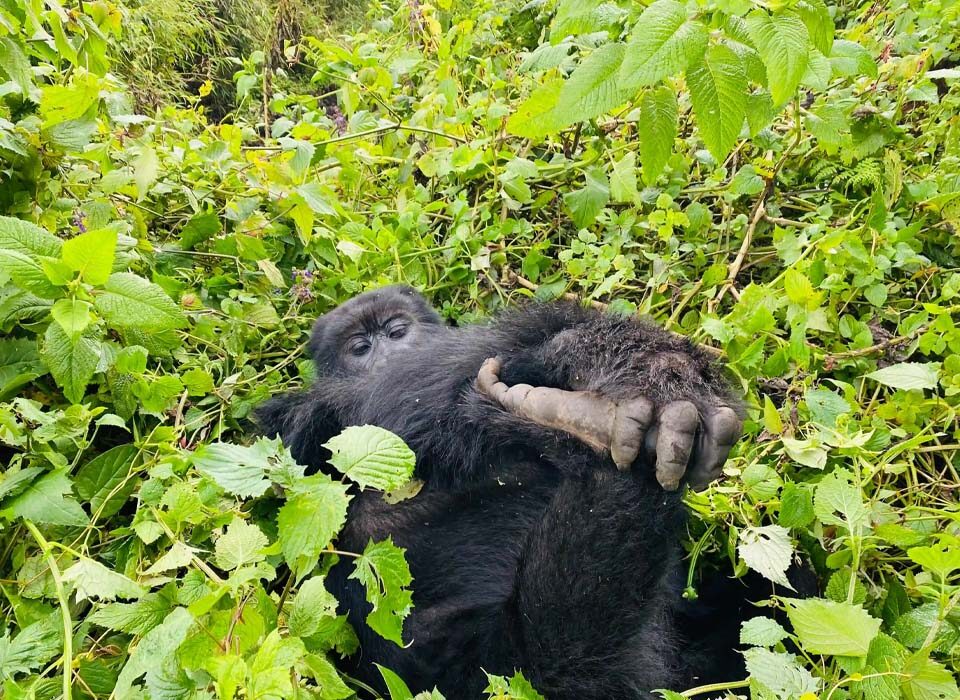
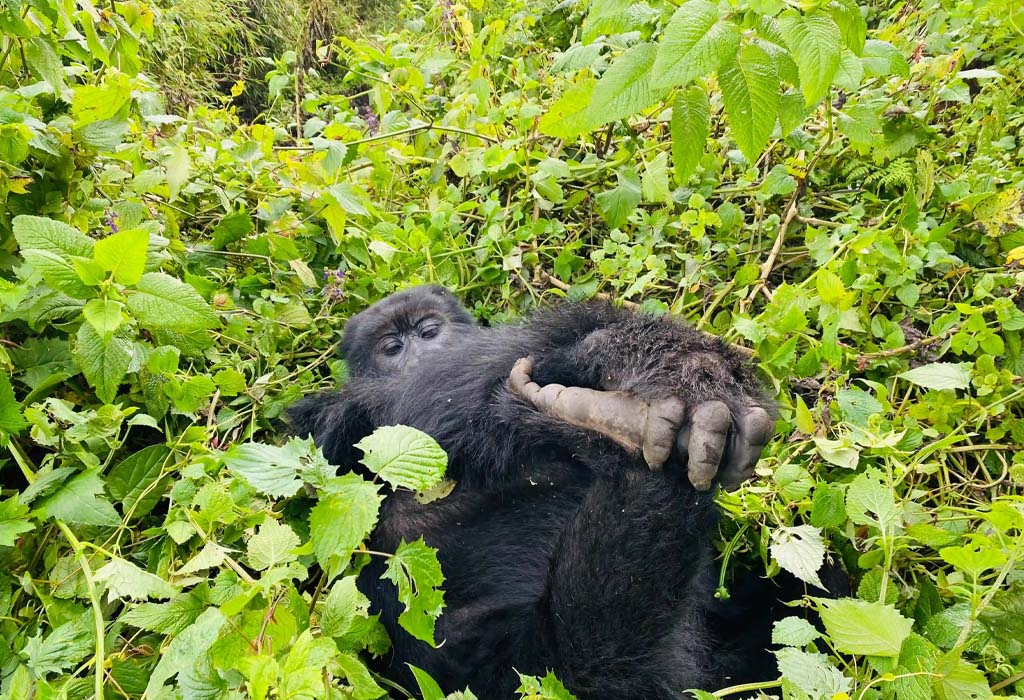
Mountain gorillas are gentle, intelligent, and surprisingly peaceful animals. Unlike their dramatic portrayals in films, they are generally calm and curious when encountering humans. They rarely show aggression unless they feel their family is threatened.
Each gorilla family is led by a dominant silverback male, easily recognized by the silver-gray hair on his back. He guides the group’s movements, protects them from danger, and makes key decisions about feeding and resting. His leadership is central to the survival and stability of the group.
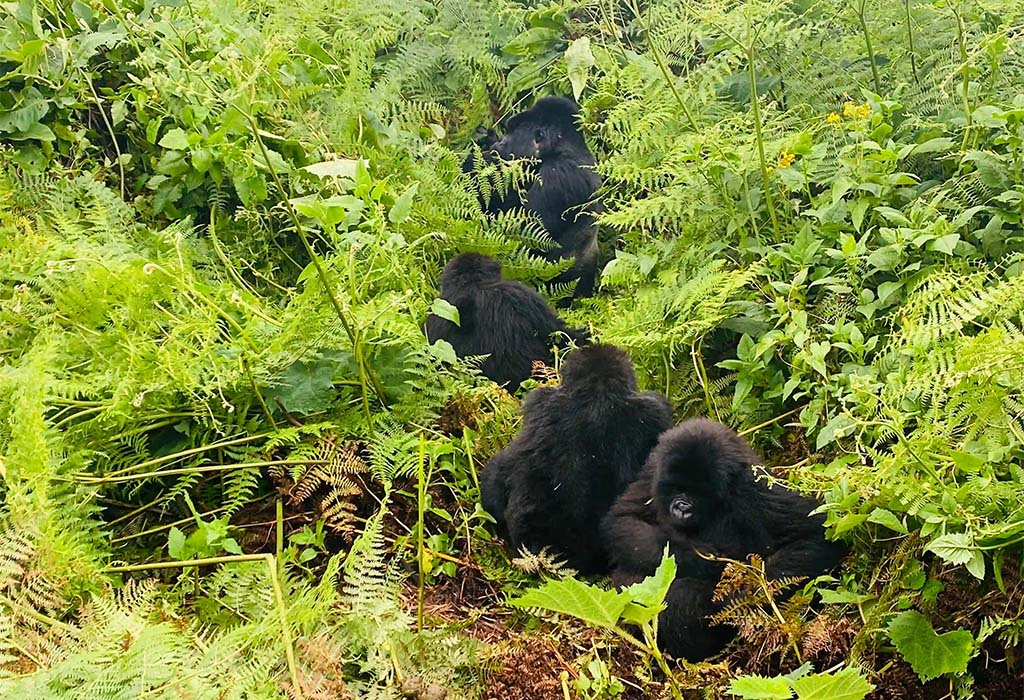
Gorillas live in close-knit family units and follow a simple daily rhythm. Every evening, they build nests on the ground using leaves and branches, then move to new feeding areas the next morning. This constant movement reflects their natural adaptation to the forest environment.
Their diet consists mainly of leaves, shoots, bark, and seasonal fruits. Because of this plant-based diet, they rarely drink water directly, as they obtain most of their hydration from vegetation. While feeding, they also play an important ecological role by spreading seeds throughout the forest, helping to regenerate plant life and maintain biodiversity.
The Gorilla Trekking Experience in Uganda
Gorilla trekking in Uganda offers a unique blend of adventure, challenge, and emotional connection. Trekking routes vary depending on the location of the gorilla families. Some hikes last just 30 minutes, while others may take several hours through steep, muddy, and dense rainforest terrain.
Each gorilla family is visited by a maximum of eight people per day, ensuring a controlled and respectful experience. This limited access reduces stress on the animals while giving visitors an intimate and unforgettable encounter.
Local porters are available to assist trekkers along the way, especially on difficult terrain. Hiring them not only eases the journey but also directly supports local livelihoods.
Once the gorillas are located, visitors spend a maximum of one hour observing them. This short but powerful moment often leaves a lasting emotional impact. Watching them interact, feed, and care for their young creates a deep appreciation for how closely connected they are to humans.
A Life-Changing Wildlife Encounter
Gorilla trekking in Uganda is more than a safari activity—it is a powerful conservation experience. Every step taken through the forest contributes to the protection of these endangered animals and supports the communities that live alongside them.
With every trek organized through responsible operators such as Experiya Tour Company, travelers become part of a global effort to protect one of the planet’s most extraordinary species.