
Explore Uganda’s Living Heritage: The Essential Guide to Cultural Adventures
December 8, 2025
Mgahinga Safari Beyond Gorillas
December 8, 2025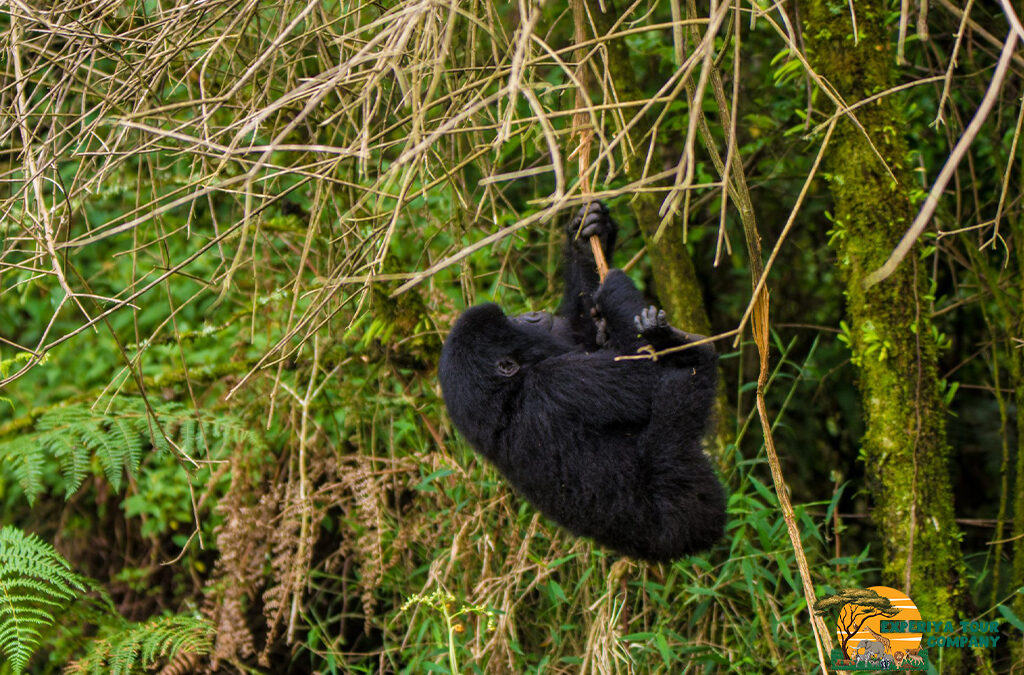
Interesting Facts About Baby Gorillas
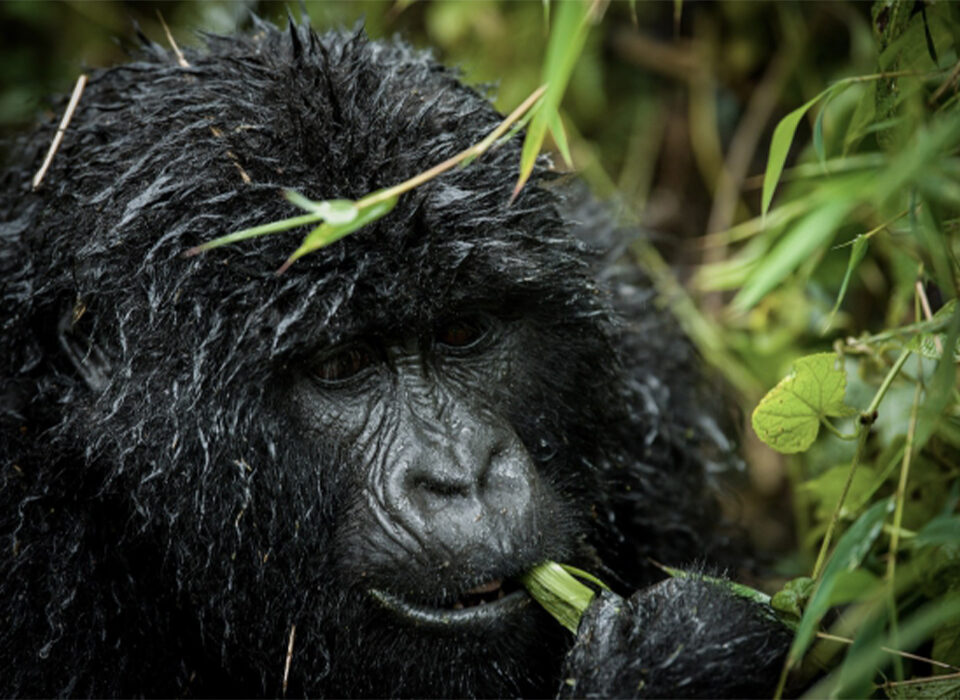
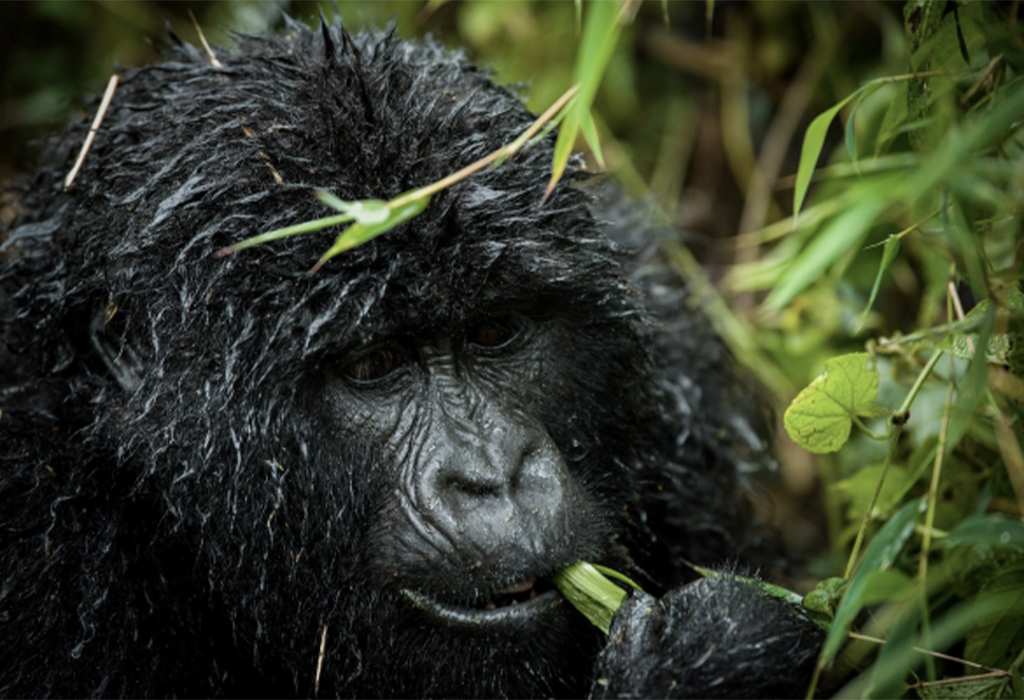
Mountain gorillas captivate the world with their gentle eyes, human-like behavior, and deep family bonds. While adults often steal the spotlight during trekking adventures, their infants are just as fascinating perhaps even more. For many travelers who join Experiya Tour Company on Uganda safaris, witnessing a baby gorilla cling to its mother or tumble playfully in the forest is one of the most heart-melting moments of the trek.
Baby gorillas are full of surprises, and understanding their early life gives visitors a deeper appreciation of how extraordinary these Great Apes truly are. Below are compelling facts beautifully explained to help you see why baby gorillas continue to intrigue primate lovers worldwide.
They Are Tiny, Fragile, and Surprisingly Light at Birth
The first thing that shocks most people is how small a newborn gorilla actually is. At birth, a baby gorilla weighs between 1.4 and 1.8 kilograms, far lighter than the average human baby. Their bones and muscles are fragile, and during the first weeks of life, they depend completely on their mothers for warmth, safety, and mobility.
Even with this small starting point, they grow remarkably fast. In fact, gorillas mature much quicker than humans. Female gorillas typically reach sexual maturity at around 10 years, while males take a little longer, reaching maturity at around 13 years. By adulthood, their weight and strength are astonishing.
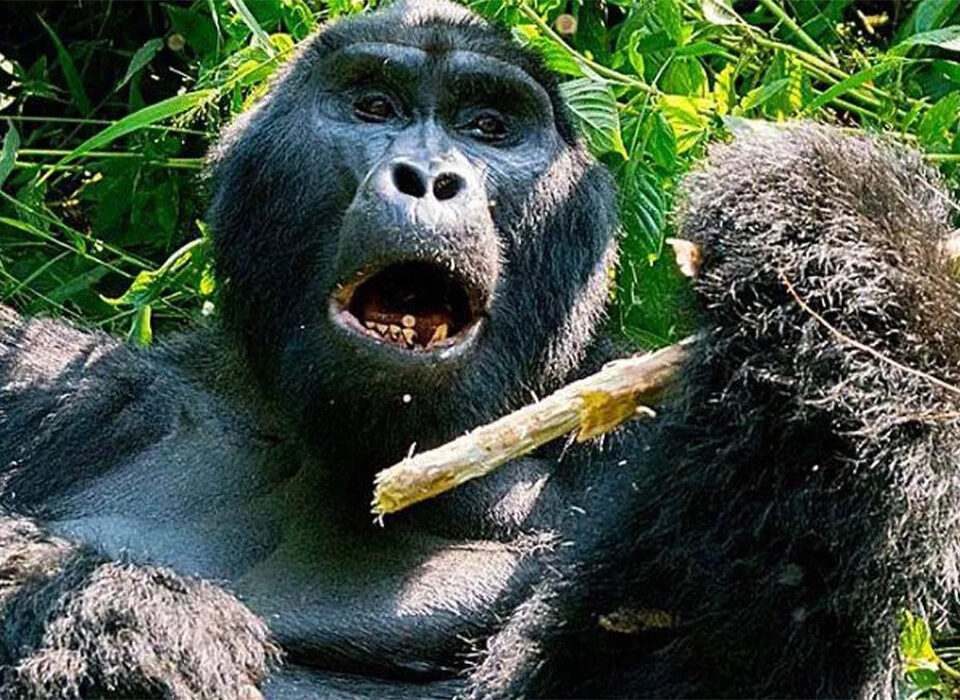
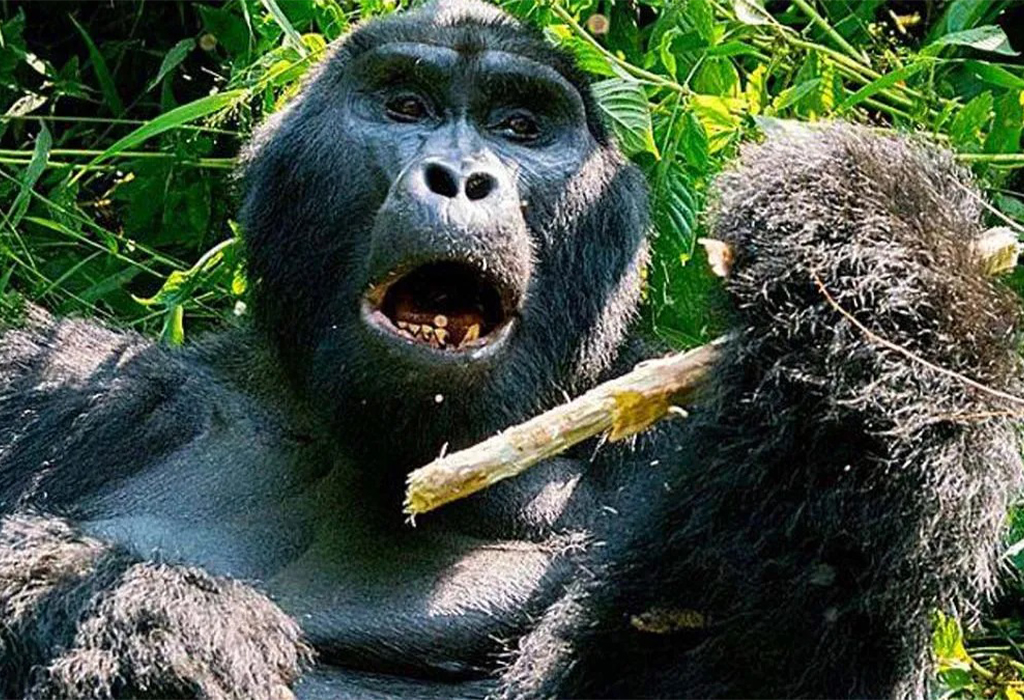
A mature female gorilla weighs between 90 and 113 kilograms, while a male gorilla especially a silverback can weigh between 135 and 220 kilograms, nearly twice the weight of an average adult human. Experiya Tour Company guides often explain this contrast during trekking, giving visitors a deeper sense of awe when they observe the massive silverbacks watching over their families.
They Maintain Close Physical Contact with Their Mothers for Months
In the gorilla world, touch is everything. Newborn gorillas rarely leave their mother’s arms during the first five to six months of life. This intense physical closeness helps ensure their survival, especially in the dense forests of Uganda where predators, slippery terrain, and harsh weather can put an infant at risk.
During these months, the mother carries the infant on her chest or back as she travels, feeds, and interacts with the troop. The bond formed during this period is incredibly strong. Even as the baby grows older, this connection continues to influence how it behaves and learns.
By the time the baby reaches three months, it begins to explore more actively, manipulating leaves, climbing over its mother’s body, and testing its tiny strength. At eight months, the infant becomes more adventurous, able to walk and explore several meters away, though it always remains within a safe distance. As months pass, these young gorillas grow braver, especially when encouraged by older siblings who act as playmates and gentle supervisors.
Mothers Are Primary Caregivers, but the Whole Troop Helps
Just like in human communities, raising a baby gorilla takes a collective effort. Although the mother remains the main caregiver, other members of the troop especially juveniles often step in to help. This can involve grooming, playing, or simply keeping an eye on the infant while the mother forages.
However, mothers remain protective and selective about who gets close to their infants, especially during the early months. Mountain gorilla mothers, in particular, often keep curious troop members at a distance until they feel safe enough to allow social interaction.
This shared responsibility strengthens the troop’s social bonds and teaches young gorillas essential skills such as communication, boundaries, and cooperation. It also creates a nurturing environment where the infant grows surrounded by affection, guidance, and constant attention.
Baby Gorillas Do Not Know Their Biological Fathers
One of the most intriguing aspects of gorilla life is that infants grow up without knowing their biological fathers. While scientists can identify fathers through genetic tests and behavioral observations, the gorillas themselves cannot distinguish paternal relationships.
There are several reasons for this. Some gorilla families have multiple silverbacks capable of mating with the mother. In other cases, a mother may have transferred from another troop before giving birth. Consequently, the infant cannot accurately identify its real father.
Interestingly, studies show that baby gorillas spend more time interacting with silverbacks who are not their biological fathers. This observation further supports the belief that infants do not recognize paternal connections in the same way humans do.
Silverbacks Play Surprisingly Gentle and Supportive Roles
Even though infants don’t know their fathers, the dominant silverback often plays a vital role in caring for them. One famous example is Cantsbee, a silverback studied by Dian Fossey, who regularly acted as a “babysitter” for up to six infants while their mothers fed.
Such behavior shows how deeply silverbacks value harmony in their troop. Their presence reassures infants and discourages aggression from other group members. Blackbacks young males who have not yet reached full maturity also tend to engage affectionately with infants. Studies even reveal that blackbacks who spend significant time playing with or watching over infants have a high chance of becoming successful fathers later in adulthood.
Baby Gorillas Hum and Sing When They Feel Content
One of the most adorable facts about baby gorillas is their ability to hum and sing when they feel satisfied especially during or after a good meal. Visitors sometimes witness this charming behavior during gorilla trekking sessions with Experiya Tour Company.
These soft, rhythmic sounds resemble gentle humming and are often accompanied by relaxed body language. Interestingly, this behavior is not limited to babies. Adult gorillas also hum and sing, particularly when feeding on their favorite plants or fruits. It seems that gorillas, like humans, cannot hide their joy when enjoying delicious food.
Twin Births Are Rare but Possible
While gorillas usually give birth to one infant at a time, there have been rare cases of twins, similar to humans. However, twin births are challenging for gorilla mothers because caring for two fragile infants simultaneously demands enormous energy and constant vigilance.
A gorilla’s gestation period lasts about 8.5 months, and because of the long nursing period, females generally give birth every three to four years. A typical female may raise up to six babies in her lifetime. Male gorillas, on the other hand, can sire as many as 20 offspring, though they rarely know which ones belong to them.
Why These Facts Matter for Conservation and Tourism
Understanding baby gorillas adds depth to every trekking experience. When travelers observe infants playing, nursing, or clinging to their mothers, they witness the delicate beginnings of a species still recovering from decades of threats.
Through conservation efforts and responsible tourism like the carefully managed treks offered by Experiya Tour Company these gentle giants continue to thrive in Uganda’s forests. Every sighting of a baby gorilla represents hope for the future of mountain gorillas worldwide.