

A Close Encounter with Mountain Gorillas in Rwanda
January 29, 2026
Gorilla Trekking in Congo: A Wild and Authentic Adventure
January 29, 2026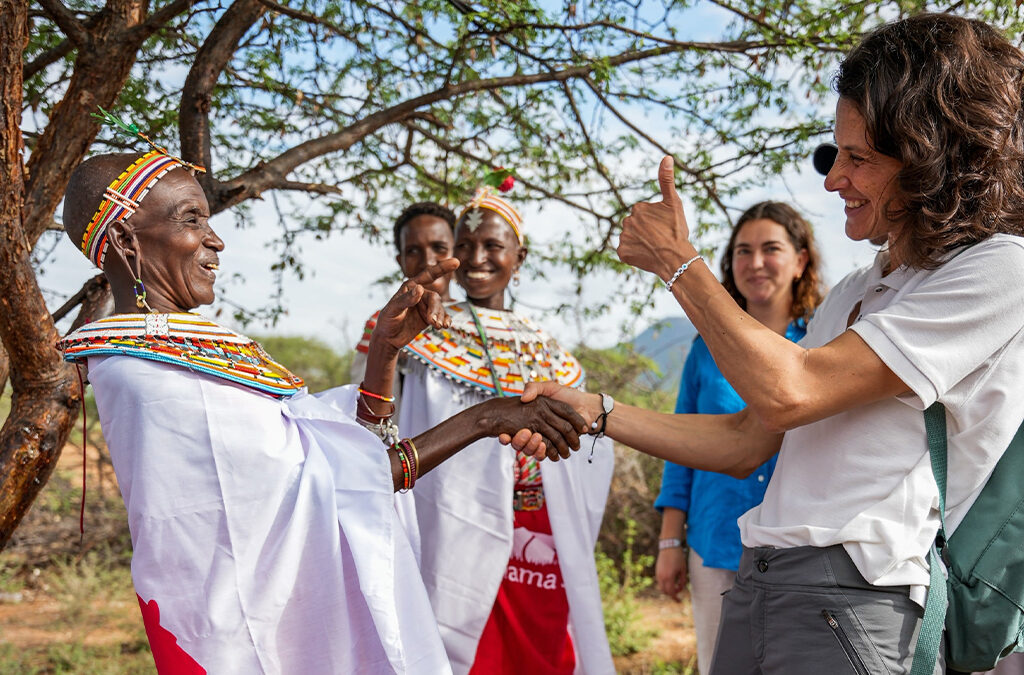
Tourism in Kenya is more than just game drives and stunning sunsets. When planned intentionally, it can become a powerful engine for wildlife protection, community livelihoods, and habitat restoration. Every park fee, lodge night, guided walk, and cultural visit can channel funds directly into conservation efforts on the ground.
This guide explains how tourists can fund local conservation projects in Kenya while enjoying an unforgettable safari experience. It also includes a practical, conservation-focused itinerary, the best time to visit, and clear ways travelers can make a visible, lasting impact.
Understanding Conservation-Based Tourism in Kenya
Kenya has developed a unique conservation model that blends national parks, community conservancies, private reserves, and local initiatives. Tourists play a central role because tourism revenue directly supports ranger salaries, wildlife monitoring, schools, health clinics, and habitat protection.
When visitors choose conservation-led experiences, their spending becomes a tool for protection rather than a pressure on fragile ecosystems.
Local conservation projects in Kenya focus on areas such as:
- Wildlife protection
- Human-wildlife coexistence
- Habitat restoration
- Anti-poaching education
- Community development
Tourism funds these efforts through park fees, conservancy levies, accommodation charges, guided activities, cultural experiences, and voluntary contributions.
How Tourist Spending Directly Funds Conservation
Tourists contribute to conservation in many ways:
- Park entry fees collected in national parks support wildlife protection, infrastructure, and ranger operations.
- Conservancy fees in community and private reserves are even more direct, as they are shared with local landowners and reinvested in the community.
- Lodge stays generate employment while a portion of revenue often funds conservation programs.
- Guided activities walking safaris, birding tours, cultural visits, and night game drives are usually operated by locals whose livelihoods depend on healthy ecosystems.
Additionally, choosing lodges that support community projects, employ local staff, buy local produce, or invest in renewable energy amplifies your impact. Many conservancies even allocate a fixed per-guest contribution per night to both conservation and community development, making every stay meaningful.
Community Conservancies: The Heart of Conservation Impact
Community conservancies are among Kenya’s most effective conservation models. Local landowners manage their land for wildlife in exchange for tourism revenue and lease payments, reducing habitat loss and creating incentives to protect wildlife.
Examples include:
- Maasai Mara National Reserve buffer zones
- Community conservancies around Amboseli National Park
- Northern Kenya landscapes near Samburu National Reserve
Tourists visiting these areas fund grazing management, wildlife corridors, education bursaries, and ranger patrols simply by being present.
Choosing Conservation-Positive Experiences
To maximize impact, tourists should:
- Prioritize conservancies over crowded parks
- Choose locally owned or community-partnered lodges
- Book activities led by trained local guides
Staying longer in one region reduces environmental impact while increasing economic benefits. Visiting cultural projects, craft markets, and community farms channels income beyond wildlife tourism alone.
A Conservation-Focused Safari Itinerary in Kenya
Day 1: Arrival in Nairobi
Arrive in Nairobi and stay at an eco-conscious hotel that supports urban conservation and local employment. Visit conservation education centers to understand Kenya’s wildlife challenges and successes this sets the stage for responsible travel.
Day 2: Travel to Lewa Conservancy
Drive or fly to Lewa Wildlife Conservancy, a model of conservation funded largely through tourism. Entry and conservancy fees support rhino protection, community education, and healthcare programs. Enjoy an afternoon game drive with a local guide.
Day 3: Conservation Activities in Lewa
Participate in guided walks, visit schools supported by conservancy revenue, and learn about anti-poaching operations. Overnight fees help fund ranger training and equipment.
Day 4: Travel to Samburu Region
Continue north to the Samburu region, staying in a community-partnered lodge where part of your payment goes to land lease fees for local families.
Day 5: Samburu Cultural and Wildlife Experience
Start with a morning game drive, followed by a cultural visit with Samburu elders. Payments for cultural experiences support education and healthcare in local households. End the day with a conservation talk with local rangers.
Day 6: Fly to Maasai Mara Conservancy Area
Travel to a community conservancy bordering the Maasai Mara. Conservancy fees per night fund landowner payments, wildlife monitoring, and predator compensation programs.
Day 7: Maasai Mara Conservation Safari
Enjoy game drives with guides trained by conservancy programs. Visit a women-led beadwork cooperative supported by tourism income every purchase reinforces conservation-friendly livelihoods.
Day 8: Travel to Amboseli Region
Journey to the Amboseli ecosystem and stay in a lodge supporting elephant research and water conservation. Enjoy views of elephants and Mount Kilimanjaro while knowing tourism helps protect migration routes.
Day 9: Community Conservation in Amboseli
Take a morning wildlife viewing followed by a community conservation visit focused on human-wildlife coexistence. Learn how tourism funds predator-proof bomas and water projects.
Day 10: Return to Nairobi
Return to Nairobi for departure with a deeper understanding of how your journey funded conservation across multiple landscapes.
Best Time to Visit Kenya for Conservation Impact
The dry seasons, January–March and July–October, offer excellent wildlife viewing and generate the highest tourism revenue, strengthening conservation funding.
Visiting during shoulder seasons, like November and early December, still provides valuable income for conservancies during quieter periods. Even rainy seasons bring lush landscapes, vibrant birdlife, and fewer tourists so your impact is proportionally greater.
Going Beyond Safari Spending
Tourists can further extend their impact by:
- Participating in tree planting, monitoring walks, and educational visits
- Making voluntary donations to specific projects like school classrooms, water tanks, or ranger housing
- Supporting locally made products, crafts, and food
Asking lodges about their conservation partners encourages transparency and accountability.
Transparency and Measuring Impact
Many Kenyan conservancies publish annual reports and project updates. Tourists should ask how funds are allocated and what outcomes have been achieved. Knowing that your stay funded a ranger salary or a school bursary creates a personal connection to conservation.
Long-term impact grows when tourists return, recommend conservation-focused travel to others, and support the same regions over time.
Why Tourist-Funded Conservation Works in Kenya
Tourist-funded conservation works because it aligns economic benefit with environmental protection. Communities that see tangible benefits from wildlife become stewards rather than adversaries. Tourism revenue replaces income from activities that degrade habitats while supporting pride in Kenya’s natural heritage.
Kenya’s success stories show that responsible tourism can sustain wildlife populations, support human development, and preserve landscapes for future generations.
Conclusion
Tourists in Kenya are not just observers they are active participants in conservation. Every choice, from where to stay to which activities to book, determines where money flows. By choosing community conservancies, local guides, and conservation-minded lodges, travelers directly fund wildlife protection, education, healthcare, and sustainable livelihoods.
A well-planned, conservation-focused safari allows visitors to experience extraordinary wildlife while leaving a positive footprint that lasts long after the journey ends.
Contact Experiya Tour Company to book your Kenya safari and learn more about how tourists can fund local conservation projects in Kenya.
