Are Gorilla Permits Included in Combined Safari Packages?
June 1, 2026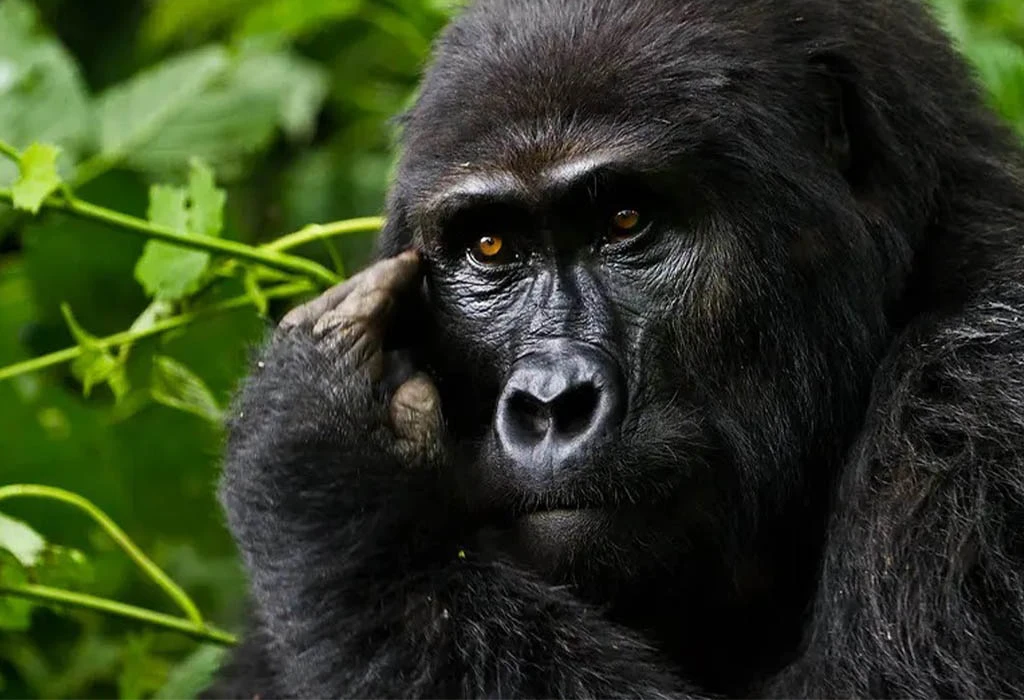
How to See Gorillas in Uganda During the Winter Break
June 1, 2026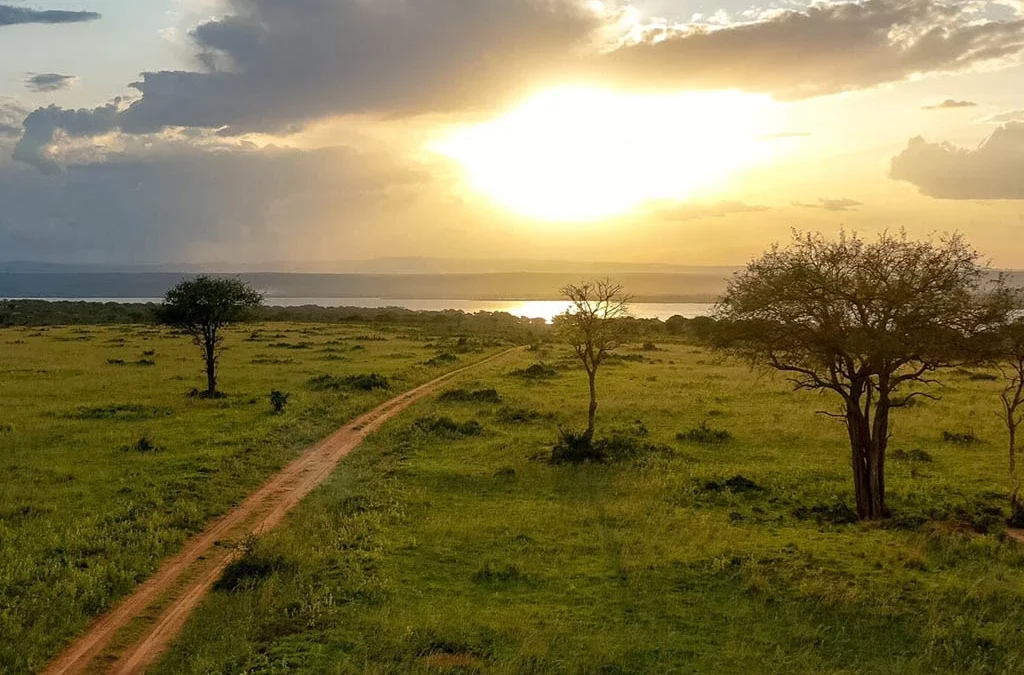
A winter holiday safari to Uganda offers travelers the perfect opportunity to explore the Pearl of Africa during one of the most enjoyable travel seasons of the year. Uganda attracts visitors from around the world with its breathtaking landscapes, welcoming people, diverse wildlife, and unforgettable safari experiences. Whether you dream of trekking endangered mountain gorillas, spotting the Big Five, hiking volcanic mountains, or immersing yourself in authentic African cultures, Uganda provides an adventure for every traveler.
At Experiya Tour Company, we help travelers plan memorable Uganda safaris that combine comfort, adventure, and authentic experiences. Planning your winter vacation carefully allows you to enjoy the country’s beauty without unnecessary stress. From choosing destinations and booking permits to preparing your packing list and understanding travel requirements, every step contributes to a smooth and rewarding safari experience.
Why Choose Uganda for a Winter Safari?
Uganda remains one of Africa’s most rewarding safari destinations because it combines wildlife, culture, scenery, and adventure in one country. Unlike destinations that focus mainly on game drives, Uganda offers a wider range of experiences. Travelers can enjoy rainforest trekking, mountain hiking, cultural encounters, river cruises, birdwatching, and traditional wildlife safaris within a single itinerary.
During the winter holiday season, many travelers visit Uganda to escape cold weather in Europe, North America, and other regions. Uganda’s tropical climate creates pleasant conditions for outdoor adventures, especially from December to February. The weather during this period usually remains warm and sunny, making it ideal for safaris and photography.
Additionally, Uganda hosts more than 1,000 bird species, several primate species, and iconic African wildlife. Visitors can encounter mountain gorillas in Bwindi Impenetrable National Park, chimpanzees in Kibale Forest, tree-climbing lions in Queen Elizabeth National Park, and large elephant herds in Murchison Falls National Park.
Choosing the Best Safari Destinations in Uganda
The first step in planning your winter safari involves selecting the destinations you want to explore. Uganda features ten national parks, several wildlife reserves, mountain ranges, lakes, forests, and cultural regions. Because the country offers so many attractions, identifying your interests helps narrow down your options.
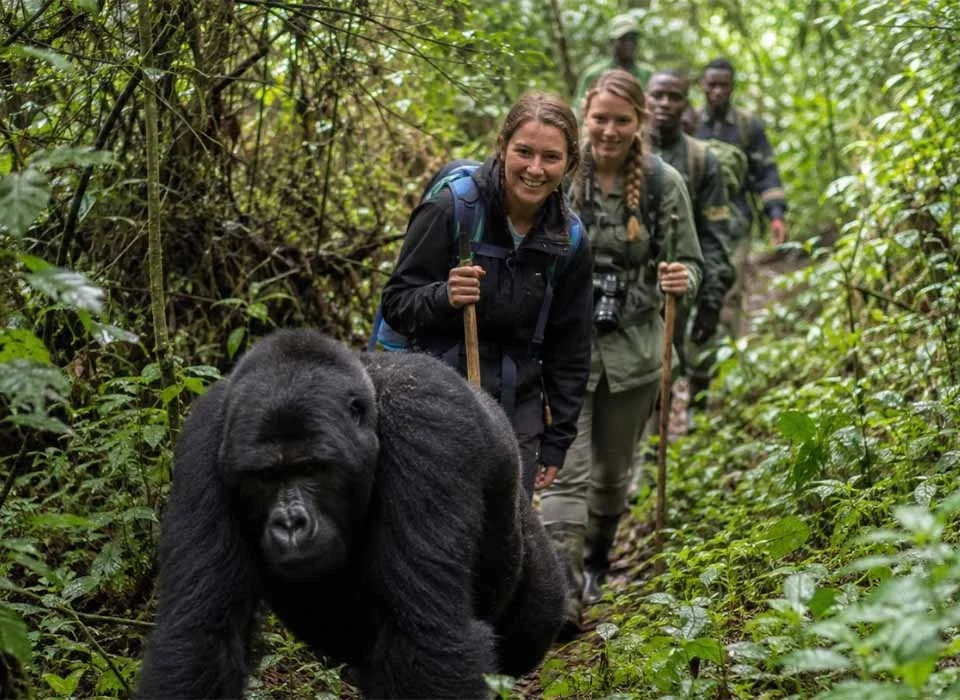
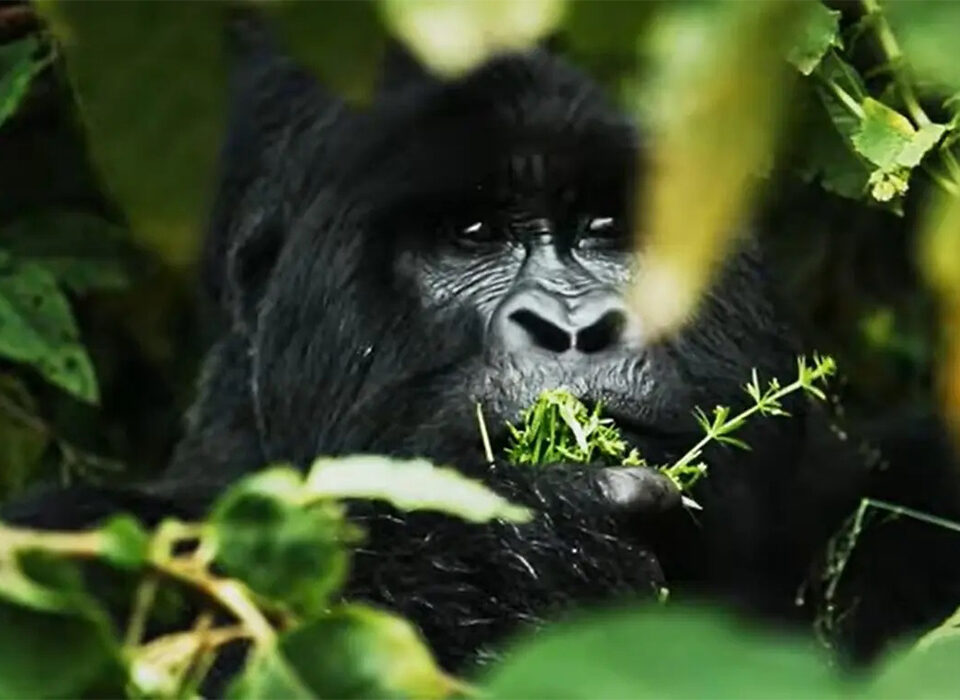
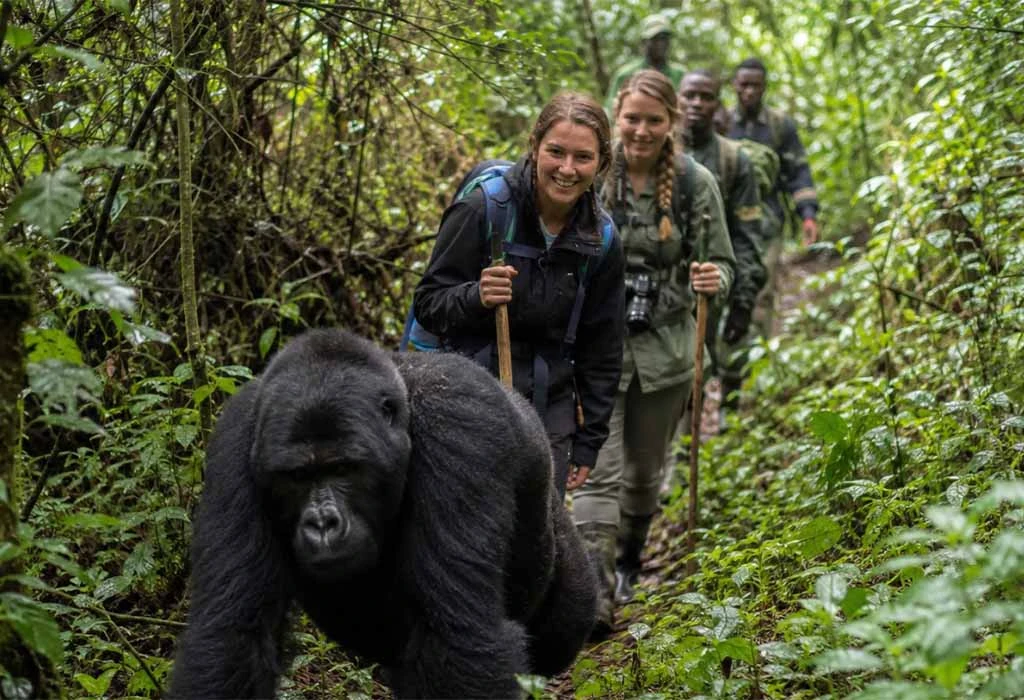
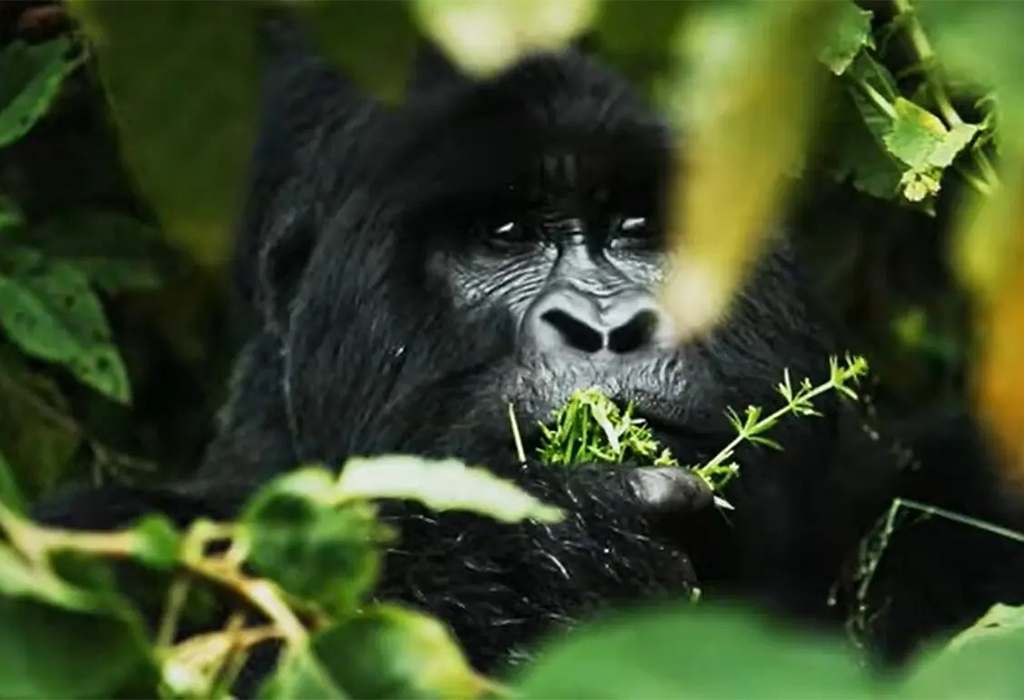
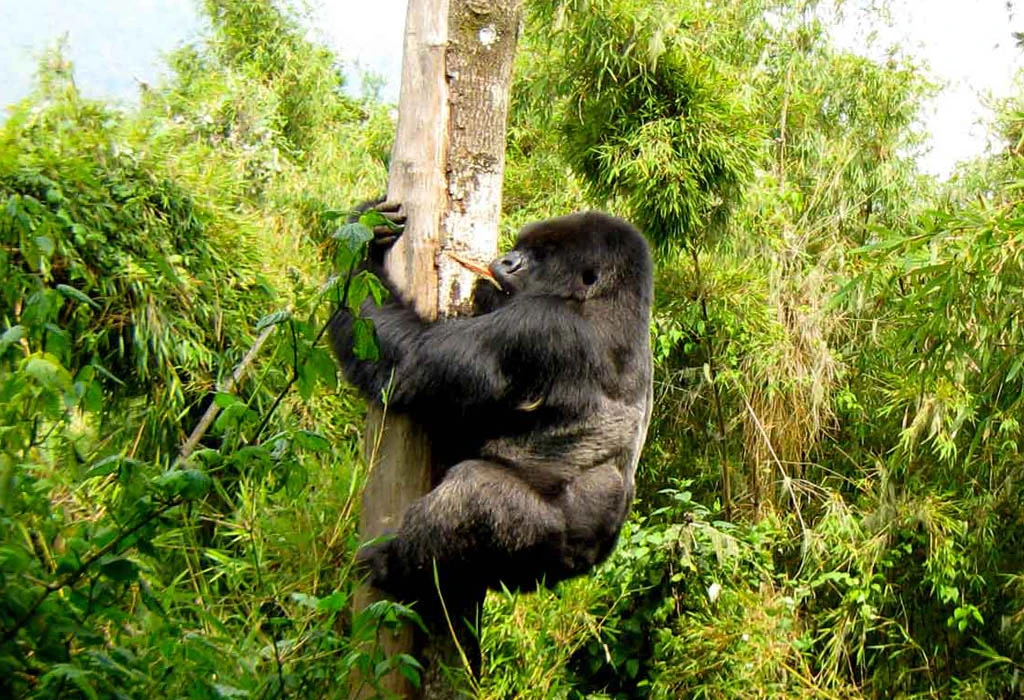
Travelers interested in gorilla trekking usually visit Bwindi Impenetrable National Park or Mgahinga Gorilla National Park. These parks provide once-in-a-lifetime encounters with endangered mountain gorillas in their natural rainforest habitat. Gorilla trekking remains Uganda’s most famous safari activity and attracts thousands of visitors every year.
If chimpanzee trekking interests you, consider visiting Kibale National Park, which contains one of Africa’s highest concentrations of primates. Other excellent chimpanzee destinations include Budongo Forest, Kyambura Gorge, Kalinzu Forest, and Kaniyo Pabidi.
For traditional wildlife safaris and game drives, Uganda offers several remarkable savannah parks. Murchison Falls National Park provides spectacular waterfalls, boat cruises along the Nile River, and abundant wildlife viewing. Queen Elizabeth National Park combines classic game drives with crater lakes, birdlife, and tree-climbing lions. Meanwhile, Kidepo Valley National Park delivers remote wilderness experiences and dramatic landscapes, while Lake Mburo National Park offers excellent walking safaris and zebra sightings.
Travelers seeking adventure can also explore Uganda’s mountain regions. The Rwenzori Mountains, often called the Mountains of the Moon, provide challenging hikes and snow-capped peaks. Mount Elgon in eastern Uganda offers scenic trekking trails, waterfalls, and caves. In southwestern Uganda, the Virunga volcanoes create excellent hiking opportunities around Mgahinga National Park.
Deciding the Best Time to Visit
After selecting your destinations, the next step involves deciding when to travel. Uganda experiences two major seasons: the dry season and the rainy season. The dry seasons normally occur between June and September and from December to February, while the rainy seasons appear from March to May and again from October to November.
Most winter travelers visit Uganda between December and February because the weather remains favorable for safaris, trekking, and photography. During this period, roads inside national parks usually stay accessible, and hiking trails become easier to navigate.
However, winter also marks one of Uganda’s busiest travel periods. Christmas and New Year holidays increase demand for lodges, permits, and transportation. As a result, accommodation prices may rise, and gorilla permits often sell out months in advance.
To avoid disappointment, Experiya Tour Company recommends booking your safari at least six months before travel, especially if you plan to visit during peak holiday weeks.
Booking Your Uganda Winter Safari
Booking your safari early simplifies your travel experience and guarantees availability for popular activities. Although some travelers prefer independent travel, first-time visitors often enjoy greater convenience and safety by booking through a trusted local tour operator.
A professional tour company handles transportation, accommodation reservations, park permits, activity bookings, and itinerary coordination. This approach allows travelers to focus on enjoying the adventure instead of managing logistics.
At Experiya Tour Company, we organize customized safaris that match different budgets, interests, and travel styles. Whether you prefer luxury lodges, mid-range accommodations, or budget camping experiences, careful planning ensures a smooth and enjoyable holiday.
Understanding Flights and Travel Insurance
Uganda’s main international gateway is Entebbe International Airport (EBB). Before purchasing your ticket, confirm that your airline operates flights to Entebbe. Because international flights to East Africa can become expensive during holiday seasons, early booking often helps travelers secure better rates.
Travel insurance also plays an important role when planning a winter safari. Delayed flights, lost luggage, or medical emergencies can affect any journey. Therefore, purchasing comprehensive travel insurance provides peace of mind throughout your trip.
Your insurance policy should ideally include medical evacuation coverage, especially if you plan to visit remote national parks or participate in mountain hiking activities.
Checking Uganda Visa Requirements
Before traveling to Uganda, verify your visa requirements based on your nationality. Uganda’s immigration regulations may change occasionally, so checking official updates remains important.
Most travelers apply for tourist visas online through Uganda’s immigration website before arrival. Additionally, your passport should remain valid for at least six months beyond your travel dates.
Health requirements also deserve attention before your journey. Uganda commonly requires proof of yellow fever vaccination for entry. Travelers should also consult healthcare professionals regarding malaria prevention, typhoid vaccination, and other recommended immunizations.
Preparing Your Safari Packing List
Packing correctly improves comfort during your Uganda winter safari. Since safari activities involve changing weather conditions and different environments, practical clothing and equipment remain essential.
Lightweight long-sleeved shirts and trousers help protect against insects, sun exposure, and rough vegetation during forest walks. Neutral-colored clothing such as green, brown, or khaki works best because bright colors may disturb wildlife.
Comfortable waterproof hiking boots become especially important for gorilla trekking, chimpanzee tracking, and mountain hiking. A lightweight rain jacket also helps because tropical rain showers can occur unexpectedly, even during dry months.
Travelers should also carry sunscreen, insect repellent, sunglasses, a reusable water bottle, binoculars, cameras, extra batteries, and a flashlight. A small daypack proves useful for carrying essentials during excursions.
Although safari guides usually carry first aid kits, bringing personal medications and basic medical supplies adds extra convenience.
Budgeting for Your Uganda Safari
Creating a realistic travel budget helps travelers manage expenses effectively throughout their safari. Uganda offers luxury, mid-range, and budget travel options, allowing visitors to choose experiences that match their financial plans.
Gorilla permits often represent the largest safari expense, followed by accommodation and transportation costs. Travelers should also budget for tips, souvenirs, drinks, optional activities, and emergency expenses.
Because ATMs remain limited in some remote areas, carrying sufficient cash becomes important. Visitors should exchange money into Ugandan shillings for local purchases and small expenses. Most hotels and lodges accept Visa and Mastercard payments, although informing your bank before traveling helps prevent card restrictions.
Learning About Uganda Before You Travel
Learning about Uganda before your safari enriches the overall travel experience. Understanding local customs, traditions, and history helps visitors connect more meaningfully with communities and destinations.
Uganda contains over 50 ethnic groups, each with unique traditions, languages, music, and lifestyles. Cultural experiences often become some of the most memorable moments during a safari. Travelers can visit traditional villages, cattle communities, craft markets, and historical sites to gain deeper insight into Ugandan life.
For example, visitors near Lake Mburo National Park can interact with Ankole cattle farmers, while travelers around Kidepo Valley may experience the traditions of the Karamojong people. In central Uganda, cultural landmarks such as the Kasubi Tombs provide valuable historical perspectives.
Enjoying Uganda’s Top Safari Experiences
Uganda offers countless safari experiences for nature lovers and adventure seekers. Gorilla trekking remains the country’s most iconic attraction, but travelers also enjoy chimpanzee tracking, wildlife safaris, mountain hiking, birdwatching, cultural tours, and boat cruises.
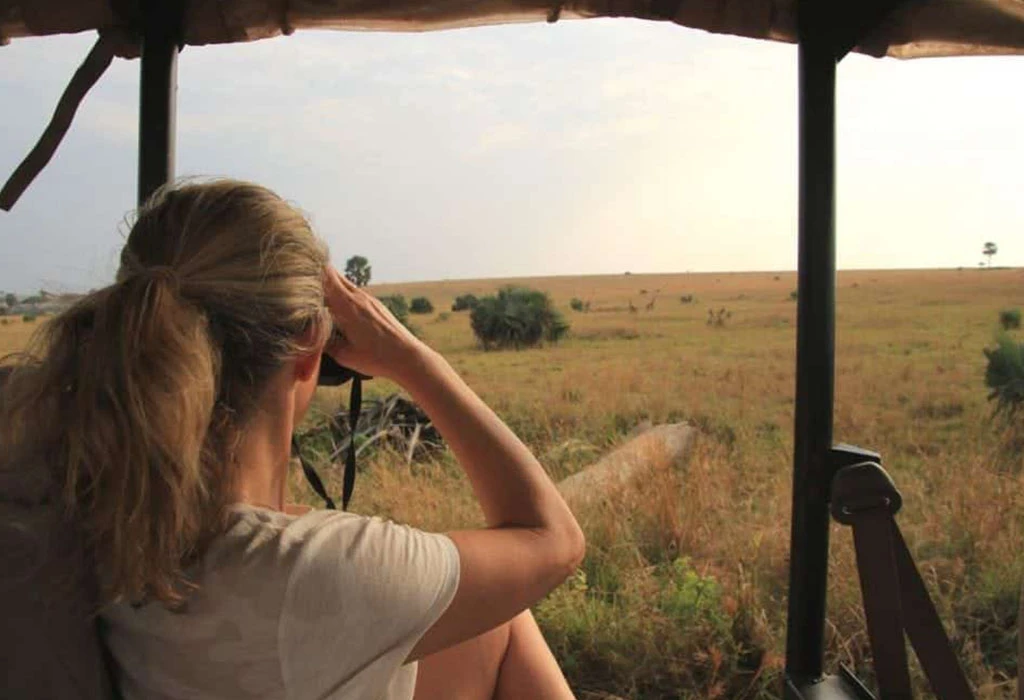
Game drives across Uganda’s savannah parks reveal elephants, buffaloes, lions, giraffes, leopards, antelopes, zebras, and countless bird species. Boat safaris along the Nile River and Kazinga Channel create excellent opportunities to observe hippos, crocodiles, and aquatic birds at close range.
Adventure travelers can challenge themselves by hiking the Rwenzori Mountains or climbing the Virunga volcanoes near Mgahinga National Park. Meanwhile, bird enthusiasts can explore some of Africa’s richest birding habitats across forests, wetlands, and savannah landscapes.
Plan Your Uganda Winter Safari with Experiya Tour Company
Planning a Uganda winter holiday safari becomes easier with expert guidance and local knowledge. From gorilla trekking adventures and wildlife safaris to cultural encounters and mountain expeditions, Uganda delivers unforgettable travel experiences throughout the winter season.
At Experiya Tour Company, we specialize in organizing personalized Uganda safaris that combine comfort, safety, and authentic African adventures. Whether you seek luxury travel, family vacations, photography tours, or budget-friendly safaris, our experienced team can help you create the perfect itinerary.
A well-planned winter safari allows you to experience Uganda’s remarkable beauty, diverse wildlife, and warm hospitality while creating memories that last a lifetime.