

What Is the Difference Between Gorilla Trekking and Gorilla Tracking?
January 7, 2026
Most Popular Foods to Try on a Rwandan Safari
January 8, 2026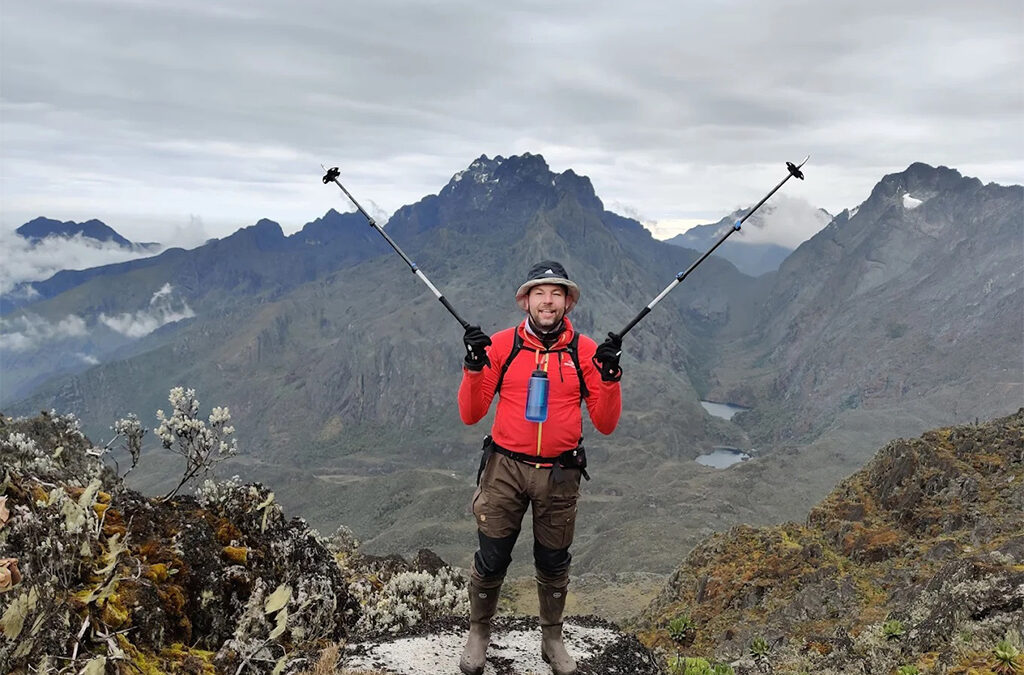
Choosing the right trekking route in the Rwenzori Mountains sets the tone for your entire adventure. Whether you dream of standing atop Margherita Peak or prefer wandering through misty forests, each trail offers a distinct experience. Here, clouds drift through giant heathers, streams gurgle across ancient wooden bridges, and snow-capped peaks rise dramatically above the valleys. Because the journey demands energy, determination, and thoughtful planning, selecting the right route ensures your trek becomes a rewarding blend of beauty, challenge, and achievement.
Discovering the Rwenzori Experience
The Rwenzori Mountains often called the Mountains of the Moon rise along Uganda’s western border with the Democratic Republic of Congo. Their jagged peaks, wrapped in mist and glaciers, conceal secret valleys filled with giant lobelias, mossy cliffs, and crystal-clear streams. Trekking here feels like moving through several worlds in one journey.
As you climb, each altitude zone reveals new colors, sounds, and rhythms of life. Birds call from dense forests, waterfalls echo through narrow gorges, and sunlight dances across alpine lakes. As a result, Rwenzori trekking becomes more than a physical challenge; it transforms into an emotional encounter with nature’s raw power and quiet beauty.
Understanding Your Trekking Goals and Fitness Level
Before choosing your route, reflect honestly on your goals and physical readiness. If reaching Margherita Peak the highest point in Uganda is your ambition, the Central Circuit or Kilembe Trail offers the only viable paths. Both routes rise above 5,000 meters and demand strong endurance, mental focus, and patience.
On the other hand, if you prefer a shorter adventure or have limited time, the Mahoma Trail provides an excellent introduction to the Rwenzori environment. It captures the magic of rainforest trekking without extreme altitude demands. Therefore, consider how many days you can hike comfortably, how your body handles altitude, and how prepared you feel for rain, mud, and long ascents.
Central Circuit: The Classic Challenge
The Central Circuit Route stands as the most traditional and demanding trail in the Rwenzori Mountains. This 7–9 day trek begins near Nyakalengija and loops through thick forests, boggy valleys, and rocky slopes toward the high peaks. Along the way, trekkers camp in designated sites, fully immersing themselves in the wilderness.
Each day brings new terrain. The trail cuts through bamboo forests before opening into vast moorlands dotted with giant groundsels and lobelias. Gradually, you ascend toward the towering peaks of Mount Stanley, Baker, and Speke, where clear mornings reveal breathtaking glacier views.
However, the journey tests both body and spirit. Steep climbs, muddy boardwalks, and slippery rock sections demand stamina and focus. Still, every challenge comes with a reward. From viewpoints above the clouds, sweeping valleys stretch endlessly below. For fit and adventurous trekkers seeking a raw, immersive mountain experience, the Central Circuit delivers unforgettable moments.
Kilembe Trail: Comfort with Spectacular Scenery
The Kilembe Trail offers a more comfortable alternative without sacrificing adventure. Starting near Kasese town, this 7–8 day route features well-built mountain huts instead of daily camping. As a result, trekkers enjoy warmer nights and lighter routines after long days on the trail.
The route follows river valleys, alpine meadows, and glacial lakes, creating constantly changing scenery. Additionally, the gradual ascent supports better acclimatization, reducing the risk of altitude-related discomfort. As you climb, landscapes shift from lush montane forests alive with birds and primates to open alpine ridges overlooking mist-filled valleys.
Because of its steady pace, panoramic views, and added comfort, the Kilembe Trail suits trekkers who want a balanced experience challenging yet relaxed, adventurous yet accessible.
Mahoma Trail: A Short and Scenic Escape
For travelers with limited time, the Mahoma Trail provides a shorter yet deeply rewarding option. This 1–3 day hike winds through dense forest near Nyakalengija and leads to the tranquil Lake Mahoma. Along the way, cool mist hangs in the air, moss blankets ancient trees, and waterfalls sparkle through thick vegetation.
Wildlife encounters enhance the experience. You may hear blue monkeys calling or spot colorful forest birds darting between branches. Because the trail stays at lower altitudes, it suits beginners and those seeking a gentle mountain escape. Camping near the lake under star-filled skies creates a peaceful and memorable ending to each day.
Planning Your Route Wisely
Careful planning plays a vital role in any Rwenzori trek. First, decide how many days you can realistically spend in the mountains. Longer routes allow natural acclimatization, while shorter hikes still deliver remarkable scenery. Next, think about your accommodation preference. Mountain huts offer warmth and convenience, while camping provides deeper wilderness immersion.
Budget also influences route choice, as fees, guide services, and porter support vary. Professional guides remain mandatory and essential. They ensure safety, manage pace, and share valuable knowledge about the mountains. Meanwhile, porters reduce physical strain, allowing you to focus fully on the journey. With thoughtful planning and flexibility, you set the foundation for a smooth and memorable trek.
Essential Gear for Rwenzori Trekkers
The Rwenzori Mountains challenge trekkers with unpredictable weather, muddy terrain, and cold nights. Therefore, proper gear makes a significant difference. Start with sturdy, waterproof hiking boots that provide strong ankle support. Trails often cross bogs, streams, and rocky slopes.
Pack layered clothing to adapt to changing conditions. While mornings may feel warm and humid, higher elevations often turn cold quickly. A reliable waterproof jacket protects against sudden rain and strong winds. Additionally, carry a warm sleeping bag, especially for high-altitude camps where temperatures drop below freezing.
Trekking poles improve balance on steep or slippery sections, while a durable backpack keeps essentials organized. A headlamp supports early starts, and sun protection helps during clear alpine days. Finally, water purification tablets ensure safe hydration throughout the trek. With the right equipment, you move confidently and enjoy the mountains more fully.
Safety Measures for a Smooth Ascent
Safety in the Rwenzori Mountains depends on awareness, discipline, and respect for altitude. Above all, allow time for acclimatization. Ascend gradually and avoid rushing, even when excitement builds. Staying hydrated helps your body adapt and maintain energy.
Guides play a critical role in safety. They understand weather patterns, difficult trail sections, and emergency responses. Listen carefully to their instructions regarding pace and rest. Because weather changes quickly, always keep rain gear within easy reach.
If you experience headaches, dizziness, or unusual fatigue, inform your guide immediately. Descending early often prevents serious problems. Move deliberately on slippery surfaces, use trekking poles, and communicate clearly with your group, especially in foggy conditions. Preparation and caution ensure a safer, more enjoyable climb.
Emotional Rewards of the Journey
Beyond physical achievement, trekking in the Rwenzori Mountains offers deep emotional rewards. Each sunrise paints snow-covered peaks in soft shades of pink and gold, filling the heart with awe. High valleys echo with silence, broken only by wind or distant waterfalls, creating moments of calm reflection.
Sharing meals at camp, laughing with fellow trekkers, and exchanging stories with guides build lasting human connections. With every muddy step and cold morning, patience grows and appreciation deepens. Standing near ancient glaciers as dawn breaks feels like witnessing the world’s beginning. In the end, the Rwenzori experience leaves trekkers humbled, renewed, and profoundly connected to nature’s raw essence.
