
Are Mountain Gorillas Becoming Extinct?
December 29, 2025
Visit Lake Ruhondo and Lake Burera in Rwanda
December 29, 2025
Choosing a safari destination can be exciting, but it can also feel overwhelming especially when you are planning your trip for a specific time of the year. Every season in Africa offers a different wildlife experience, shaped by weather patterns, animal movements, and landscape changes. January, in particular, presents unique opportunities that can greatly influence where you decide to go.
Because of these seasonal differences, narrowing down the perfect safari destination for January is not always straightforward. However, with the right guidance and a clear understanding of what you want, the decision becomes much easier. In this article, we explore the key factors you should consider when choosing a safari destination for January, helping you plan a trip that truly matches your expectations.
Consider Your Personal Interests
The first and most important step in choosing a safari destination is identifying what you truly want to experience. Safaris are not one-size-fits-all adventures, and your interests should guide every decision you make.
Wildlife Preferences
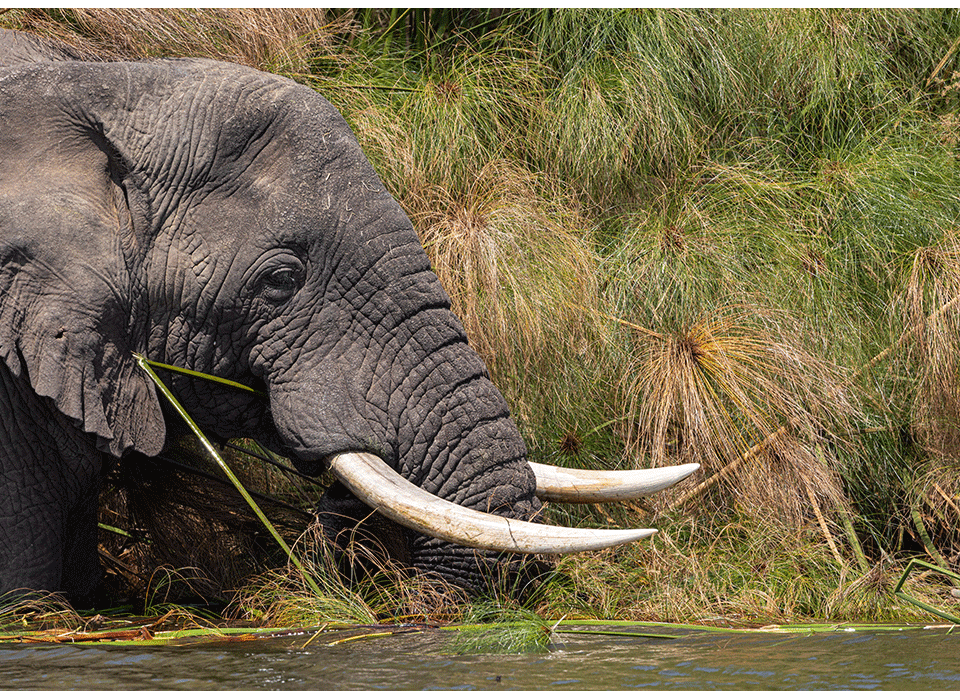
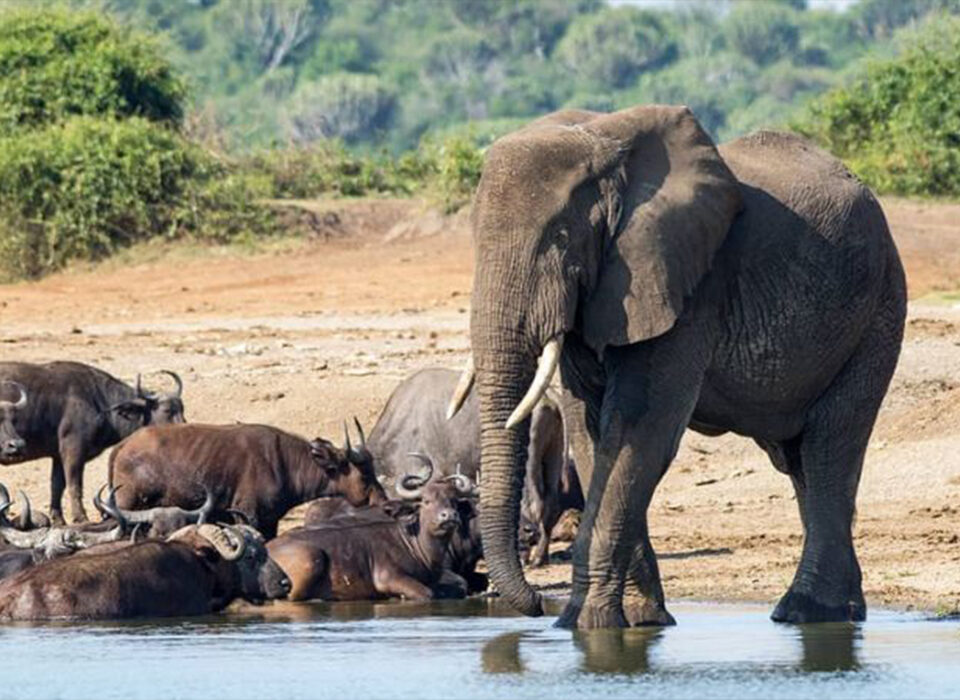
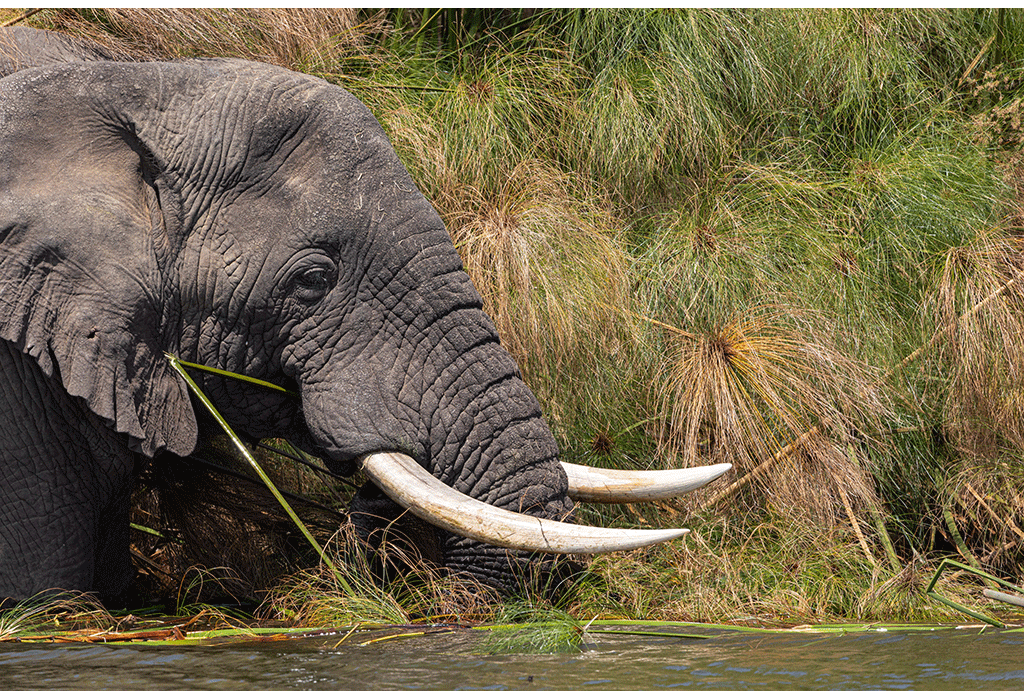
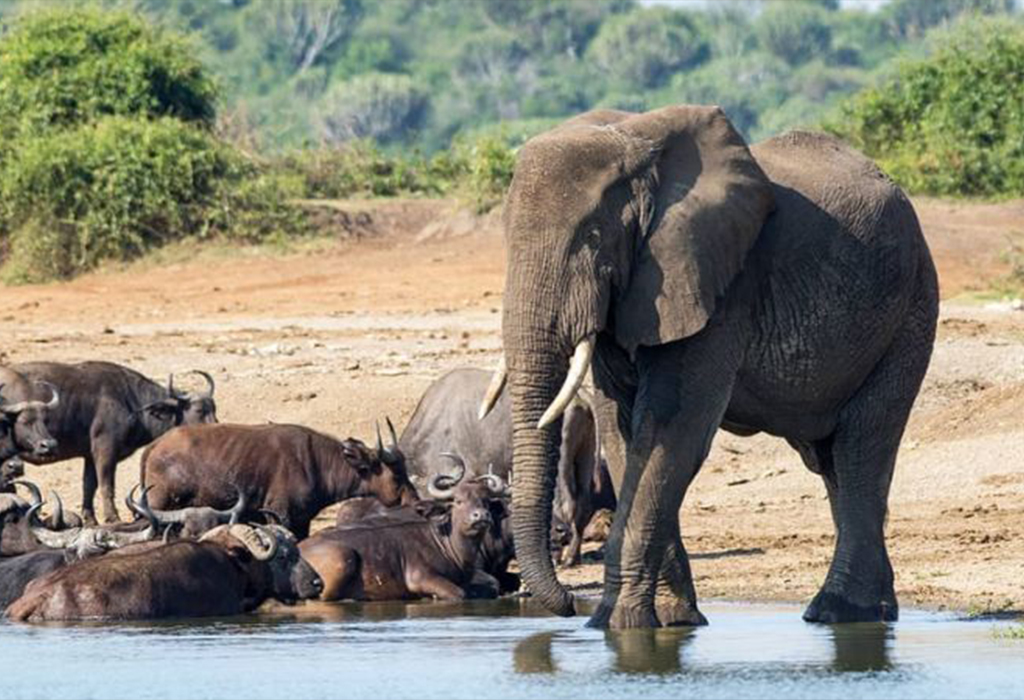
Ask yourself what type of wildlife excites you most. Are you drawn to classic savannah animals such as lions, elephants, giraffes, and zebras? Or do you prefer primate encounters like gorilla trekking and chimpanzee tracking in dense forests? January is excellent for both options in East Africa, but some destinations specialize more in one than the other.
Landscapes and Scenery
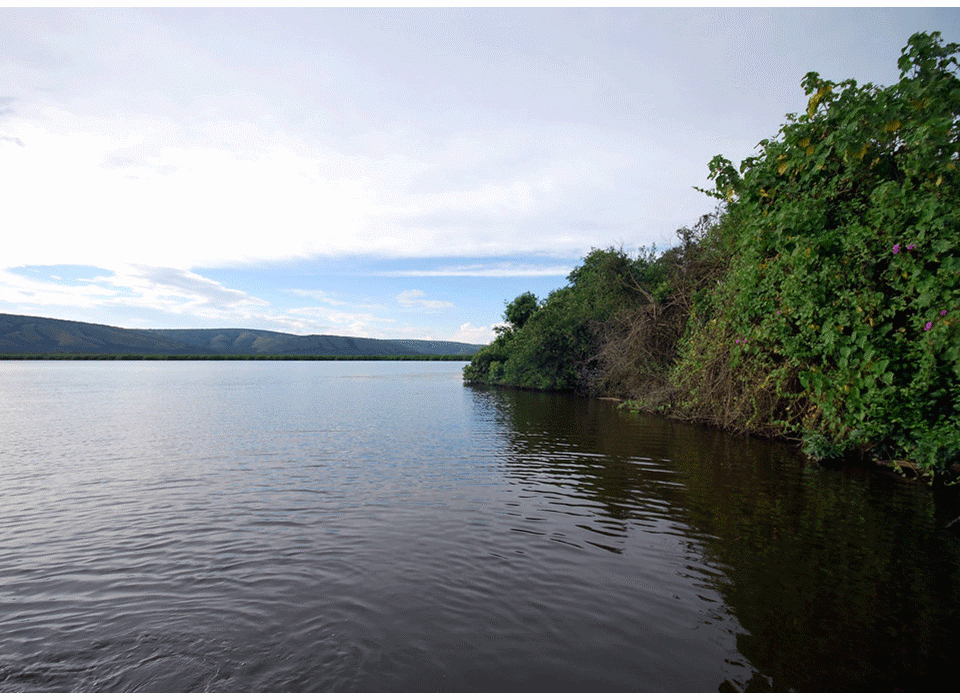
Africa’s landscapes are incredibly diverse. From open grasslands and rolling savannahs to misty rainforests and dramatic waterfalls, the scenery can define your safari experience. If breathtaking landscapes matter to you, choose destinations known for scenic beauty alongside wildlife viewing.
Birdwatching Opportunities
January is a rewarding time for birdwatching, as migratory species are present in many parts of East Africa. If birdlife interests you, look for destinations with wetlands, lakes, and varied ecosystems that support a wide range of bird species.
Photography and Adventure
Photography enthusiasts should consider destinations with open terrain, good lighting, and striking backdrops. Meanwhile, adventure seekers may prefer destinations offering activities such as hiking, boat safaris, cultural visits, or remote wilderness experiences.
Understand Weather and Climate in January
Weather plays a major role in safari planning, and January is generally a dry season in much of East Africa. This makes it an excellent time for wildlife viewing, as animals gather around water sources and vegetation is less dense.
Temperatures during January typically range between 15°C and 25°C (59°F to 77°F) in many safari destinations, creating comfortable conditions for game drives and outdoor activities. However, some areas can become quite hot during the day, so it is wise to choose destinations known for moderate temperatures and lower humidity.
Dry conditions also mean better road access and clearer photography opportunities, making January especially appealing for first-time safari travelers.
Choose a Safari Style That Matches Your Budget
Your safari style and budget will significantly influence your destination choice. Safaris generally fall into three broad categories, and understanding where you fit helps narrow your options.
Luxury Safaris
Luxury safaris offer high-end lodges, exclusive tented camps, personalized service, and premium wildlife experiences. These are ideal for travelers seeking comfort, privacy, and exceptional amenities.
Midrange Safaris
Midrange safaris strike a balance between comfort and affordability. They typically include well-appointed lodges or tented camps, guided game drives, and quality services without the high costs of luxury travel.
Budget Safaris
Budget safaris focus on affordability and adventure. These may involve camping or simple guesthouses and shared transportation, making them ideal for travelers who prioritize experience over luxury.
In addition, consider how you want to travel. Guided safaris offer expert knowledge and stress-free planning, while self-drive safaris provide flexibility and independence for more experienced travelers.
Top Safari Destinations to Consider in January
January is a fantastic time to explore East Africa, offering a mix of savannah wildlife, primate encounters, and scenic landscapes.
Uganda
Uganda provides remarkable diversity within a compact area. Parks such as Queen Elizabeth, Murchison Falls, Kidepo Valley, Kibale Forest, and Bwindi Impenetrable Forest offer a blend of big game, primates, cultural experiences, and dramatic scenery. Gorilla trekking in Bwindi is particularly rewarding in January due to favorable trekking conditions.
Tanzania
Serengeti National Park remains one of Africa’s most iconic safari destinations. In January, wildlife viewing is excellent, with vast plains, large predator populations, and abundant herbivores creating unforgettable game drives.
Kenya
The Maasai Mara National Reserve offers classic African safari scenery and year-round wildlife. January provides good visibility, active predators, and fewer crowds compared to peak migration months.
Practical Factors You Should Not Overlook
Beyond wildlife and scenery, several practical considerations can affect your safari experience.
Plan for travel distances and journey times, especially if your destination is remote. Choose accommodation that matches your comfort level and budget. Decide whether flying or driving suits your itinerary best.
Additionally, check visa requirements well in advance, take appropriate malaria prophylaxis where recommended, and follow safety guidelines during game drives. It is also wise to have travel insurance and an emergency plan in place, including medical evacuation coverage.
Final Thoughts
Choosing the right safari destination for January requires thoughtful planning, but the rewards are well worth the effort. By considering your interests, understanding seasonal conditions, matching your budget and travel style, and preparing for practical logistics, you set yourself up for an unforgettable African safari experience. January offers incredible wildlife, beautiful landscapes, and comfortable travel conditions making it one of the best times to explore the wild.