
How to Plan a Romantic Honeymoon at Lake Bunyonyi
December 20, 2025
Gorilla Trekking Permit Refund Policy in Bwindi
December 20, 2025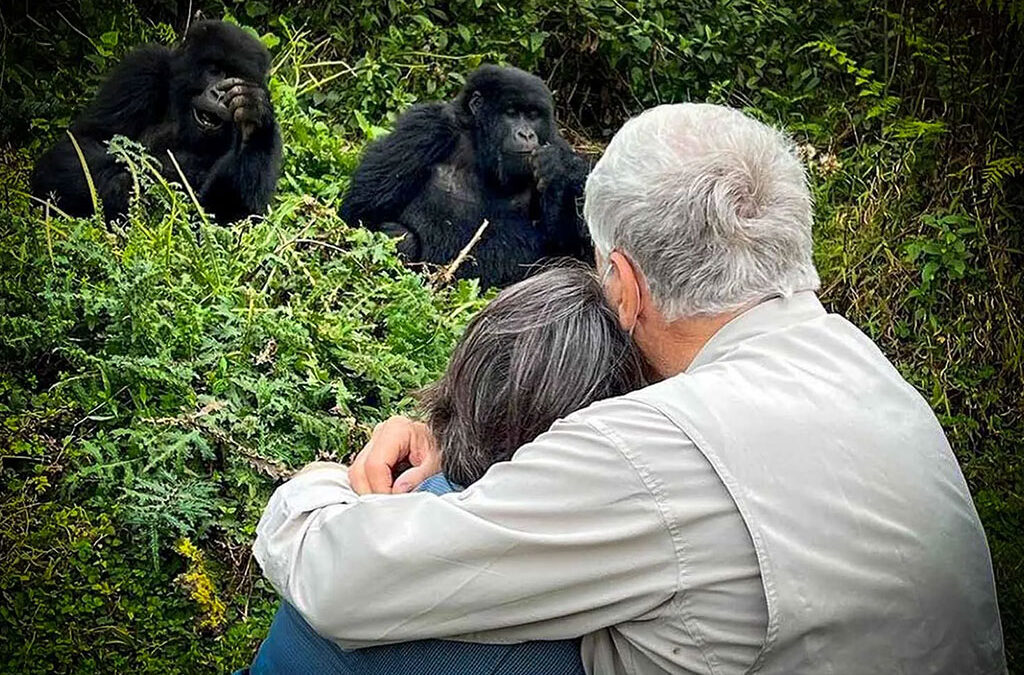
Are you planning a once-in-a-lifetime adventure to meet mountain gorillas deep in Uganda’s misty jungles? Bwindi Impenetrable Forest National Park offers the ultimate wildlife experience, where lush rainforest, melodious bird calls, and distant rustles create a magical world of wonder. Imagine walking beneath towering trees, feeling the humidity wrap around you, and hearing the gorillas before you see them. Every heartbeat quickens as you step into their natural home, guided by expert trackers who follow fresh trails through thick ferns. This private trekking experience allows you to absorb every sound, smell, and moment without distractions. It’s not just a trek—it’s a deeply spiritual connection with one of nature’s rarest encounters.
Plan Private Gorilla Trekking in Bwindi
Private gorilla trekking means exploring the forest with only your chosen company—family, friends, or loved ones. Usually, a maximum of 8 travelers visit each gorilla family daily, ensuring minimal human impact. To secure a private trek, however, you must purchase all 8 permits, regardless of whether you are 8 members or less but not more. This grants exclusivity, letting you enjoy uninterrupted encounters with a gorilla family deep within the forest. Since permits are limited and in high demand, booking 6–12 months in advance is essential. Uganda Wildlife Authority and reputable tour operators like Experiya Tour Company can reserve your permits and handle all arrangements for a seamless experience.
Each permit costs $800 for foreign non-residents, granting you access to spend one magical hour with the gorillas once you locate them. The park’s rangers and guides ensure your safety, interpret gorilla behaviors, and make your experience both educational and emotional. Even though it may seem demanding, every step draws you closer to a life-changing moment in the wild.
The Gorilla Trekking Experience in Bwindi
Your trekking journey begins early, around 8 a.m., with a comprehensive briefing at the park headquarters. Here, rangers share the rules, safety measures, and details about the specific gorilla family you will visit. You’ll listen as the forest stirs to life—birds singing, insects humming, and distant drumming from colobus monkeys echoing through the canopy. The air feels cool and pure, filled with anticipation and excitement.
After the briefing, trackers lead the way along narrow forest paths, following signs of broken branches and fresh dung left by gorillas. The trek may take as little as 30 minutes or stretch to over 6 hours, depending on how far the gorillas have moved. The dense rainforest challenges even the seasoned hiker with its steep, muddy trails, but every turn unveils wild beauty—from emerald moss carpets to waterfalls hidden in the dense undergrowth.
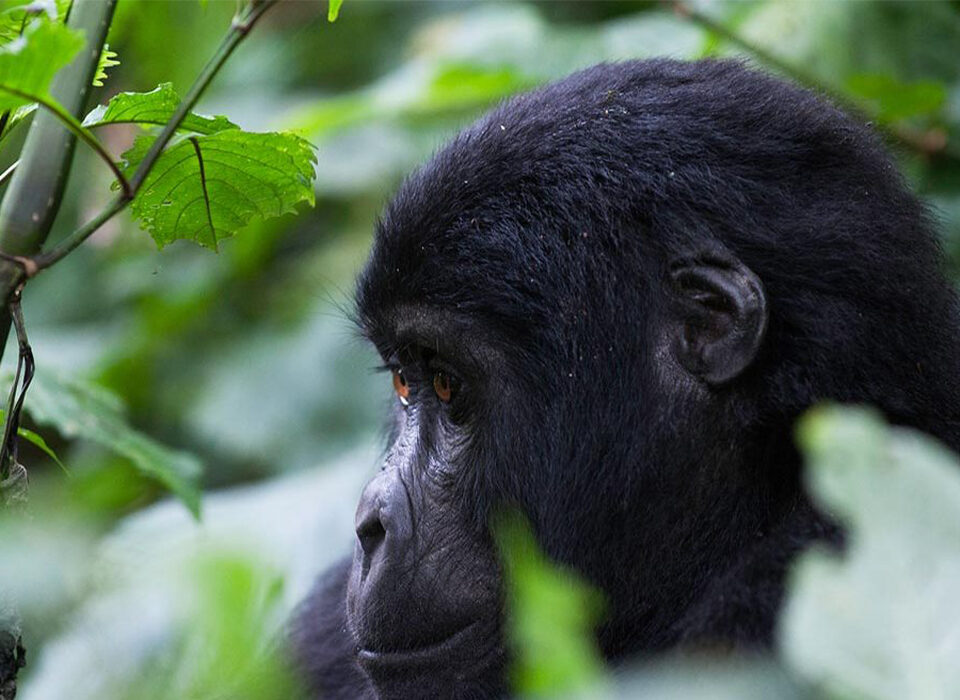
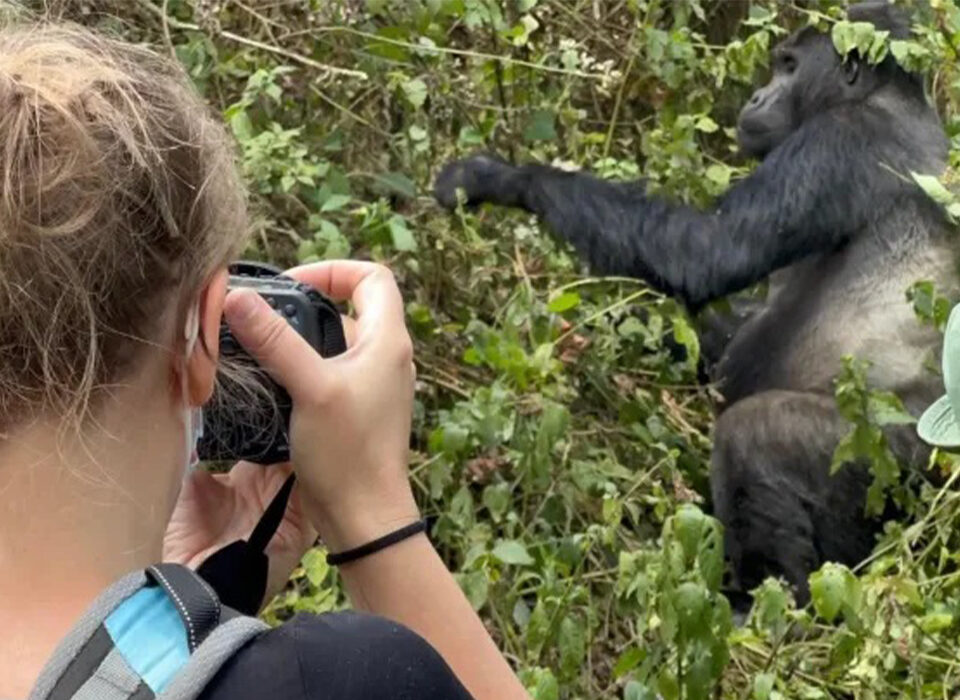
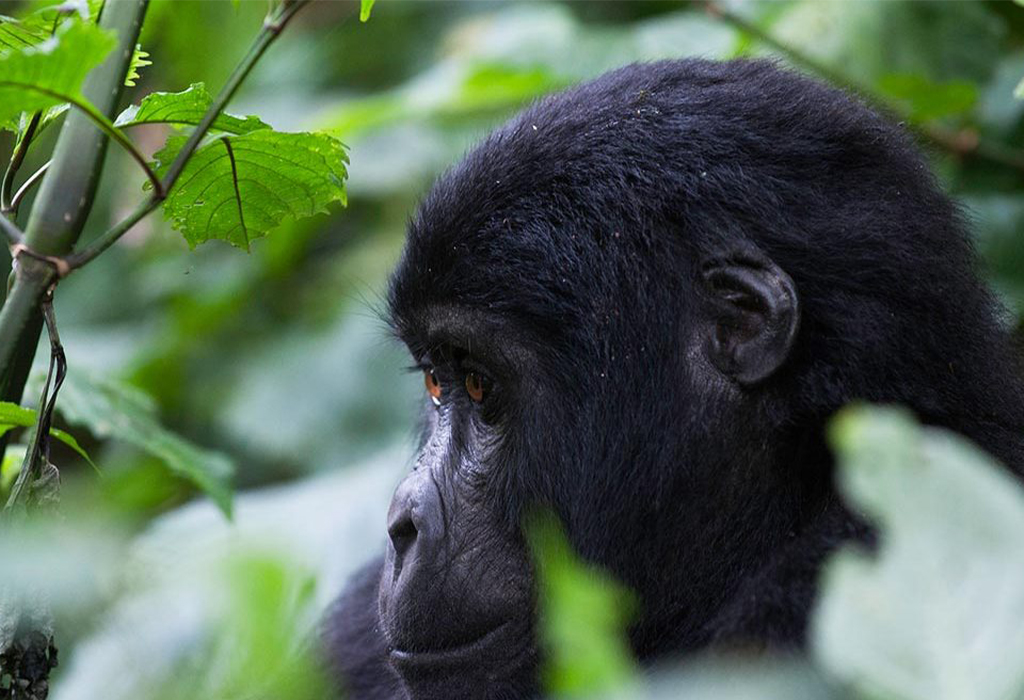
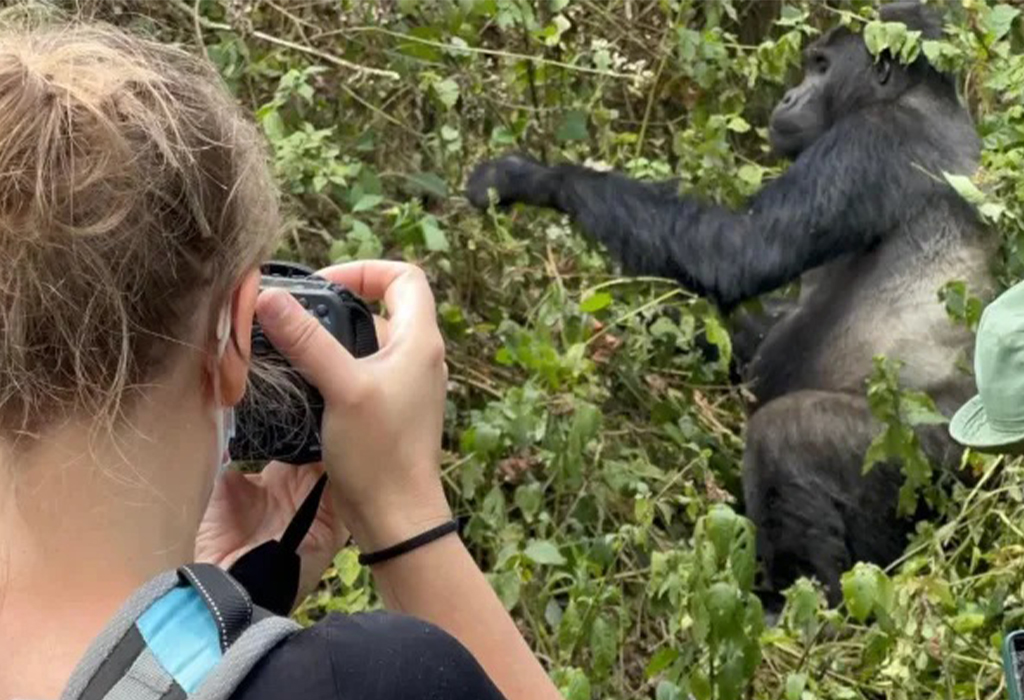
When you finally find the gorilla family, all fatigue melts away. Their gentle eyes, curious expressions, and human-like behavior make the experience profoundly humbling. For one unforgettable hour, you stand only meters away, watching them feed, groom, and play freely. Cameras click silently, but it’s your heart that captures the moment forever. Trekking back feels lighter, with laughter, shared glances, and stories told along the forest path.
Factors That Influence Trekking Time
Every trek in Bwindi is different because the gorillas move freely through the forest each day. Their movements are the main factor determining the trekking time. Sometimes, trackers locate them close to the starting point; other times, they wander deep into the forested slopes.
The terrain in Bwindi is rugged and often steep, especially during the rainy season when trails become muddy and slippery. Weather changes rapidly, with mist rolling over the hills one moment and sunshine breaking through the canopy the next. Your fitness level also plays an important role. Hikers who are well-prepared physically tend to manage the pace and distance more comfortably. You can request an easier or more challenging trek, but final allocation depends on where the gorilla families are located that day.
Hiring a local porter helps immensely. For a small fee, they carry your backpack, give a hand during steep climbs, and make the journey smoother. Their knowledge of the forest adds depth to the experience, and supporting them contributes meaningfully to the local community.
Bwindi’s Four Gorilla Trekking Sectors
Bwindi Impenetrable National Park is divided into four main trekking sectors—Buhoma, Ruhija, Rushaga, and Nkuringo. Each sector offers a unique atmosphere, terrain, and trekking challenges, catering to different interests and fitness levels.
Buhoma Sector (North):
Buhoma was the first section of Bwindi to host visitors and remains the most famous. It features well-established lodges, easier routes, and well-developed tourism infrastructure. The terrain is moderately gentle, making it ideal for families, older travelers, or first-time visitors. Treks here often start early, moving through a blend of thick jungle, open clearings, and hidden streams. Buhoma’s charm lies in its accessibility and its proximity to community walks, craft markets, and cultural experiences. You feel immersed not just in wildlife but also in local life.
Ruhija Sector (East):
Located at higher altitude, Ruhija exudes tranquility and breathtaking mountain views. The air feels crisp, and mist often drifts across the valleys, adding to its serene beauty. The climbs here are steeper, demanding higher physical endurance, but the reward is spectacular panoramic vistas of the Virunga Volcanoes. Ruhija is also famous for birdwatching, hosting rare species like the African green broadbill and black-faced rufous warbler. Sometimes, lucky trekkers encounter forest elephants or antelopes during the search, adding a thrilling wild dimension to the journey.
Rushaga Sector (South):
Rushaga offers the largest number of habituated gorilla families, making it easier to secure permits. The terrain varies from moderate to challenging, winding through dense forest and valleys. Because of its many families, Rushaga provides flexibility and a higher chance of getting your preferred trekking date. Groups here often hike alongside cascading streams, hear the distant calls of gorillas echoing through the forest, and enjoy scenic landscapes that change dramatically with every turn. The area also offers community experiences, such as cultural performances and visits to the nearby Batwa people.
Nkuringo Sector (Southwest):
Nkuringo is the most demanding but equally rewarding sector. Its steep slopes and high elevation require stamina, yet trekkers are rewarded with stunning views over Lake Mutanda and the Virunga Volcanoes. The treks here reveal raw wilderness, dramatic hills, and moments of pure solitude. This sector suits adventurous travelers eager for a physical challenge and intimate gorilla encounters. At the end of the trek, you stand atop the ridges gazing across Uganda and Rwanda’s borders, feeling completely alive and connected to the earth.
Choosing the Right Sector
Selecting the right sector depends on your physical fitness, travel route, and desired experience. Buhoma and Rushaga are excellent for moderate hikers seeking balance between accessibility and adventure. Ruhija and Nkuringo, on the other hand, push your boundaries with steep and challenging terrain.
Travelers who value exclusivity should consider Ruhija for its quiet trails, while those looking for convenience prefer Buhoma’s diverse accommodation and community options. For photographers, Nkuringo offers unparalleled light and scenery, while Rushaga’s dense gorilla population increases your chance of securing last-minute permits. Each sector delivers its own sense of mystery and fulfillment, making every choice unforgettable.
Getting to Bwindi Impenetrable National Park
Reaching Bwindi adds an element of adventure to the journey. The park lies in southwestern Uganda, several hours away from major towns and airports. The four trekking trailheads—Buhoma, Ruhija, Rushaga, and Nkuringo—are separated by winding mountain roads and scenic countryside.
By road, if you’re traveling from Queen Elizabeth National Park’s Ishasha sector, Buhoma is about 2–3 hours away. From Lake Mburo National Park, the journey takes roughly 5–7 hours. Travelers coming directly from Entebbe or Kampala should plan for at least 10 hours of driving. During the rainy season from March to May and September to November, a reliable 4×4 vehicle is highly recommended. Roads can become muddy and slippery, transforming into thrilling but demanding routes through Uganda’s highlands.
Alternatively, you can fly. Domestic flights from Entebbe or Kampala’s Kajjansi Airfield connect to Kihihi and Kisoro airstrips, located near the park. Kihihi serves Buhoma and Ruhija, while Kisoro is perfect for Rushaga and Nkuringo sectors. Both airstrips lie roughly 40km from the park, translating into 1½ to 2 hours of scenic road transfer through tea plantations, banana farms, and mountain villages.
Some travelers prefer to fly into Kigali, Rwanda, and drive into Bwindi, as the distance is shorter than from Entebbe. The journey from Kigali to the southern sectors takes only 4–5 hours across the beautiful Virunga landscapes, offering another dimension of East African exploration.
Best Time for Gorilla Trekking in Bwindi
The best time for gorilla trekking is during Uganda’s dry seasons—June to August and December to February. The trails remain drier and easier to climb, and the forest provides clearer views for photography. However, gorilla trekking occurs year-round, and even during the rainy months, sightings remain almost guaranteed. Bwindi’s gorillas do not migrate, and expert trackers locate them every day with a 99% success rate.
Rain, when it falls, adds a mystical charm as the forest glistens under silver mist and the jungle hums with life. Whatever the season, you should carry hiking boots, long trousers, a rain jacket, and gloves to protect your hands from thorny vines. Always bring enough water, snacks, and a sense of adventure—because trekking here is never predictable, and that unpredictability is part of its magic.
Make It a Meaningful Experience
A private gorilla trek in Bwindi is more than a holiday—it’s a personal discovery of nature’s quiet power. Every rustle, every chirp, every faint drumbeat stirs emotions that stay long after you’ve left the forest. The experience encourages conservation awareness and supports local communities who dedicate their lives to protecting these endangered giants.
Your private trek ensures an intimate atmosphere where you connect deeply with the forest and with those sharing it. From the warm smiles of local guides to the shy glance of a baby gorilla clinging to its mother, every moment carries meaning. When you leave Bwindi, you carry its rhythm inside you—slower, calmer, more attuned to the beauty of the natural world.