
What You Need to Know About Uganda’s Weather and Climate
December 19, 2025
Adventure Activities You Can Do in Uganda
December 19, 2025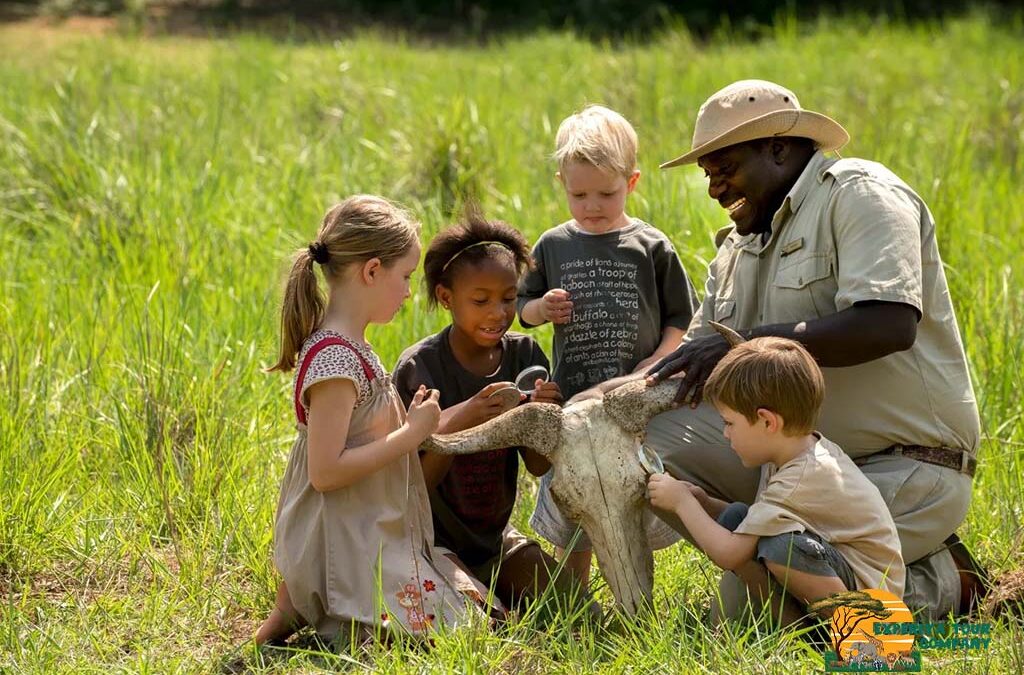
A safari is one of the most exciting and educational adventures a family can share. Seeing lions hunt at dawn, watching elephants cross open plains, or spotting hippos resting in rivers feels almost magical especially through a child’s eyes. Still, many parents pause before booking and ask an important question: how old should a child be to go on a safari?
The answer is not a single number. Instead, it depends on several interconnected factors, including a child’s maturity, the type of safari planned, the destination, the length of the trip, and the physical demands involved. While some safari experiences suit young children perfectly, others such as gorilla trekking in Uganda or guided bush walks have strict age limits for safety and conservation reasons. Ultimately, choosing the right age means balancing safety, enjoyment, and suitability.
This guide explores the ideal ages for different safari experiences, explains why age matters, and offers practical tips to help parents plan a safari their children will truly enjoy.
Why Age Matters When Planning a Safari With Children
A safari is very different from a typical beach or city holiday. It often includes early morning starts, long game drives, remote locations, and close encounters with wild animals. For children to enjoy the experience and for parents to relax age and readiness matter.
First and foremost, safety comes into play. Safari environments contain large, potentially dangerous wildlife, and children must be able to follow instructions, stay quiet during sightings, and remain inside vehicles when required. In addition, patience is essential. Game drives can last several hours, and sightings are unpredictable. Children who struggle to sit still or stay engaged may find this frustrating.
Age also influences appreciation. Older children tend to understand what they are seeing and why it matters, which makes the experience more meaningful. Finally, physical demands vary. Some safaris involve walking, hiking, boat trips, or exposure to heat, all of which require a certain level of endurance.
What Is the Ideal Minimum Age for a Safari?
There is no universal minimum age for all safaris. However, most guides and travel specialists recommend around six years old for traditional game drives in destinations such as Uganda, Kenya, Tanzania, and South Africa.
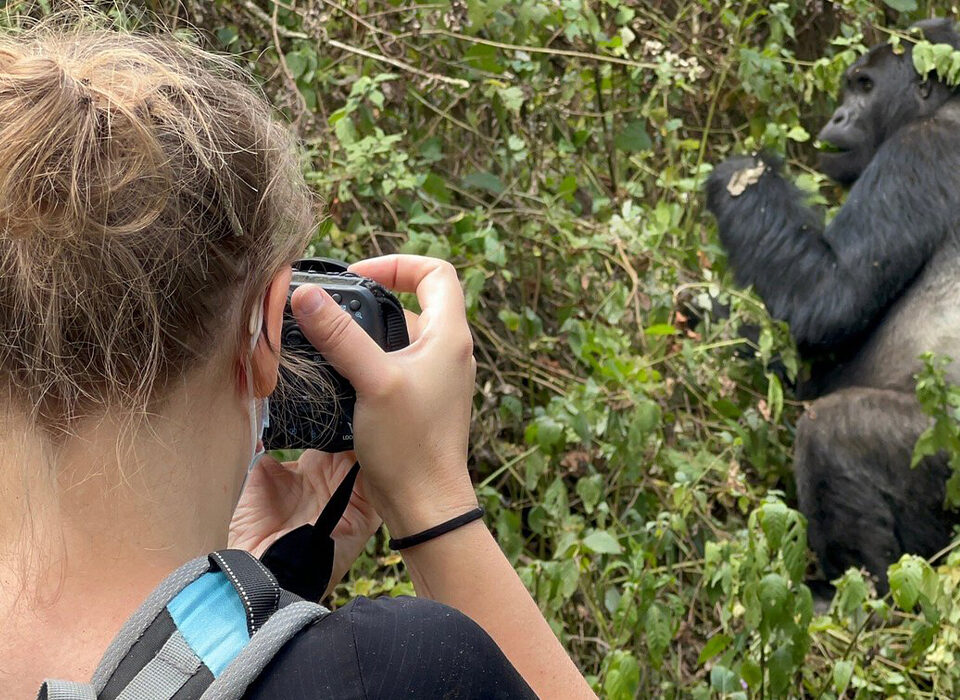
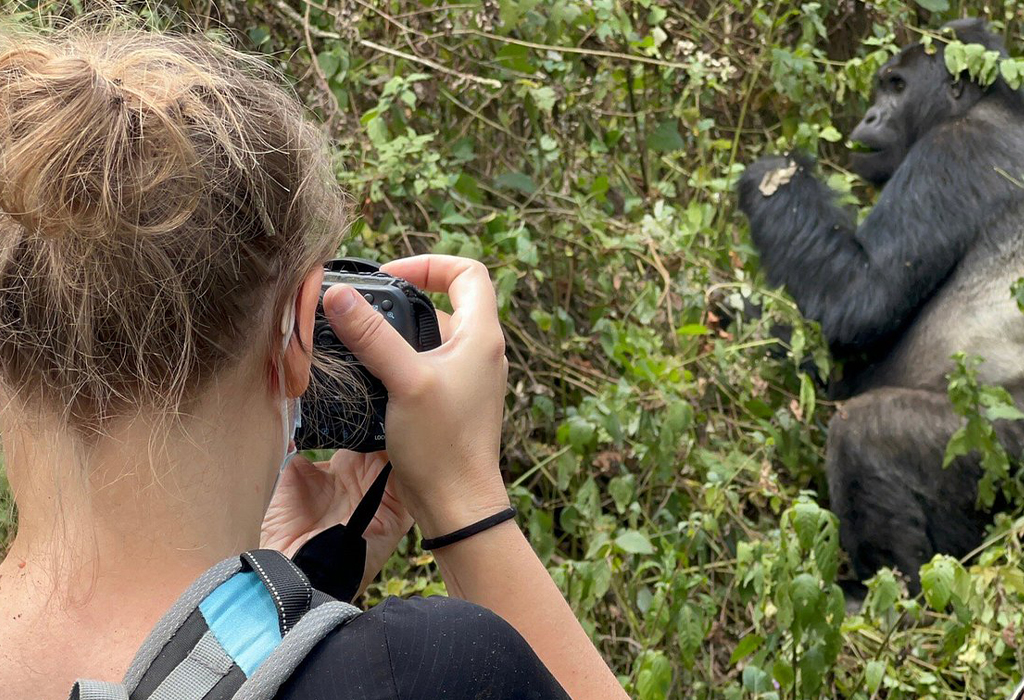
More specialized safari activities usually have clear age requirements. Gorilla trekking in Uganda and Rwanda requires participants to be at least fifteen years old. Chimpanzee tracking typically allows children from twelve to fifteen years, depending on the park. Walking safaris generally require participants to be twelve or older due to safety concerns. By contrast, standard game drives often have no legal age limit, although many lodges advise six years and above. Boat safaris tend to be suitable for younger children, often from around four years old, provided proper safety equipment is available.
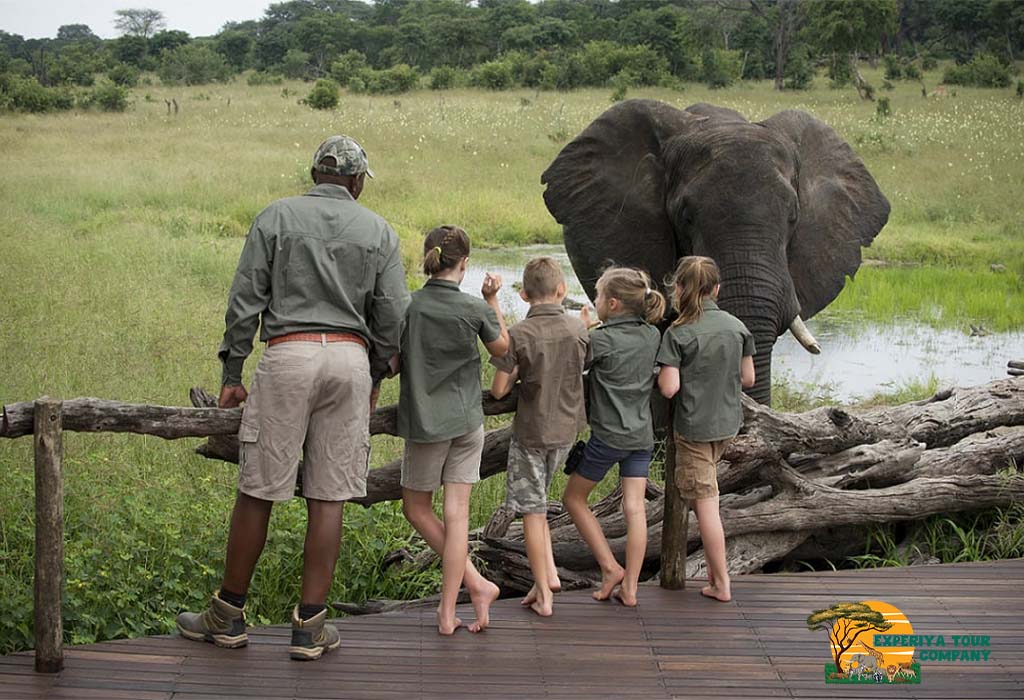
Some family-oriented safari lodges welcome even younger children, including toddlers. These experiences are usually more controlled, with shorter private drives, fenced environments, and opportunities to view wildlife close to the lodge rather than through long excursions.
Safari Types That Work Best for Young Children
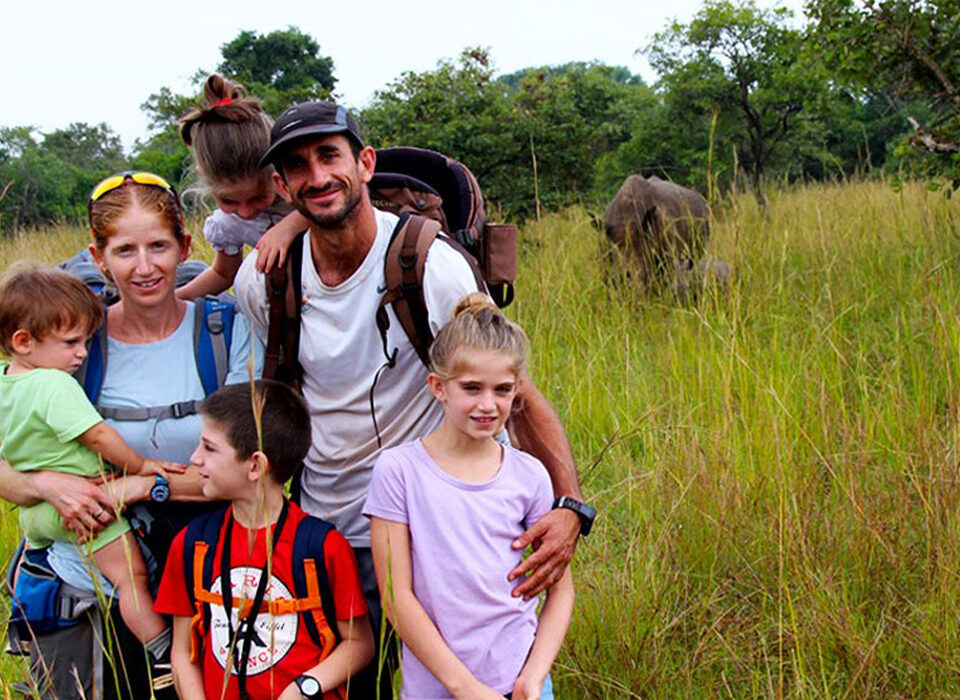
Choosing the right style of safari makes a significant difference, especially for children under ten. Private safaris often work best because they allow families to set their own pace. Parents can take breaks when needed, shorten drives, and adapt activities to suit their child’s energy levels. A private guide can also explain wildlife in a fun, age-appropriate way.
Lodges located in private reserves or wildlife-rich areas offer another excellent option. In these settings, animals often roam close to the accommodation, allowing children to observe wildlife from a veranda or viewing deck without spending hours in a vehicle.
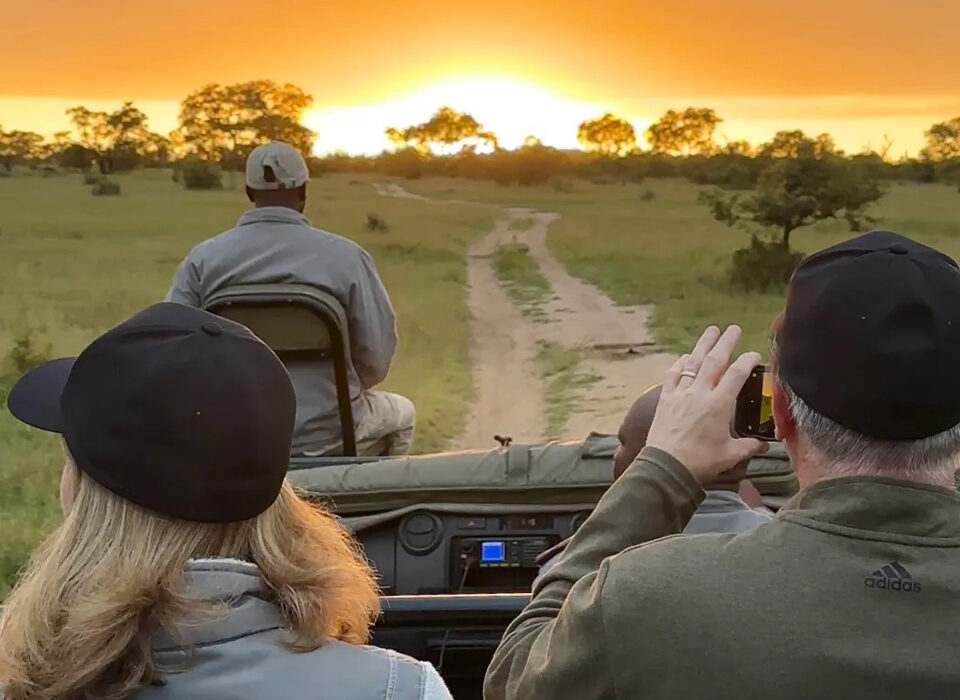
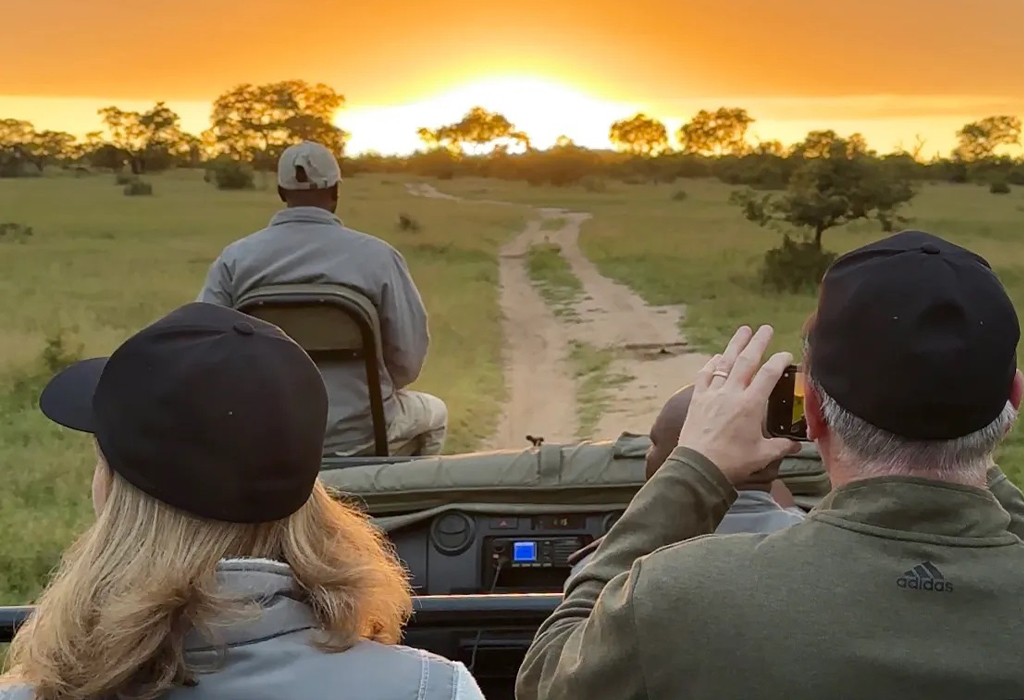
Shorter game drives also help maintain enthusiasm. Two to three hours in the morning or afternoon usually suits younger children far better than full-day drives. In addition, boat safaris provide a calm and exciting alternative. Floating quietly past hippos, crocodiles, and water birds often feels adventurous without being exhausting.
Health considerations also matter. For families with very young children, malaria-free safari regions can reduce stress. While destinations such as Uganda do have malaria, careful precautions such as medication, mosquito nets, and repellents make travel manageable for many families.
How to Know If Your Child Is Ready for a Safari
Beyond age, readiness depends heavily on a child’s personality and abilities. Maturity plays a key role. Children must listen carefully to guides and follow safety rules at all times. Interest is equally important. A child who already enjoys animals, nature, or wildlife documentaries will likely stay engaged longer.
Attention span also matters. If your child becomes bored quickly, long periods of waiting for animal sightings may feel challenging. Health and endurance should not be overlooked either. Safaris can be tiring, with early mornings, warm temperatures, and travel between parks.
Temperament is the final piece. Some children thrive on new environments, while others feel overwhelmed. If your child is easily frightened, a more controlled setting such as a fenced reserve or wildlife sanctuary may be a better introduction.
Age-Based Safari Planning Tips for Parents
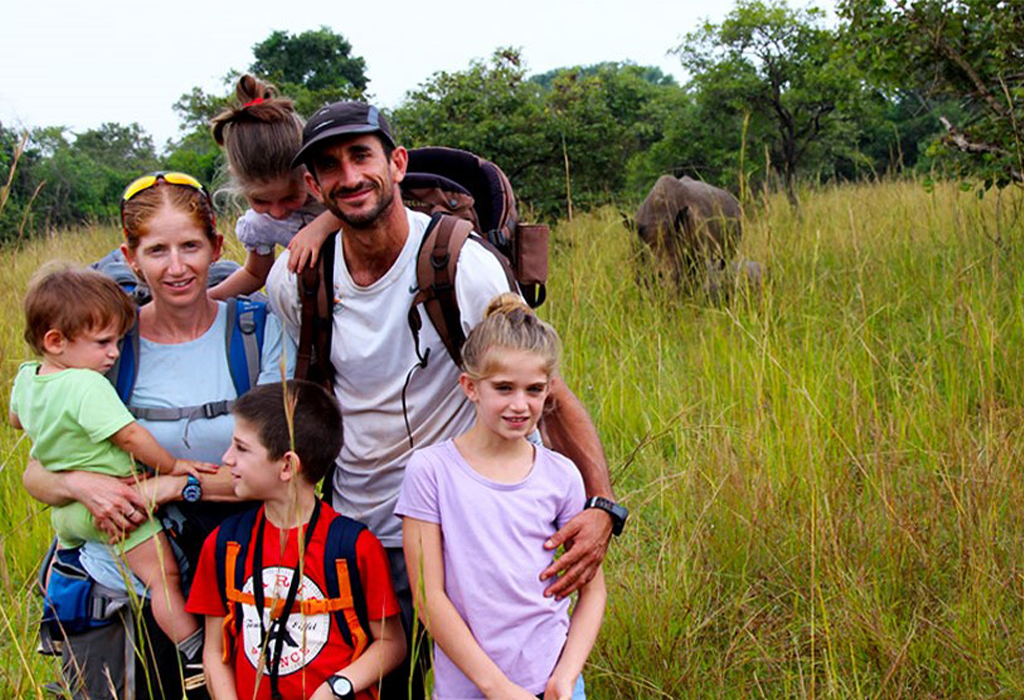
For toddlers between birth and four years, a gentle approach works best. Family-friendly lodges in private reserves, flexible schedules, and minimal driving help keep stress low. Familiar food, toys, and plenty of rest time make a big difference, and in some cases, alternative wildlife experiences may be more suitable than a full safari.
Children aged five to nine often reach a sweet spot for introductory safaris. Short game drives, engaging tools like binoculars or wildlife checklists, and lodges that offer child-focused activities help maintain excitement. At this age, it is best to avoid physically demanding activities such as walking safaris or gorilla trekking.
Tweens and teenagers usually handle longer drives and more rugged environments with ease. They often enjoy chimpanzee tracking, guided bush walks, and learning about conservation and ecosystems. Cultural visits, educational elements, and even adventurous activities like canoeing or cycling safaris can add depth to the experience.
Making a Safari More Enjoyable for Children
With thoughtful planning, a safari becomes far more engaging for young travelers. Creating a safari journal encourages children to draw animals, write observations, or record their favorite moments. Animal spotting games or simple challenges such as identifying different species turn game drives into interactive adventures.
Comfort also matters. Child-sized binoculars, hats, refillable water bottles, and insect repellent help children feel prepared and involved. Just as importantly, building downtime into the itinerary prevents fatigue. Rest, play, and unstructured time are essential, particularly for younger children.

Cultural interactions add welcome variety. Visiting local communities, schools, or markets introduces children to new ways of life and balances wildlife viewing with human connection. Preparing in advance by reading books or watching documentaries together builds excitement and understanding before the journey even begins.
Legal Age Requirements for Safari Activities
Many African countries enforce minimum age limits for specific activities to protect both visitors and wildlife. In Uganda, gorilla trekking requires participants to be at least fifteen years old, while chimpanzee tracking generally starts at twelve. Game drives have no legal age limit, although many lodges recommend six and above.
In Kenya and Tanzania, game drives are flexible, but walking safaris and certain lodges often require children to be twelve or older. South Africa stands out for its malaria-free reserves, though some private reserves restrict vehicle game drives to children over six. In more remote destinations such as Botswana and Zambia, camps frequently set higher age limits, sometimes twelve to sixteen years.
Because rules vary by location and lodge, confirming age requirements in advance is always essential.
So, What Is the Best Age for a Child to Go on Safari?
For most families, six years and above is ideal for a traditional safari. At this age, children can follow safety rules, stay engaged for several hours, and genuinely appreciate what they are seeing. More demanding experiences such as gorilla trekking, walking safaris, or chimpanzee tracking are better suited to older children, typically between twelve and fifteen years.
In the end, the best age depends less on numbers and more on the child. Personality, curiosity, maturity, and comfort with new environments matter most. With careful planning and realistic expectations, a safari can become more than a holiday. It can be a life-changing experience that sparks curiosity, empathy, and a lasting love for nature and conservation.