Primate Trekking Experiences in Rwanda
March 6, 2026
Which Uganda Park Has the Highest Lion Sighting Probability
March 6, 2026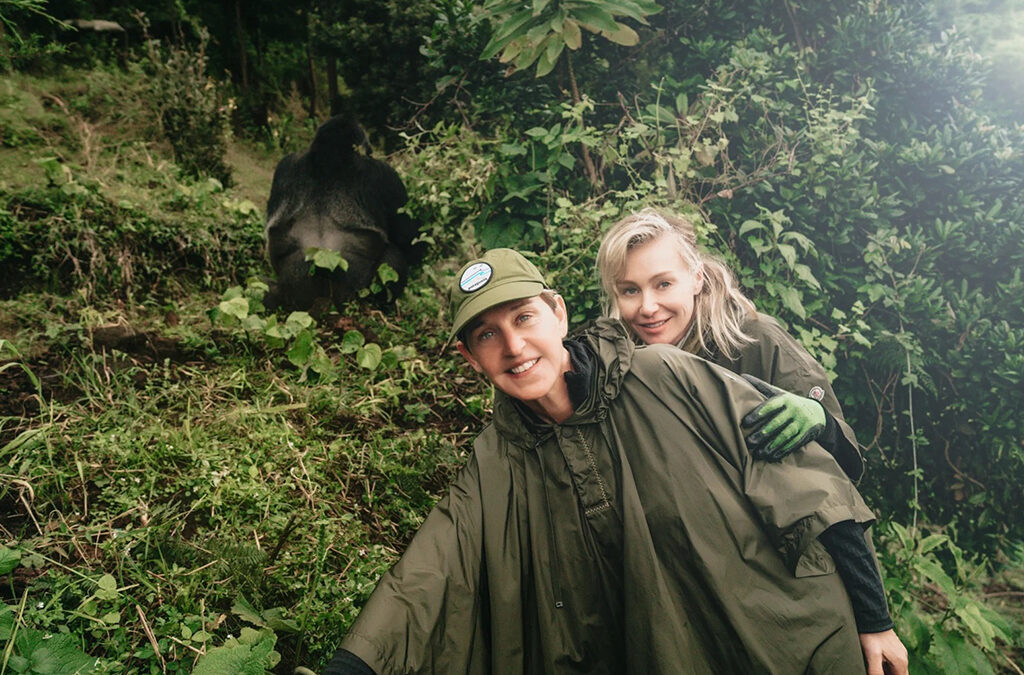
Gorilla trekking in Africa is one of the most extraordinary wildlife experiences on Earth. Deep within the misty forests of Uganda, Rwanda, and the Democratic Republic of Congo, travelers venture into protected habitats to observe endangered mountain gorillas in the wild.
However, many travelers often ask the same question before planning their journey: How many tourists can visit gorillas each day?
The answer lies in a carefully managed conservation system. Strict visitor limits protect gorillas while allowing travelers to experience one of nature’s most powerful encounters. Understanding these numbers not only helps with planning but also reveals how tourism supports the survival of these remarkable primates.
Why Visitor Numbers Are Strictly Limited
Mountain gorillas remain one of the world’s most endangered primates. Today, fewer than 1,200 individuals live in the wild, mainly across Uganda, Rwanda, and the Democratic Republic of Congo. Because of their small population and sensitivity to human presence, conservation authorities strictly regulate the number of visitors allowed to trek to gorilla families.
First, limiting visitor numbers helps reduce stress on the gorillas. These animals live in tight family groups and follow natural routines that include feeding, resting, and social interaction. When too many people approach them, their behavior can change, which may disrupt their natural lifestyle.
In addition, strict limits help prevent disease transmission. Gorillas share more than 98 percent of their DNA with humans, making them vulnerable to many human illnesses, particularly respiratory infections. By controlling the number of visitors, conservationists significantly reduce the risk of disease spreading to the gorillas.
At the same time, smaller groups help create a more meaningful and intimate visitor experience. Trekking with only a few other travelers allows guests to observe gorilla behavior quietly while guides explain their social structure and habits.
Finally, visitor limits make conservation management more effective. Park authorities can better monitor gorilla groups, maintain trekking trails, and support anti-poaching patrols when tourism remains controlled and sustainable.
Daily Visitor Limits for Gorilla Trekking
Across all gorilla trekking destinations, conservation authorities enforce strict daily visitor limits. Although each country manages its own program, the rules remain remarkably similar.
Uganda – Bwindi Impenetrable National Park
Uganda hosts the largest population of mountain gorillas, primarily in Bwindi Impenetrable National Park and a smaller population in Mgahinga Gorilla National Park. Each habituated gorilla family receives a maximum of eight visitors per day.
Because several gorilla families are open for trekking, the total number of daily visitors depends on how many groups are available. Nevertheless, the rule of eight visitors per family remains firm.
Rwanda – Volcanoes National Park
Rwanda follows the same conservation model in Volcanoes National Park. Each habituated gorilla family welcomes up to eight tourists per day, accompanied by guides and trackers.
Rwanda strictly enforces this limit to maintain the quality of the trekking experience and protect gorilla health.
Democratic Republic of Congo – Virunga National Park
In the Democratic Republic of Congo, Virunga National Park also limits visits to eight people per gorilla group per day. Although visitor numbers are generally lower than in Uganda and Rwanda, the same conservation principles guide the trekking program.
Across all three countries, this shared policy ensures that tourism supports conservation without overwhelming gorilla habitats.
How Gorilla Treks Are Organized
Gorilla trekking follows a structured system designed to protect both visitors and wildlife. Every step of the process focuses on conservation, safety, and education.
The Gorilla Permit System
Travelers must obtain a gorilla trekking permit before visiting a gorilla family. Each permit corresponds to a specific gorilla group and trekking date. Because the number of permits matches the visitor limit, availability remains restricted throughout the year.
As a result, many travelers book their permits several months in advance, especially during peak travel seasons.
Guided Trekking Groups
Experienced guides and trackers lead every trek. Early in the morning, trackers head into the forest to locate the gorilla families. They then communicate with the guides, who escort visitors to the gorillas’ location.
Guides not only ensure safety but also interpret gorilla behavior, helping visitors understand social interactions, feeding habits, and family dynamics.
Small Group Sizes
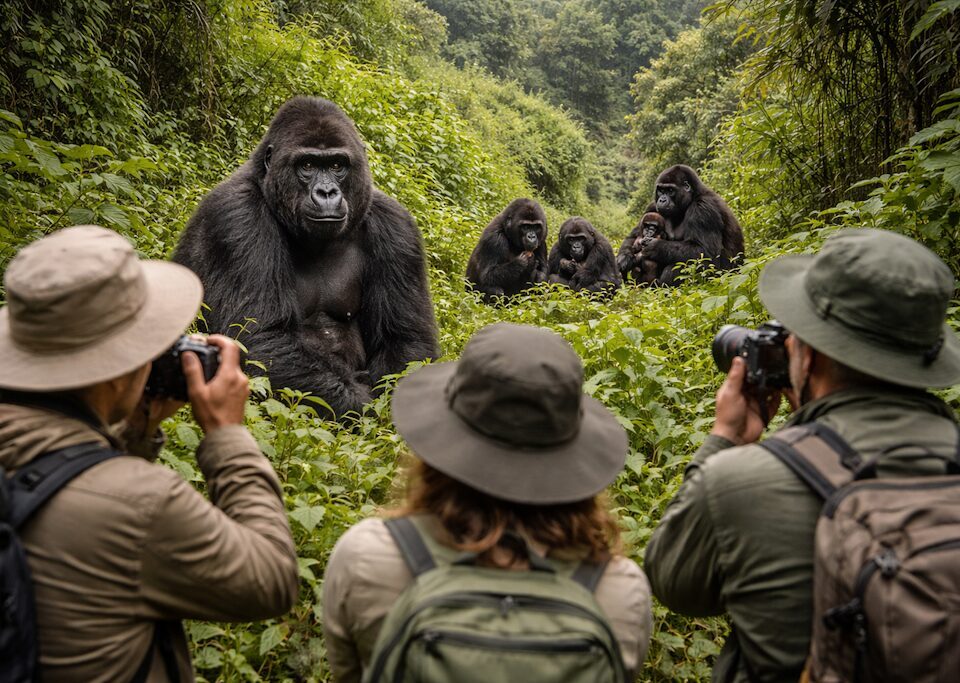
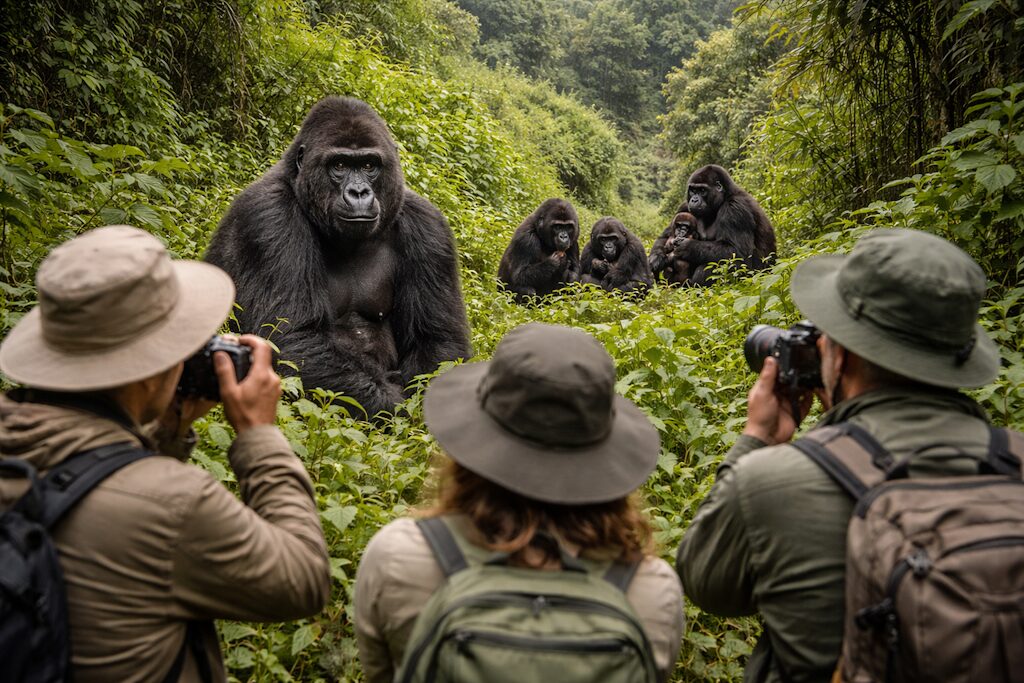
Each trekking group usually contains no more than eight visitors, although private groups may include fewer people. Smaller groups allow guides to manage the experience carefully and minimize disturbance to the gorillas.
Maintaining Safe Distance
During the encounter, guides require visitors to maintain a minimum distance of about seven meters from the gorillas. This rule helps prevent stress and reduces the risk of transmitting human diseases.
Time Spent with the Gorillas
Visitors spend a maximum of one hour observing the gorillas once they are located. Although this may seem short, the experience often feels timeless as travelers watch gorillas groom one another, feed on forest vegetation, and interact within their families.
Annual Gorilla Tourism Numbers
Although daily visits remain limited, gorilla trekking still attracts thousands of travelers each year. Carefully managed tourism allows visitors to experience gorillas while ensuring that conservation remains the top priority.
Uganda issues roughly 10,000 to 12,000 gorilla trekking permits annually, reflecting the number of habituated gorilla families available for tourism. Rwanda sells approximately 12,000 to 15,000 permits each year, largely due to the popularity of Volcanoes National Park.
Meanwhile, the Democratic Republic of Congo receives fewer visitors because of occasional security challenges. Nevertheless, conservation programs continue to grow, and tourism plays an increasingly important role in protecting gorilla habitats.
This controlled system balances economic benefits with environmental protection.
How Tourism Helps Protect Gorillas
Responsible tourism has become one of the most powerful tools for protecting mountain gorillas. Permit fees and tourism revenue directly support conservation programs throughout the region.
A significant portion of trekking revenue funds anti-poaching patrols. Rangers patrol forests daily to protect gorillas from snares, illegal hunting, and habitat destruction.
Tourism also supports habitat preservation. Conservation authorities use permit fees to maintain forest trails, restore degraded habitats, and support long-term ecosystem protection.
In addition, local communities benefit through employment and tourism-related businesses. Many residents work as guides, porters, lodge staff, and craft vendors. When communities benefit from tourism, they become active partners in protecting wildlife.
Finally, gorilla tourism funds research and veterinary care. Specialized veterinary teams monitor gorilla health, treat injuries, and intervene when disease threatens the population.
Tips for Tourists Planning Gorilla Trekking
Planning ahead can greatly enhance your gorilla trekking experience. Because permits remain limited, travelers should reserve them well in advance of their trip.
Visitors should also respect their assigned trekking groups and follow guide instructions carefully. Maintaining the required distance, avoiding flash photography, and remaining calm around the gorillas help ensure a safe and respectful encounter.
Choosing responsible tour operators and supporting sustainable tourism practices further strengthens conservation efforts.
Finally, travelers should remain patient and flexible. Gorilla trekking involves hiking through dense forests, and the time required to locate the gorillas can vary from a short walk to several hours. However, the reward of seeing these magnificent primates in the wild makes every step worthwhile.
Why Small Visitor Numbers Matter
Limiting daily visitors to eight people per gorilla family plays a critical role in protecting these animals. Smaller groups reduce disturbance and allow gorillas to continue their natural routines without interruption.
At the same time, guides can manage small groups more effectively, improving both visitor safety and wildlife protection. Tourists also enjoy a more personal and immersive experience, observing gorillas at close range without large crowds.
Ultimately, these limits create a sustainable balance between tourism and conservation. They ensure that gorilla populations remain protected while future generations continue to experience one of Africa’s most extraordinary wildlife encounters.
Interesting Facts About Gorilla Tourism
Several gorilla families have become well known among researchers and visitors over the years. Some of the earliest habituated groups helped establish the gorilla trekking programs that exist today.
Park authorities strictly enforce visitor limits, and rangers sometimes turn away additional tourists to protect gorilla families from overcrowding.
Although gorilla trekking permits rank among the most expensive wildlife permits in Africa, the revenue they generate plays a crucial role in safeguarding mountain gorillas and their forest homes.
Conclusion
So, how many tourists visit gorillas each day? Conservation authorities carefully control the answer. Only eight visitors may trek to each gorilla family per day, regardless of the country or park.
This limit protects gorillas from stress, reduces the risk of disease transmission, and preserves the quality of the trekking experience. At the same time, it ensures that tourism contributes directly to conservation, habitat protection, and community development.
By following these guidelines and supporting responsible tourism, travelers help secure a future where mountain gorillas continue to thrive in the forests of Central and East Africa.