
Why Going on a Gorilla Trek in the Off-Season Is Preferable
December 9, 2025
Masai Mara and Serengeti Combined Safaris
December 9, 2025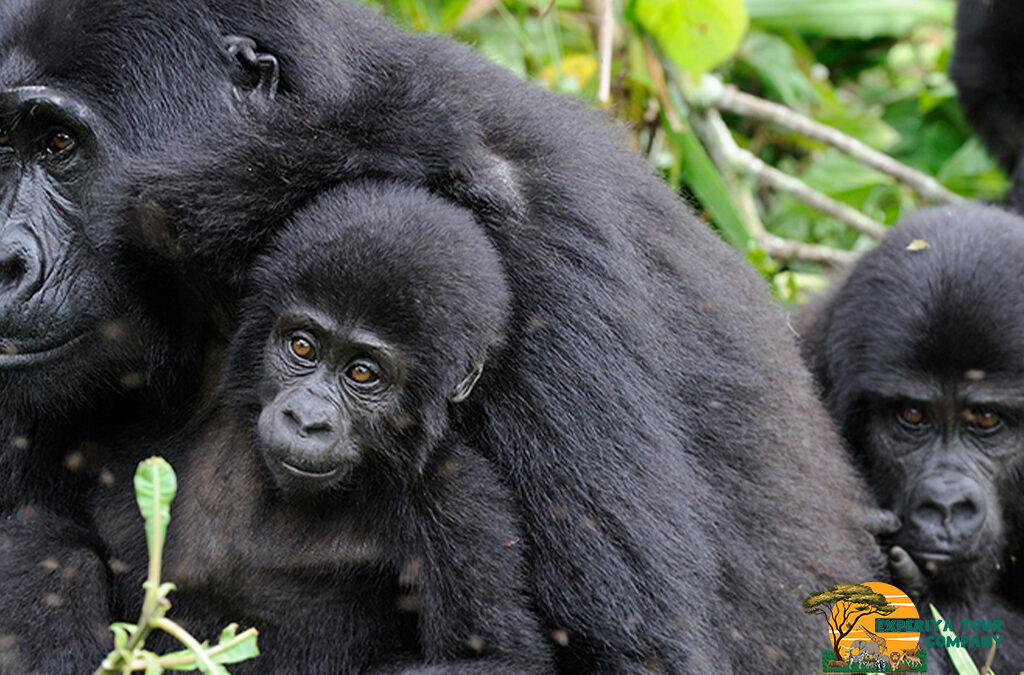
How Gorilla Families Are Named in Mgahinga National Park
High in the Virunga Mountains of southwestern Uganda lies Mgahinga Gorilla National Park, one of Africa’s most intimate and rewarding gorilla trekking destinations. Though small in size, this park plays a monumental role in conserving the endangered mountain gorillas that roam its mist-covered slopes. Situated in the tri-border region where Uganda meets Rwanda and the Democratic Republic of Congo, Mgahinga forms part of the greater Virunga Conservation Area, a sanctuary for both wildlife and culture.
One of the most fascinating aspects of gorilla trekking in Mgahinga is discovering the stories behind the gorilla families themselves. Each family has a unique name, reflecting its history, the personality of its dominant silverback, or special events linked to its discovery. These names carry deep meaning, allowing trekkers to form a personal connection with the gorillas they encounter. Understanding how gorilla families are named provides valuable insight into their behavior, conservation efforts, and the cultural significance of gorilla tourism in Uganda.
The Meaning Behind Gorilla Family Names
Gorilla families in Mgahinga National Park are never named randomly. Rangers, trackers, and conservation scientists carefully observe each group to study their behavior and lineage. A typical family consists of one dominant silverback, several adult females, juveniles, and infants. When a family is first habituated—meaning it becomes accustomed to human presence for tourism or research—researchers give it a name that represents something unique about its leader or its discovery.
For instance, Mgahinga’s most famous family, the Nyakagezi Family, takes its name from Nyakagezi, a scenic area within the park where the group was first observed. At the time of habituation, the family’s dominant silverback, Mark, was renowned for his calm yet commanding presence, guiding his family across Uganda, Rwanda, and Congo before settling permanently in Mgahinga.
Names like Nyakagezi symbolize more than just a location. They create identity, helping researchers track births, deaths, and behavioral changes over decades. For local communities, these names foster emotional and cultural connections to the gorillas, transforming them from distant wildlife into well-known neighbors.
How Gorilla Families Receive Their Names
The naming process begins long before a family is open to tourism. When a group of gorillas is first identified, park rangers and researchers assign a temporary identification code. Over time, as the family is observed regularly, rangers note its movements, habits, social dynamics, and feeding zones. Once the group stabilizes and shows consistent patterns, it is ready for a permanent name.
The Uganda Wildlife Authority (UWA), in collaboration with the Greater Virunga Transboundary Collaboration (GVTC) and conservation partners, usually proposes the name. Community representatives often contribute ideas, especially if the name carries cultural or geographic significance.
Researchers name some families after their dominant silverbacks, particularly if the male displays extraordinary leadership or personality traits. They name others after locations, characteristics, or notable events. For example, they might name a family Nyamuriro if first spotted near the Nyamuriro River, or Kanyonyi after a young, adventurous silverback who later became a leader.. Occasionally, names reflect the environment, such as Mubare, meaning “stone,” referencing the rocky terrain of their home area. Once established, a name remains part of the family’s lineage, even as members migrate or new subgroups form.
The Nyakagezi Family – The Pride of Mgahinga
Among all gorilla families in Mgahinga, the Nyakagezi Family stands out as the park’s flagship group. Habituated since 1991, it is one of Uganda’s oldest and most studied families. The name “Nyakagezi” honors the area where the family was first discovered and where they are frequently sighted today.
The family is led by Mark, who succeeded his father Bugingo. What makes this group remarkable is its history of cross-border movement. For years, the Nyakagezi Family roamed between Uganda, Rwanda, and the Democratic Republic of Congo, highlighting the transboundary nature of gorilla conservation in the Virunga region. In recent years, they have settled permanently in Uganda, giving trekkers a reliable chance to observe them.
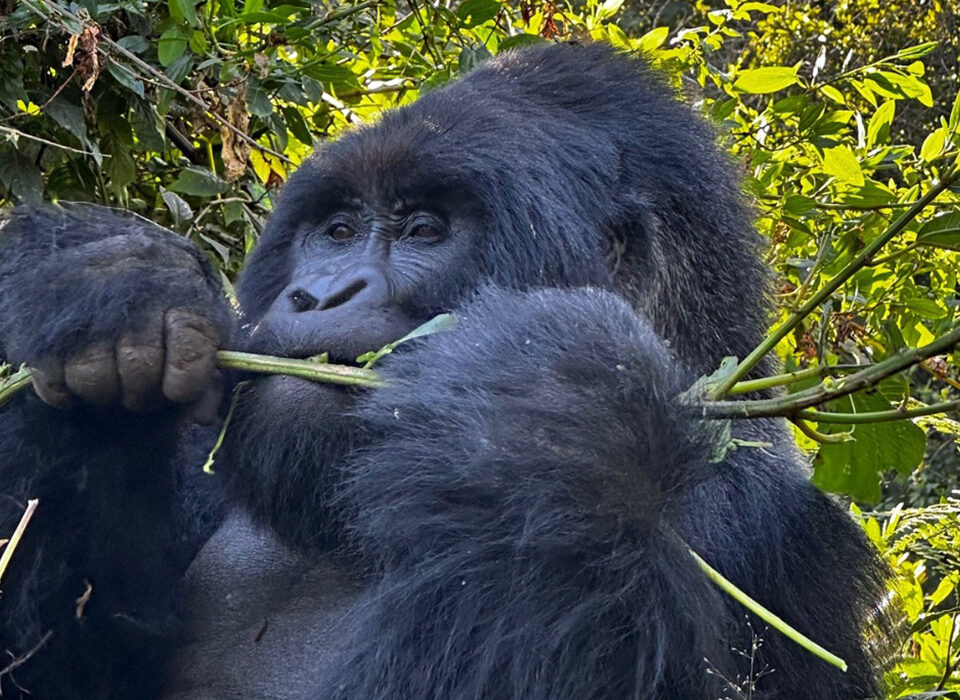
The family includes several silverbacks, adult females, and playful juveniles. Their strong bonds, calm demeanor, and playful interactions make them one of the most beloved groups encountered on a gorilla trek.
Understanding Gorilla Family Dynamics
Naming a gorilla family is only the beginning. Each name tells a story, but the real magic lies in observing how these families live and evolve. A typical gorilla family consists of a dominant silverback who leads, protects, and makes decisions; several adult females who nurture infants and maintain social harmony; juveniles who learn through play; and infants completely dependent on their mothers.
As young males mature, they may leave their natal families to form new groups. If they successfully attract females, a new family is established and eventually given its own name. In this way, naming reflects the gorillas’ evolving social structures and natural expansion.
Cultural Significance of Gorilla Names
In Mgahinga, gorilla names carry meaning not just for scientists but also for the Batwa community, the indigenous forest people who once lived in these mountains. The Batwa view gorillas and other wildlife as part of a shared spiritual landscape. When families are named after local places, rivers, or cultural elements, it strengthens the connection between conservationists and local communities.
Local rangers and porters, many of whom are former poachers or Batwa guides, take pride in identifying and tracking these families. The names are used daily in stories, guiding assignments, and conservation education programs. Each name serves as a bridge between modern wildlife science and traditional cultural heritage.
A Gorilla Trekking Itinerary in Mgahinga National Park
A visit to Mgahinga offers travelers the opportunity to meet these named gorilla families while exploring one of Uganda’s most beautiful mountain ecosystems. Here is a sample three-day itinerary curated by Experiya Tour Company:
Day 1: Arrival in Kisoro and Transfer to Mgahinga
Travelers usually arrive via Kigali or Entebbe before transferring to Kisoro Town, the gateway to Mgahinga. The scenic drive passes terraced hills, crater lakes, and traditional villages. Upon arrival, guests check into lodges near Ntebeko, the park headquarters, and can enjoy a canoe ride on Lake Mutanda or explore Batwa cultural trails.
Day 2: Gorilla Trekking Experience
After an early breakfast, trekkers gather at the Ntebeko Visitor Center for a briefing by UWA rangers, covering gorilla family histories, safety, and trekking procedures. The trek winds through bamboo forests, montane thickets, and volcanic slopes. Depending on the gorillas’ location, trekkers may spend two to six hours tracking them. When the Nyakagezi Family is located, visitors have one hour to observe and photograph them. Following the trek, visitors return to the park headquarters for a debriefing and certificate ceremony.
Day 3: Golden Monkey Trekking or Mount Gahinga Hike
To complement the gorilla encounter, travelers can trek golden monkeys or hike Mount Gahinga or Sabinyo for panoramic views of Uganda, Rwanda, and Congo. The journey concludes with a departure to Kigali or Entebbe, marking the end of an unforgettable experience.
This short but immersive itinerary allows travelers to witness the magic behind the names and faces of Mgahinga’s gorillas while contributing directly to their protection.
Best Time to Visit Mgahinga National Park
Gorilla trekking in Mgahinga is possible year-round, but some seasons are more favorable.
During the dry seasons from June to September and December to February, trails are drier, visibility is higher, and photography conditions are excellent. Gorillas often remain at lower altitudes where bamboo shoots are abundant.
During the wet seasons from March to May and October to November, trails can be muddy and challenging, yet the forest is lush, the air crisp, and the park less crowded. Birdwatchers often favor this time for spotting migratory species.
No matter the season, travelers should book gorilla permits in advance since only a limited number are issued daily to minimize disturbance to the gorillas.
Why Gorilla Naming Matters for Conservation
Naming gorilla families plays a crucial role in conservation. It enables scientists and rangers to monitor population trends, genetic health, and social behavior. Each name corresponds to detailed records that track births, deaths, leadership changes, and movement patterns.
Names also make eco-tourism more relatable. Visitors can connect with a family like Nyakagezi or Kanyonyi, rather than a numerical code. This personal connection fosters empathy and encourages continued support for conservation efforts. Furthermore, gorilla naming strengthens transboundary collaboration among Uganda, Rwanda, and Congo, improving coordination in research and protection for groups that historically crossed borders.
Practical Tips for Gorilla Trekkers
To make the most of a gorilla trekking experience, consider the following:
Plan ahead and book your permit early, as Mgahinga has only one habituated family for tourists.
Prepare physically for steep terrain and high altitudes, as trekking requires stamina and balance.
Pack appropriately with waterproof hiking boots, long trousers, gloves, a rain jacket, and insect repellent.
Hire a local porter to carry backpacks and provide assistance, supporting community livelihoods.
Respect gorilla rules by keeping a seven-meter distance, avoiding flash photography, and remaining quiet during observation.
Following these guidelines ensures both visitor safety and the wellbeing of the gorillas.
Conclusion
The names of gorilla families in Mgahinga National Park tell stories of history, identity, and conservation success. From the legendary Nyakagezi Family to new groups that may form as young males establish their own families, each name embodies a living connection between people and wildlife.
When you trek through Mgahinga’s misty forests and encounter a silverback named Mark or a playful infant from his lineage, you are not just meeting animals you are stepping into a decades-long family narrative. We understand how these gorilla families get their names, which adds depth to every trek and reminds us that conservation protects not only species but also their stories, habitats, and our shared connection to nature.
Mgahinga, where golden monkeys meet silverback gorillas, remains a living testament to this powerful bond. Contact Experiya Tour Company to book your gorilla trekking tour in Mgahinga National Park and become part of this incredible story.