
Kyambura Gorge vs Kalinzu Forest – The Ultimate Chimpanzee Trekking Guide
January 13, 2026
Are Flash Cameras Allowed During Rwanda Gorilla Trekking?
January 13, 2026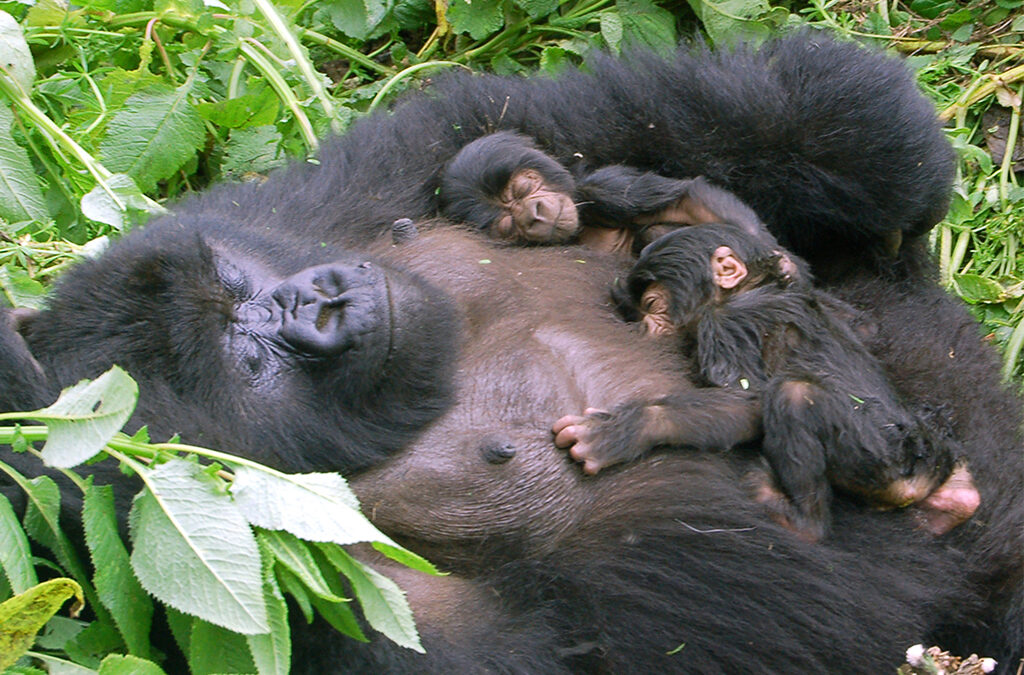
Gorillas are extraordinary primates, renowned not only for their size and strength but also for their social intelligence. These animals are highly social and typically live in groups called families, each led by a dominant male known as a silverback. Depending on the location and availability of food, a gorilla family can consist of anywhere from 10 to 40 individuals. On average, these groups travel between 0.5 and 1.5 kilometers each day as they forage for fresh vegetation and maintain their social bonds.
Gorillas inhabit the tropical rainforests of equatorial Africa, primarily in the eastern region. They are classified into two main species: western gorillas and eastern gorillas. These species are further divided into subspecies, including mountain gorillas, western lowland gorillas, eastern lowland gorillas, and cross-river gorillas. Despite these classifications, all gorilla species share remarkably similar behaviors, lifestyles, and survival adaptations.
Gorilla Families and Social Structure
Gorillas are incredibly social animals. Each group, or troop, is typically led by a silverback the dominant male responsible for protection, decision-making, and maintaining harmony within the family. The silverback’s leadership is critical, as gorillas rely on strong social bonds for survival. Families may also include several adult females and their young, forming tight-knit communities where individuals communicate using gestures, vocalizations, and even facial expressions.
Female gorillas, like human mothers, invest heavily in their offspring. Gestation lasts about nine months, and after birth, mothers diligently care for their babies until they reach maturity. Interestingly, when young gorillas begin practicing nest-building skills, mothers often continue to sleep alongside them for up to four or five years. This behavior ensures the young learn essential survival skills while staying protected from potential threats.
Daily Life and Foraging
A gorilla’s day begins with foraging. These herbivorous primates spend hours searching for leaves, stems, fruits, and occasionally insects. Their diet is rich in fiber and low in fat, providing the energy they need to support their large bodies. After tiring themselves from this activity, gorillas focus on another vital routine: building nests.
Nest building is not just a casual activity it is a critical survival skill. Gorillas construct new nests daily, even if the previous night’s nest is still intact. This habit is passed from mothers to young and even observed in adult males, demonstrating the importance of learning and continuity in gorilla society.
The Art of Nest-Building
Before constructing a nest, gorillas carefully select a safe and secure location. The choice of site depends on various factors, including species, individual preference, and the need to avoid predators. Using tree branches, leaves, and other natural materials, they create circular nests that provide comfort and security.
Some gorillas, especially females, prefer sleeping higher in the trees. Their lighter weight and relative vulnerability make elevated nests a safer choice. In contrast, male gorillas, particularly silverbacks, often sleep on the ground. Mountain gorillas, unique among gorilla species, tend to favor ground nests, while others prefer the canopy. These decisions balance safety, comfort, and practicality, reflecting the adaptability of gorillas to their environment.
Sleeping Patterns and Habits
Gorillas do not sleep in a single block like humans. Instead, they rest in multiple shifts throughout the day. They take breaks during midday, enjoy late afternoon naps, and finally settle down for the night. On average, gorillas sleep around 12 hours per night, though under ideal conditions, they may sleep even longer. This pattern conserves energy for foraging, social interactions, and maintaining their impressive physiques.
Nesting and sleeping are more than just acts of rest they are central to daily routines and overall survival. Dian Fossey, the legendary primatologist, observed that gorillas eat early in the morning, spend afternoons nesting or resting, and have a final meal before retiring for the night. Such consistency demonstrates the intelligence and structured nature of gorilla societies.
Observing Gorillas in the Wild
For wildlife enthusiasts, East Africa offers incredible opportunities to observe gorillas sleeping in their natural habitats. In Uganda, Bwindi Impenetrable National Park is home to nearly half of the world’s mountain gorilla population. Mgahinga Gorilla National Park also provides memorable trekking experiences. Rwanda, though more expensive for trekking permits, is famous for Volcanoes National Park, where visitors can witness the majestic mountain gorillas. Meanwhile, Virunga National Park in the Democratic Republic of the Congo offers the unique chance to see both mountain gorillas and eastern lowland gorillas in one location.
Watching gorillas sleep provides fascinating insights into their intelligence, social structure, and adaptability. Observers can see them carefully selecting nest sites, manipulating branches and leaves to create comfortable resting spots, and interacting socially even during periods of rest. These behaviors underscore the complexity and depth of gorilla societies.
The Significance of Gorilla Nests
Gorilla nests are more than simple sleeping spaces they are symbols of survival, learning, and social bonds. Each nest reflects the gorilla’s environment, physical abilities, and social role. For young gorillas, sleeping alongside their mother teaches vital survival skills, while for adult gorillas, nest-building demonstrates experience and ingenuity.
The way gorillas sleep also illustrates their adaptability. Ground nests for protection, tree nests for safety, and daily construction for comfort all highlight a sophisticated understanding of their surroundings. Through these routines, gorillas show remarkable intelligence and a deep connection to their environment.
Conclusion: Lessons from Gorilla Sleep
In essence, gorillas sleep much like humans, valuing rest, safety, and comfort, yet their methods are uniquely shaped by their environment and social dynamics. Each nest tells a story of maternal care, survival skills, and the intricacies of social life. Observing these gentle giants provides a rare glimpse into a world where intelligence, adaptability, and community coexist in harmony.
By studying gorilla sleeping habits, we gain more than just scientific knowledge we develop a deeper appreciation for the natural world and the extraordinary creatures that inhabit it. Whether on the ground or high among the trees, gorilla nests are enduring symbols of life, learning, and resilience.