Where Can I Do Golden Monkey Trekking in Rwanda and Uganda?
June 10, 2026
What is the Size of Murchison Falls National Park?
June 10, 2026
One of the most common questions travelers ask when planning Rwanda safaris and Uganda safaris is: How difficult is hiking Mount Bisoke or Mount Karisimbi? Both mountains rise within the spectacular Virunga Volcanoes region and offer unforgettable trekking experiences. However, they differ significantly in terms of difficulty, duration, altitude, and physical demands.
For adventure seekers looking to add a mountain trek to their East African safari, these volcanic peaks provide a remarkable opportunity to explore breathtaking landscapes, diverse ecosystems, and some of Africa’s most scenic high-altitude environments. While Mount Bisoke attracts hikers seeking a rewarding day trek, Mount Karisimbi appeals to travelers who want a more challenging multi-day expedition.
Understanding the differences between these two mountains helps visitors choose the trek that best matches their fitness level, experience, and travel goals. Whether you are combining gorilla trekking with volcanic hiking or simply seeking a unique adventure beyond traditional wildlife safaris, both mountains deliver extraordinary experiences that complement Rwanda safaris and Uganda safaris perfectly.
Understanding the Virunga Volcanoes Hiking Experience
Before comparing the difficulty levels of Mount Bisoke and Mount Karisimbi, it is important to understand the environment in which these treks take place.
The Virunga Mountains stretch across Rwanda, Uganda, and the Democratic Republic of Congo. This chain of volcanic peaks forms one of Africa’s most spectacular mountain landscapes and serves as a critical habitat for endangered mountain gorillas. Within Rwanda’s Volcanoes National Park, hikers can explore several volcanoes, including Mount Bisoke and Mount Karisimbi.
Unlike technical mountain climbing, both treks primarily involve hiking on established trails. However, hikers must navigate steep slopes, muddy sections, dense forests, and changing weather conditions. Rain can occur unexpectedly at any time of year, making trails slippery and physically demanding.
Altitude also plays an important role in determining difficulty. As hikers gain elevation, oxygen levels decrease, which can affect breathing and endurance. Therefore, proper preparation and realistic expectations are essential for a successful trek.
How Difficult Is Hiking Mount Bisoke?
Mount Bisoke is often considered the more accessible of the two volcanoes. Rising to approximately 3,711 meters above sea level, it offers a challenging but achievable adventure for most reasonably fit travelers.
The hike typically takes between five and seven hours for the round trip, depending on weather conditions, trail conditions, and individual fitness levels. Most visitors complete the trek within a single day, making it an excellent option for travelers with limited time.
The journey begins at the foothills of Volcanoes National Park, where hikers receive a briefing from park rangers before starting the ascent. Initially, the trail passes through farmland before entering the dense rainforest. As the climb progresses, hikers move through bamboo forests and lush vegetation that create an enchanting atmosphere.
Although the hike does not require technical climbing skills, it involves continuous uphill walking. Some sections become steep, particularly as hikers approach higher elevations. During the rainy season, muddy trails can increase the challenge significantly.
Nevertheless, many first-time hikers successfully reach the summit. The key lies in maintaining a steady pace and taking regular breaks when necessary. Experienced park guides carefully monitor the group’s progress and provide encouragement throughout the trek.
The ultimate reward comes at the summit, where hikers encounter Mount Bisoke’s stunning crater lake. Surrounded by mist-covered volcanic slopes, the lake creates one of the most picturesque views in Rwanda. For many travelers, this breathtaking scenery makes every step worthwhile.
Physical Demands of the Mount Bisoke Trek
Although Mount Bisoke is considered moderately challenging, hikers should not underestimate the physical effort required.
The trail gains significant elevation within a relatively short distance. As a result, leg strength and cardiovascular fitness contribute greatly to overall comfort during the climb. Hikers who engage in regular walking, jogging, cycling, or similar activities typically find the trek manageable.
Altitude may also affect some visitors. Even physically fit individuals can experience mild shortness of breath as they approach the summit. However, because the hike lasts only one day, most trekkers adjust without major difficulties.
Proper hiking boots, waterproof clothing, and sufficient water significantly improve the overall experience. Since weather conditions can change rapidly, preparation remains essential regardless of the season.
For travelers seeking an introduction to volcanic hiking during their Rwanda safaris or Uganda safaris, Mount Bisoke offers the ideal balance between challenge and enjoyment.
How Difficult Is Hiking Mount Karisimbi?
While Mount Bisoke provides a moderate challenge, Mount Karisimbi takes the adventure to an entirely different level.
Standing at approximately 4,507 meters above sea level, Mount Karisimbi is the highest volcano in the Virunga Mountain range. Its greater height, longer trekking duration, and harsher conditions make it one of the most demanding hikes available in Rwanda.
Unlike Mount Bisoke, which can be completed in a single day, Mount Karisimbi typically requires two days. Hikers spend the first day ascending to a designated campsite before continuing to the summit the following morning.
This overnight expedition introduces additional physical and mental challenges. Trekkers must carry personal gear, endure colder temperatures, and spend extended periods at high altitude. Consequently, the trek requires stronger endurance and better overall fitness.
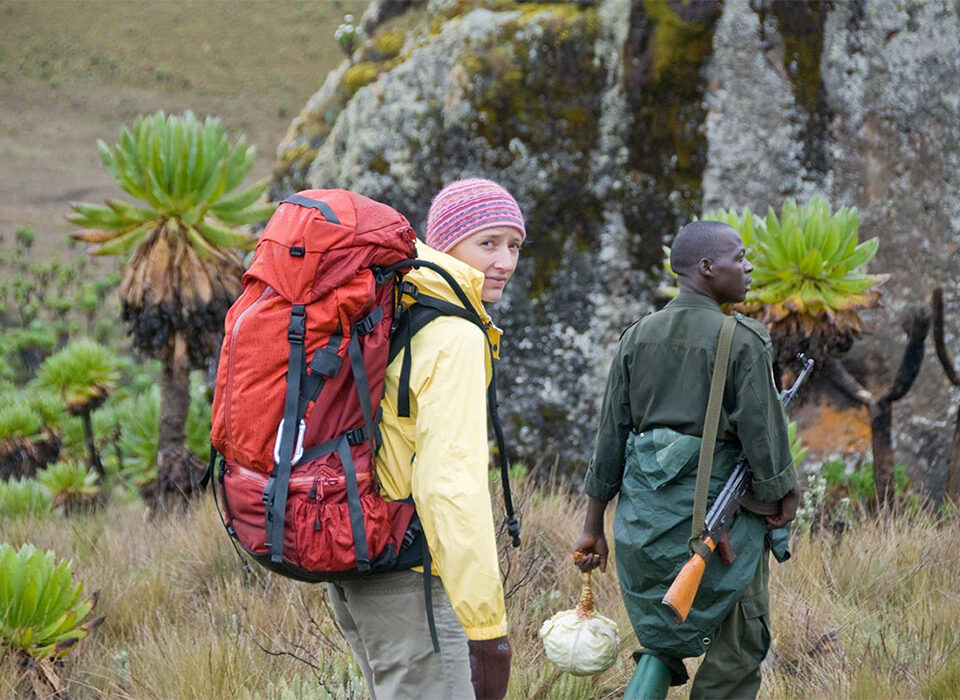
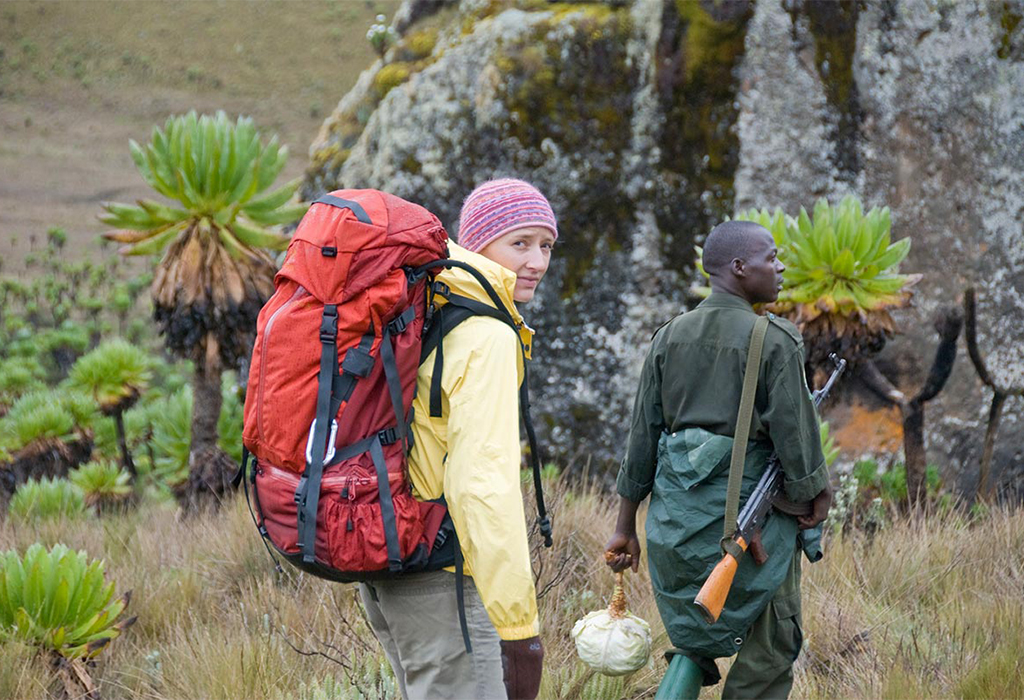
As hikers climb higher, the environment changes dramatically. The route passes through bamboo forests, giant heather zones, and alpine vegetation before reaching the exposed upper slopes near the summit.
Each ecological zone presents unique scenery, but the increasing altitude gradually becomes the most significant challenge.
The Impact of Altitude on Mount Karisimbi
One of the primary reasons Mount Karisimbi is more difficult than Mount Bisoke is its elevation.
At over 4,500 meters, oxygen levels decrease substantially compared to lower altitudes. Many hikers experience symptoms such as fatigue, headaches, dizziness, or shortness of breath during the ascent. While severe altitude sickness is uncommon, proper acclimatization and pacing are important.
Furthermore, temperatures near the summit can drop dramatically, especially during the night at the campsite. Cold winds and changing weather conditions add another layer of difficulty.
For this reason, hikers must carry appropriate clothing, including warm jackets, gloves, and waterproof gear. Good preparation not only improves comfort but also increases the likelihood of reaching the summit successfully.
Despite these challenges, the sense of accomplishment upon standing atop Mount Karisimbi is extraordinary. On clear days, hikers enjoy panoramic views stretching across Rwanda, Uganda, and the Democratic Republic of Congo.
Comparing Mount Bisoke and Mount Karisimbi
When comparing the two mountains, the differences become clear.
Mount Bisoke suits travelers seeking a moderately challenging day hike that delivers spectacular scenery without requiring extensive trekking experience. Most active travelers can complete the climb successfully with reasonable preparation.
In contrast, Mount Karisimbi caters to adventure enthusiasts who desire a more demanding expedition. The longer duration, higher altitude, and overnight camping experience require greater physical fitness and mental resilience.
Travelers who regularly participate in hiking or endurance activities generally find Mount Karisimbi more manageable. Meanwhile, those new to mountain trekking often prefer starting with Mount Bisoke before attempting higher peaks.
Ultimately, neither trek requires technical climbing skills. However, both demand determination, preparation, and a willingness to embrace the physical challenges of high-altitude hiking.
When Is the Best Time to Hike Mount Bisoke or Mount Karisimbi?
The timing of your trek can significantly influence the overall difficulty.
The best periods for hiking both mountains are during Rwanda’s dry seasons, which typically occur from June to September and from December to February. During these months, trails remain relatively dry, visibility improves, and hikers enjoy more favorable weather conditions.
Although trekking remains possible throughout the year, rainy seasons often create muddy and slippery trails. Consequently, climbs become more physically demanding and require additional caution.
Travelers planning Rwanda safaris and Uganda safaris that include volcanic hiking should schedule their adventures during the drier months whenever possible. Doing so enhances both safety and enjoyment.
Why Hike with Experiya Tour Company?
Choosing the right tour operator plays a major role in the success of any mountain adventure. At Experiya Tour Company, we understand that every traveler has unique fitness levels, expectations, and travel goals.
Our experienced guides provide detailed pre-trek briefings, practical hiking advice, and continuous support throughout the journey. We carefully design itineraries that balance adventure, comfort, and safety, allowing travelers to fully enjoy the experience.
Whether you choose the scenic crater lake trek on Mount Bisoke or the demanding summit expedition on Mount Karisimbi, our team ensures that you receive professional guidance every step of the way.
Final Thoughts
So, how difficult is hiking Mount Bisoke or Mount Karisimbi? The answer depends largely on your fitness level, hiking experience, and personal sense of adventure.
Mount Bisoke offers a moderately challenging day hike suitable for most active travelers, while Mount Karisimbi presents a demanding two-day expedition that tests endurance, altitude tolerance, and determination. Both mountains reward hikers with spectacular scenery, unforgettable experiences, and a deeper appreciation for the beauty of the Virunga Volcanoes.
With proper preparation, realistic expectations, and expert support from Experiya Tour Company, either trek can become one of the most memorable highlights of your Rwanda safari and Uganda safari adventure.