

Best Safari Activities To Do in Virunga National Park in 2026
March 5, 2026
The Best Travel Safety Tips for Gorilla Safari Rwanda
March 5, 2026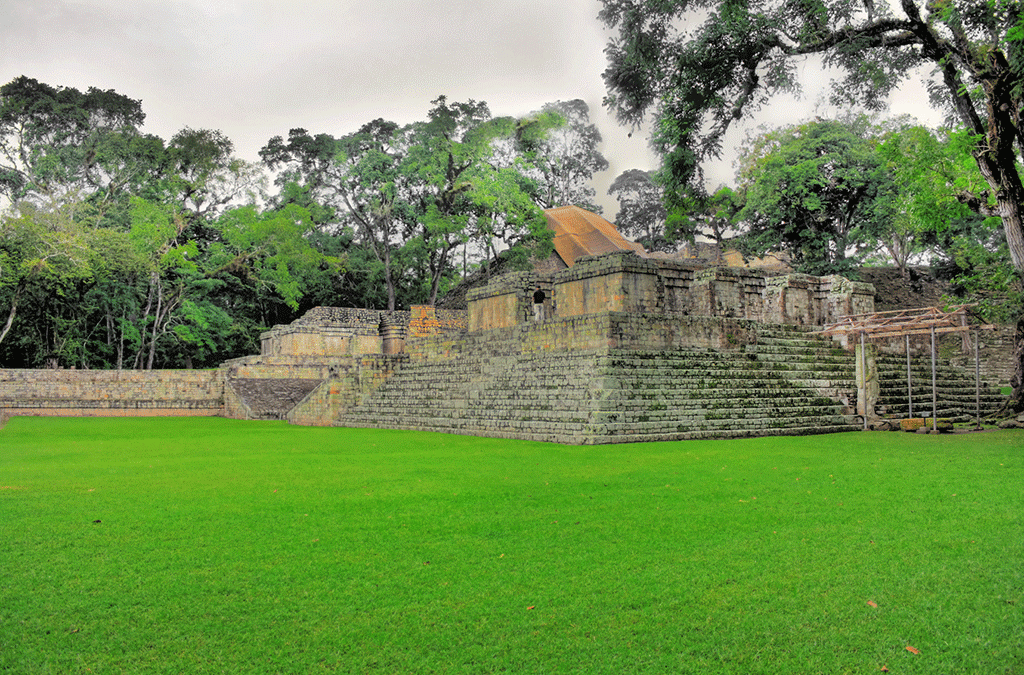
Traveling offers more than beautiful landscapes and wildlife encounters. It also provides the opportunity to explore the past and understand how civilizations developed over centuries. Many travelers now seek destinations that reveal rich cultural heritage, and this is why historical sites and kingdoms have become essential experiences on modern travel bucket lists. These places preserve the stories, traditions, and architectural achievements of ancient societies. When visitors walk through royal palaces, sacred burial grounds, and historic monuments, they step into the living history of a region.
Africa, especially East Africa, holds remarkable examples of historical sites and kingdoms that shaped cultural identity and political systems for generations. Uganda alone hosts powerful traditional kingdoms that still influence cultural life today. Visitors can explore ancient royal compounds, cultural shrines, and heritage museums that explain the origins of these kingdoms. A well-organized cultural safari with Experiya Tour Company allows travelers to combine wildlife adventures with meaningful historical experiences that deepen their understanding of Africa’s past.
Understanding the Importance of Historical Sites and Kingdoms
Many historical sites and kingdoms serve as guardians of cultural heritage. These locations protect royal traditions, architecture, and spiritual practices that have existed for centuries. For example, the famous Kasubi Tombs represent the burial grounds of Buganda kings. This UNESCO World Heritage Site reflects traditional Ganda architecture built from natural materials such as reeds, grass, and wood. Visitors who explore this sacred site learn about the Buganda monarchy and the cultural values that shaped the kingdom.
Historical monuments like these play an important role in preserving African identity. They also educate visitors about leadership systems that existed long before colonial influence. When travelers visit historical sites and kingdoms, they gain a deeper understanding of the cultural pride that communities maintain today. Through guided cultural tours organized by Experiya Tour Company, visitors experience these historic places while respecting local traditions and heritage.
Historical Sites and Kingdoms Reveal the Power of African Monarchies
Several African kingdoms built powerful political structures that governed large territories. These kingdoms developed organized leadership systems, cultural laws, and economic networks that shaped regional development. When travelers explore royal palaces and cultural centers, they discover how traditional leaders ruled their people and maintained social order.
A good example appears at the Kabaka’s Palace, also known as Lubiri Palace. This historic palace represents the official residence of the Kabaka, the king of the Buganda Kingdom. The palace grounds contain monuments that reflect important moments in Uganda’s political history. Guided tours explain the role of the Kabaka and the significance of royal traditions that continue to influence cultural life in Uganda.
Visiting such destinations helps travelers appreciate the legacy of historical sites and kingdoms across Africa. These experiences reveal how African societies preserved order, culture, and diplomacy long before modern governments emerged. Experiya Tour Company includes these cultural landmarks in carefully designed travel itineraries that allow visitors to explore Uganda beyond wildlife safaris.
Why Historical Sites and Kingdoms Should Be on Your Travel Bucket List
Travelers who seek authentic experiences often choose destinations that reveal local culture and traditions. Visiting historical sites and kingdoms allows tourists to interact with cultural guides, explore museums, and observe traditional ceremonies that still take place today. For instance, the Uganda Museum displays archaeological artifacts, musical instruments, and cultural objects that explain the history of Uganda’s kingdoms and ethnic communities.
These cultural attractions create educational experiences that inspire curiosity and respect for diverse traditions. Visitors often leave with a deeper appreciation for Africa’s heritage and cultural resilience. A cultural journey organized by Experiya Tour Company ensures that travelers gain meaningful insights while exploring these historical locations.
Historical Sites and Kingdoms Support Cultural Conservation
Tourism also contributes to the protection of heritage sites. Many governments and cultural institutions rely on tourism revenue to maintain historic monuments and museums. Entrance fees support restoration projects, cultural research, and community programs that preserve traditional knowledge.
When travelers visit historical sites and kingdoms, they help sustain these preservation efforts. Responsible tourism encourages communities to maintain their cultural identity while sharing their history with the world. As more travelers explore cultural destinations, heritage tourism continues to grow as an important pillar of sustainable travel.
Historical Sites and Kingdoms Enrich Travel Experiences
Wildlife safaris attract many visitors to Africa, but cultural tourism adds another dimension to the journey. Exploring historical sites and kingdoms allows travelers to connect wildlife adventures with cultural learning. A safari itinerary that includes royal palaces, cultural villages, and museums creates a well-balanced travel experience.
For example, travelers who visit Uganda can combine gorilla trekking, wildlife safaris, and cultural tours within the same trip. This diverse itinerary offers both natural beauty and historical discovery. Experiya Tour Company specializes in designing such experiences, allowing travelers to explore Uganda’s cultural heritage alongside its famous wildlife attractions.
Planning a Cultural Safari to Historical Sites and Kingdoms
Travelers who plan to visit historical sites and kingdoms should consider working with experienced tour operators. Cultural tours require knowledgeable guides who understand the historical significance of each destination. These guides help visitors interpret architectural features, cultural symbols, and royal traditions.
The best cultural experiences often take place in cities such as Kampala, where several historical landmarks remain easily accessible. Travelers can explore royal palaces, sacred shrines, and museums within a short distance. Cultural festivals and traditional ceremonies also take place throughout the year, offering additional opportunities to experience local heritage.
Professional travel planners such as Experiya Tour Company organize cultural safaris that include transportation, accommodation, and expert guides. These carefully planned tours allow visitors to focus on learning and exploration while enjoying comfortable travel arrangements.
Conclusion
Exploring historical sites and kingdoms provides travelers with a unique opportunity to experience the cultural foundations of African societies. These destinations preserve the stories of powerful monarchies, traditional customs, and architectural achievements that shaped the region’s identity.
Travelers who include cultural heritage destinations in their itineraries gain a richer understanding of the places they visit. Royal palaces, sacred tombs, and historic museums reveal stories that cannot be learned through wildlife safaris alone. When visitors walk through these historic locations, they connect with centuries of tradition and leadership.
For anyone planning a cultural adventure in East Africa, visiting historical sites and kingdoms should remain an essential part of the travel bucket list. With expert guidance from Experiya Tour Company, travelers can explore Uganda’s most important heritage destinations while enjoying a meaningful and educational journey.