Chimpanzee Viewing Safaris in Uganda: A Journey to Ngamba Island
March 11, 2026
What to Expect on the Actual Day of Gorilla Trekking
March 12, 2026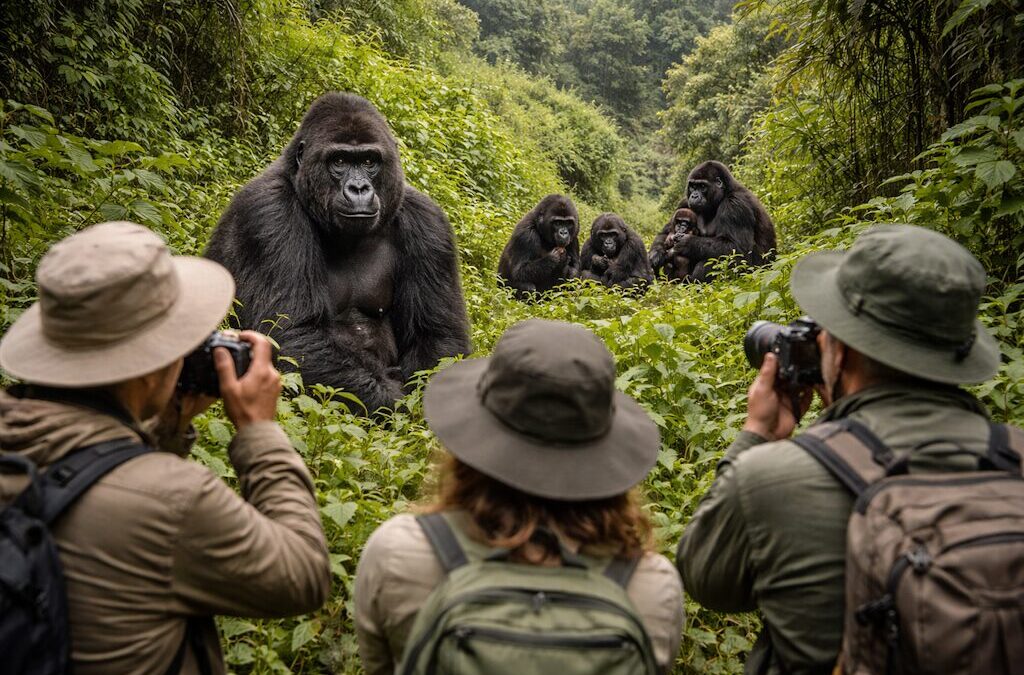
Gorilla trekking in Uganda offers one of the most extraordinary wildlife encounters in the world. Travelers walk through dense rainforest, climb misty hills, and finally meet the majestic mountain gorillas in their natural habitat. However, capturing these moments requires more than just pointing a camera. Understanding the right gorilla trekking photography tips can transform a simple photo into a powerful story of conservation, adventure, and connection with nature. Visitors who plan their photography well enjoy a deeper safari experience while protecting these endangered primates. With expert planning from Experiya Tour Company, travelers can combine adventure and photography to create unforgettable memories in Uganda’s gorilla forests.
Uganda hosts nearly half of the world’s remaining mountain gorillas. These remarkable animals live mainly in Bwindi Impenetrable National Park and Mgahinga Gorilla National Park. The forests provide a dramatic setting for wildlife photography because of the thick vegetation, misty atmosphere, and unique lighting conditions. For photographers and nature lovers alike, learning the best gorilla trekking photography tips before visiting these parks improves both the experience and the final images.
Understanding Gorilla Trekking Photography Tips Before the Adventure
Many travelers focus only on seeing gorillas during a trek. However, learning essential gorilla trekking photography tips before the journey greatly enhances the overall experience. The rainforest environment presents many challenges. Light levels often remain low because of the dense forest canopy. Gorillas also move slowly but constantly, which requires quick adjustments in camera settings.
A visitor who prepares well can capture stunning images without disturbing the animals. Professional safari guides from Experiya Tour Company always brief guests before entering the forest. These briefings help photographers understand the behavior of gorillas and the correct way to position themselves during photography. Such preparation ensures that travelers enjoy both ethical wildlife viewing and high-quality photographs.
Best Gorilla Trekking Photography Tips for Capturing Incredible Moments
Choose the Right Camera Equipment
Selecting suitable equipment remains one of the most important gorilla trekking photography tips for travelers. A camera with strong low-light performance works best in the rainforest environment. Many wildlife photographers prefer DSLR or mirrorless cameras paired with lenses between 70mm and 200mm. This range allows close images without moving too near to the gorillas.
A fast lens with a wide aperture also helps capture clear images under the forest canopy. Photographers should avoid using flash because it disturbs gorillas and violates park regulations. Rangers from the Uganda Wildlife Authority strictly enforce these rules to protect the animals.
Use Natural Light in the Rainforest
Lighting conditions often change quickly in tropical forests. Therefore, understanding natural light becomes a valuable part of gorilla trekking photography tips. Photographers should adjust their ISO settings and shutter speeds to capture sharp images while maintaining natural colors.
Early morning treks often provide soft lighting that enhances the atmosphere of gorilla portraits. The mist and greenery of Bwindi Impenetrable National Park also create a dramatic background. Many photographers find that the rainforest itself adds emotion and depth to each image.
Focus on Gorilla Behavior
One of the most rewarding gorilla trekking photography tips involves observing behavior rather than taking random photos. Mountain gorillas live in family groups led by a dominant silverback. Watching interactions between mothers, infants, and young gorillas often leads to powerful storytelling images.
Photographers should remain patient and watch for natural moments such as grooming, feeding, or playful behavior. Guides from Experiya Tour Company often help visitors anticipate these moments. This guidance allows travelers to capture authentic wildlife interactions while respecting the gorillas’ space.
Why Gorilla Trekking Photography Tips Enhance Your Safari Experience
Many travelers discover that photography transforms the entire trekking experience. Instead of simply watching the gorillas, photographers observe details such as facial expressions, movements, and family dynamics. These small details create emotional connections with the animals and their environment.
Following practical gorilla trekking photography tips also encourages responsible tourism. Visitors remain calm, move slowly, and avoid actions that might disturb the gorillas. This respectful approach aligns with conservation guidelines established by the Uganda Wildlife Authority. As a result, tourism continues to support the protection of mountain gorillas and their fragile habitat.
Safari companies such as Experiya Tour Company also educate visitors about conservation efforts. Tourists learn how their gorilla trekking permits support wildlife protection, ranger salaries, and community projects near the parks.
Planning Your Gorilla Photography Safari in Uganda
Travelers who want to capture unforgettable gorilla images should plan their safari carefully. The best photography experiences often occur in Uganda’s renowned gorilla habitats, including Bwindi Impenetrable National Park and Mgahinga Gorilla National Park. These parks offer different landscapes and gorilla families, which provide diverse photography opportunities.
Working with experienced safari operators like Experiya Tour Company ensures that visitors receive professional guidance throughout the trip. From securing gorilla permits to organizing comfortable lodges near the parks, the company helps photographers focus fully on the adventure.
Conclusion
A gorilla trekking safari already ranks among the most remarkable wildlife experiences on Earth. However, learning and applying the right gorilla trekking photography tips elevates the adventure to another level. Photography encourages travelers to slow down, observe wildlife carefully, and appreciate the beauty of the rainforest ecosystem.
Uganda offers a rare opportunity to see endangered mountain gorillas in their natural environment. Capturing these moments through photography creates lifelong memories and powerful conservation stories. With proper preparation and expert guidance from Experiya Tour Company, travelers can enjoy an unforgettable journey while documenting one of the planet’s most iconic wildlife encounters.