How Tourists Can Fund Local Conservation Projects in Kenya
January 29, 2026
Adventure Experiences on Lake Victoria: Uganda’s Sparkling Jewel
January 29, 2026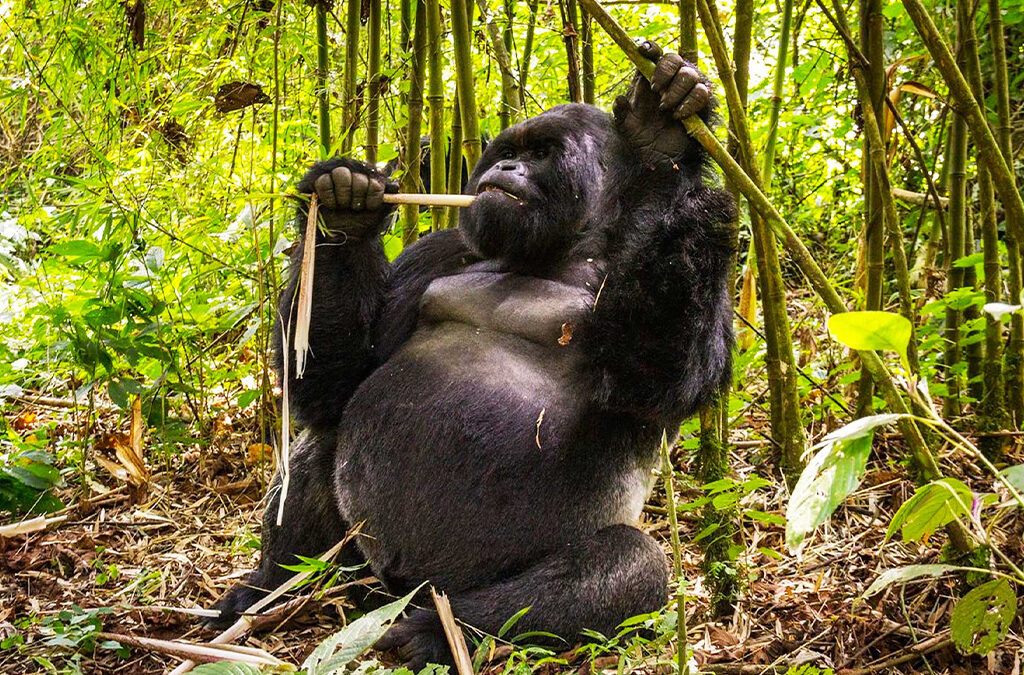
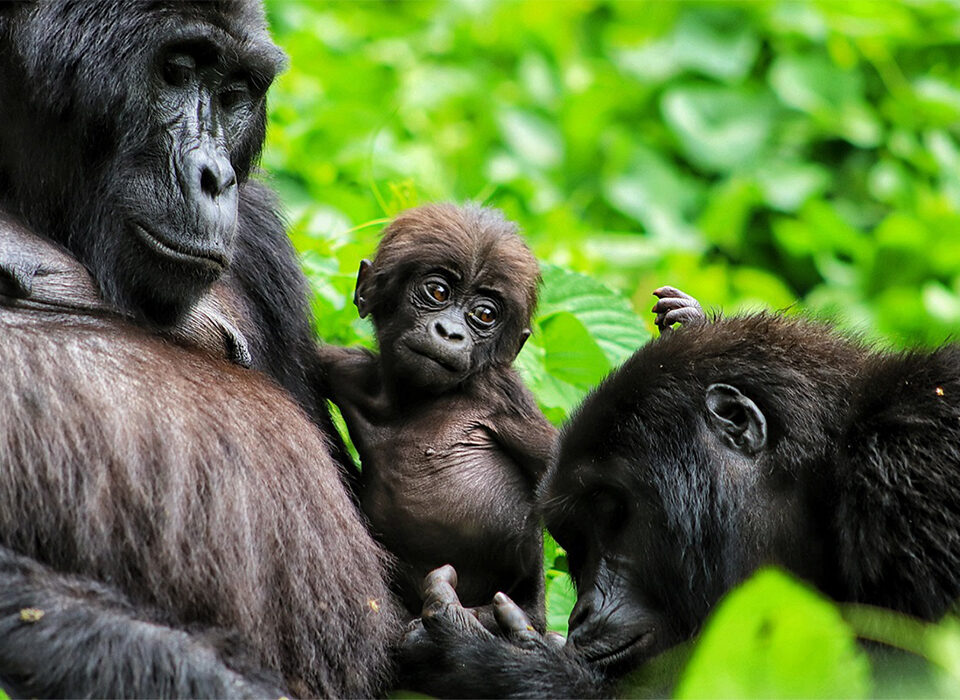
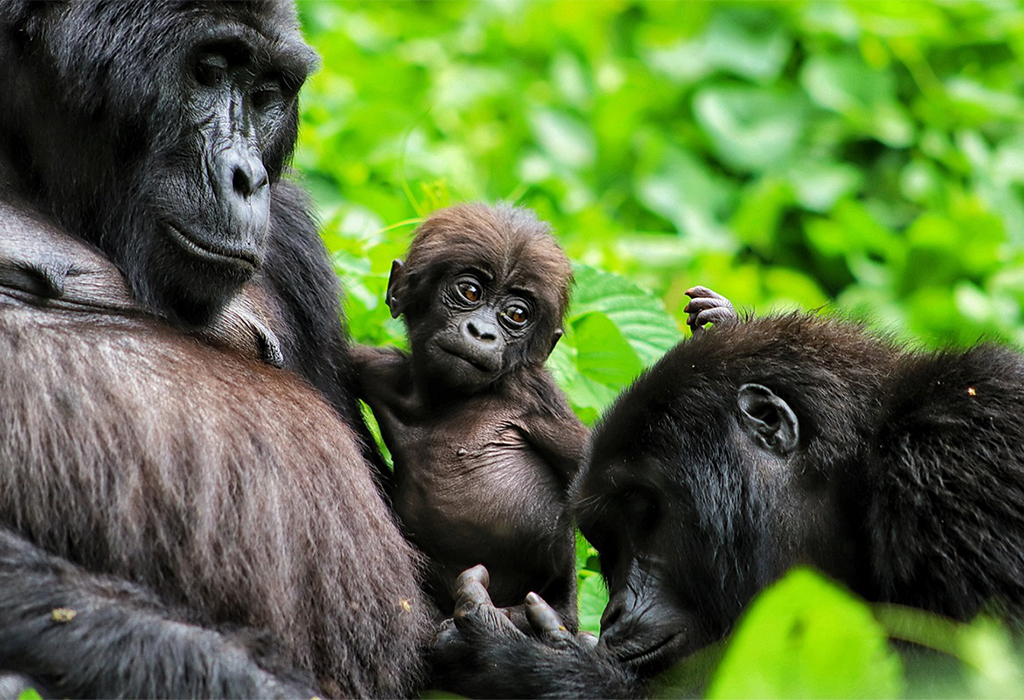
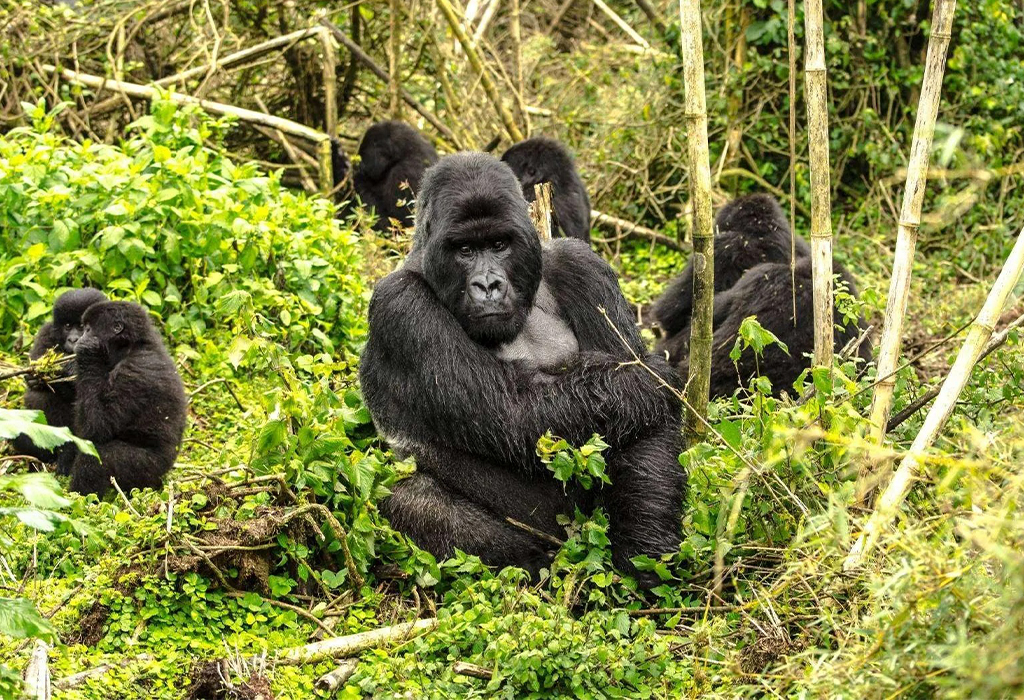
Gorilla trekking in Congo offers one of Africa’s most immersive and least commercialized wildlife experiences. In this remarkable country, travelers venture deep into dense equatorial forests, encountering gorillas in their natural habitat with minimal human interference. Unlike more popular destinations, trekking in Congo feels raw and authentic, drawing visitors who value conservation-focused experiences and meaningful wildlife encounters.
Congo is the only place in Africa where you can observe both mountain gorillas and eastern lowland gorillas. Trekking here goes beyond simply seeing these magnificent creatures; it allows travelers to understand their environment, engage with local communities protecting them, and witness the ongoing conservation efforts ensuring their survival.
Why Choose Congo for Gorilla Trekking?
Congo stands out for its incredible biodiversity, vast protected forests, and relatively low visitor numbers. Smaller trekking groups create intimate encounters with gorillas, while the quieter atmosphere enhances the feeling of being truly immersed in the wilderness. Additionally, gorilla permits in Congo tend to be more affordable than in neighboring countries, providing excellent value without compromising the quality of the experience.
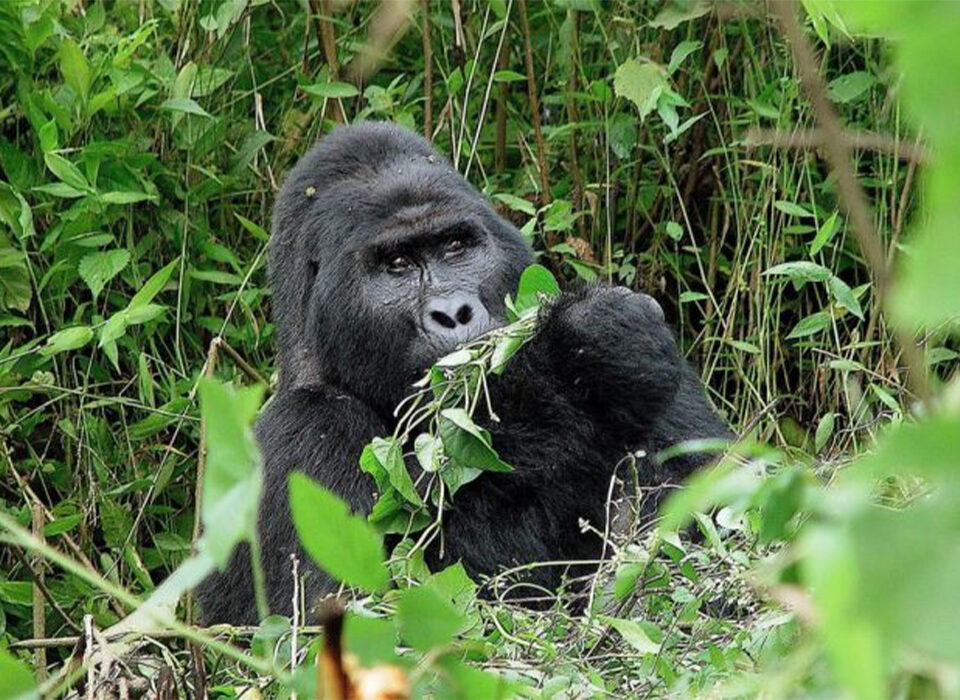
Wildlife enthusiasts especially appreciate the opportunity to see eastern lowland gorillas, the largest of all gorilla subspecies, which are found only in Congo. This makes the destination unique, even for repeat trekkers or researchers. For travelers interested in conservation, Congo provides firsthand insight into one of Africa’s most inspiring wildlife protection stories, blending adventure with education.
Gorilla Species Found in Congo
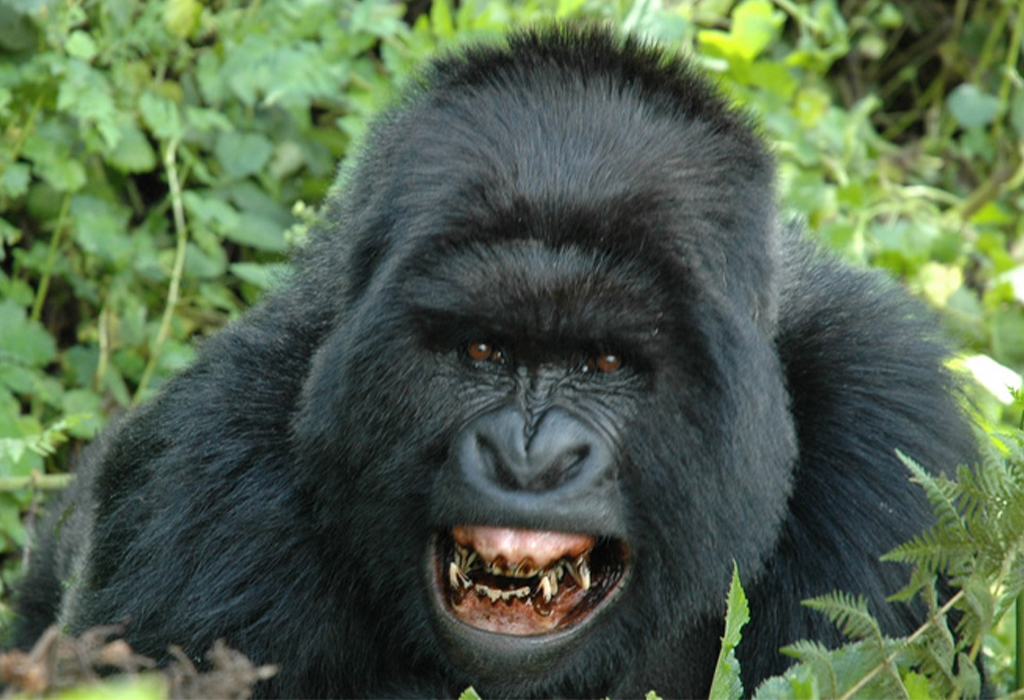
Congo hosts two distinct gorilla species, each offering a different trekking experience. Mountain gorillas inhabit the volcanic forests of Virunga National Park, where treks traverse steep montane terrain and often reveal dramatic views of volcanoes and lava plains. On the other hand, eastern lowland gorillas, also called Grauer gorillas, live in the lowland rainforests of Kahuzi Biega National Park near Lake Kivu. Trekking in this area immerses visitors in dense, humid forests, offering a sense of truly untouched wilderness. The variation in terrain, forest type, and gorilla behavior ensures that every trekking adventure in Congo is unique and unforgettable.
Where Gorilla Trekking Takes Place
Virunga National Park is the most famous gorilla destination in Congo. Its landscapes combine volcanoes, lava plains, and lush montane forests, and the gorilla families are well habituated to visitors. Trekking difficulty varies depending on their location, ranging from moderate forest walks to challenging uphill hikes.
Kahuzi Biega National Park, home to eastern lowland gorillas, offers a contrasting experience. Although the terrain is less mountainous, the dense vegetation and humid conditions make treks physically demanding. Visitors here experience a deeper sense of wilderness, enjoying an off-the-beaten-path adventure that feels far removed from commercial tourism.
Sample Gorilla Trekking Itinerary in Congo
A typical gorilla trekking trip in Congo lasts four to six days, depending on the park and travel logistics. On the first day, travelers arrive in either Goma, near Virunga, or Bukavu, near Kahuzi Biega, often connecting through Rwanda or Uganda. After transferring to the park headquarters and completing formalities, visitors attend a briefing on park regulations and spend the night at a nearby lodge.
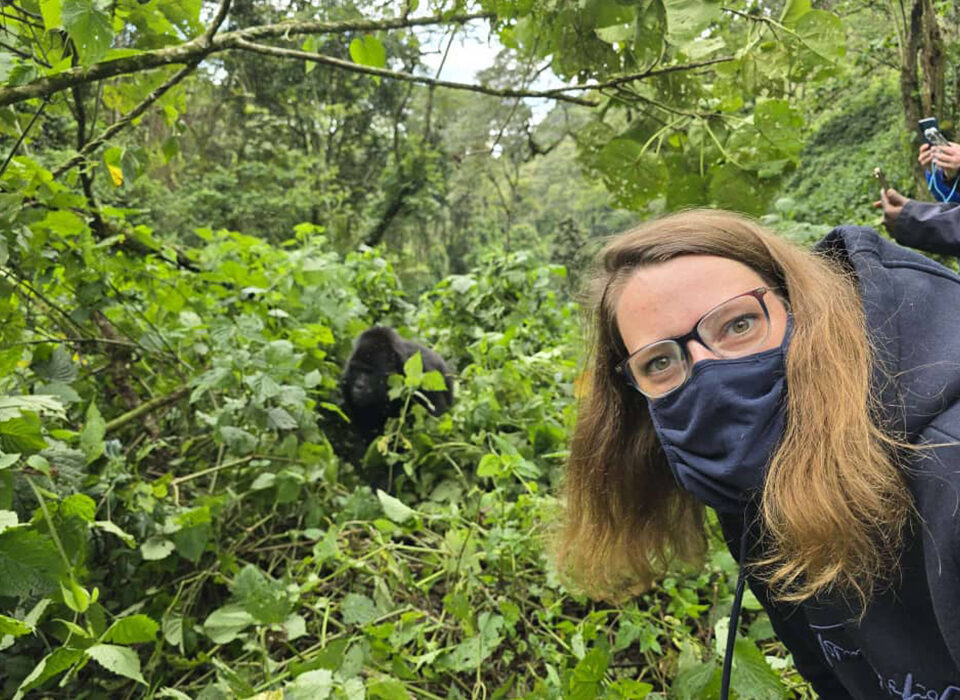
On the second day, trekkers begin early with a session led by park rangers, who assign small groups to specific gorilla families to minimize disturbance. Treks can last anywhere from two to six hours, depending on gorilla movements. Once the gorillas are located, visitors spend one hour observing them as they feed, rest, and interact. The afternoon may include rest or a visit to a nearby community.
The third day offers additional activities such as nature walks, birdwatching, or cultural visits in Virunga. In Kahuzi Biega, travelers can explore lowland forest trails or engage in conservation sessions with park staff. On the fourth day, visitors return to Goma or Bukavu and continue onward to Kigali or Entebbe, depending on flight schedules. Longer itineraries may include extra hikes, cultural experiences, or a second gorilla trek if permits allow.
Trekking Experience and Difficulty
Gorilla trekking in Congo requires moderate fitness. Mountain terrain can be steep, muddy, and humid, while lowland forests are dense and challenging to navigate. Highly trained rangers guide every trek, ensuring safety and sharing valuable insights about the forest ecosystem.
Hiring a porter is highly recommended. Porters carry luggage and assist on difficult sections of the trail, making the trek more comfortable. The physical effort pays off with intimate encounters in pristine forests and the rare opportunity to observe gorillas behaving naturally.
Best Time for Gorilla Trekking
Trekking is possible throughout the year, but weather conditions influence the experience. During the drier months of June through September and December through February, trails are easier to navigate, forest visibility improves, and hiking is more comfortable. The wetter months, from March to May and October to November, bring slippery trails, but the forests are lush, visitors are fewer, and photography conditions are excellent. Gorilla permits are valid year-round, allowing travelers flexibility in planning their trip.
Gorilla Trekking Permits and Regulations
Permits are mandatory for all gorilla treks and are issued by park authorities. Each permit grants one hour with a gorilla family under ranger supervision. Visitors must maintain a safe distance from gorillas, keep noise to a minimum, follow ranger instructions, and be in good health to prevent disease transmission. These rules protect both gorillas and trekkers while supporting vital conservation efforts.
Accommodation Options
Accommodations near Congo’s gorilla parks range from simple lodges to eco-friendly properties. Staying close to park boundaries reduces travel time on trekking mornings. Many lodges prioritize sustainability, using locally sourced food and employing community members. This approach provides travelers with an immersive experience while directly supporting local development.
Safety and Conservation Considerations
Safety remains a top priority during gorilla treks. Rangers coordinate visitor movements and enforce regulations to ensure everyone’s well-being. Conservation in Congo faces unique challenges, and visitor fees play a critical role in funding ranger operations, community programs, and wildlife protection. By following guidelines and respecting local advice, visitors contribute to the long-term survival of these incredible animals.
Cultural and Community Interaction
Gorilla trekking in Congo is closely connected to local communities. Residents often work as guides, porters, lodge staff, and conservation educators. Travelers can learn about traditional forest use, local culture, and how conservation initiatives support education and health programs. These interactions add depth to the trekking experience, highlighting responsible and sustainable tourism.
What to Pack for Gorilla Trekking
Proper preparation enhances the trekking experience. Travelers should wear long-sleeved shirts and neutral-colored pants, and gloves can help with gripping vegetation. Waterproof hiking boots are essential, while a lightweight rain jacket, small backpack, water, snacks, and a camera complete the gear list. Hiring a porter supports the local community and makes navigating challenging trails easier.
Conclusion
Gorilla trekking in Congo offers a truly extraordinary adventure. Visitors have the rare opportunity to observe both mountain and eastern lowland gorillas in some of Africa’s most biodiverse and untouched forests. Beyond the wildlife, travelers experience authentic cultural interactions and contribute directly to conservation and community development.
For those seeking adventure, authenticity, and meaningful wildlife encounters, Congo stands as one of Africa’s most rewarding gorilla trekking destinations