Tracking Chimpanzees in Kalinzu Forest
February 23, 2026
Chimpanzee Trekking Price for Kalinzu and Budongo Forest
February 24, 2026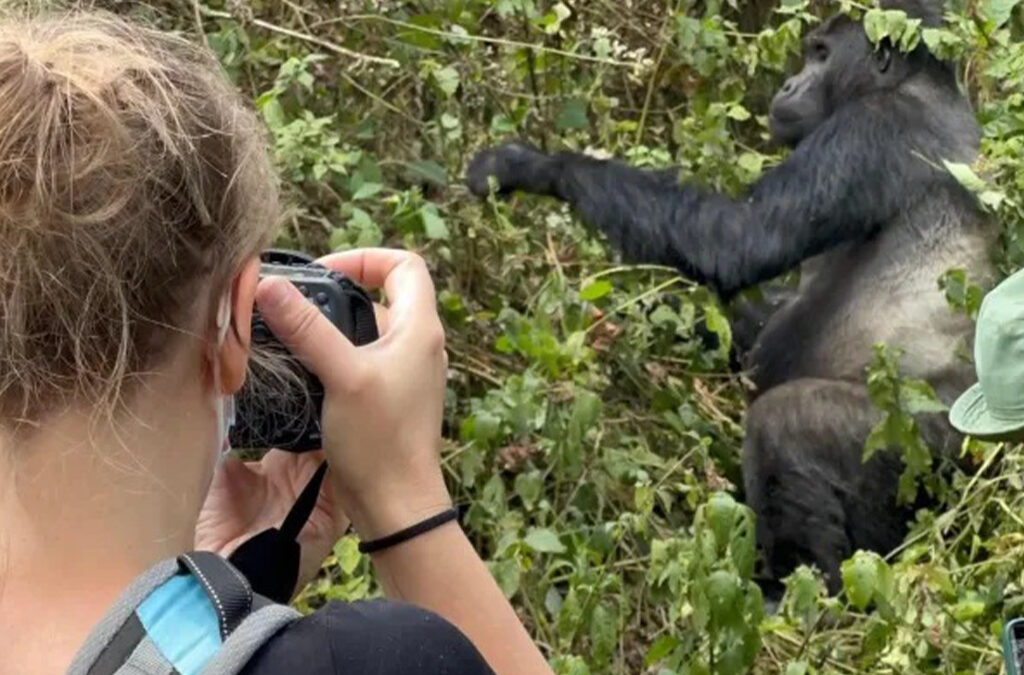
Gorilla tracking rules and regulations exist to protect both endangered mountain gorillas and the travelers privileged to observe them. At Experiya Tour Company, we guide guests through one of Africa’s most powerful wildlife experiences while ensuring strict adherence to conservation standards.
Across Uganda, Rwanda, and the Democratic Republic of the Congo, wildlife authorities enforce similar regulations to guarantee that gorilla tourism remains sustainable, safe, and beneficial to local communities. Therefore, when you trek with Experiya Tour Company, you do more than enjoy an unforgettable encounter you actively contribute to conservation and responsible travel.
Before every trek begins, our team carefully prepares you. We clearly explain each rule, highlight its purpose, and ensure you understand how your actions directly protect gorillas, their fragile habitat, and the surrounding communities.
Brief Facts About Mountain Gorillas
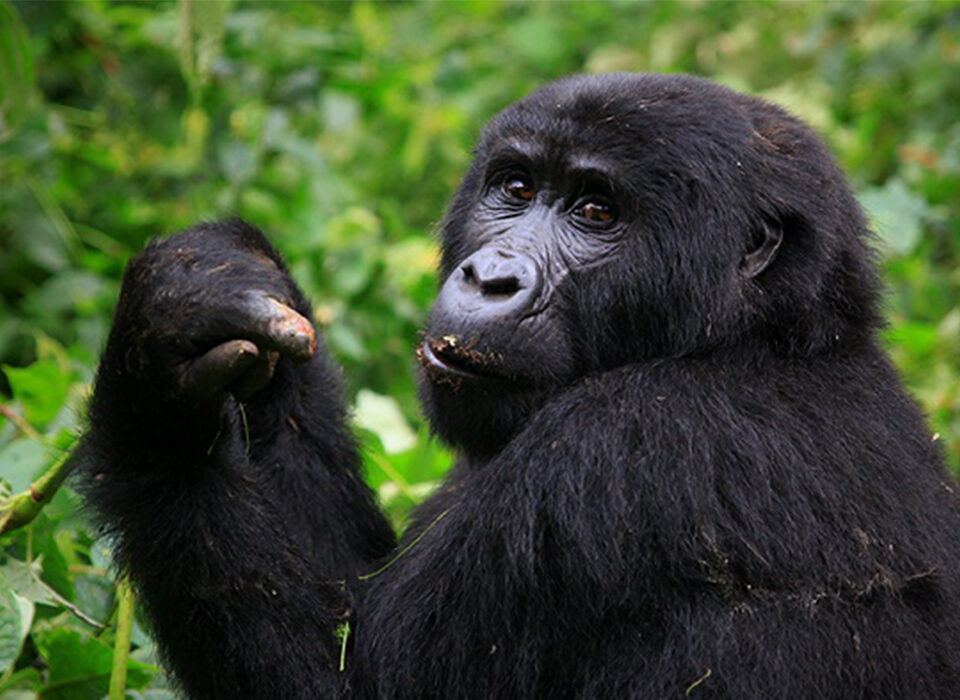
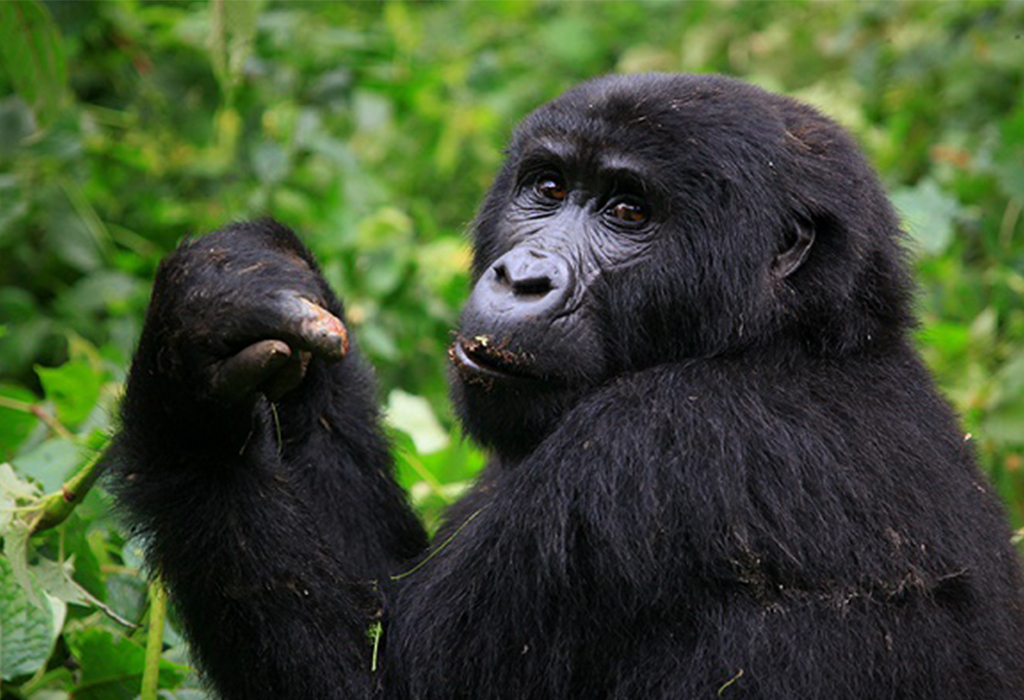
Mountain gorillas remain among the world’s most endangered primates. Today, slightly over 1,000 individuals survive in the wild, living in two isolated populations: the Virunga Massif (shared by Uganda, Rwanda, and DR Congo) and Uganda’s Bwindi Impenetrable National Park. Thanks to consistent conservation efforts, their numbers have slowly increased over the past decades an inspiring success story in wildlife protection.
Male mountain gorillas develop their distinctive silver back between 11 and 13 years of age. This transformation marks maturity and signals leadership potential. The dominant silverback leads the family group, protects members from threats, and guides daily movements. Meanwhile, females typically reach reproductive maturity around 10 years old.
These gorillas inhabit high-altitude forests, thriving at elevations of up to 3,500 meters. They live in structured family groups that usually consist of 8 to 15 individuals, although some groups exceed 20 members. Interestingly, females often transfer between families, which means not all members share direct blood relations.
By choosing Experiya Tour Company, you directly support the conservation programs, park rangers, and community initiatives that safeguard these remarkable primates.
Gorilla Tracking Rules in Uganda, Rwanda, and DR Congo
To protect gorillas from disease transmission and behavioral disruption, authorities enforce strict trekking regulations. Below are the essential rules you must follow.
- Health Requirements
If you have a communicable illness such as flu, cough, diarrhea, or any respiratory infection, you must not participate in gorilla tracking. Because gorillas share approximately 98% of their DNA with humans, they are extremely vulnerable to human diseases. Even a common cold can have devastating consequences for a gorilla family.
For this reason, Experiya Tour Company encourages honest disclosure of any illness before trekking. In some cases, authorities may reschedule your trek to protect the gorillas.
- Maintain a Safe Distance
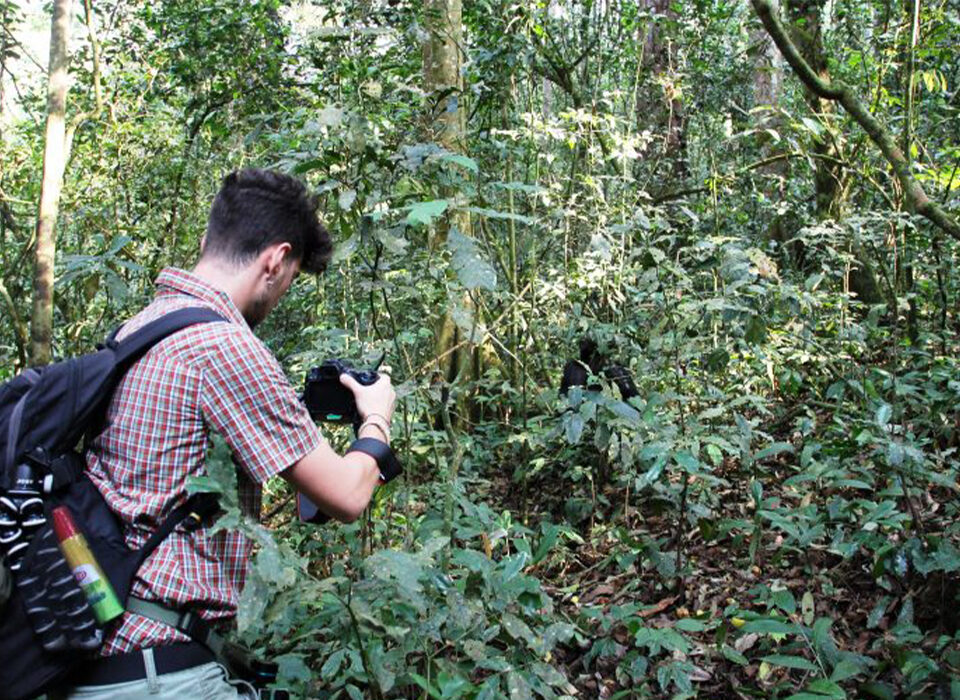
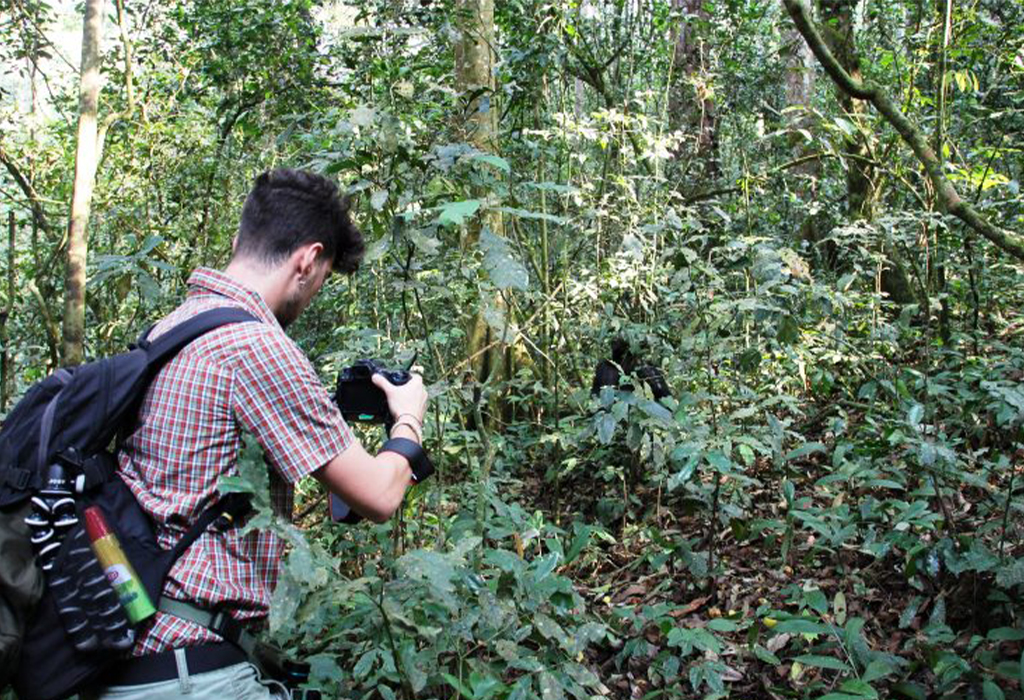
You must keep a minimum distance of 7 meters (about 23 feet) from the gorillas at all times, as per updated conservation guidelines. Although gorillas may approach you out of curiosity, you should slowly step back to re-establish the required distance.
Your ranger guide will constantly monitor spacing to ensure everyone remains compliant and safe.
- Stay in a Compact Group
Never surround the gorillas. Instead, remain in a tight group and follow your ranger’s instructions regarding positioning. This approach minimizes stress on the gorillas and prevents defensive reactions.
- Avoid Flash Photography
Flash photography is strictly prohibited. Flash can startle gorillas and trigger unnecessary stress. Therefore, adjust your camera settings beforehand to accommodate forest lighting conditions.
- Do Not Eat or Smoke Near Gorillas
You may not eat, drink (except water when permitted), or smoke within at least 200 meters of the gorillas. Food scents can attract them and interfere with their natural feeding behavior.
- Practice Proper Hygiene
If you need to cough or sneeze, turn away from the gorillas and cover your mouth and nose properly. Additionally, if you must relieve yourself during the trek, your ranger will instruct you to dig a hole at least 30 centimeters deep and bury waste completely.
Importantly, never spit on vegetation or soil within the park.
- Respect Age Restrictions
Only individuals aged 15 years and above may participate in gorilla trekking. Authorities strictly enforce this rule to ensure safety, emotional maturity, and responsible behavior during encounters.
- Respect the Environment
Leave no trace behind. Carry out all litter and avoid damaging vegetation unnecessarily. Experiya Tour Company actively promotes eco-friendly travel practices to preserve these forests for future generations.
- Follow Ranger Instructions at All Times
Rangers understand gorilla behavior intimately. Therefore, always follow their guidance promptly and respectfully. Their instructions ensure both your safety and the gorillas’ well-being.
Habituated Gorilla Groups in Bwindi Impenetrable National Park
Bwindi Impenetrable National Park protects nearly half of the world’s remaining mountain gorillas. The park divides trekking activities into four sectors: Buhoma, Ruhija, Nkuringo, and Rushaga. Experiya Tour Company organizes treks in all sectors based on your fitness level, accommodation preference, and permit availability.
Buhoma Sector
Located at approximately 1,160 meters above sea level, Buhoma sits at the lowest altitude in Bwindi. As a result, trekking here is generally more manageable. The sector also features scenic waterfalls and excellent birdwatching opportunities.
Notable families include Mubare (one of the first habituated groups in 1993), Habinyanja, Rushegura, Katwe, Muyambi, and Binyindo. Group sizes change over time due to births, deaths, and transfers, so exact numbers may vary.
Ruhija Sector
At about 2,607 meters above sea level, Ruhija represents the highest sector in Bwindi. Consequently, treks here can be steeper and more physically demanding.
Families in this sector include Bitukura, Kyaguriro (often monitored for research), Mukiiza, and Oruzogo.
Nkuringo Sector
Situated along Nteko Ridge at approximately 2,000 meters, Nkuringo offers spectacular views of the Virunga Volcanoes. However, trekking here can be challenging due to steep terrain.
Key groups include Nkuringo, Bushaho, and Christmas. Additionally, Nkuringo sector sometimes offers gorilla habituation experiences, allowing visitors to spend extended time (up to four hours) with a semi-habituated group.
Rushaga Sector
Rushaga hosts the highest number of habituated gorilla families in Bwindi. Because of this, it often provides greater permit availability.
Families here include Kahungye, Bweza, Nshongi, Mishaya, Busingye, Kutu, and others. Group compositions evolve naturally, reflecting the dynamic social structure of gorillas.
Habituated Gorilla Groups in Volcanoes National Park, Rwanda
Volcanoes National Park protects Rwanda’s mountain gorillas within the Virunga Massif. Treks begin at Kinigi headquarters and vary in difficulty depending on the assigned family’s location.
Prominent families include Susa (once one of the largest groups), Karisimbi (known for more challenging hikes), Amahoro (often considered calm), Sabyinyo (relatively accessible), Hirwa, Kwitonda, Agashya, Umubano, Bwenge, and Ugenda. As in Bwindi, group sizes and leadership structures naturally change over time.
What to Pack for Gorilla Trekking
Proper preparation enhances both comfort and safety. Experiya Tour Company recommends bringing a waterproof rain jacket, a hat, insect repellent, binoculars, and a camera without flash capability.
Additionally, wear sturdy waterproof hiking boots with good grip, long-sleeved shirts and trousers for protection against insects and vegetation, and gardening gloves for holding onto branches during steep climbs.
Do not forget sunscreen, sufficient drinking water, and energy snacks to sustain you during the trek.
Conclusion
Gorilla trekking is far more than a wildlife activity it is a deeply moving conservation experience. When you book your safari with Experiya Tour Company, you directly support protected areas, empower local communities, and contribute to the survival of mountain gorillas.
Whether you trek in Uganda, Rwanda, or DR Congo, Experiya Tour Company ensures professional guidance, strict adherence to conservation regulations, and a meaningful journey into the natural habitat of one of the world’s most extraordinary primates.