Climbing Adventures on Mount Kenya
March 12, 2026
Tourist Guide to Ugandan Local Food
March 14, 2026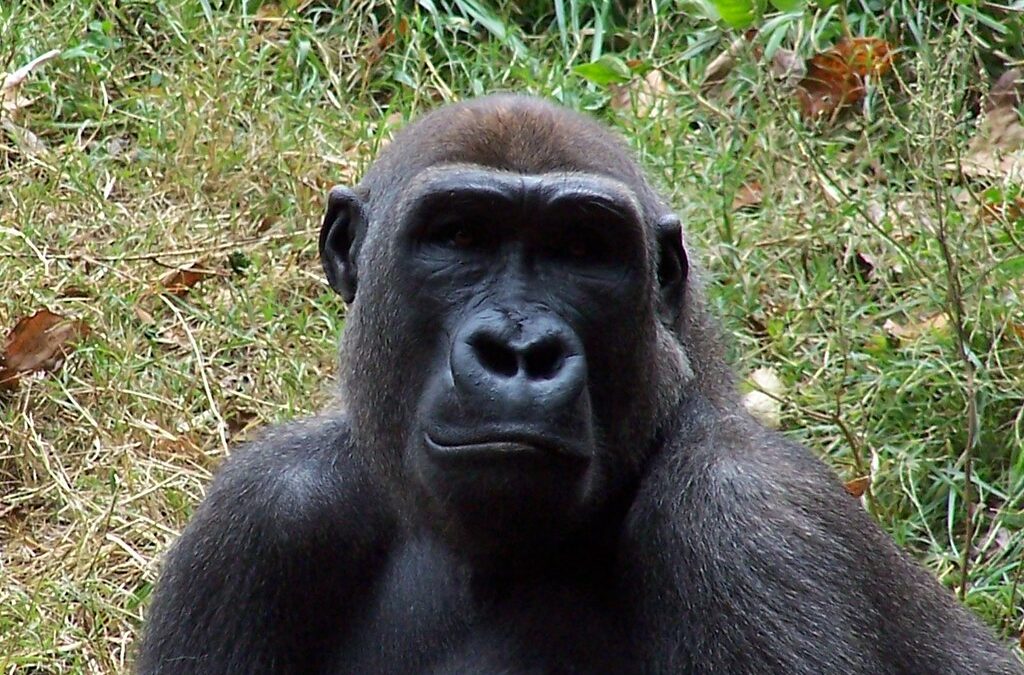
Few wildlife experiences compare to encountering mountain gorillas in their natural habitat. Deep in the misty forests of Central and East Africa, these rare primates live in small family groups surrounded by ancient mountains and dense vegetation. Over the past few decades, gorilla conservation tourism has played a crucial role in protecting these endangered animals. Carefully managed tourism generates funds for conservation programs, supports local communities, and encourages governments to protect gorilla habitats. When travelers visit gorilla destinations through responsible operators like Experiya Tour Company, they actively contribute to the survival of one of the world’s most remarkable species. For adventure seekers and nature lovers alike, participating in gorilla tourism offers a meaningful travel experience that combines exploration with conservation.
Gorilla Conservation Tourism Helps Protect Endangered Mountain Gorillas
Mountain gorillas remain among the rarest primates on Earth. Today, they live only in the protected forests of Bwindi Impenetrable National Park, Volcanoes National Park, and Virunga National Park. Conservationists once feared that these gorillas might disappear completely due to poaching, habitat destruction, and human conflict. However, gorilla conservation tourism has helped reverse this trend.
Governments in Uganda, Rwanda, and Democratic Republic of the Congo now rely on tourism revenue to fund park protection. Permit fees directly support ranger patrols, research projects, and veterinary care for injured gorillas. Because of this funding, conservation programs can monitor gorilla families and respond quickly to threats.
As a result, mountain gorilla numbers have slowly increased in recent years. This rare conservation success shows how responsible tourism can protect endangered wildlife.
Gorilla Conservation Tourism Supports Local Communities
One of the strongest reasons to support gorilla conservation tourism lies in its benefits for local communities. Villages surrounding gorilla habitats now earn income from tourism activities such as guiding, lodging, handicraft sales, and cultural performances. When communities gain financial benefits from wildlife tourism, they develop a strong incentive to protect the forests where gorillas live.
In many areas, a portion of gorilla permit fees goes directly to community development projects. These projects help build schools, health centers, and clean water systems. Local residents also gain employment opportunities as park rangers, trackers, porters, and hospitality staff.
Companies such as Experiya Tour Company play a key role by working closely with local communities. Responsible tour operators ensure that tourism revenue spreads fairly and supports sustainable development across the region.
Gorilla Conservation Tourism Creates Strict Wildlife Protection Rules
Another reason why gorilla conservation tourism matters is the strict protection system surrounding gorilla trekking. Wildlife authorities limit the number of visitors who can track each gorilla family every day. Small trekking groups reduce stress on the animals and protect their natural behavior.
Visitors must also follow clear guidelines. Tourists maintain a safe viewing distance, wear masks when necessary, and avoid direct contact with the gorillas. These rules reduce the risk of disease transmission between humans and wildlife.
Because these regulations remain carefully enforced, gorillas continue living in a natural and undisturbed environment. Travelers who follow these guidelines become active partners in conservation.
It Offers a Once-in-a-Lifetime Wildlife Experience
Beyond conservation benefits, gorilla conservation tourism delivers one of the most powerful wildlife encounters on the planet. After hiking through dense forests and mist-covered mountains, trekkers finally meet a gorilla family resting or feeding in the vegetation.
Watching a massive silverback calmly protect his family leaves a lasting impression. Young gorillas tumble through the undergrowth while mothers groom their infants nearby. These moments feel deeply personal and often emotional for visitors.
Guides from Experiya Tour Company help travelers understand gorilla behavior during the trek. Their expertise ensures both safety and a deeper appreciation of these intelligent animals.
It Encourages Global Awareness
Tourism also raises international awareness about the importance of protecting endangered species. Travelers who participate in gorilla conservation tourism often return home with a stronger commitment to conservation. Many share their experiences through photos, stories, and conservation campaigns.
This global attention encourages continued support for wildlife protection programs. Governments, conservation groups, and researchers can then collaborate more effectively to safeguard gorilla habitats.
As more travelers choose responsible tourism experiences, the future for mountain gorillas becomes brighter.
Conclusion
Protecting endangered wildlife requires cooperation between governments, communities, conservationists, and travelers. Gorilla conservation tourism demonstrates how this partnership can succeed. Tourism revenue protects gorilla habitats, supports local communities, and funds vital conservation programs.
At the same time, travelers gain a once-in-a-lifetime opportunity to observe mountain gorillas in the wild. With expert planning and responsible guiding from Experiya Tour Company, visitors can explore the forests of East Africa while contributing to the survival of these magnificent primates.
Adding gorilla trekking to your travel bucket list therefore offers more than adventure. It allows you to participate directly in one of the most inspiring conservation success stories in the world.