

Top Primate Species Found in Uganda and Rwanda
January 22, 2026
What is the difference between backpacking and hiking?
January 22, 2026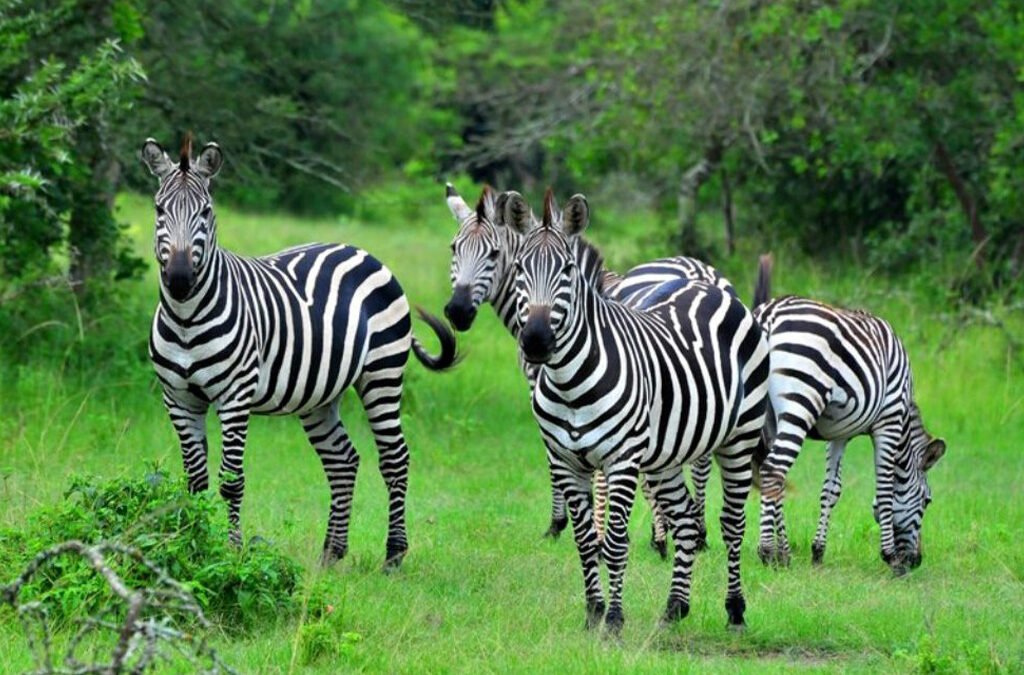
Lake Mburo National Park is one of Uganda’s ten national parks and stands out as one of the country’s premier savannah parks. Despite receiving a considerable number of visitors every year, there remains much that people want to know about this unique destination. To help travelers plan their visit, we have compiled answers to the most frequently asked questions about Lake Mburo National Park.
Where is Lake Mburo National Park Located?
Lake Mburo National Park is located in western Uganda, within Kiruhura District, off the Mbarara-Masaka Road. It lies approximately 240 kilometers from Kampala, Uganda’s capital city. The park’s location makes it accessible for both domestic and international visitors seeking a short safari getaway or a longer wildlife experience. Its proximity to Mbarara Town provides convenient access to local amenities, while the surrounding countryside offers scenic landscapes and rolling hills that set the stage for an unforgettable safari.
How Large is Lake Mburo National Park?
Lake Mburo National Park covers an area of roughly 260 square kilometers (about 100 square miles). While this makes it smaller compared to some of Uganda’s other national parks, its size contributes to a more intimate wildlife experience. Visitors often remark on the park’s manageable size, which allows them to explore a wide variety of ecosystems—including grasslands, woodlands, wetlands, and the lake shores—without feeling rushed.
What Makes Lake Mburo National Park Special?
The park is named after Lake Mburo, which lies at its heart and serves as its main attraction. However, the park’s appeal extends far beyond the lake. Lake Mburo National Park is home to over 350 species of birds and more than 50 mammal species, including impalas, zebras, buffaloes, and hippos. The combination of diverse ecosystems and abundant wildlife makes it a prime destination for nature enthusiasts, birdwatchers, and photographers.
The park’s scenery is equally captivating. Visitors can enjoy open savannahs dotted with acacia trees, forested hills, and the shimmering waters of the lake itself. These varied landscapes provide a stunning backdrop for wildlife viewing and make every safari in the park a unique experience.
What Activities Can Visitors Enjoy in Lake Mburo National Park?
Lake Mburo offers a variety of activities that cater to different interests. Guided game drives are among the most popular options, giving visitors the chance to spot zebras, impalas, and buffaloes. These drives often provide close encounters with wildlife and expert guidance from trained rangers who share insights about the animals’ behavior and habitat.
Boat rides on Lake Mburo offer another way to experience the park. Visitors can relax while observing hippos, crocodiles, and a wide variety of bird species. For those who enjoy being active, guided hikes and nature walks allow you to explore the park’s diverse ecosystems on foot, providing a more immersive experience of the flora and fauna. Horseback riding is also available, offering a unique way to traverse the park’s trails while enjoying the fresh breeze. Birdwatchers will be particularly delighted, as the park hosts more than 350 bird species, ranging from elegant herons and kingfishers to rare and endemic species.
Does Lake Mburo National Park Have the Big Five?
Lake Mburo does not have the Big Five—lion, leopard, rhinoceros, elephant, or buffalo—but it still boasts over 50 mammal species. Its smaller predators and herbivores, including zebras, impalas, warthogs, and hyenas, make the park a rewarding destination for wildlife enthusiasts. While you may not see elephants or lions here, the diversity of species and the opportunity to enjoy wildlife in a more tranquil setting make Lake Mburo an excellent safari destination.
Camping Considerations in the Park
Visitors interested in camping should take note that arrangements vary depending on the facilities chosen. It is advisable to consult your tour operator or check directly with the park for details on available camping options, amenities, and safety measures. Whether you choose to camp in designated sites or stay at lodges, taking precautions such as using insect repellent, carrying adequate water, and following park rules will enhance your experience.
How Many Lakes Are There in Lake Mburo National Park?
As its name suggests, Lake Mburo National Park is home to one lake: Lake Mburo. The lake is not only the park’s centerpiece but also a crucial habitat for fish, hippos, and a variety of bird species. Its shores provide excellent vantage points for wildlife viewing, and boat trips on the lake offer peaceful, scenic experiences that contrast beautifully with the savannah landscape.
What is the Source of Water for Lake Mburo?
Lake Mburo is fed by the Rwizi River, which originates from the Buhweju mountains. The river flows into the lake and eventually drains into Lake Victoria, making Lake Mburo part of the Rwizi River catchment area. This water system supports the park’s rich biodiversity and ensures that the lake remains a thriving habitat for aquatic and terrestrial life throughout the year.
When is the Best Time to Visit?
Lake Mburo National Park enjoys a tropical climate that is generally pleasant throughout the year. The park experiences two rainy seasons and two dry seasons. While it is possible to visit at any time, the dry seasons—between June and August and December and February—are often considered the best for wildlife viewing, as animals are easier to spot around water sources.
The shoulder seasons, from April to May and September to November, are also favorable. During these months, the weather is mild, the park is less crowded, and travelers can enjoy a more serene experience. Proper preparation, such as carrying rain gear during the wet season or sunscreen during the dry months, ensures a comfortable and enjoyable visit.
How Can Visitors Access Lake Mburo National Park?
The park can be reached by both road and air. By road, travelers can drive from Kampala along the Mbarara-Masaka Road. For a faster option, chartered domestic flights are available from Kajjansi Airstrip or Entebbe International Airport. The choice of transport depends on your schedule, budget, and preference for convenience versus adventure.
How Long Should a Safari Last?
A visit to Lake Mburo National Park can last anywhere from one to four days, depending on how much of the park you wish to explore and the activities you want to experience. While one day may suffice for a brief overview of the park, a longer safari allows you to enjoy multiple game drives, boat rides, guided walks, horseback rides, and birdwatching excursions. Visitors often tailor the duration of their stay to match their interests and travel plans.
Final Tips for Visitors
The park is managed by the Uganda Wildlife Authority, and all visitors are required to follow park rules to ensure both their safety and the protection of wildlife. Travelers are encouraged to stay hydrated, use insect repellent, wear comfortable clothing, and respect the natural environment. Observing these precautions allows for a safe and enjoyable safari experience while supporting conservation efforts.
Lake Mburo National Park offers a distinctive safari experience with its combination of savannah landscapes, diverse wildlife, and tranquil lake. Whether you are seeking adventure, relaxation, or a birdwatching paradise, Lake Mburo delivers a memorable encounter with nature that leaves visitors inspired to return.
