
Bush Camping in Uganda’s Savannah Parks
December 5, 2025
Kenya’s Top Birding Hotspots for Migratory Species
December 5, 2025
Frequently Asked Questions About Gorilla Safaris in Uganda
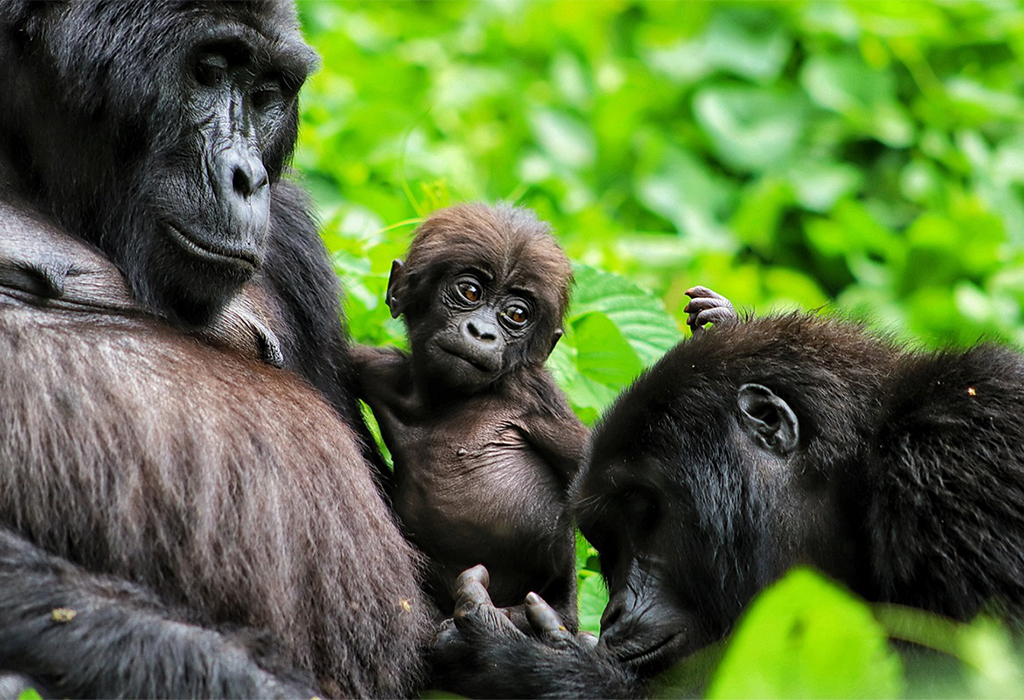
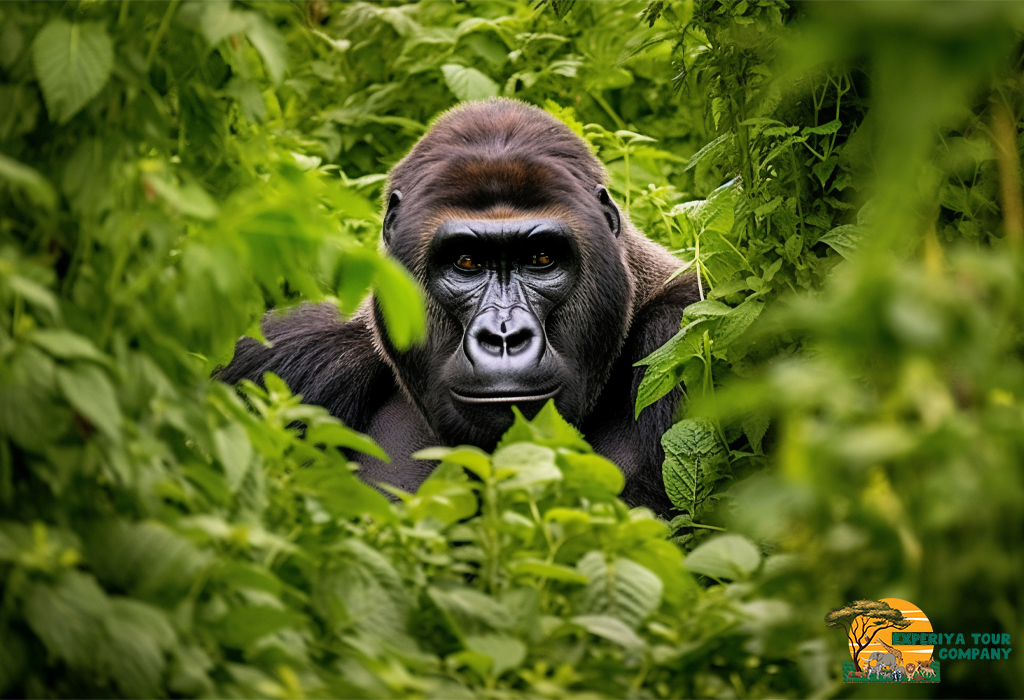
Gorilla trekking in Uganda remains one of the most emotional and transformative wildlife experiences on Earth. Deep inside the mist-covered jungles of Bwindi Impenetrable National Park and Mgahinga Gorilla National Park live the last remaining mountain gorillas gentle giants that share over 98% of their DNA with humans. Many travelers dream for years about standing face-to-face with these incredible primates. Naturally, this once-in-a-lifetime adventure comes with many questions.
This comprehensive guide by Experiya Tour Company answers the most frequently asked questions about gorilla safaris in Uganda, helping you plan confidently and travel with ease.
1. Where Can I See Gorillas in Uganda?
Uganda offers two main destinations for mountain gorilla encounters, both found in the southwestern region near Rwanda and the Democratic Republic of Congo.
The most popular is Bwindi Impenetrable National Park, a UNESCO World Heritage Site that shelters nearly half of the world’s mountain gorilla population. Bwindi has more than 20 habituated families spread across four trekking sectors Buhoma, Ruhija, Rushaga, and Nkuringo. Each sector offers unique scenery and trekking experiences, although all guarantee unforgettable encounters.
You can also trek at Mgahinga Gorilla National Park, a smaller but beautifully scenic park located on the slopes of the Virunga Volcanoes. Mgahinga is home to a single habituated group, the famous Nyakagezi family, known for its playful silverbacks and peaceful bamboo forests. Many travelers choose Mgahinga for its quiet, off-the-beaten-path atmosphere.
2. How Much Does a Gorilla Trekking Permit Cost in Uganda?
As of 2025, Uganda’s gorilla trekking permits cost:
Foreign Non-Residents – USD 800
Foreign Residents – USD 700
East African Citizens – UGX 300,000
A permit allows you to spend one unforgettable hour with a habituated gorilla family once trackers locate them.
Uganda also offers the Gorilla Habituation Experience, available only in the Rushaga and Nkuringo sectors of Bwindi. This exclusive adventure allows up to four hours with a semi-habituated gorilla family at a cost of USD 1,500 per person.
All permits are issued by the Uganda Wildlife Authority (UWA). Experiya Tour Company manages the entire booking process so travelers avoid the stress of securing limited slots.
3. When Is the Best Time to Go Gorilla Trekking in Uganda?
You can trek gorillas throughout the year. However, the most favorable months fall during the dry seasons June to September and December to February. Trails are drier, visibility improves, and the overall trekking experience becomes more comfortable.
The rainy seasons March to May and October to November bring thicker mud, slippery slopes, and fewer crowds. Although trekking becomes more demanding, the lush green scenery, refreshing atmosphere, and discounted lodge rates make this period rewarding for adventurous travelers.
Despite seasonal differences, gorilla trekking is magical at any time of year.
4. How Physically Demanding Is Gorilla Trekking?
Gorilla trekking requires moderate physical fitness. Treks typically last 30 minutes to 6 hours depending on the gorillas’ movement. Expect uneven ground, thick vegetation, steep slopes, and occasional rainfall. With patience and determination, almost anyone in good health can complete the trek.
To make your hike more comfortable, porters are always available to help with bags or provide steady support. Experiya Tour Company assigns trekkers to families that match their fitness level, ensuring everyone enjoys a manageable and enjoyable experience.
5. What Should I Pack for a Gorilla Safari in Uganda?
Packing correctly greatly enhances your comfort. Uganda’s mountain forests are wet, humid, and unpredictable, so prepare for varying conditions. Carry sturdy waterproof hiking boots, long trousers, long-sleeved tops, a lightweight rain jacket, gardening gloves for grabbing branches, and gaiters or long socks to protect against insects.
A small backpack helps you carry essentials like water, snacks, and a camera. Insect repellent and sunscreen are useful throughout the trek. Photography is allowed without flash, so bring extra batteries and memory.
Before your trip, Experiya Tour Company gives each guest a handy, season-specific packing guide.
6. How Close Can I Get to the Gorillas?
Visitors must keep at least 7 meters (about 23 feet) away from the gorillas to reduce the risk of disease transmission. Gorillas are highly susceptible to human illnesses, so this guideline protects them as well as you.
However, gorillas sometimes approach visitors out of curiosity. If they do, you remain calm, stand still, and let your ranger guide the moment. These close encounters often become the highlight of the entire trek.
7. How Safe Is Gorilla Trekking in Uganda?
Gorilla trekking in Uganda is considered very safe. Every trek includes trained guides, armed rangers, and experienced trackers who ensure your safety at all times. The gorilla families visited by tourists are habituated, meaning they are accustomed to human presence and show no aggression.
As long as trekkers follow ranger instructions maintaining distance, avoiding sudden movements, and keeping calm the experience remains peaceful, secure, and incredibly rewarding.
8. Can I Trek Gorillas If I’m Sick?
No. If you show signs of cold, flu, or any contagious illness, you cannot trek gorillas. Because gorillas share so much DNA with humans, they can fall seriously ill from diseases we easily transmit.
If you fall sick before the trek, inform your guide immediately. Depending on the situation, UWA may allow rescheduling or partial refunds.
9. How Many People Trek Each Gorilla Family Per Day?
Only eight visitors may trek a gorilla family per day. This regulation reduces stress on the gorillas and ensures a calm, intimate experience for trekkers.
Groups are organized based on fitness level, trekking interest, and ranger recommendations.
10. What Is the Gorilla Habituation Experience?
Uganda’s Gorilla Habituation Experience offers a deeper, more immersive encounter. Instead of one hour, you spend up to four hours with a semi-habituated family alongside researchers and trackers. You’ll observe the scientists at work as they record behavior and help the gorillas get comfortable with human presence.
Only four visitors participate each day, making it one of Africa’s rarest and most exclusive wildlife experiences.
11. How Are Gorilla Permits Booked in Uganda?
Permits are issued by the Uganda Wildlife Authority but are best booked through licensed operators like Experiya Tour Company. Securing a permit months in advance ideally 6 to 12 months is essential, especially during peak season.
Once you share your travel dates, Experiya checks availability, reserves the permit, and includes it in your safari package. This ensures a smooth and stress-free planning process.
12. What Does the Gorilla Trekking Permit Fee Include?
Your permit covers park entry, ranger guides, armed security, expert trackers, and one exceptional hour with the gorillas. It also supports conservation, anti-poaching patrols, and local community projects.
Accommodation, meals, porter fees, and tips are not included, but Experiya Tour Company incorporates those into your safari plan depending on your preferences.
14. Can Children Trek Gorillas?
The minimum age for gorilla trekking in Uganda is 15 years. This rule ensures safety for both the children and the gorillas.
Families traveling with younger children can still enjoy nearby activities. Experiya Tour Company organizes supervised cultural visits, nature walks, canoeing, and more while adults trek.
15. What Other Activities Can I Combine with Gorilla Trekking?
Uganda offers diverse attractions that pair perfectly with gorilla trekking. Many travelers add chimpanzee tracking in Kibale Forest, game drives in Queen Elizabeth or Murchison Falls National Park, Batwa cultural experiences, relaxing days at Lake Bunyonyi, or volcano hiking in the Virunga ranges.
With its rich landscapes and cultural warmth, Uganda delivers a well-rounded safari experience.
16. What Should I Expect on the Trekking Day?
Your day begins early with a briefing at the park headquarters around 7:30 a.m. Rangers explain trekking procedures, safety guidelines, and your assigned gorilla family. Trackers usually head out ahead of time to locate the gorillas.
Your trek may lead through dense forest, clearings, streams, and steep slopes. Once you finally meet the gorillas, the world pauses. You spend one magical hour observing them feed, groom, and play.
After returning to the trailhead, you receive a trekking certificate a cherished memory of your adventure.
17. What Health Requirements Should I Know About?
Uganda requires a Yellow Fever vaccination certificate for entry. Doctors also recommend Hepatitis A and B, Typhoid, Tetanus, and Polio vaccinations. Since malaria exists in many parts of the country, anti-malarial medication is essential.
For gorilla trekking specifically, visitors must be in good health on the day of the trek. Experiya Tour Company provides detailed health and safety guidelines in advance.
18. Can I Take Photos During the Trek?
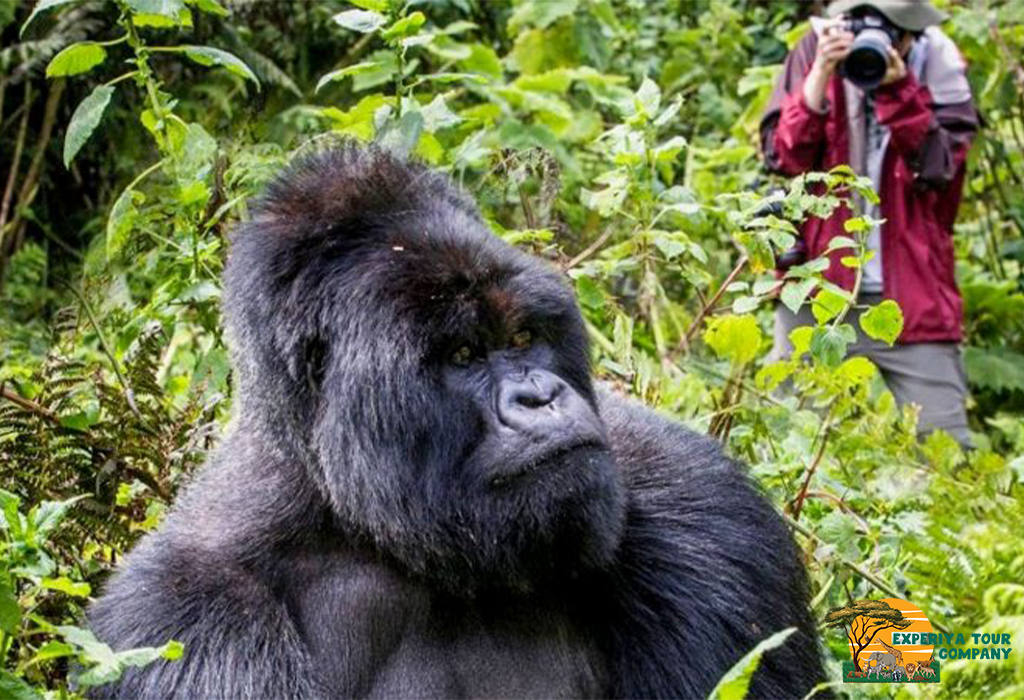
Photography and video are allowed, but flash is strictly prohibited. A telephoto lens helps you capture beautiful portraits from a distance, while weather-sealing protects your equipment from mist.
Even with your camera ready, remember to pause, breathe, and take in the moment. Watching a silverback thump his chest or a baby cling to its mother is a memory that stays with you forever.
19. Is Gorilla Trekking Ethical?
Yes. Uganda’s gorilla tourism model is one of the world’s most successful conservation efforts. Revenue from permits funds anti-poaching patrols, park management, ranger training, and community development. Local communities receive 20% of park revenue to support schools, health centers, and clean water projects.
Your visit plays a direct role in protecting gorillas for future generations.
20. How Does Uganda Compare to Rwanda for Gorilla Trekking?
Both countries offer extraordinary experiences, but Uganda is more affordable and diverse. Rwanda’s permits cost $1,500, while Uganda offers a similar experience for $800. Rwanda’s treks are often shorter, while Uganda’s terrain provides a more adventurous feel.
Accessibility differs, too. Rwanda’s Volcanoes National Park is just 2.5 hours from Kigali, while reaching Bwindi from Entebbe takes about 8–9 hours by road or a short, scenic flight to Kisoro.
For travelers seeking a wider safari experience gorillas, chimps, wildlife, culture, and landscapes Uganda stands out.
21. How Can I Prepare for a Gorilla Safari?
Regular walking, hiking, or stair climbing helps build endurance. Practicing short hikes with a light backpack also prepares you mentally and physically.
Approach the trek with patience. Gorilla tracking is unpredictable, but that uncertainty adds to the adventure. Keeping an open mind ensures the entire journey feels rewarding, not just the moment you meet the gorillas.
22. What Role Do Porters Play?
Porters significantly enhance your experience. They carry your backpack, help you navigate slippery or steep terrain, and ensure you stay balanced during the trek. Many are former poachers who now earn a living through conservation-friendly work.
Hiring a porter not only helps you but also supports local communities directly.
23. What If We Don’t Find the Gorillas?
Uganda’s trackers are highly skilled, and gorilla sighting success rates exceed 99%. In the rare event that a group does not find the gorillas, UWA offers rescheduling options or partial refunds depending on circumstances.
24. What Tips Ensure a Successful Gorilla Trek?
Booking early, dressing appropriately, staying hydrated, hiring a porter, listening to guides, carrying small cash for tips, and embracing patience all contribute to a memorable experience. A walking stick, usually provided at the start of the trek, also offers much-needed support.
Why Choose Uganda and Experiya Tour Company for a Gorilla Safari?
Uganda is more than a safari destination; it is a place that captures your heart. Trekking through Bwindi’s ancient jungle, feeling the earth vibrate beneath your boots, and suddenly locking eyes with a 200-kilogram silverback is an experience that stays with you forever. Uganda blends breathtaking wilderness with warm hospitality, giving every traveler an authentic and soul-stirring journey.
When you travel with Experiya Tour Company, you choose expertise, reliability, and a deep commitment to conservation and community empowerment. Every detail from your gorilla permit to your lodge is carefully planned, allowing you to relax and savour each moment.