
Which parks allow night game drives in Uganda?
March 31, 2026
Best Time to Visit Uganda for Wildlife
March 31, 2026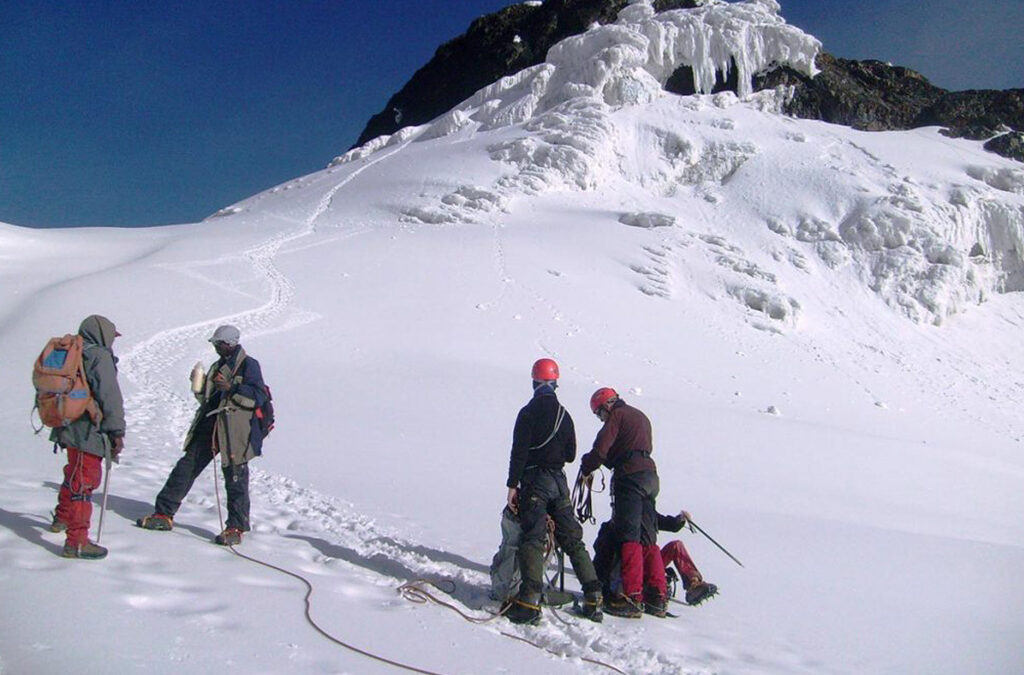
Mount Rwenzori, Africa’s legendary “Mountains of the Moon,” rises majestically along the border of Uganda and the Democratic Republic of Congo. For centuries, explorers, scientists, and adventurers have marveled at its extraordinary peaks. Unlike Africa’s famous volcanic mountains, Rwenzori features permanent snow and glaciers near the equator, giant endemic flora, and remarkable biodiversity. The range also feeds the Nile River, proving that it is both a natural wonder and a vital lifeline for local communities.
The Mystical “Mountains of the Moon”
The Rwenzori Mountains earned their poetic nickname over 1,800 years ago. Around 150 AD, Alexandrine geographer Ptolemy described them as the source of the Nile, calling them the “Mountains of the Moon.” The snow-capped peaks shimmer in the sunlight, and mist often shrouds their slopes, giving them an ethereal appearance.
For centuries, European explorers struggled to reconcile reports of snow-covered peaks just kilometers from the equator. Today, the name endures, capturing the mountains’ magical, almost legendary essence. Travelers and scientists alike continue to be enchanted by their beauty and mystery.
A Geological Marvel Unlike Any Other
What sets Mount Rwenzori apart is its unique geological origin. Unlike volcanic giants like Kilimanjaro and Mount Kenya, Rwenzori is a block mountain range formed by tectonic activity along the Western Rift Valley. Around three million years ago, immense geological pressures pushed massive blocks of ancient crystalline rock upward, creating the dramatic peaks we see today.
The exposed gneisses and granites date back hundreds of millions of years, offering geologists a rare glimpse into Africa’s deep past. This non-volcanic origin also gives Rwenzori its rugged, striking landscapes that challenge even experienced mountaineers.
Africa’s Third-Highest Summit
Mount Rwenzori claims its place among Africa’s tallest mountains. Its crowning peak, Margherita Peak, rises to 5,109 meters (16,762 feet) on Mount Stanley, making it the continent’s third-highest summit after Kilimanjaro (5,895 meters) and Mount Kenya (5,199 meters).
Beyond Margherita Peak, the range contains multiple peaks above 4,500 meters and expansive alpine terrain. The six main massifs Stanley, Speke, Baker, Emin, Gessi, and Luigi di Savoia offer unique challenges and breathtaking rewards for climbers. Each massif presents a distinct landscape, from snowfields and glaciers to lush montane forests.
Equatorial Glaciers Under Threat
One of Rwenzori’s most extraordinary features is its glaciers. Alongside Kilimanjaro and Mount Kenya, it is one of only three African mountain systems with permanent ice near the equator. The glaciers cling to the highest peaks, creating a stunning contrast between tropical rainforests at the base and Arctic-like conditions at the summit.
However, climate change is rapidly reshaping this landscape. Glaciers that once spanned several square kilometers now occupy only a fraction of their original size. This dramatic retreat serves as a stark reminder of the urgent need for climate action.
A Botanical Wonderland
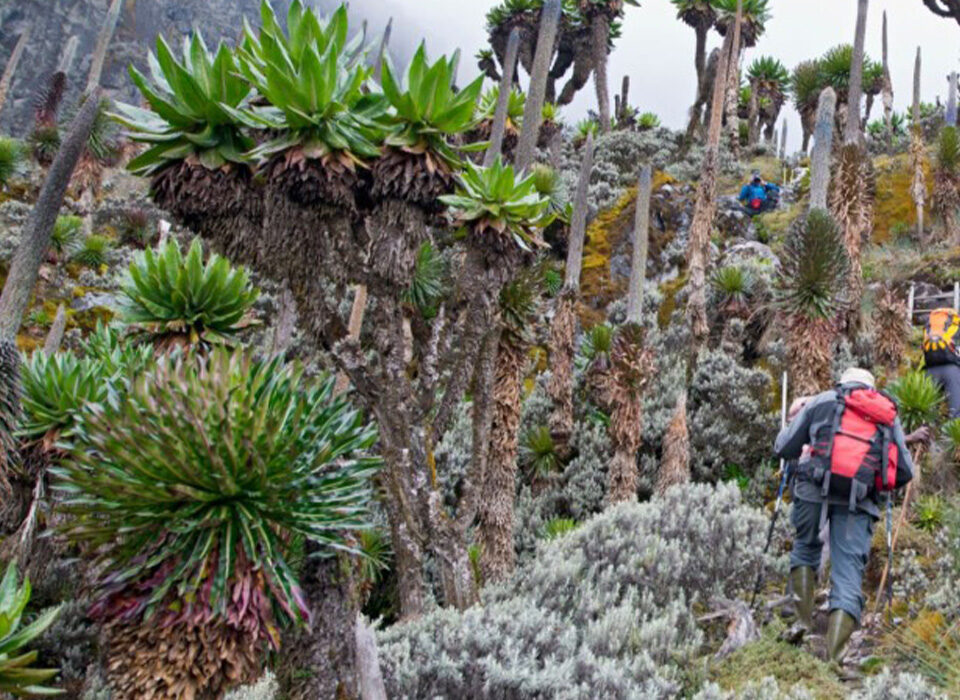
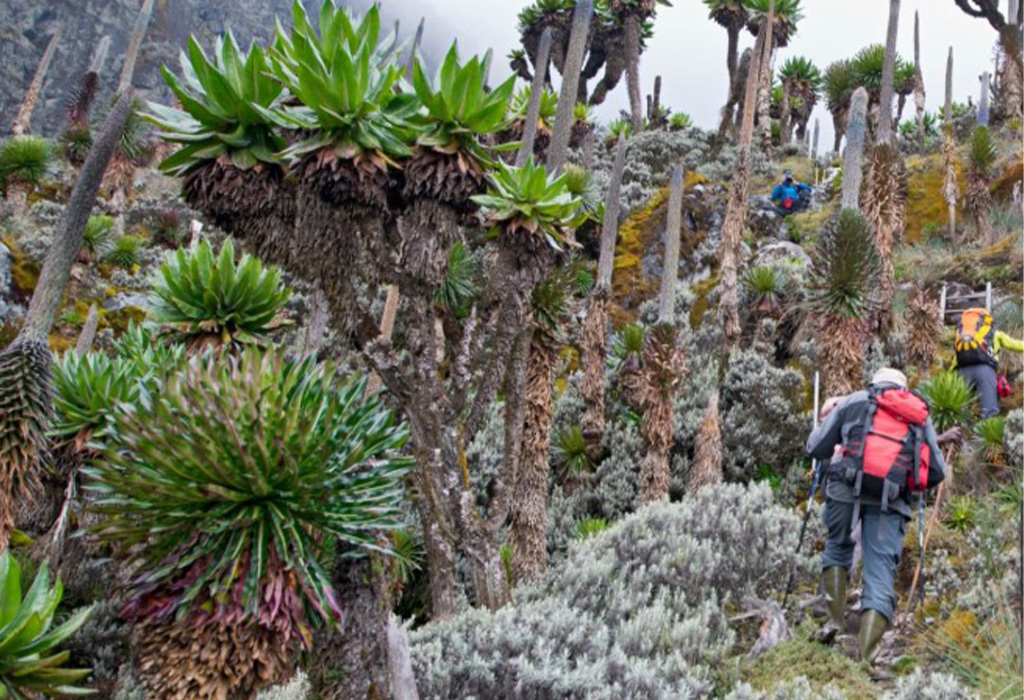
The Rwenzori Mountains host one of Africa’s most diverse and surreal botanical landscapes. Trekking through the range reveals distinct vegetation zones that change dramatically with altitude.
Above 3,800 meters, the Afro-alpine zone showcases giant lobelias, tree-sized groundsels, and enormous heathers covered in moss and lichen. These plants have evolved unique adaptations to survive cold nights, intense sunlight, and high humidity.
Lower slopes feature dense montane forests and bamboo groves, while the valleys boast lush rainforests alive with rare orchids and ferns. Experiya Tour Company emphasizes that each vegetation zone offers a living museum of Africa’s botanical treasures.
A Biodiversity Hotspot
The ecological importance of Rwenzori earned it UNESCO World Heritage Site status in 1994. The mountains support a remarkable range of life across altitudinal zones.
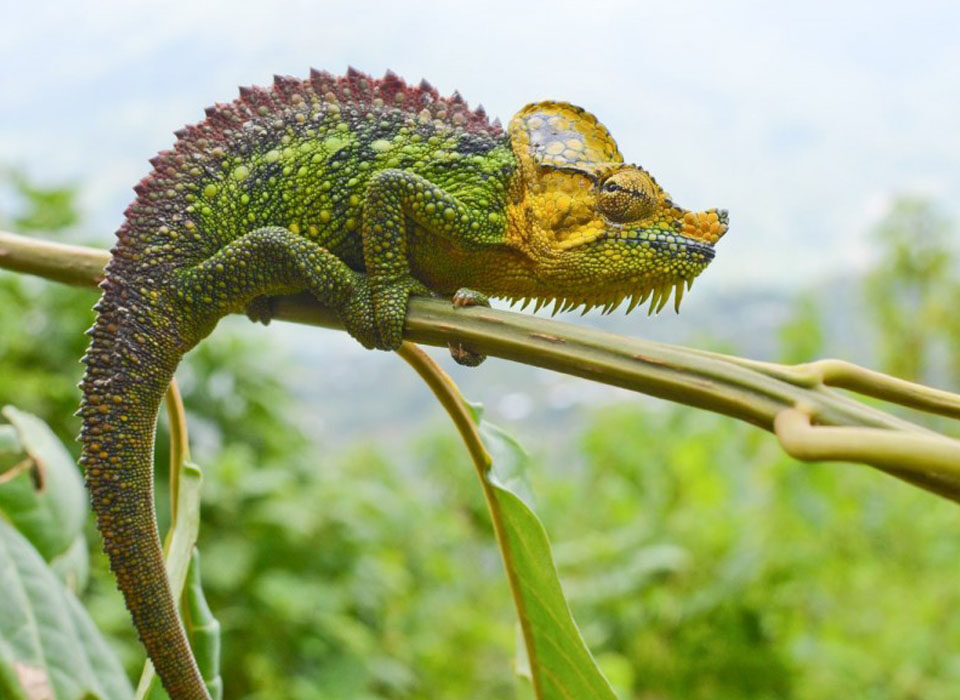
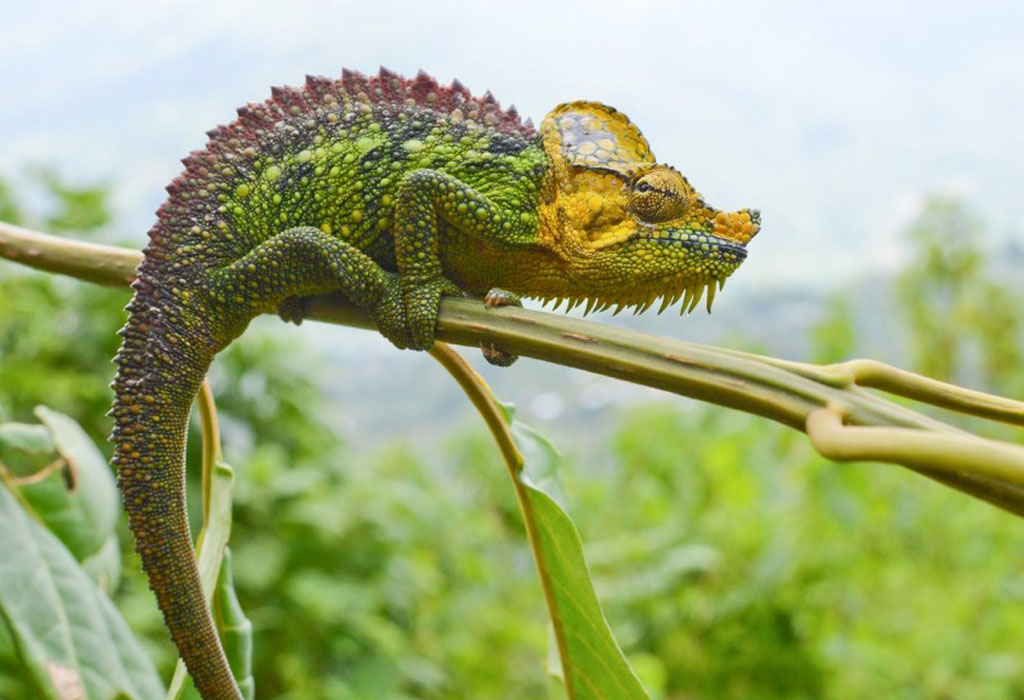
Seventy mammal species roam the forests, including forest elephants, chimpanzees, and the rare Rwenzori black-fronted duiker. Birdwatchers can spot over 217 species, many endemic to the Albertine Rift. Even the alpine zones host specially adapted creatures, such as the three-horned chameleon.
Millions of years of isolation have allowed unique species to evolve, making Rwenzori a biodiversity hotspot and a crucial refuge during historical climatic shifts.
Lifeblood of the Nile
Rwenzori is more than a scenic wonder it is a vital water source. The mountains receive some of the highest rainfall in Africa, exceeding three meters per year in certain areas. Combined with glacial meltwater, this rainfall feeds rivers that flow into Lakes George, Edward, and Albert, eventually joining the White Nile.
Rwenzori thus functions as a natural water tower, supplying fresh water to over five million people in Uganda and the Democratic Republic of Congo. Local agriculture, fisheries, and communities rely heavily on this life-giving resource, validating Ptolemy’s ancient description of these peaks as the origin of the Nile.
An Epic Mountaineering Challenge
For adventure seekers, Mount Rwenzori offers one of Africa’s most challenging trekking experiences. Unlike Kilimanjaro, which attracts roughly 30,000 climbers annually, only about 1,000 trekkers attempt the Rwenzoris each year. This low number allows visitors to enjoy a rare, immersive wilderness experience.
Trekking requires navigating muddy trails, river crossings, and dense vegetation before tackling glacier travel, rope work, and steep snow and ice slopes. The weather can change rapidly, demanding endurance, skill, and mental fortitude. However, climbers who reach Margherita Peak are rewarded with awe-inspiring views, pristine wilderness, and a deep sense of accomplishment. Experiya Tour Company guides provide expert support, ensuring both safety and an enriching experience.
Cultural and Spiritual Significance
The Rwenzori Mountains hold profound spiritual and cultural meaning for local communities, especially the Bakonzo and Bamba peoples. These communities consider the peaks sacred, home to gods and ancestral spirits. Explorer Henry Morton Stanley documented the name “Ruwenzori” in 1888, thought to mean “Rain-Maker” or “Cloud-King”, reflecting the mountains’ persistent mist and rainfall.
Today, local guides and porters play an essential role in conservation, blending traditional ecological knowledge with modern management practices. This partnership preserves both cultural heritage and biodiversity while providing sustainable livelihoods for the surrounding communities.
Experience the Magic of Mount Rwenzori
Experiya Tour Company invites travelers to explore the mystical Rwenzori Mountains. From snow-capped peaks and equatorial glaciers to giant plants and rare wildlife, every step offers unforgettable encounters with nature. Whether you are a mountaineer, a botanist, a wildlife enthusiast, or a curious traveler, the Rwenzoris deliver an adventure that combines challenge, wonder, and inspiration.
Step into a landscape where the clouds touch the mountains, waterfalls carve their way through misty valleys, and wildlife thrives in isolation. Discover why Africa’s “Mountains of the Moon” continue to inspire awe, curiosity, and deep reverence for our natural world.