

Top Photography Tips for Stunning Photos
March 5, 2026
Rwanda Gorilla Safari Step-by-Step Planning Guide
March 5, 2026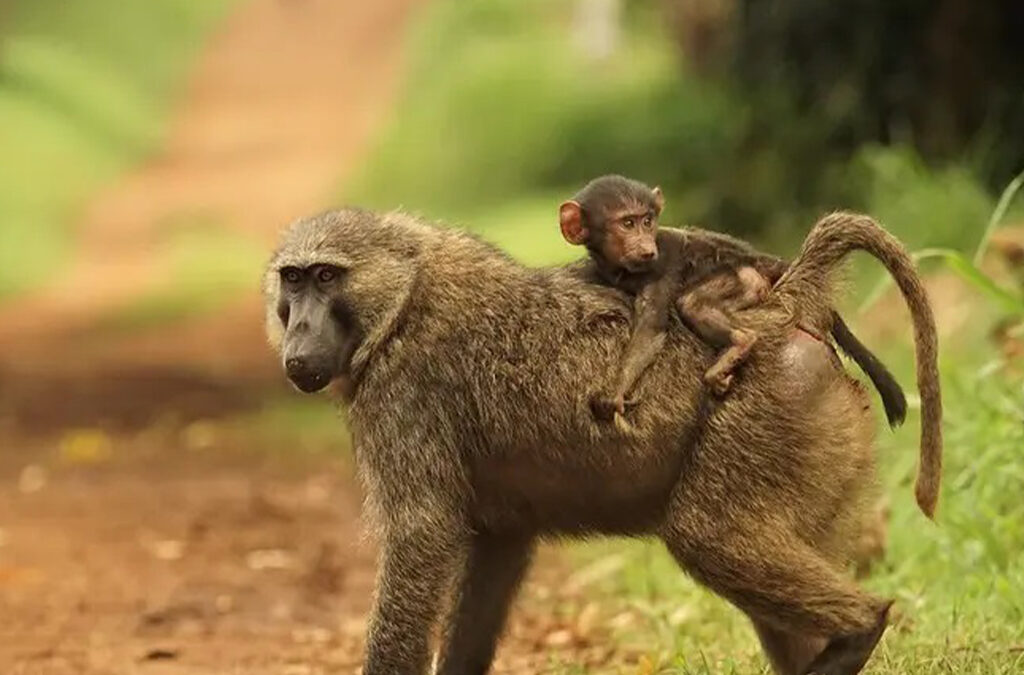
Baboons are among the most intelligent and adaptable primates in sub-Saharan Africa. These gregarious creatures thrive in diverse environments, from open savannas to dense forests, and even near human settlements. If you are on a safari with Experiya Tour Company, you may quickly notice their curiosity and boldness. Keep your tent flaps closed and your picnic lunch out of sight baboons are confident opportunists who aren’t afraid to explore areas where humans pose no threat.
Baboons Across Africa
While there are several types of baboons, experts now acknowledge that most are simply regional variations of a single species. From the olive baboons of the Maasai Mara to the chacma baboons of South Africa’s Cape region, these primates share a common biology but adapt to their specific habitats. Each group exhibits unique behaviors, yet their intelligence, social complexity, and adaptability remain consistent across the continent. Observing these variations in the wild can provide fascinating insights into how species evolve to meet environmental challenges.
Powerful Build and Deadly Weapons
Adult male baboons are impressive in both appearance and strength. Their canine teeth are longer than those of a leopard, giving them formidable tools for both offense and defense. These teeth are not just weapons athey also serve as social signals. A dominant male may display his canines by yawning at rivals, warning them to back off. Such displays help maintain social order within the troop and prevent unnecessary conflicts. Witnessing this in the wild is a thrilling experience for safari-goers with Experiya Tour Company, highlighting the raw power and sophistication of these primates.
Complex Social Life
Baboons rely heavily on social skills to survive. Much like humans, they form intricate networks of relationships, and every interaction has a purpose. Grooming, playing, and sharing food all influence an individual’s rank within the group. Lower-ranking males may strategically care for the infants of higher-ranking females, earning favor and improving their own standing. This type of behavior demonstrates that baboons are not just instinct-driven animals they are thoughtful, socially aware, and capable of long-term planning.
Omnivorous and Opportunistic Eaters
Baboons are omnivores, meaning their diet is incredibly diverse. They eat fruits, seeds, and pods, but they also hunt small animals like hares, bird eggs, insects, and even baby antelopes. Their foraging behavior is equally fascinating. Troops will overturn countless stones in search of hidden treats such as scorpions or other invertebrates. Observing a troop in action provides safari-goers with a rare glimpse into their survival strategies and resourcefulness. Experiya Tour Company guides often point out these foraging signs, making it easy to track where baboons have been active.
Communication Skills Beyond Sound
Baboons communicate using more than 30 distinct vocalizations, including cries, barks, and grunts. However, their communication extends well beyond sound. Body language plays a crucial role in conveying intentions, emotions, and status. A lip-smack may signal submission, while a yawn can serve as a threat display. Shoulder shrugs, facial expressions, and grooming behaviors are all part of this intricate social language. By understanding these cues, observers can gain a deeper appreciation for the intelligence and emotional complexity of baboons.
Adaptable Survivors
Baboons are masters of adaptation. They can live in grasslands, forests, mountainous regions, and even near human communities. Their ability to adjust their diet, movement, and social behavior in response to environmental changes ensures their survival in a wide range of habitats. This adaptability is one of the reasons baboons are so widespread across Africa. On safari, seeing how they thrive in different terrains offers a real-life lesson in resilience and ingenuity.
Interaction With Humans
Baboons are highly observant and can quickly learn to associate humans with food. Near lodges and campsites, they may become bold, watching intently or skillfully opening containers in search of treats. While these behaviors are fascinating to observe, it is crucial to respect their space. Experiya Tour Company emphasizes the importance of not feeding baboons and keeping food secured. This ensures that tourists enjoy safe, close encounters without putting themselves or the animals at risk.
Baboons’ Role in the Ecosystem
Beyond their social complexity and curiosity, baboons play a vital role in maintaining the balance of their ecosystems. By foraging and dispersing seeds, they contribute to forest regeneration and plant diversity. Their predation on smaller animals also helps regulate populations, maintaining ecological balance. Watching a troop of baboons at dawn or dusk provides a unique opportunity to see nature’s interconnectedness in action a reminder that every species has a role in the survival of its environment.
Why Observing Baboons is a Safari Highlight
For wildlife enthusiasts, baboons are captivating to observe. Their intelligence, social sophistication, and adaptability make them a highlight of any safari. With Experiya Tour Company, you can learn about their diet, communication, and social behaviors while enjoying safe, responsible wildlife encounters. Observing their interactions, from playful grooming to strategic alliances, offers endless fascination and provides a window into one of Africa’s most dynamic primate societies.
Conclusion
Baboons are a testament to intelligence, resilience, and social ingenuity. From their impressive canines to their complex social networks, they captivate anyone who takes the time to observe them. Whether you encounter olive baboons in Kenya or chacma baboons in South Africa, these primates offer unforgettable insights into life in the wild. Safaris with Experiya Tour Company provide the perfect opportunity to witness baboons in action, highlighting their resourcefulness, charm, and vital role in Africa’s ecosystems. Next time you explore the savannas or forests, watch closely you may just witness a social maneuver, a hunting strategy, or a playful interaction that leaves you in awe of these clever creatures.
