
What Happens on Gorilla Trekking Day in Uganda?
March 31, 2026
Gorilla Watching Tours in Uganda
March 31, 2026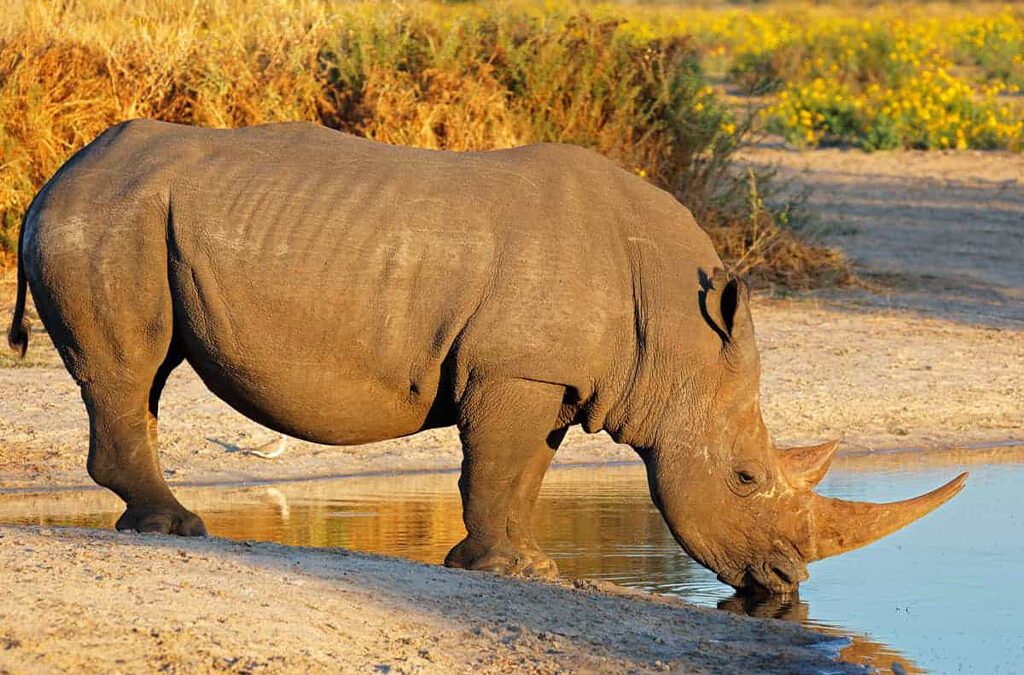
Facts about Akagera National Park reveal one of Africa’s most inspiring conservation stories. As Rwanda’s only savannah park and Central Africa’s largest protected wetland, Akagera has undergone an extraordinary transformation. After the devastation that followed the 1994 genocide, the park has rebounded into a thriving ecosystem that now supports the full Big Five.
Today, Akagera stands as a powerful testament to what conservation partnerships, community involvement, and sustainable tourism can achieve. Visitors now enjoy an authentic African safari experience filled with diverse landscapes, abundant wildlife, and over 500 bird species all just a short drive from Kigali.
Geographic Location and Easy Accessibility
Akagera National Park lies in Rwanda’s Eastern Province, forming a natural border with Tanzania along its eastern boundary. Thanks to its strategic location, the park is incredibly accessible. Travelers can reach it within two to three hours by road from Kigali, making it one of the most convenient safari destinations in East Africa.
Along the way, the journey itself becomes part of the experience. Rolling hills, terraced farms, and vibrant rural communities paint a vivid picture of Rwanda’s beauty and resilience. Most visitors enter through the southern gate near Kabarondo, which offers the easiest access from Kigali. Moreover, improved road networks within the park now allow smooth navigation and rewarding game drives across different regions.
Diverse Landscapes and Unique Ecosystems
Akagera spans approximately 1,122 square kilometers, and within this relatively compact area, it showcases an impressive variety of habitats. As you explore the park, the scenery shifts seamlessly from open savannah plains in the north to rolling hills dotted with acacia woodlands.
However, what truly defines Akagera is its extensive wetland system. In fact, it is the largest protected wetland in Central Africa. The Akagera River feeds a network of swamps and lakes, creating lifelines for wildlife, especially during the dry season.
Among these water bodies, Lake Ihema stands out as the largest and most popular. It serves as the heart of aquatic activity, where hippos, crocodiles, and waterbirds gather in large numbers. Altogether, the combination of savannah, woodland, and wetlands creates a rich ecological mosaic rarely found in a single park.
A Conservation Triumph
Akagera’s recovery story is nothing short of remarkable. Following the 1994 genocide, the park faced severe challenges. Widespread poaching, human encroachment, and loss of wildlife pushed it to the brink. At one point, the park lost more than half of its original size.
Then, in 2010, a turning point emerged. The Rwanda Development Board partnered with African Parks to restore and manage the park. With strong support from conservation stakeholders, including Experiya Tour Company in promoting sustainable tourism, Akagera began its journey back to life.
They quickly prioritized security. Authorities installed a solar-powered electric fence along the western boundary, which reduced human-wildlife conflict and discouraged poaching. At the same time, well-trained ranger teams and canine units strengthened protection efforts. As a result, wildlife populations stabilized and began to grow.
The Return of Iconic Wildlife
One of the most exciting chapters in Akagera’s revival is the return of its lost species. In 2015, conservationists reintroduced lions after nearly two decades of absence. Since then, the population has grown steadily, restoring balance to the ecosystem.
Shortly after, rhinos made a comeback. Black rhinos returned in 2017 and 2019, followed by a historic relocation of 30 southern white rhinos in 2021. This ambitious effort not only restored Akagera’s Big Five status but also contributed to global rhino conservation.
Today, seeing these majestic animals roam freely once again is a powerful symbol of resilience and careful planning.
A Model for Sustainable Tourism
Akagera has achieved something rare among African national parks financial sustainability. By 2024, the park covered more than 90% of its operational costs through tourism revenue.
This success did not happen by chance. Improved visitor experiences, strategic marketing, and high-quality services have all played a role. Experiya Tour Company continues to support this vision by connecting travelers to meaningful safari experiences that directly benefit conservation.
Importantly, this model creates a positive cycle. Tourism funds conservation, conservation improves wildlife experiences, and better experiences attract more visitors. In turn, local communities also benefit, strengthening support for protecting the park.
Abundant Wildlife Encounters
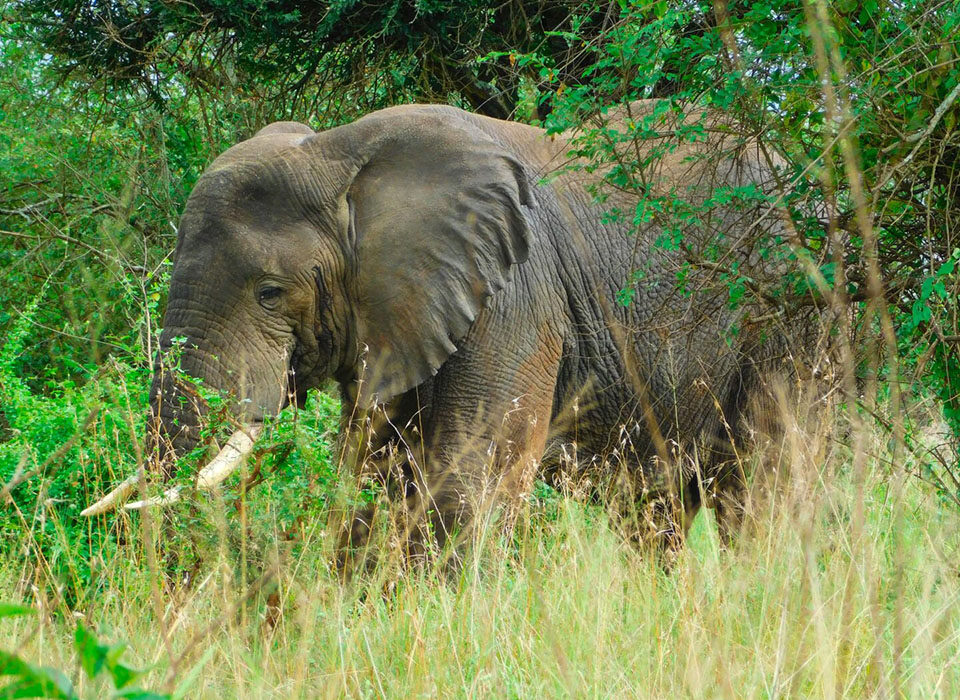
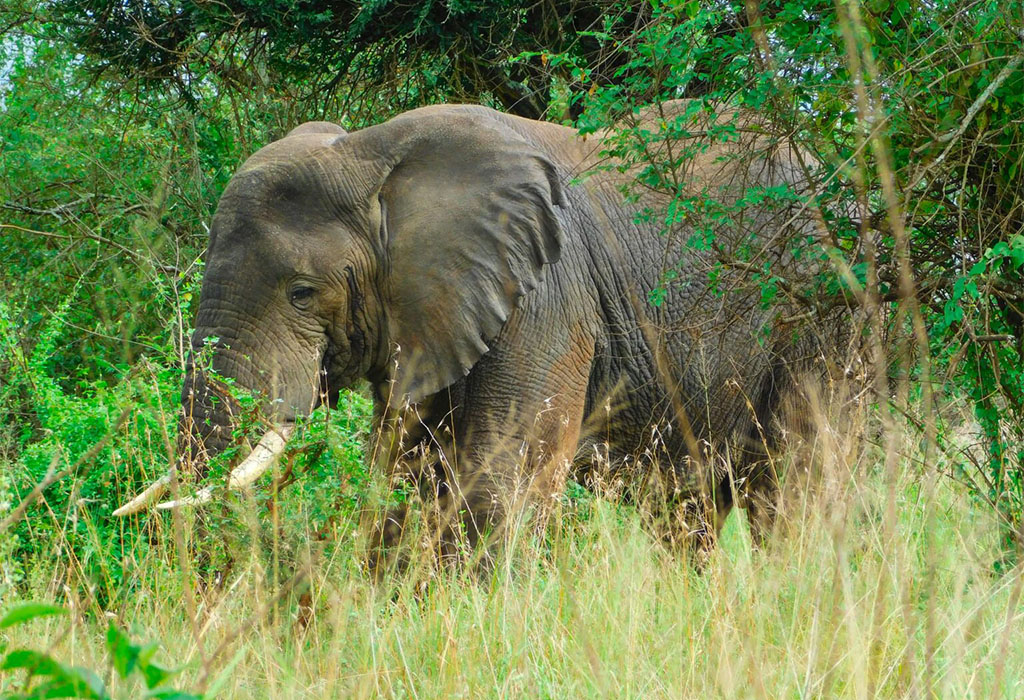
Today, Akagera offers a true Big Five safari experience. Visitors regularly encounter elephants, buffalos, lions, leopards, and both black and white rhinos.
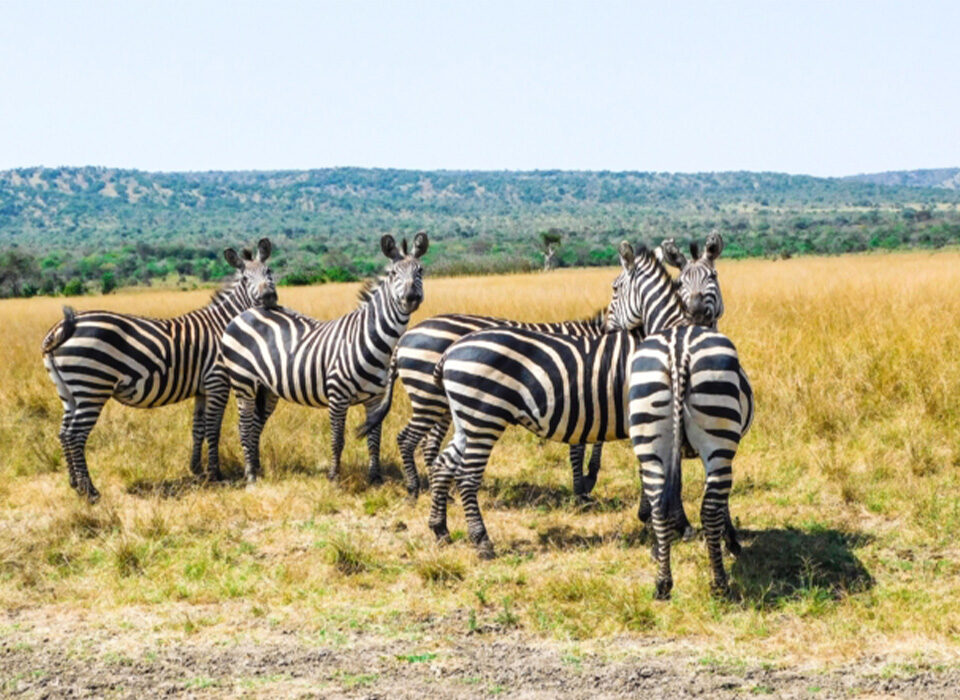
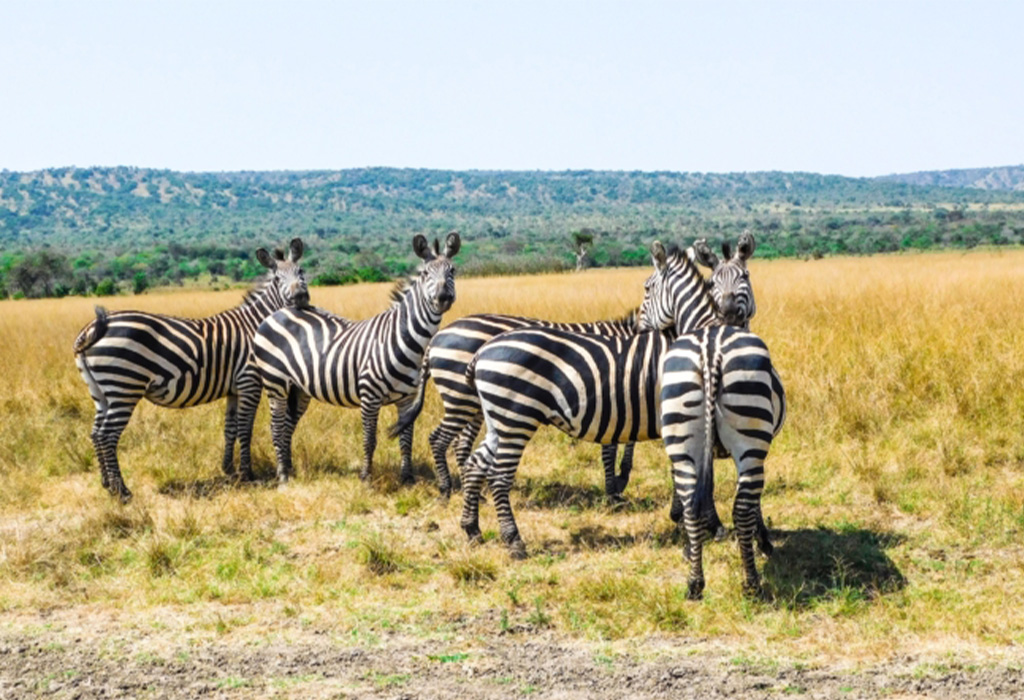
Beyond these iconic species, the park teems with life. Maasai giraffes gracefully move across the plains, while zebras and antelope species such as impala, topi, and eland graze in large numbers. Meanwhile, the wetlands support one of Africa’s highest concentrations of hippos.
You will also spot Nile crocodiles along the shores, as well as primates like baboons, vervet monkeys, and blue monkeys in the woodlands. Every game drive reveals something new.
A Birdwatcher’s Paradise
For bird lovers, Akagera is nothing short of spectacular. With over 500 recorded species, it ranks among East Africa’s top birding destinations.
The park’s wetlands attract rare species like the elusive shoebill stork and the colorful papyrus gonolek. At the same time, raptors soar above the savannah, while countless waterbirds gather along the lakeshores. Thanks to its habitat diversity, Akagera offers year-round birdwatching opportunities.
Activities and Safari Experiences
Akagera delivers a wide range of activities that bring its landscapes to life. Game drives, both during the day and at night, remain the highlight. During these drives, experienced guides help you track wildlife and understand animal behavior.
Night drives add another layer of excitement, revealing nocturnal species such as hyenas and elusive leopards. Meanwhile, boat safaris on Lake Ihema provide close encounters with hippos and crocodiles, along with excellent birdwatching and photography opportunities.
For a more immersive experience, guided nature walks allow you to explore the park on foot. Armed rangers lead these walks, offering deeper insights into plants, smaller wildlife, and ecosystem interactions.
Additionally, visitors can enjoy sport fishing at Lake Shakani or engage in cultural experiences with nearby communities. These interactions provide a meaningful connection between conservation and local livelihoods.
Discover Akagera with Experiya Tour Company
Exploring Akagera National Park becomes even more rewarding when you travel with experts who understand its story and significance. Experiya Tour Company curates unforgettable safari experiences that blend wildlife encounters, conservation insight, and cultural connection.
Whether you seek the thrill of spotting the Big Five or the serenity of birdwatching along tranquil lakes, Akagera promises a journey unlike any other one defined by resilience, beauty, and hope.