
Nature Walks in Mubwindi Swamp, Bwindi Impenetrable National Park
February 16, 2026
Cultural Encounters in Uganda with Experiya Tour Company
February 16, 2026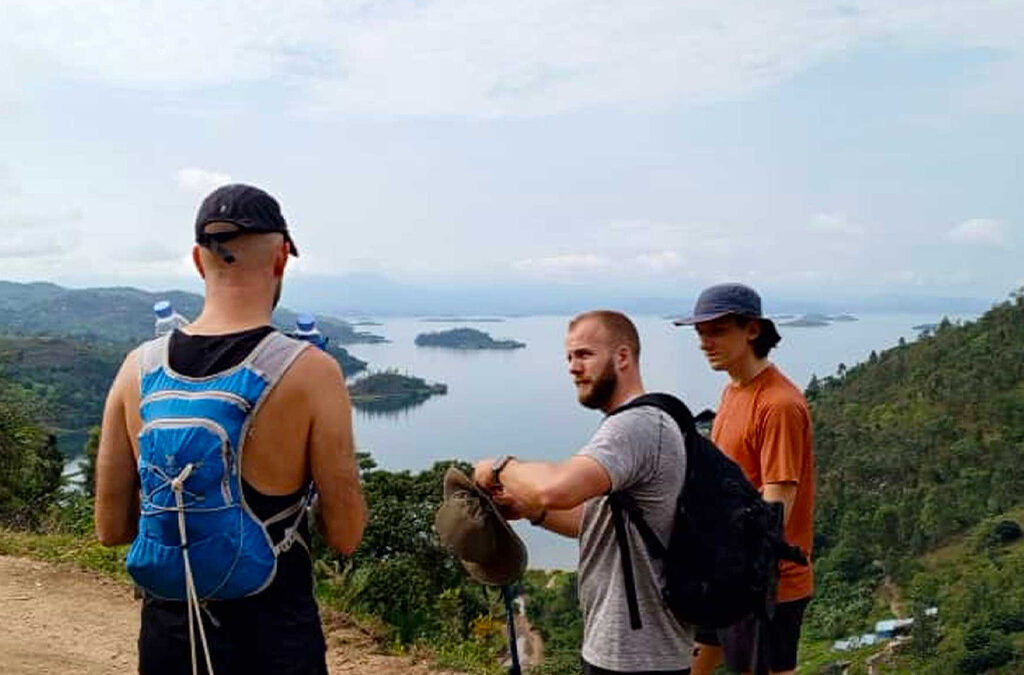
The Congo Nile Trail is one of Rwanda’s most captivating attractions, yet it remains less popular than gorilla trekking. For many visitors, gorilla tours dominate the imagination, and the Congo Nile Trail is often seen as an optional adventure. However, this is rapidly changing. The Rwandan government is actively diversifying the country’s tourism offerings, and the trail, launched in 2011, is part of a concerted effort to establish Rwanda as a top cycling destination in Africa.
What Is the Congo Nile Trail?
The Congo Nile Trail stretches 227 kilometers along the shores of Lake Kivu, beginning in the northern town of Gisenyi and ending in Rusizi District in the south. Despite its name, the trail neither passes through the Congo nor directly along the Nile River. Instead, it follows a watershed that separates the Congo and Nile basins.
Considered one of the best biking trails in East Africa, the Congo Nile Trail offers an unmatched way to experience Rwanda’s scenic beauty, fresh air, and warm local hospitality. Along the way, travelers encounter Rwanda’s rolling hills, the lush greenery of Nyungwe Forest National Park, the shimmering waters of Lake Kivu, and distant volcanic peaks in neighboring Congo.
But the trail is not only about scenery. Along the route, travelers pass through coffee, banana, and tea plantations, local towns, markets, valleys, waterfalls, and fishing villages. Children wave with curiosity, and elders often greet you with warm smiles. Highlights include the Mugonero Orphanage, where visitors can enjoy traditional Rwandan dances, and the Kiziba Refugee Settlement, home to approximately 17,000 Congolese refugees, which lies close to the trail.
How to Experience the Trail
Travelers can complete the Congo Nile Trail by car, motorcycle, bicycle, or on foot, each offering its own unique experience. Walking or cycling allows you to fully immerse yourself in Rwanda’s landscapes and culture while enjoying an excellent form of exercise.
- Walking the trail typically takes around 10 days, offering ample time to interact with locals and soak in the scenery.
- Cycling can be completed in five days, providing a faster yet equally immersive experience.
If you are short on time, the trail can also be completed in sections, allowing for a more flexible adventure. However, it’s important to consider Rwanda’s rainy seasons (March–May and October–November), as heavy rains can make some sections muddy and challenging to navigate.
Planning Your Journey
Regardless of your chosen method of travel, maps are essential. Free maps are available at Rwanda Development Board offices in Kigali, Musanze, and Gisenyi. These maps provide detailed information on directions, distances, notable landmarks, and travel times for each section of the trail.
For residents of Rwanda, a map, personal supplies, and self-confidence may suffice. You can also hire local guides, porters, and cooks to accompany you. International visitors, however, benefit greatly from using a tour operator like Experiya Tour Company, which can organize guides, porters, accommodation, and transport tailored to your interests, schedule, and budget. Experiya Tour Company can also help you secure the right mountain bikes and spare parts to ensure a smooth journey.
Trail Conditions and Difficulty
The Congo Nile Trail varies greatly in terrain. Travelers encounter rocky paths, dusty roads, and steep hills. The trail is rarely flat for long stretches, and there is no single continuous track. Instead, you will frequently climb and descend while sharing the road with cars, motorcycles, and pedestrians. Sections of the trail can suddenly narrow, so caution is essential.
To complete the trail by walking or biking, you need to be reasonably fit and accustomed to mountain biking. For those unsure of their fitness, it is possible to tackle the trail in sections, stopping to relax, swim in Lake Kivu, or explore waterfalls and other attractions along the route.
Reaching the Starting Point
The trail begins in Gisenyi, roughly a three-hour drive from Kigali. If traveling with your own bike, coordinate with bus operators to reserve extra space. Alternatively, Experiya Tour Company can arrange a tour van to transport you to Gisenyi and pick you up at the trail’s end. The return journey from the southern endpoint, such as Kamembe, takes about five hours by car.
Renting or Purchasing a Bike
For international travelers, bringing your own bike can be expensive. A practical alternative is to rent or purchase a mountain bike locally. In Gisenyi, Inzu Lodges offers bike rentals on request. Always test the bike to ensure it is in good condition and comes with essential spare parts, such as a pump and an extra tire.
Water, Food, and Accommodation
The trail passes through numerous villages, trading centers, and local markets, where you can easily find water, fruits, and meals. Sampling Rwandan dishes along the way is highly recommended.
Accommodation along the trail is diverse, ranging from budget-friendly guesthouses to luxury lodges:
Budget Options:
- Home Saint Jean, Kibuye: Quiet, located near the lake, popular with budget travelers.
- Inzu Lodge, Gisenyi: Scenic views, tents, free Wi-Fi, and cultural dance performances on request.
- Peace Guesthouse, Kamembe: Tranquil gardens and lakeside dining.
- Kinunu Guesthouse, Lake Kivu: Offers eco-tourism experiences with stunning lake views.
Luxury Options:
- Paradis Malahide, Gisenyi: High-end resort with elegant gardens and lakeside views.
- Lake Kivu Serena Hotel: A four-star hotel with swimming pool, bar, restaurant, and breathtaking scenery.
- Cormoran Lodge: Offers wooden architecture, Lake Kivu views, and Nyiragongo volcano vistas.
- Moriah Hill Hotel: Spacious rooms with balconies overlooking Lake Kivu and access to boat rides on the lake.
For travelers who prefer camping, the Rwanda Development Board has established campsites along the trail, complete with tents. Tour operators like Experiya Tour Company can also organize tents and essential camping gear.
Essential Gear for the Congo Nile Trail
Whether walking or cycling, travelers should bring:
- Sleeping bag
- Bike pump and spare tire (for cyclists)
- Change of clothes and warm clothing for cold nights
- Dust mask and gloves
- Sunglasses
- Bicycle headlamp
- Snacks and water
- Biking shoes and helmet
- Camera
Combining the Congo Nile Trail with Other Activities
The trail can be combined with other unforgettable Rwandan experiences, such as:
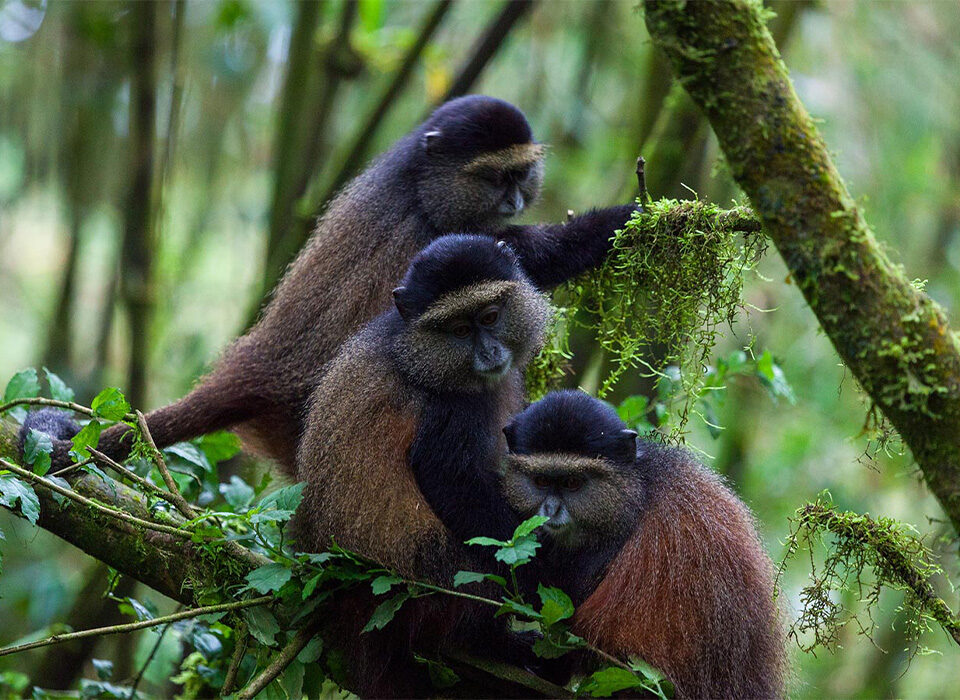
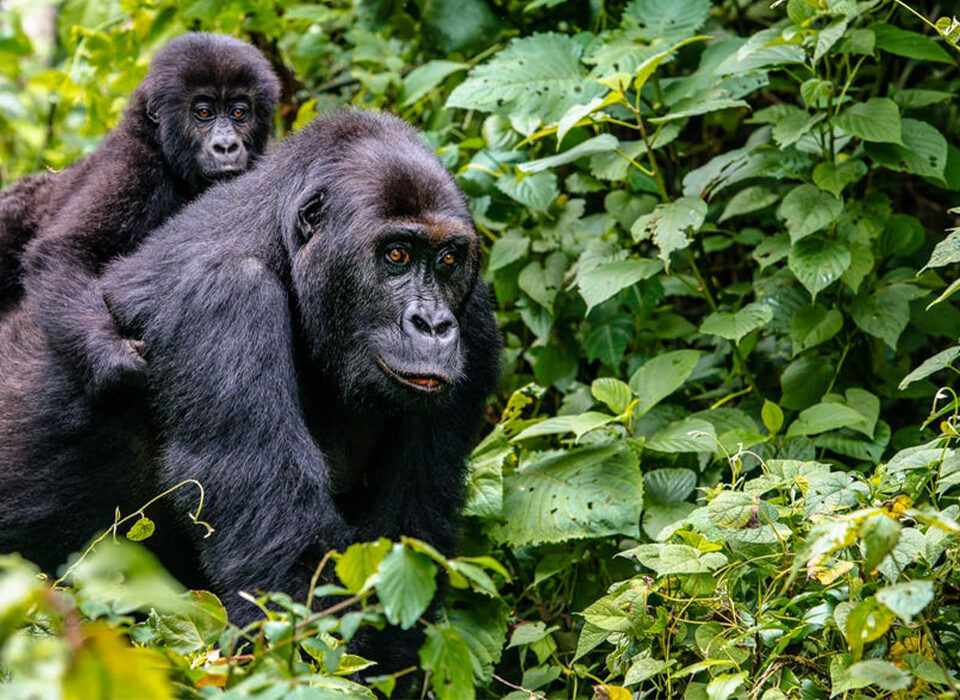
- Gorilla trekking and golden monkey tracking in Volcanoes National Park
- Visiting Dian Fossey’s grave
- Game drives in Akagera National Park
- Chimpanzee tracking and canopy walks in Nyungwe Forest
- Exploring genocide memorial centers in Kigali
- Cultural visits to Iby’iwacu Cultural Village
- Hiking Mount Karisimbi or Mount Bisoke
The Congo Nile Trail is more than a biking or hiking route; it is a journey into Rwanda’s heart, offering unforgettable natural beauty, cultural immersion, and local hospitality. With careful planning, the right gear, and support from Experiya Tour Company, anyone can experience the magic of this remarkable trail.