

How to Request a Sedan Chair or a Porter for a Trek
December 29, 2025
Top Reasons Tourists Return to Uganda
December 29, 2025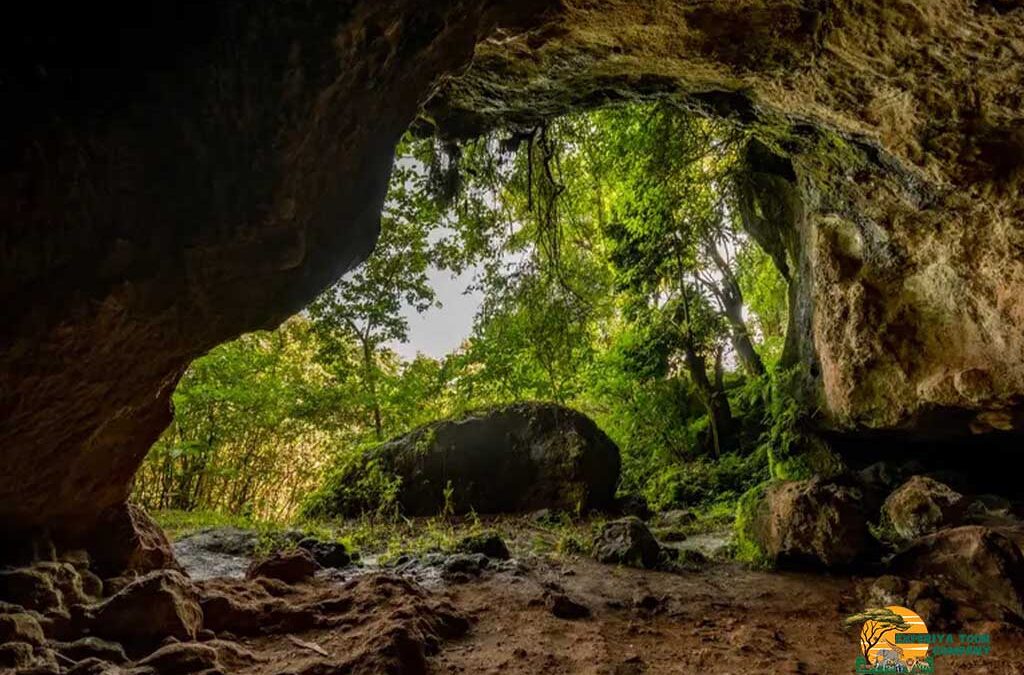
Exploring caves and waterfalls in East Africa offers an unforgettable way to connect with the region’s dramatic landscapes, ancient history, and raw natural beauty. While East Africa is globally celebrated for classic wildlife safaris and mountain gorilla trekking, its underground caverns and thundering waterfalls deliver equally thrilling adventures. From salt-mined elephant caves to prehistoric human shelters, and from misty highland cascades to world-famous waterfalls, the region rewards travelers who venture beyond the traditional safari routes.
Whether you are an adventure enthusiast, a nature lover, or a history buff, cave and waterfall exploration adds depth and variety to your journey. Moreover, these natural wonders showcase remarkable geological processes while revealing stories of wildlife behavior, early human civilization, and cultural heritage that span thousands of years.
Best Cave Adventures in East Africa
A cave is a natural chamber or a series of chambers formed within the earth or along hillsides and cliffs. In East Africa, many caves carry cultural significance, archaeological importance, and fascinating wildlife activity. As a result, exploring them feels both educational and adventurous. Below are some of the most remarkable caves worth visiting.
Kitum Cave
Kitum Cave ranks among the most extraordinary caves in East Africa, not only for its geological formation but also for the wildlife that actively shapes it. Contrary to common assumptions, Kitum Cave is not a lava tube. Instead, volcanic pyroclastic rocks on the slopes of Mount Elgon formed this non-solution cave.
The cave extends approximately 200 meters into the mountain. For centuries, elephants have entered the cave to harvest mineral-rich salt deposits embedded in the walls. Using their tusks, they break off chunks of rock, leaving behind deep grooves and scars that gradually expand the cave. Consequently, Kitum Cave stands out as one of the few places on Earth where large mammals actively modify an underground landscape.
In addition to elephants, buffaloes, bushbucks, and hyenas also visit the cave to lick salt residues. Therefore, exploring Kitum Cave feels like stepping into a living natural laboratory where geology and wildlife interact in real time.
Where is Kitum Cave located?
Kitum Cave lies within Mount Elgon National Park in western Kenya, near the Kenya–Uganda border. It is one of the five famous elephant caves found on Mount Elgon.
Garama Cave
Garama Cave combines natural beauty with powerful human history. As one of the oldest caves in the Albertine Rift Valley, it once served as a strategic hideout for the Batwa people. These forest-dwelling hunter-gatherers used the cave as shelter and as a defensive base during conflicts with neighboring Bantu communities.
The cave sits just three kilometers from the park headquarters, making it relatively accessible. As you approach the entrance, guides often share compelling stories of how the Batwa survived inside the cave, organized ambushes, and relied on their deep knowledge of the forest.
Garama Cave measures about 342 meters in length and descends roughly 14 meters underground. Inside, wide chambers echo with history, offering visitors a rare chance to experience a place where resilience and survival skills defined daily life.
Where is Garama Cave located?
Garama Cave is located beneath the northern edge of the plateau in the Kisoro region of Mgahinga Gorilla National Park in southwestern Uganda, about three kilometers from Ntebeko.
Panga ya Saidi Cave
Panga ya Saidi is more than a cave it is one of Africa’s most important archaeological sites. Nestled within the limestone hills of southeastern Kenya, the cave preserves an exceptional record of continuous human occupation stretching back tens of thousands of years.
Archaeological excavations have revealed artifacts from the Middle Stone Age, Later Stone Age, and Iron Age. Scientific dating shows that humans occupied the site from around 78,000 years ago until roughly 400 years ago. As a result, Panga ya Saidi provides invaluable insight into how early humans adapted to environmental changes, developed tools, and evolved culturally.
Walking through Panga ya Saidi feels like traveling through time. Each layer of soil represents a different chapter of human history, making the cave especially compelling for travelers interested in anthropology and archaeology.
Where is Panga ya Saidi Cave located?
Panga ya Saidi is located in Kilifi County in southeastern Kenya, approximately 15 kilometers from the Indian Ocean.
The Impressive Waterfalls of East Africa
A waterfall forms when a river flows over a steep or vertical drop, creating misty spray and powerful plunge pools below. East Africa’s waterfalls range from peaceful highland cascades to some of the most powerful falls on the planet. Consequently, they offer excellent opportunities for hiking, photography, cultural encounters, and quiet reflection.
Sipi Falls
Sipi Falls ranks among Uganda’s most scenic natural attractions, offering a serene yet dramatic setting on the foothills of Mount Elgon. The name “Sipi” comes from a wild, banana-like plant locally known as sep, which grows along the riverbanks and is traditionally used to treat fevers and measles.
The waterfall system features three distinct falls at different elevations. Together, they create a stunning landscape of plunging water, lush greenery, and rolling hills. Notably, the tallest fall drops about 100 meters, making it the most dramatic and visually impressive.
Beyond sightseeing, visitors can enjoy guided hikes, cultural interactions with local communities, and sweeping views of the surrounding plains. Therefore, Sipi Falls appeals equally to adventurers and travelers seeking relaxation.
Where is Sipi Falls located?
Sipi Falls is located in Kapchorwa District in eastern Uganda, near Mount Elgon along the Kenya–Uganda border. It lies approximately 277 kilometers northeast of Kampala and is accessible by road.
Kalambo Falls
Kalambo Falls impresses visitors not only with its scale but also with its deep archaeological importance. Located on the Kalambo River, the waterfall plunges dramatically into a steep gorge, making it one of the tallest waterfalls in Africa.
Archaeological research around the falls has uncovered evidence that early humans controlled fire here more than 60,000 years ago. This discovery places Kalambo Falls among the earliest known sites of fire use for cooking, warmth, protection, and possibly ritual practices. Because of this significance, authorities protect the area as a national monument and have proposed it as a UNESCO World Heritage Site.
The surrounding wilderness remains largely untouched. As a result, visitors experience both breathtaking scenery and a profound sense of isolation.
Where is Kalambo Falls located?
Kalambo Falls is situated on the Kalambo River along the border between Zambia and Tanzania, about 33 kilometers from the town of Mbala in Zambia’s Northern Province.
Victoria Falls
Victoria Falls stands as one of the most iconic natural wonders in the world. Located on the Zambezi River, it forms a natural border between Zambia and Zimbabwe. When considering both width and height, it creates the largest continuous curtain of falling water on Earth.
Local communities originally named the falls Mosi-oa-Tunya, meaning “The Smoke That Thunders.” Indeed, the roaring sound and towering mist justify the name. During peak flow, the spray rises high into the air and remains visible from kilometers away.
Visitors can admire the falls from numerous viewpoints, including the Knife-Edge Bridge, which offers thrilling close-up views of the Eastern Cataract and Main Falls. Additional highlights include Devil’s Pool, Livingstone Island, the Lookout Tree, and the dramatic Batoka Gorge below.
Where is Victoria Falls located?
Victoria Falls lies on the Zambia–Zimbabwe border, roughly halfway along the Zambezi River in southern Africa.
Final Thoughts
Caves and waterfalls reveal a lesser-known yet deeply compelling side of East Africa. They tell stories of ancient humans, resilient communities, and wildlife that continues to shape the land today. Ultimately, by exploring these hidden natural wonders, travelers gain a richer appreciation of East Africa’s diversity, history, and breathtaking beauty—transforming every journey into a more meaningful experience.
