

Visit Idi Amin’s Torture Chambers – Lubiri Mengo
December 8, 2025
Interesting Facts About Baby Gorillas
December 8, 2025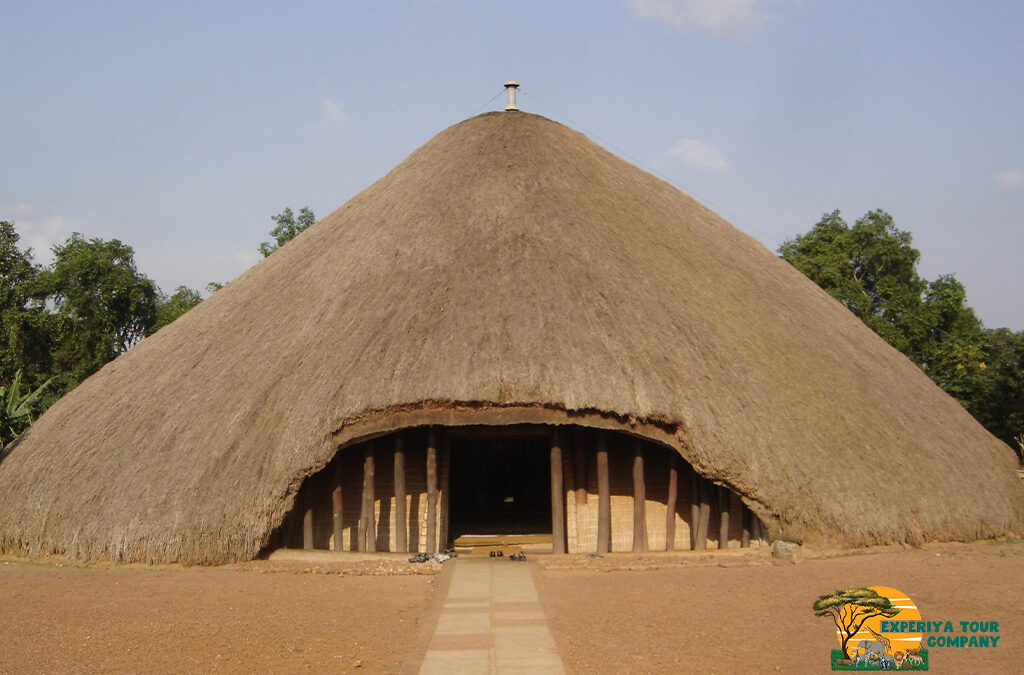
The Essential Guide to Cultural Adventures
Uganda is often celebrated as the “Pearl of Africa” for its natural beauty, but its true brilliance shines through its people. With more than 56 distinct tribes, the country offers a cultural journey unlike anywhere else on the continent. When you step beyond the usual tourist trails, you discover a world where ancient traditions still breathe, stories remain alive, and hospitality is woven deeply into everyday life.
If you’re seeking to connect with Ugandans on a personal level to understand their history, identity, and resilience you are in exactly the right place. This guide is your doorway into immersive cultural safaris across Uganda, from the regal Buganda Kingdom to the rugged homesteads of the Karamojong and the vibrant ceremonial grounds of the Bagisu.
Central Region: Discovering the Heart of the Baganda Kingdom
In the central region, Kampala stands as the cultural and political home of the Baganda, Uganda’s largest ethnic group. Their history interweaves with the powerful Buganda Kingdom, whose influence remains strong even today.
The Kabaka and the Clans: Foundation of Baganda Identity
Baganda society revolves around the Kabaka (King) and an intricate clan system. These traditions are not merely relics of the past they shape daily life, guide social conduct, and uphold Buganda’s legacy. When you understand this cultural structure, you begin to appreciate the significance of the monuments, rituals, and royal sites around Kampala.
One of the most captivating cultural experiences for travelers is the Kwanjula, the traditional marriage introduction ceremony. This colorful occasion showcases the elegance of the Gomesi worn by women and the classic Kanzu worn by men. The ceremony is not only visually striking but also deeply symbolic, representing unity between families and respect for heritage.
Caption: The Gomesi, the ceremonial robe of Baganda women, remains a cherished symbol of grace and cultural pride.
Must-Visit Heritage Sites in Buganda
A cultural tour in Kampala is incomplete without exploring Buganda’s royal burial sites.
Wamala Tombs, where Kabaka Suuna II rests, offers deep insight into Buganda’s historical leadership. Meanwhile, the Kasubi Tombs, a UNESCO World Heritage Site (when reopened), stand as the burial grounds for the former Kabakas. These sacred places embody the kingdom’s relationship with ancestral spirits, known as the Muzimu, and reflect centuries of architectural and spiritual tradition.
Southwestern Uganda: Home of the Bakiga and the Gorilla Heartland
The dramatic highlands of Kigezi, stretching around Bwindi Impenetrable National Park, are home to the Bakiga people. Often called the “people of the mountains,” the Bakiga are known for their resilience, terraced farming, and vibrant dances.
Connecting Culture and Conservation
Travellers often focus solely on mountain gorilla trekking when visiting Bwindi. Yet, just beyond the forest trails, Bakiga communities offer a remarkable cultural dimension to the experience. When you join a Bakiga village walk, you meet farmers who have shaped these hillsides for generations. You learn how they cultivate terraced gardens, use medicinal plants, and celebrate with energetic traditional dances.
This connection deepens your understanding of how tourism supports local livelihoods and strengthens conservation. It becomes clear that protecting gorillas also means supporting the communities who share their home.
Northeastern Uganda: The Nomadic Life of the Karamojong
Far in the northeast lies Karamoja, a region defined by sweeping plains, dramatic horizons, and the fierce pastoral heritage of the Karamojong people. Their identity revolves around cattle—symbolizing wealth, status, and spirituality.
Immersion in Karamojong Manyattas
A visit to a Karamojong manyatta, or traditional homestead, offers one of the most authentic cultural encounters in Uganda. The manyatta is a cluster of huts surrounded by thorny fences, designed for protection against wildlife and raiders. Inside this community space, daily life unfolds in its rawest form.
During your visit, you walk through compounds built from mud, sticks, and grass; meet herders returning with cattle; observe women making beadwork or leather crafts; and listen to warriors chanting songs passed down for generations. You may even join traditional dances or share stories around the fire.
Caption: The nomadic life of the Karamojong—centered on cattle and tradition—offers a rare glimpse into an enduring East African heritage.
When to Visit Karamoja
The best time to explore Karamoja is during the dry seasons, typically from December to February and June to August. Roads are easier to navigate, and manyattas are lively with ceremonies and cultural activities. During the rainy season, travel becomes unpredictable, and some communities migrate with their herds to greener areas.
What to Expect During Your Manyatta Visit
A manyatta visit unfolds like a living cultural classroom. You might watch cattle being milked, see how traditional meals are prepared, or learn about the symbolic meaning of their ornaments, spears, and attire. Some travelers even choose to spend the night in community-run camps, immersing themselves in the pastoral rhythm under a sky full of stars.
Ethical and Respectful Travel
Because manyattas are real homes, visitors should approach them with sensitivity. Always ask for permission before taking photographs, follow community rules, and support local artists by buying crafts directly rather than giving unstructured donations. Respecting the Karamojong way of life ensures that every encounter is meaningful for both visitors and hosts.
Eastern Uganda: The Bagisu, Imbalu, and the Slopes of Mount Elgon
Eastern Uganda stretches around Mount Elgon, known locally as Mount Masaba. The Bagisu (or Bamasaaba) people view this mountain as the dwelling place of their ancestral father, Masaba. Their most renowned cultural practice is the Imbalu, a public male circumcision ceremony held every two years.
The Spectacle of Imbalu: A Rite of Passage Like No Other
Imbalu is far more than a ritual—it is a celebration of identity, courage, and continuity. The season typically begins around August of even-numbered years and continues until December. During this time, villages transform into vibrant arenas of music, dance, and communal excitement.
Processions and Warrior-Like Celebrations
Before the circumcision day, candidates parade through their villages accompanied by crowds, singing and dancing to the relentless rhythms of the Kadodi drums. Feathers, bells, body paint, and shields symbolize bravery, while the energetic dances test the endurance and readiness of the candidates.
Kadodi: The Heartbeat of the Ceremony
Kadodi is more than drumming it is a spiritual experience. The pounding rhythms, sharp whistles, and frenetic footwork represent the pulse of Bamasaaba identity. As the ceremony approaches, these gatherings grow more intense, uniting entire communities in celebration.
A Community Affair
Imbalu draws everyone into its festive embrace. Families, clans, and neighbors flood the streets, offering goats, millet beer, money, and blessings. Elders pray for ancestral guidance, and women dance and ululate to encourage the candidates.
Tests of Courage
In the days leading up to the ceremony, the initiate must show unwavering bravery. He dances tirelessly, presents himself boldly before elders, and endures symbolic tests meant to prove readiness. Hesitation brings shame; courage earns admiration.
The Climactic Moment
On the day of circumcision, the candidate stands firmly before the public. With no anesthesia, skilled traditional surgeons perform the procedure swiftly. The boy must not flinch, blink, or step back. Once the cut is complete, the crowd erupts in jubilation.
Transformation into Manhood
Afterward, the new initiate is wrapped in symbolic fabrics, smeared with ochre or ash, and lifted in celebration. Elders then offer guidance for his journey into manhood, marking the beginning of a new chapter in his life.
