
Discover the Best Places to Visit in Uganda in 2026
February 23, 2026
Inspiring Day Trips in Uganda with Experiya Tour Company
February 23, 2026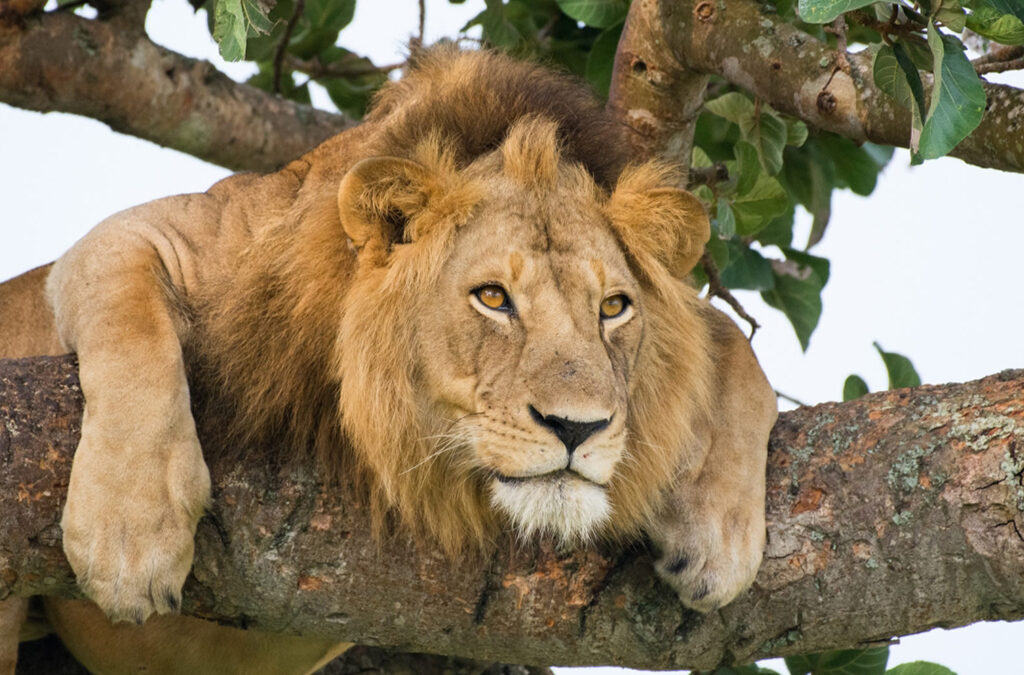
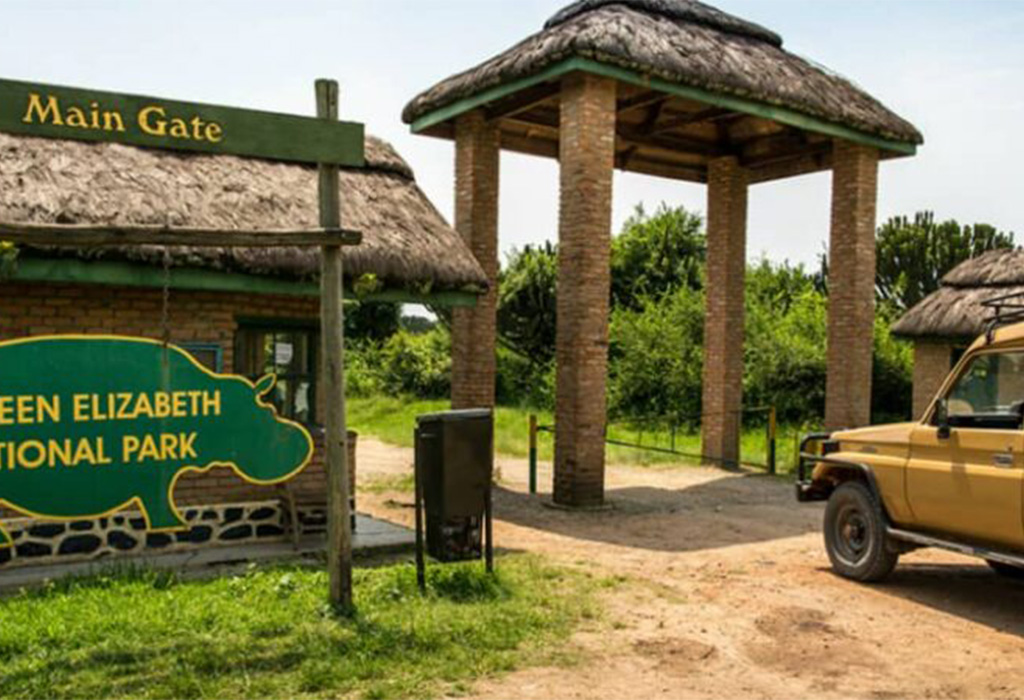
Queen Elizabeth National Park is not just a safari destination it is a living landscape where wildlife, water, volcanic history, and culture meet in spectacular harmony. At Experiya Tour Company, we invite you to explore this remarkable corner of western Uganda through thoughtfully designed journeys that reveal far more than the ordinary game drive.
Here, tree-climbing lions rest in fig trees, crater lakes shimmer beneath open skies, and hippos crowd the banks of a wildlife-rich channel. Every turn offers something dramatic, authentic, and unforgettable.
Location and Overview
Queen Elizabeth National Park lies in western Uganda, positioned on the drier leeward side of the majestic Rwenzori Mountains. Covering approximately 1,978 square kilometers, the park incorporates both the Kyambura and Kigezi Wildlife Reserves and forms part of the western arm of the Great East African Rift Valley.
Because of its location, the park presents extraordinary geographical diversity. Within a single journey, you can move from volcanic crater fields dotted with freshwater and alkaline lakes to sweeping escarpments, open savanna plains, tropical forests, and papyrus wetlands. At the heart of it all flows the 45-kilometer Kazinga Channel, which connects Lake George and Lake Edward and creates one of Africa’s richest wildlife corridors.
At Experiya Tour Company, we carefully craft itineraries that allow you to experience each of these ecosystems while maximizing wildlife viewing and scenic exploration.
Wildlife and Biodiversity
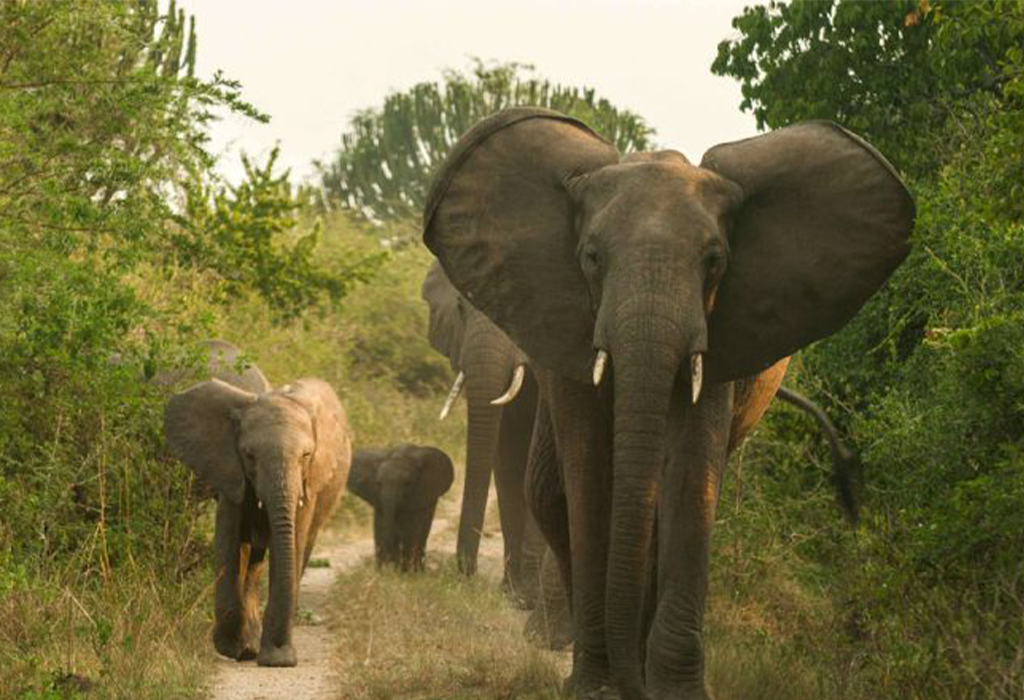
Queen Elizabeth National Park protects an impressive concentration of wildlife. The park is home to approximately 98 mammal species, 8 primate species, and more than 600 bird species. For this reason, it attracts more visitors than any other national park in Uganda.
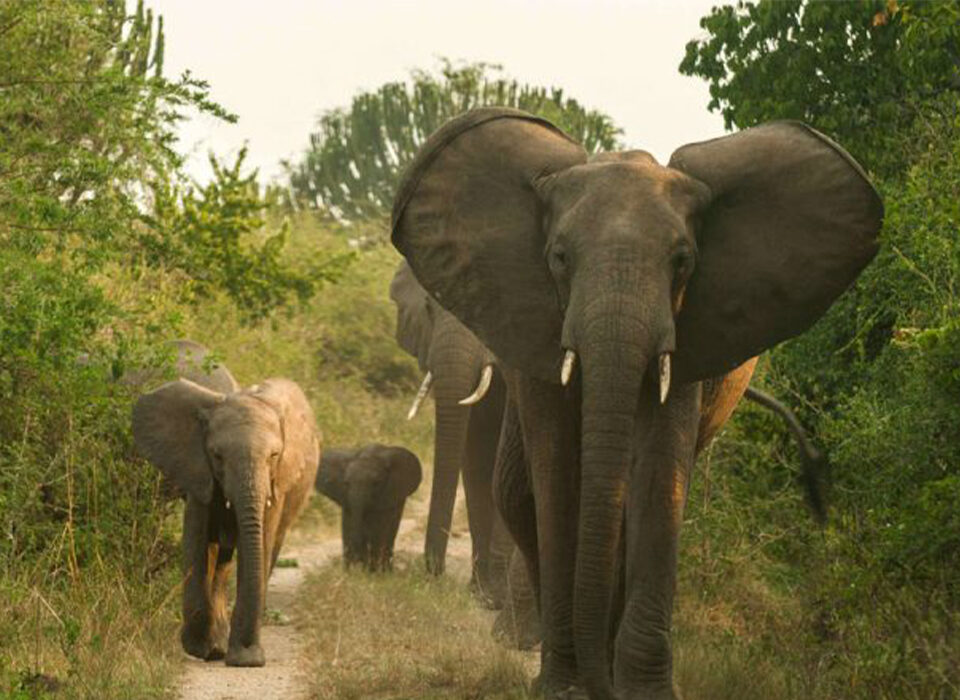
During your safari, you may encounter the park’s famous tree-climbing lions in the Ishasha sector. Unlike most lions elsewhere in Africa, these predators regularly climb fig and acacia trees to rest and survey their surroundings. In addition, you can spot leopards, spotted hyenas, elephants, buffaloes, hippos, Nile crocodiles, and a variety of antelopes such as Uganda kobs, waterbucks, bushbucks, and topi. Although giraffes, zebras, and impalas are absent here, the park compensates with its remarkable predator sightings and unique lion behavior.
The park also supports thriving primate populations. In Kyambura Gorge and forested areas, you may observe chimpanzees, red-tailed monkeys, blue monkeys, and black-and-white colobus monkeys. Our experienced guides at Experiya Tour Company strategically plan game drives, boat cruises, and guided walks to increase your chances of meaningful wildlife encounters.
Main Sectors to Visit
Queen Elizabeth National Park features two primary tourism sectors: the northern Kasenyi Plains and the southern Ishasha Wilderness. Each offers a distinct experience.
Kasenyi Plains
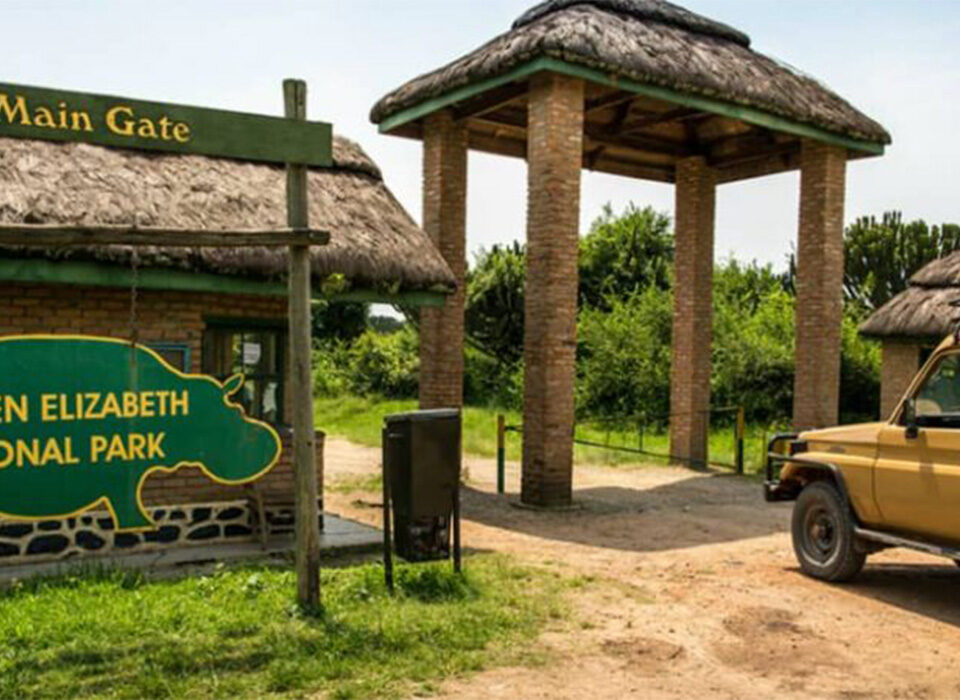
Kasenyi is the most visited sector and provides classic savanna landscapes ideal for game drives. The Uganda Wildlife Authority visitor center is located on the scenic Mweya Peninsula within this area. Travelers access Kasenyi through Katunguru Gate from Kasese, Kabatoro Gate from Fort Portal and Kibale, or via Ishasha when connecting from Bwindi.
This sector offers easy access to major attractions. You can track chimpanzees in Kyambura Gorge, explore Maramagambo Forest and its bat caves, visit the traditional salt mines at Lake Katwe, enjoy panoramic views from Mweya Peninsula, and take a wildlife-packed boat cruise along the Kazinga Channel. Because of its infrastructure and wildlife density, Kasenyi is ideal for travelers seeking a well-rounded safari experience.
Ishasha Wilderness
In contrast, the southern Ishasha sector feels remote and wild. It connects with the Rwindi Plains of Virunga National Park in the Democratic Republic of the Congo and sits at an altitude of approximately 910 meters above sea level, making it one of the lowest points in Africa.
Ishasha’s landscape features dense savanna woodland dominated by flat-topped acacia and fig trees (Ficus cyathistipula). Here, lions frequently climb trees, creating one of Uganda’s most iconic wildlife spectacles. Moreover, elephants use Ishasha as a migration corridor across the greater Virunga landscape, and you may also encounter Congo buffalo and forest elephants.
Because of its location, Ishasha serves as an excellent stopover for travelers heading to or returning from Bwindi or Mgahinga for gorilla trekking.
Climate and Best Time to Visit
The park’s elevation ranges from about 910 meters to 1,390 meters above sea level. Its position in the rain shadow of the Rwenzori Mountains results in relatively low rainfall in Kasese and surrounding areas.
The dry seasons, typically from June to September and December to February, offer particularly rewarding game viewing. During these months, wildlife gathers around water sources, making sightings easier and more frequent. In contrast, the wetter months of April to May and October to November bring greener landscapes and excellent birdwatching opportunities.
In the Kasenyi area, short grass savanna, thorny acacia thickets, and African milk trees dominate the terrain. Controlled bush burning encourages fresh grass growth, which in turn attracts herbivores closer to the tracks and improves visibility during game drives.
Major Landforms and Scenic Highlights
Tectonic and volcanic forces shaped Queen Elizabeth National Park during the formation of the Rift Valley, creating dramatic landforms that enrich every safari.
Kazinga Channel
The Kazinga Channel stretches 45 kilometers and links Lake Edward to Lake George. Water flows northward into Lake George’s Ramsar-listed wetlands, which support endangered waterbirds, including the iconic shoebill stork.
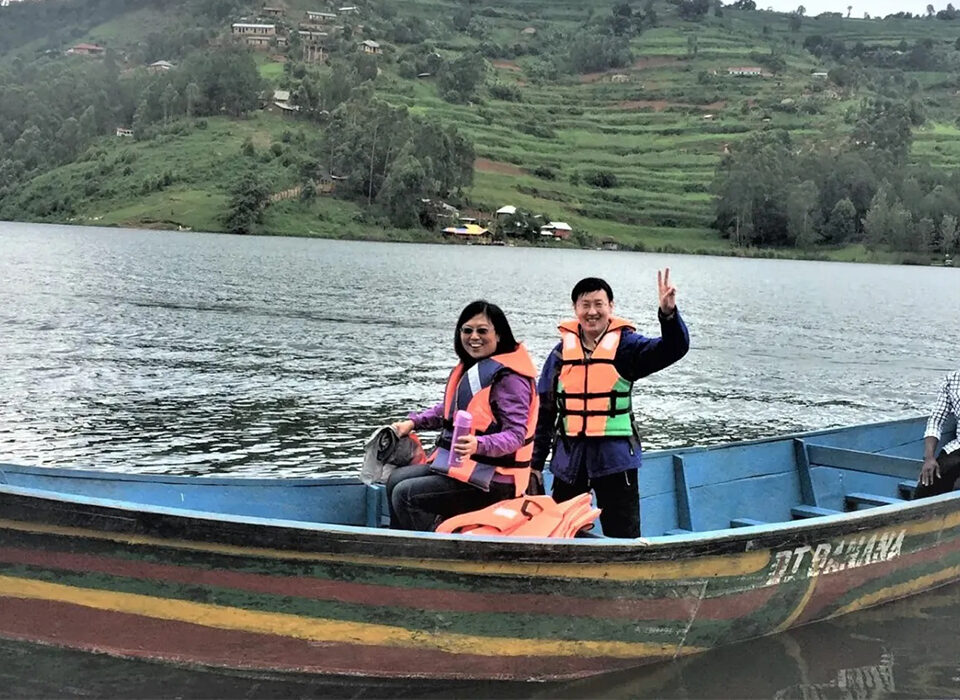
A boat cruise along the channel ranks among the park’s most rewarding experiences. From the water, you can observe large pods of hippos, basking Nile crocodiles, elephants, buffaloes, and numerous bird species such as African fish eagles. Because animals gather at the shoreline, this cruise offers close-range wildlife viewing in a relaxed and scenic setting.
Mweya Peninsula
Mweya Peninsula provides sweeping views of the Kazinga Channel, surrounding lakes, and the distant Rwenzori Mountains. Since it is surrounded by water, wildlife frequently grazes nearby, including elephants, warthogs, and hippos. The peninsula also hosts the park’s main visitor facilities, making it a convenient and picturesque base.
Katwe–Kikorongo Crater Lake Field
Covering approximately 180 square kilometers, this volcanic field contains more than eight crater lakes formed by explosive eruptions. These dramatic landscapes create striking contrasts between shimmering waters and rugged escarpments.
Lake Katwe, the largest and most economically significant crater lake, is shallow and highly alkaline. With an estimated 12 million tons of salt, it has supported local salt mining since the 14th century. Today, communities continue to harvest salt manually using traditional methods. Through guided cultural visits organized by Experiya Tour Company, you can witness these practices firsthand and gain insight into centuries-old livelihoods.
Nearby, Lake Munyanyange attracts lesser flamingos migrating from Lake Natron in Tanzania and Lake Naivasha in Kenya. During rainy seasons, rising water levels promote algae growth, creating ideal feeding conditions for flamingos before they return to their breeding grounds.
Kitagata Crater Lake and Hot Springs
About 95 kilometers south of Lake Katwe in Sheema District lies Lake Kitagata. Geothermal activity heats this crater lake and feeds two hot springs known locally as Mulago and Mugabe, where temperatures can reach up to 80°C. Many local residents believe the mineral-rich waters offer healing properties. Including Kitagata in your itinerary adds a rewarding off-the-beaten-path cultural and geological extension.
Kyambura Gorge
Kyambura Gorge stretches 11 kilometers and plunges nearly 100 meters deep, forming a lush tropical forest hidden within the savanna. Often described as the “Valley of Apes,” the gorge connects the Kazinga Channel to the Kichwamba Escarpment.
Chimpanzee tracking here feels intimate and adventurous. Before descending into the gorge, you can admire sweeping views from a raised platform that reveals the dramatic contrast between open plains and forested depths below.
Why Travel with Experiya Tour Company
At Experiya Tour Company, we design immersive safaris that combine wildlife encounters, geological exploration, cultural experiences, and carefully selected accommodations. We coordinate permits, boat cruises, game drives, chimpanzee tracking, and crater lake visits to ensure seamless logistics and personalized service.
Most importantly, we bring deep local knowledge and a commitment to responsible tourism. We actively support conservation and community engagement while ensuring that your journey remains comfortable, safe, and enriching.
Explore the amazing beauty in and around Queen Elizabeth National Park with Experiya Tour Company and discover why this iconic destination remains Uganda’s most visited and most diverse safari park a place where wilderness, water, and wildlife come together in extraordinary harmony.