
Best Stopovers on a Uganda Safari
April 10, 2026
Gorilla Trekking in Bwindi During the Rainy Season
April 10, 2026Eco-Tourism Activities in Uganda
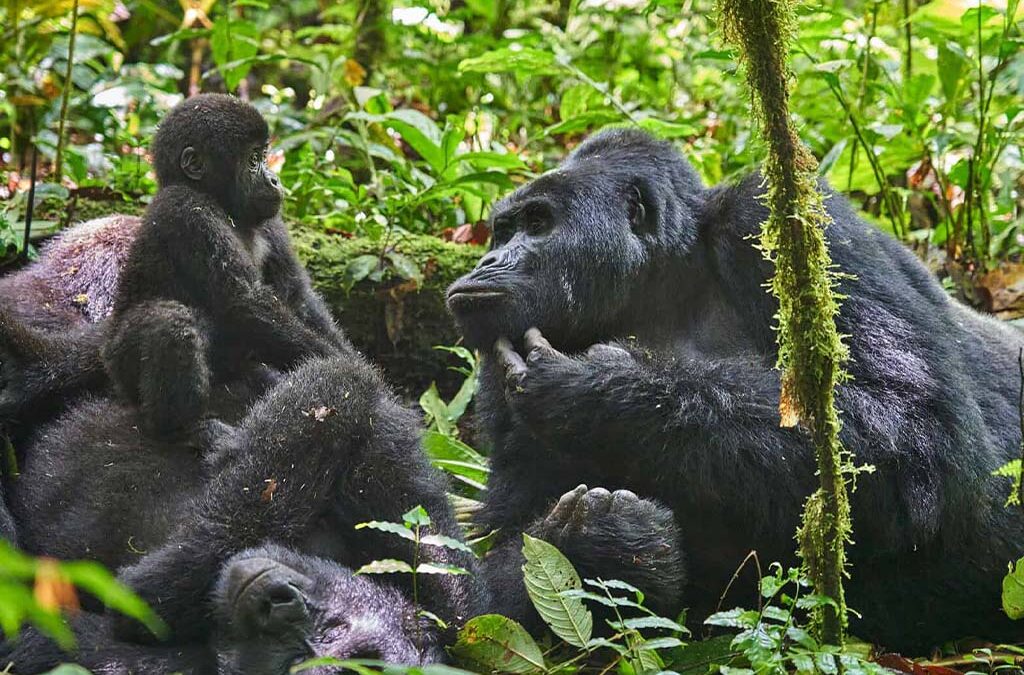
Eco-tourism activities in Uganda offer far more than travel experiences—they create meaningful connections between people, nature, and culture. As you explore this remarkable East African destination, you actively participate in conservation, cultural preservation, and community empowerment. Uganda invites environmentally conscious travelers to engage with its pristine ecosystems while contributing directly to their protection. From trekking endangered primates in ancient forests to learning age-old traditions from indigenous communities, every experience reflects how responsible travel can leave a lasting positive impact.
Primate Trekking and Habituation Experiences
Uganda’s primate encounters stand at the heart of its eco-tourism success. These experiences combine adventure with conservation, ensuring that every visit directly supports wildlife protection and local livelihoods.
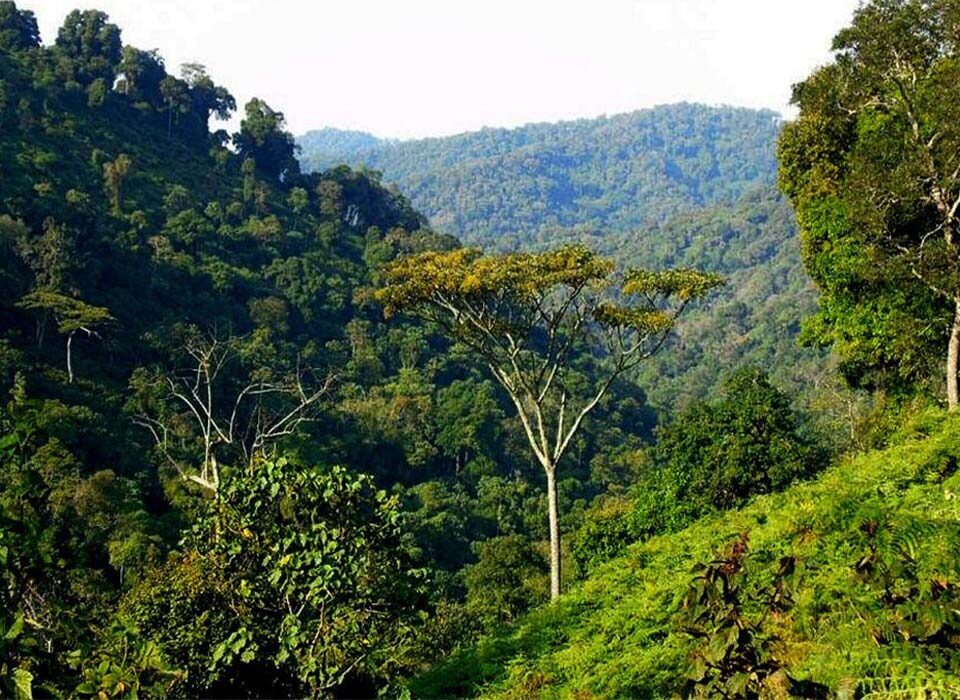
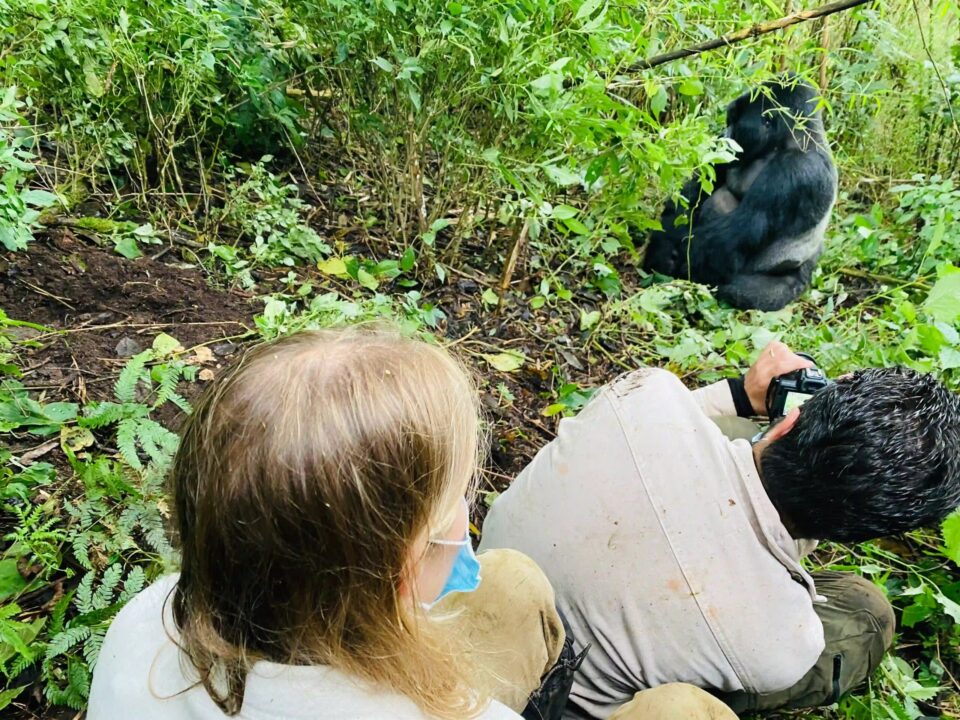
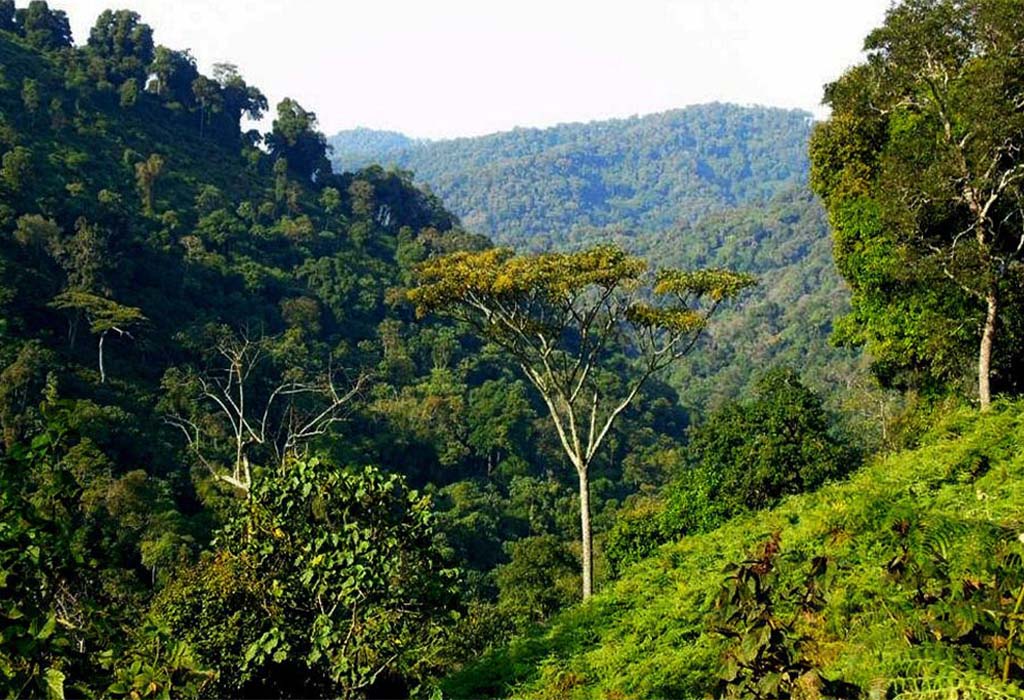
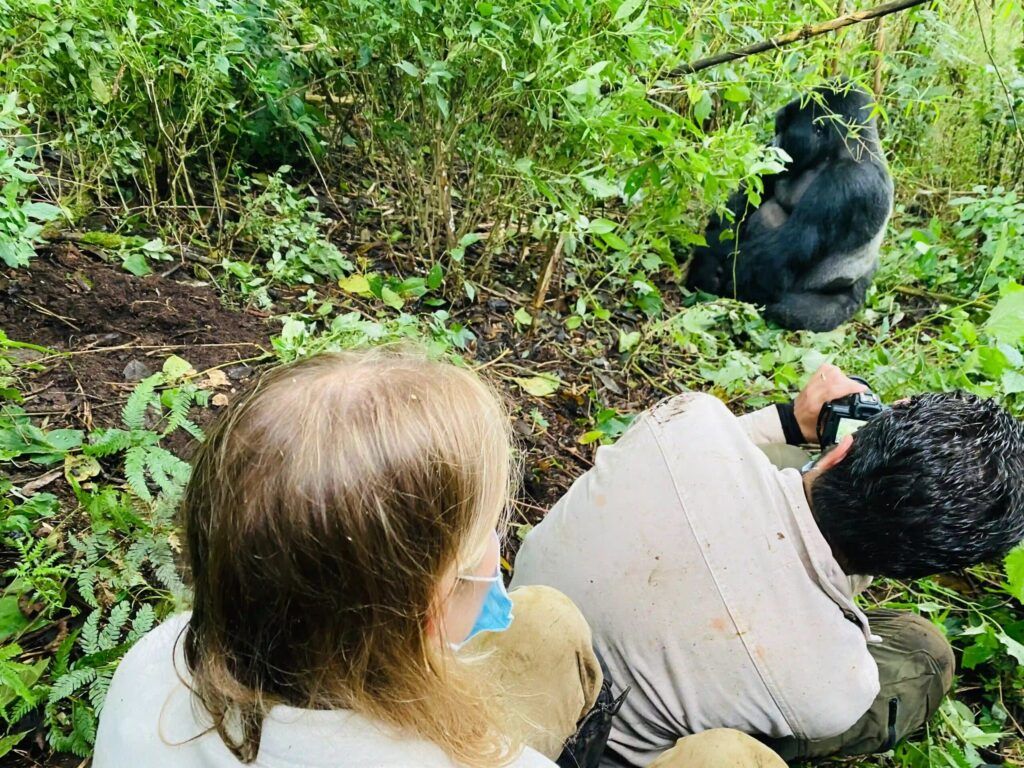
Gorilla trekking, for instance, remains the country’s most iconic activity. As you step into the dense forests of Bwindi Impenetrable National Park or Mgahinga Gorilla National Park, you enter a carefully regulated environment designed to protect critically endangered mountain gorillas. Only eight visitors can track a single gorilla family per day, and each group spends just one hour observing them. This approach minimizes stress on the animals while preserving the authenticity of the encounter. At the same time, permit fees contribute significantly to anti-poaching efforts, habitat conservation, and community development. Local people benefit through employment opportunities as guides, trackers, and porters, while revenue-sharing initiatives fund schools, clinics, and infrastructure.
Similarly, chimpanzee tracking offers a dynamic and deeply engaging experience. In destinations such as Kibale Forest National Park, Kalinzu Forest Reserve, and Budongo Forest Reserve, you follow the sounds of chimpanzees through lush canopies while learning about their complex social behavior. For those seeking a more immersive experience, habituation programs allow full-day interactions with chimpanzee groups. These extended encounters not only deepen your understanding but also support ongoing research and conservation funding.
Meanwhile, golden monkey tracking in Mgahinga introduces you to one of Uganda’s most unique species. These lively primates, found only in the Virunga Mountains, thrive thanks to conservation efforts supported by tourism. In contrast, Ngamba Island Chimpanzee Sanctuary offers a different perspective. Here, you observe rescued chimpanzees during feeding sessions while supporting rehabilitation and education programs that combat illegal wildlife trade.
Wildlife and Nature Experiences
Beyond primates, Uganda’s ecosystems provide a rich variety of eco-friendly wildlife encounters. Each experience emphasizes sustainability while involving local communities in conservation efforts.
In Bigodi Wetland Sanctuary, for example, community-led walks transform simple nature trails into powerful conservation stories. Local guides share their knowledge of wetland ecosystems, pointing out rare species like the great blue turaco. At the same time, proceeds from these walks directly fund schools, healthcare, and environmental education.
Uganda also stands out as a birdwatching paradise, with over 1,000 recorded species. As you explore areas like Mabamba Swamp, Semuliki National Park, and Queen Elizabeth National Park, you encounter everything from the elusive shoebill stork to vibrant forest and savannah birds. Expert local guides enhance these experiences while earning sustainable livelihoods from their skills.
Equally impressive are boat safaris along the Kazinga Channel. Increasingly, operators adopt eco-friendly technologies such as solar-powered boats, which reduce noise and environmental impact. As a result, you enjoy closer, more natural wildlife encounters with hippos, crocodiles, and waterbirds without disturbing their habitats.
Game drives and guided nature walks in parks like Murchison Falls and Queen Elizabeth National Park further demonstrate responsible tourism in action. Carefully managed routes reduce environmental damage, while walking safaris offer a quieter, more intimate way to experience wildlife. Through these activities, you gain a deeper appreciation of ecosystems while supporting conservation initiatives.
In addition, agro-tourism around Mount Elgon introduces sustainable farming practices. Visiting organic coffee farms or beekeeping projects allows you to see how communities protect forests by adopting environmentally friendly livelihoods. These experiences not only educate but also provide alternative income sources that reduce pressure on natural habitats.
Cultural and Community Experiences
Uganda’s eco-tourism extends beyond wildlife to embrace its rich cultural heritage. These experiences ensure that tourism benefits communities while preserving traditions for future generations.
The Batwa cultural trail, located near Bwindi and Mgahinga, offers one of the most profound cultural encounters. Guided by Batwa elders, you learn about traditional forest living, hunting techniques, and spiritual practices. Importantly, these programs provide sustainable livelihoods for communities historically displaced by conservation efforts.
Village walks and community visits further deepen cultural exchange. As you interact with local families, you gain insight into daily life, traditional crafts, and social structures. Visiting women’s groups and craft centers allows you to support handmade products while contributing directly to local economies.
For a more immersive experience, homestay programs place you within local households. Living alongside families creates authentic connections and ensures that tourism revenue reaches the community at a grassroots level. Meanwhile, cultural performances showcase Uganda’s diverse traditions through music and dance, preserving artistic heritage while supporting local performers.
Adventure Tourism with a Purpose
Uganda’s eco-tourism also caters to adventure seekers, blending thrilling activities with environmental responsibility.
Mountain trekking in the Rwenzori Mountains and volcano hiking in Mgahinga provide unforgettable challenges. Guided by experienced local teams, these expeditions follow sustainable practices that protect fragile ecosystems. At the same time, they create employment opportunities for guides, porters, and support staff.
On the Nile River, whitewater rafting and kayaking deliver adrenaline-filled experiences while promoting river conservation. Responsible operators ensure that these activities protect aquatic ecosystems and benefit nearby communities.
Meanwhile, zip-lining in Mabira Forest offers a unique canopy experience. Managed sustainably, this activity generates revenue for forest conservation while giving you a bird’s-eye view of Uganda’s lush landscapes.
Responsible Tourism Practices
To fully embrace eco-tourism in Uganda, your choices as a traveler matter. By selecting responsible operators like Experiya Tour Company, you ensure that your journey supports conservation and community development.
Choosing eco-lodges that use renewable energy, practice water conservation, and employ local staff further enhances sustainability. Supporting local businesses—whether through crafts, food, or guided tours—keeps economic benefits within communities.
At the same time, simple actions such as avoiding single-use plastics, respecting wildlife guidelines, and following park rules help protect fragile ecosystems. These small but meaningful efforts ensure that Uganda’s natural and cultural treasures remain intact for generations to come.
Eco-tourism in Uganda ultimately transforms travel into something deeper and more impactful. Every քայլ you take—whether in a rainforest, savannah, or village—contributes to a larger story of conservation, resilience, and shared responsibility.