
Where to Stay During Gorilla Trekking in Uganda
March 9, 2026
Climate of Bwindi National Park
March 9, 2026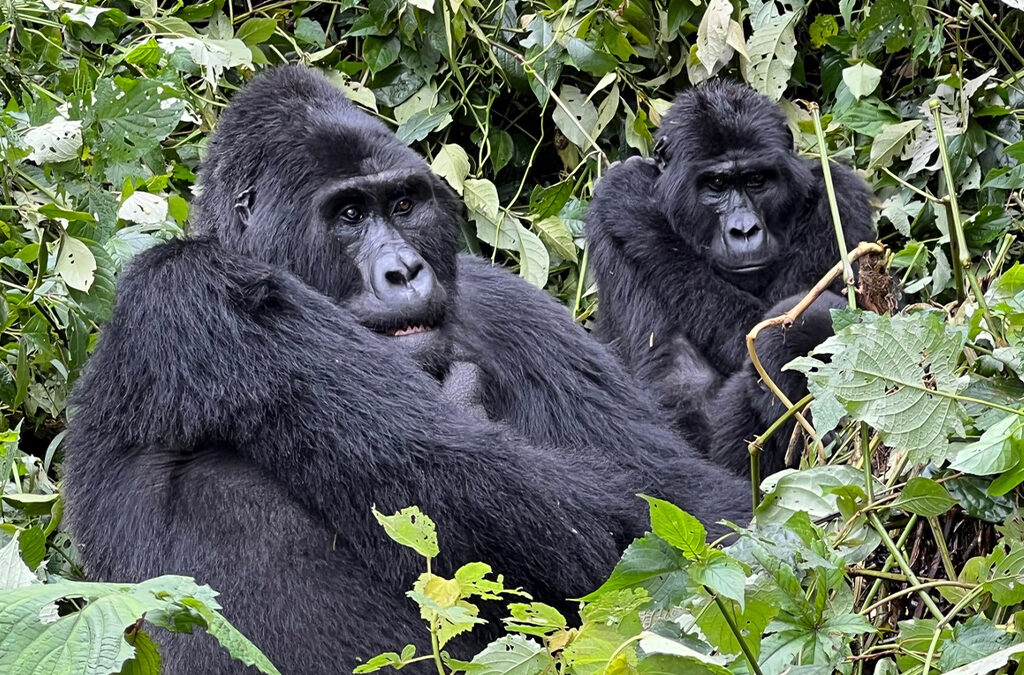
Gorilla trekking in Uganda is a once-in-a-lifetime adventure for many travelers. Standing just a few meters away from a mountain gorilla in its natural habitat is both humbling and unforgettable. However, visiting these endangered primates inside protected national parks requires proper documentation.
Without the correct documents, you may be denied entry into the country or refused access to the park. To protect both visitors and the gorillas, the Uganda Wildlife Authority and the Ministry of Internal Affairs enforce strict travel regulations. Preparing the right documents in advance is therefore essential for a smooth and memorable safari.
Below are the key documents you should arrange before traveling for your 2026 or 2027 gorilla trekking safari in Uganda.
Gorilla Trekking Permit
The gorilla trekking permit is the most important document required for your adventure. Without it, participation in a gorilla trek is not possible.
The Uganda Wildlife Authority issues these permits and grants visitors permission to track mountain gorillas in either Bwindi Impenetrable National Park or Mgahinga Gorilla National Park on a specific date. Currently, the permit costs USD 800 for foreign non-residents.
Gorilla permits are limited because conservation rules allow only eight visitors to visit a single gorilla family each day. This restriction protects the gorillas from stress and potential human diseases. Because of this limited availability, permits often sell out several months in advance. For this reason, most travelers secure their permits early through licensed tour operators who manage the reservation process.
Valid Passport and Identification
Your passport details must match the information on your gorilla trekking permit exactly. During the booking process, you will be asked to submit a copy of your passport so the permit can be issued correctly.
The passport must be valid for at least six months beyond your arrival date in Uganda and must contain at least two blank pages for immigration stamps.
It is also essential to carry the original passport to the park headquarters on the day of trekking. Park rangers will verify that the passport details correspond with the information on your permit. If the information does not match, or if the passport is missing, visitors may be denied participation in the trek. This rule helps prevent the illegal resale or transfer of gorilla permits.
Uganda Tourist Visa
Most international travelers require a tourist visa before entering Uganda.
Uganda operates an online visa application system managed by the Directorate of Citizenship and Immigration Control. Travelers must apply online before their journey and upload several documents, including a passport-sized photograph, a copy of the passport bio-data page, and a Yellow Fever Vaccination Certificate.
After the application is approved, an approval letter is issued. Visitors must print this document and present it upon arrival in Uganda, where immigration officers will issue the visa sticker at the airport or land border.
Travelers visiting Uganda, Rwanda, and Kenya during the same trip may instead apply for the East African Tourist Visa. This visa costs USD 100 and allows multiple entries between the three countries, making it a convenient option for multi-country safari itineraries.
Yellow Fever Vaccination Card
Uganda is located within a yellow fever risk zone, making proof of vaccination mandatory for entry.
After receiving the vaccine, a medical provider issues an International Certificate of Vaccination, commonly known as the Yellow Card. Travelers must carry the original document when entering Uganda.
Airlines often request this certificate before boarding, and immigration officials will certainly check it upon arrival. Without the card, travelers may be required to receive the vaccination at the airport or, in some cases, be denied entry into the country.
Travel Insurance
Although travel insurance is not an official entry requirement, it is highly recommended for anyone planning a gorilla trekking safari.
A suitable policy should cover emergency medical treatment and evacuation. Gorilla trekking takes place in dense forests and mountainous terrain, where unexpected injuries or medical situations can occasionally occur.
For instance, if a visitor twists an ankle or requires evacuation from the forest, the cost of helicopter rescue or specialized medical transport can reach thousands of dollars. Carrying a printed copy of your insurance policy along with a 24-hour emergency contact number in your daypack is therefore a sensible precaution.
Gorilla Trekking Certificate
This is the one document you will not bring with you you earn it.
After successfully completing the trek, park officials present visitors with an official Gorilla Trekking Certificate. The certificate contains the visitor’s name, the date of trekking, and the name of the gorilla family that was visited.
Signed by the park warden, the certificate becomes a meaningful keepsake that commemorates your extraordinary encounter with one of the world’s most endangered primates.
Final Thoughts
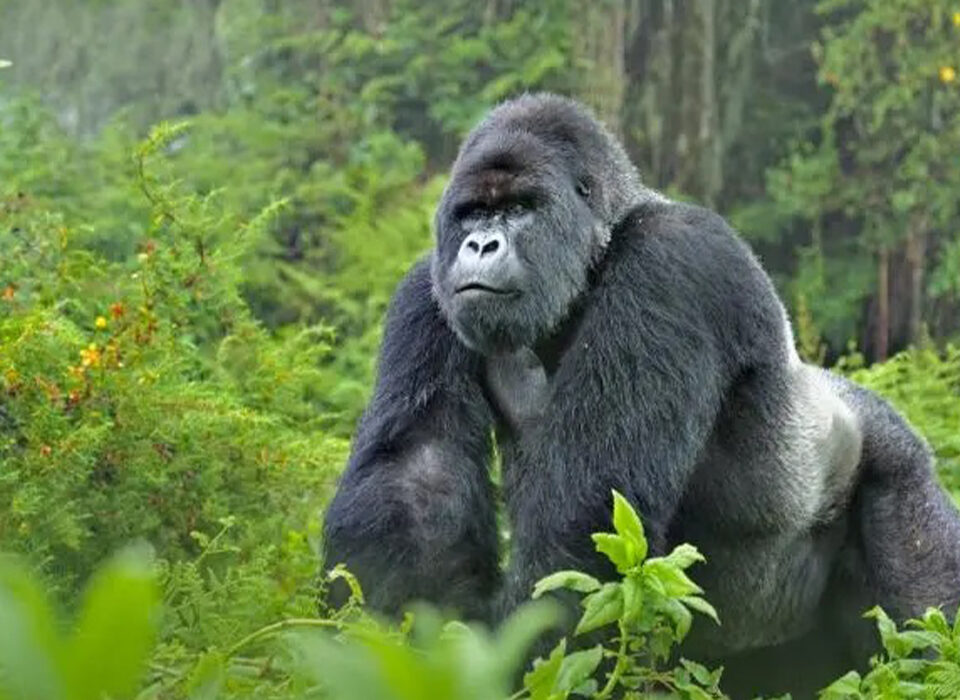
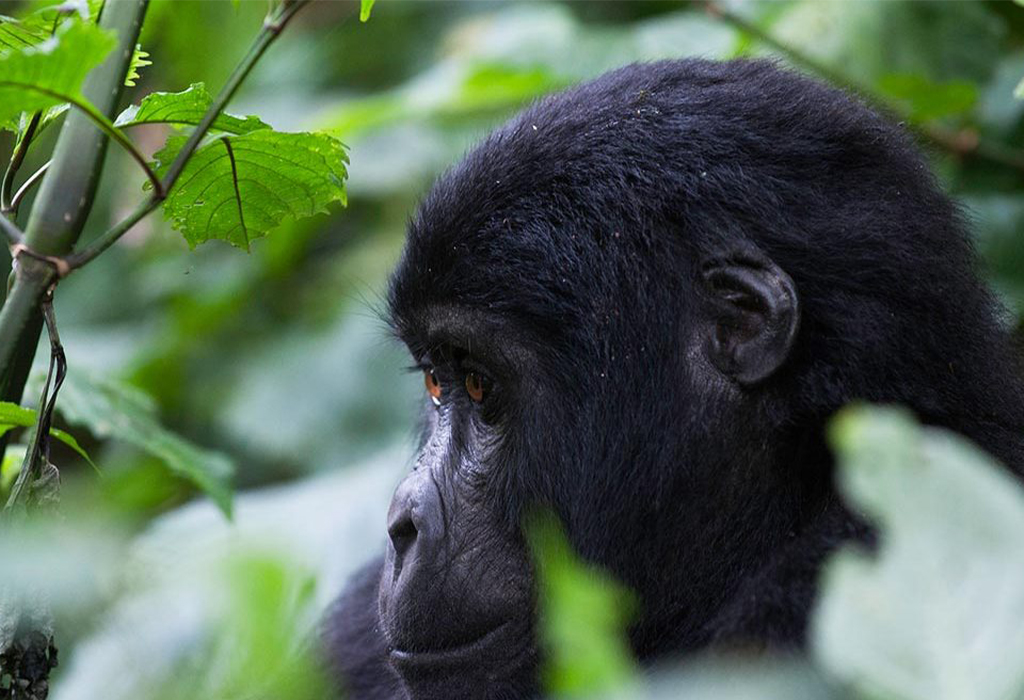
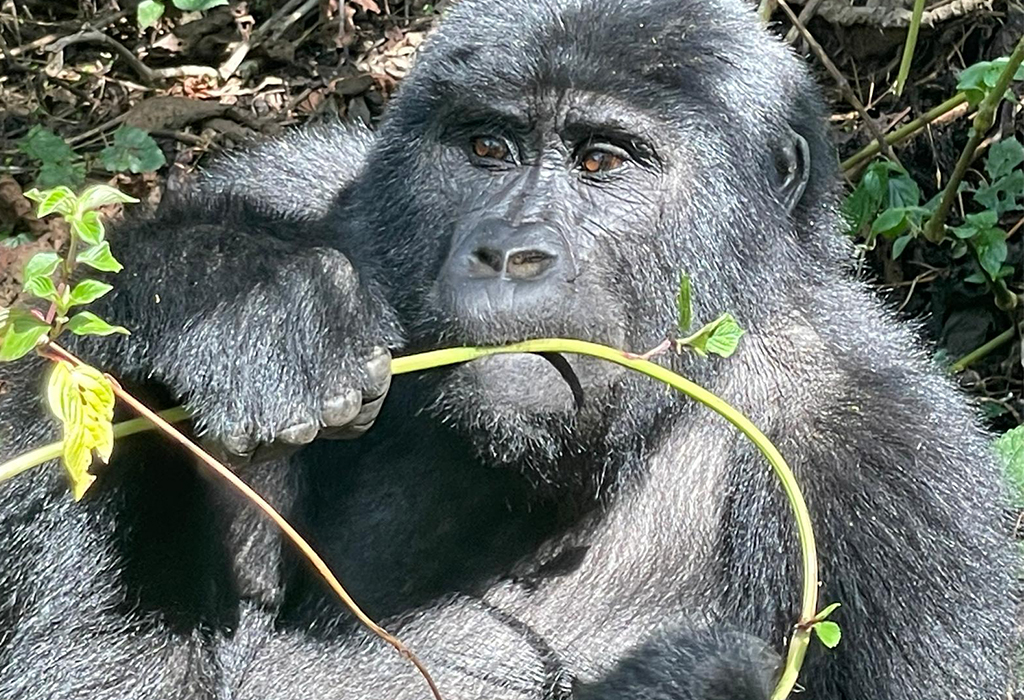
Preparing the correct travel documents before your journey ensures a smooth and stress-free gorilla trekking experience. Once everything is in place, you can focus entirely on the magical moment of standing face-to-face with a mountain gorilla silverback deep within the misty forests of Bwindi Impenetrable National Park.
For many travelers, this encounter becomes one of the most powerful wildlife experiences on Earth an unforgettable memory that lasts a lifetime.