Which Airport Should I Fly into for a Gorilla Trekking Safari in Uganda?
September 8, 2025
Comparative Analysis of Gorilla Trekking Tours in Rwanda and Uganda
September 8, 2025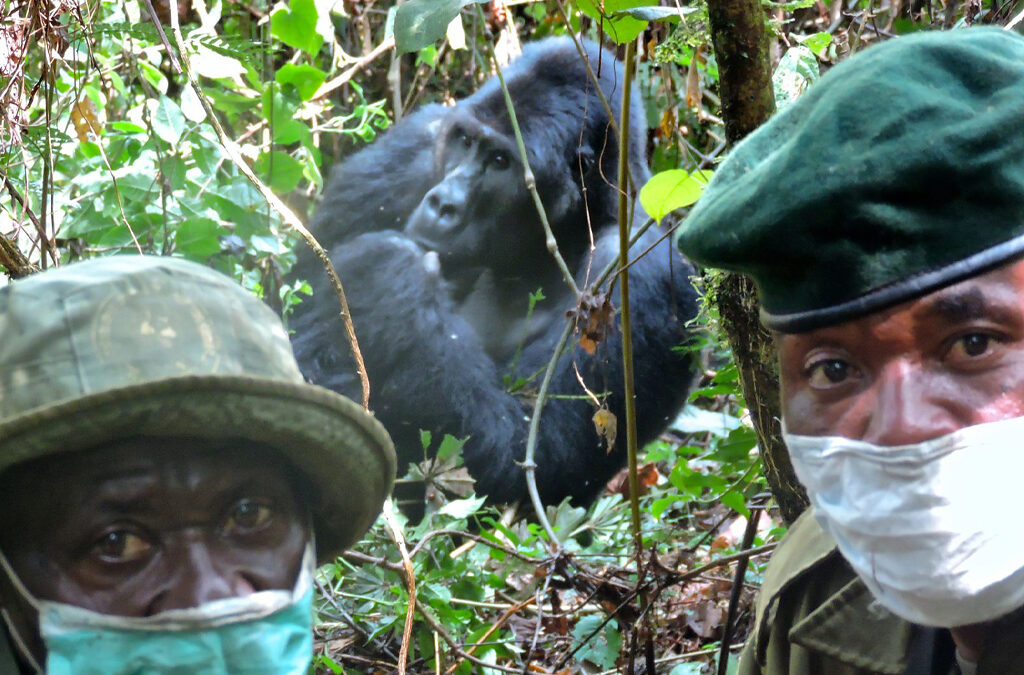
Protecting Our Closest Relatives
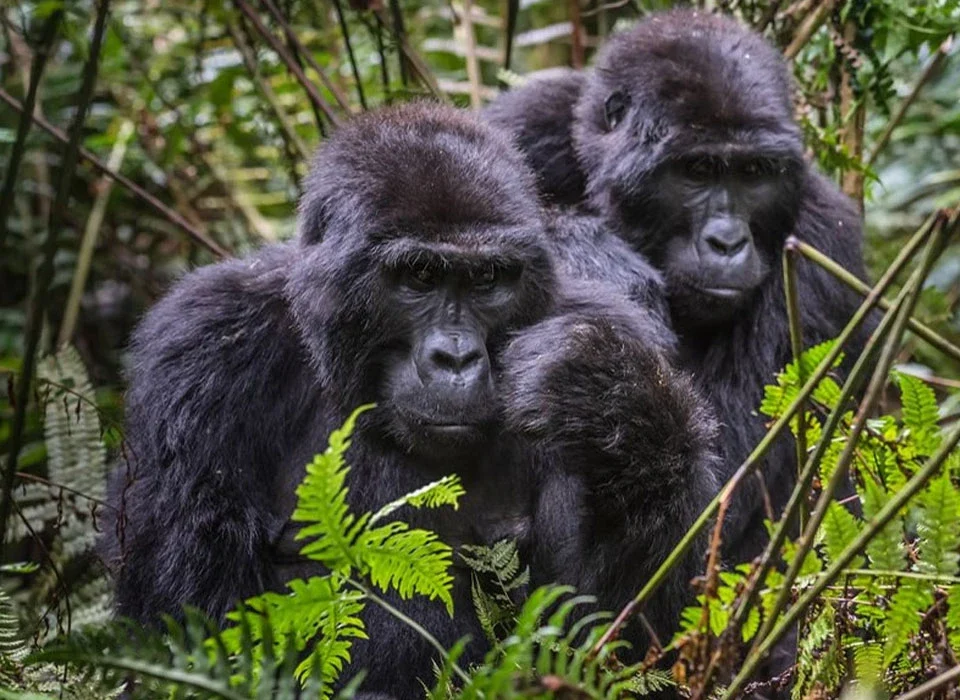
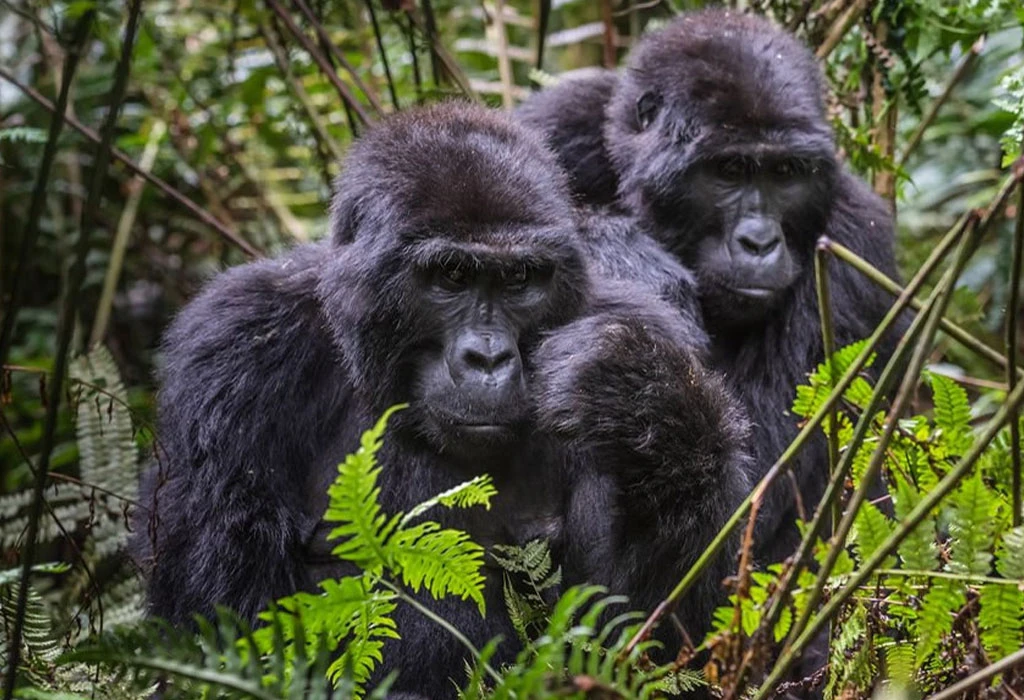
Gorilla trekking is one of the most extraordinary wildlife experiences in Africa. Imagine standing only a few meters from a powerful yet gentle silverback gorilla as it forages or plays with its young. This is an incredible privilege, but it also comes with responsibility. Protecting the health of these endangered primates is essential, and one of the most effective measures is wearing masks during gorilla encounters.
Why Masks Are Necessary
Gorillas share about 98% of their DNA with humans. This close genetic link makes them highly vulnerable to many of the same illnesses we suffer from. A simple cold, flu, or cough that causes minor discomfort in humans can be devastating to gorillas.
In the past, gorilla groups have suffered from human-borne infections. The COVID-19 pandemic highlighted this risk even more. Before the pandemic, trekkers were required to keep a 7-meter distance from gorillas. Today, the minimum distance has been increased to 10 meters, and mask-wearing is compulsory. These combined rules reduce the spread of airborne diseases.
Diseases Transmissible to Gorillas
Several human diseases can easily spread to gorillas:
- Common Cold and Flu: Can cause pneumonia and severe breathing difficulties.
- Tuberculosis (TB): A chronic bacterial infection with potentially fatal effects.
- Measles: Extremely contagious and dangerous to gorilla populations.
- Human Metapneumovirus (hMPV): Causes respiratory infections in gorillas.
- COVID-19: Highlighted the serious risks of human-to-animal transmission.
Symptoms in gorillas may include coughing, nasal discharge, fatigue, and in severe cases, bronchopneumonia. While wildlife veterinarians like the Gorilla Doctors monitor and treat sick gorillas, prevention is always better than cure.
Choosing the Right Mask
The mask you wear is as important as the act of wearing one. Not all masks provide equal protection. When trekking, consider three key factors:
- Comfort: The hike can be long and tiring. A comfortable mask with adjustable straps helps you focus on the experience.
- Breathability: Trekking involves steep climbs and dense forests. A breathable mask prevents overheating and ensures proper airflow.
- Medical Safety: Use surgical masks or N95/KN95 respirators. These provide better filtration than simple cloth masks.
Carry at least two masks. In many cases, trekkers are required to put on a fresh mask right before meeting the gorillas.
Health Rules for Gorilla Trekking
Mask-wearing is only one part of a wider set of health and safety regulations. These rules protect both visitors and gorillas:
- Do not trek if you feel sick. Symptoms like coughing, sneezing, or fever disqualify you from trekking.
- Hand hygiene is mandatory. Sanitizing before and after trekking helps stop germs.
- Keep a 10-meter distance from the gorillas at all times.
- No eating, drinking, or smoking near the gorillas.
- Cough or sneeze away from the gorillas, covering your mouth and nose.
- Do not litter in the forest. Carry out all waste.
- Use toilets responsibly. Guides will dig a small hole if needed, which must be covered after use.
- Respect group limits. Only a few people can visit each gorilla group daily.
- Always follow ranger instructions. They know gorilla behavior and safety protocols best.
These measures may seem strict, but they are vital for gorilla survival.
Benefits of Responsible Tourism
Strict health rules are not just about safety—they also support conservation. Revenue from gorilla trekking permits funds:
- Protection against poaching.
- Veterinary care for sick gorillas.
- Community projects that improve local livelihoods.
Responsible tourism ensures gorillas thrive while surrounding communities benefit.
Preparing for Your Trek
Beyond masks, good preparation will enhance your trekking experience:
- Stay fit: Hikes can be tough, so practice walking or light exercise before your trip.
- Pack wisely: Bring masks, hiking boots, long clothing, rain gear, insect repellent, and reusable water bottles.
- Book early: Gorilla trekking permits are limited and sell out months in advance.
- Respect wildlife: Gorillas are the highlight, but the forests host many other species. Observe quietly and responsibly.
- Be culturally sensitive: Many treks take place in areas where local communities live. Respect their traditions and way of life.
A Small Act, A Big Impact
So, do you have to wear masks around gorillas? The answer is clear: yes. This small act plays a powerful role in safeguarding these incredible animals. By wearing a mask, keeping your distance, and following health rules, you help protect gorillas for future generations.