
Cultural Tours in Queen Elizabeth National Park
December 4, 2025
Best Time to Visit Tarangire National Park in Tanzania
December 4, 2025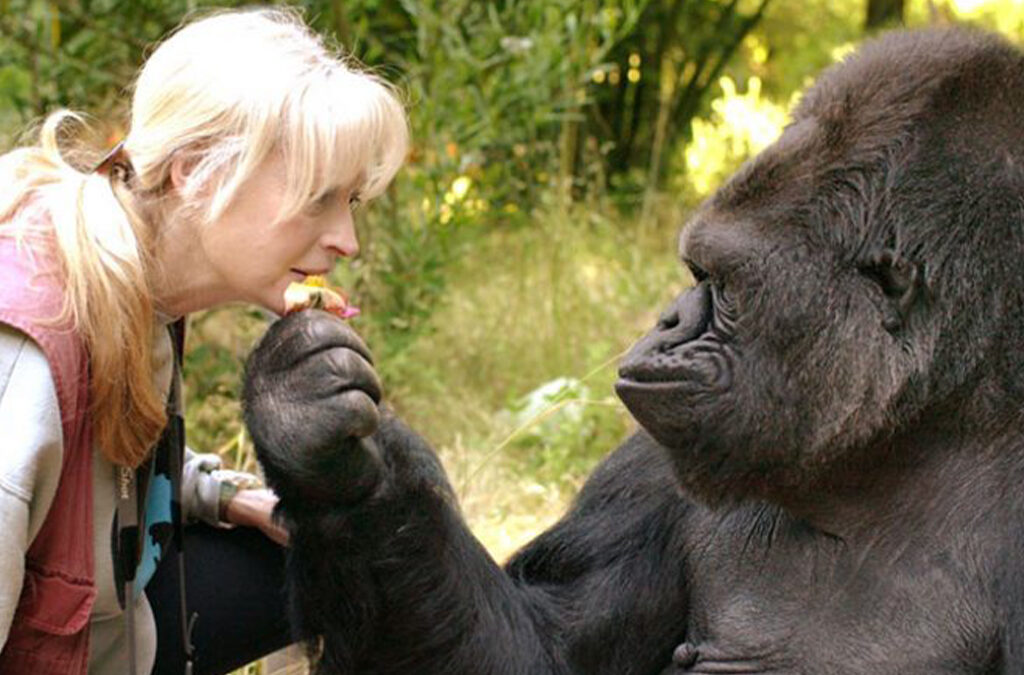
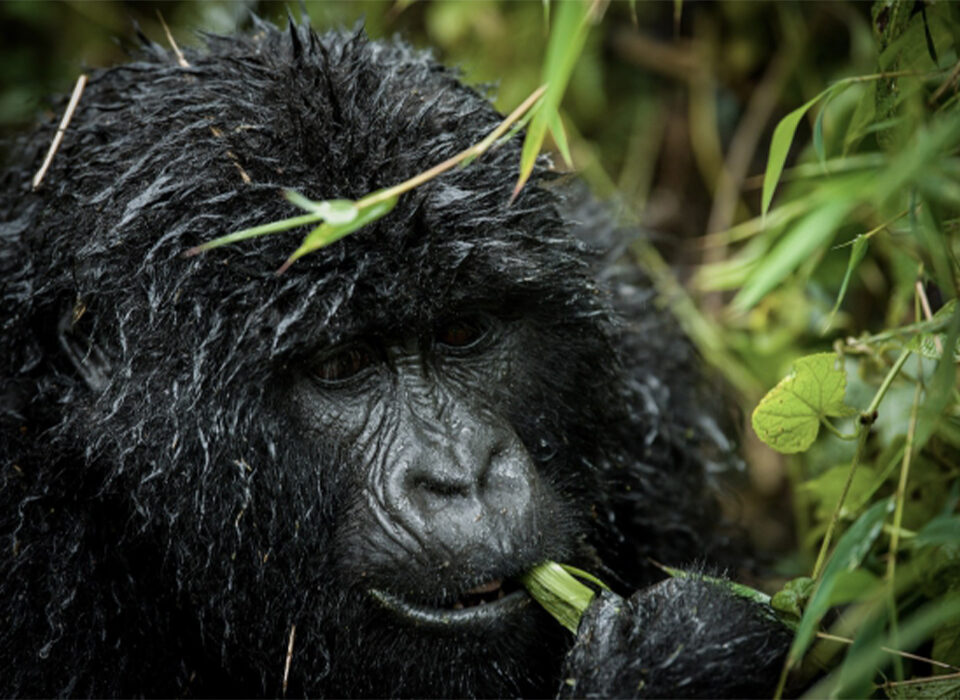
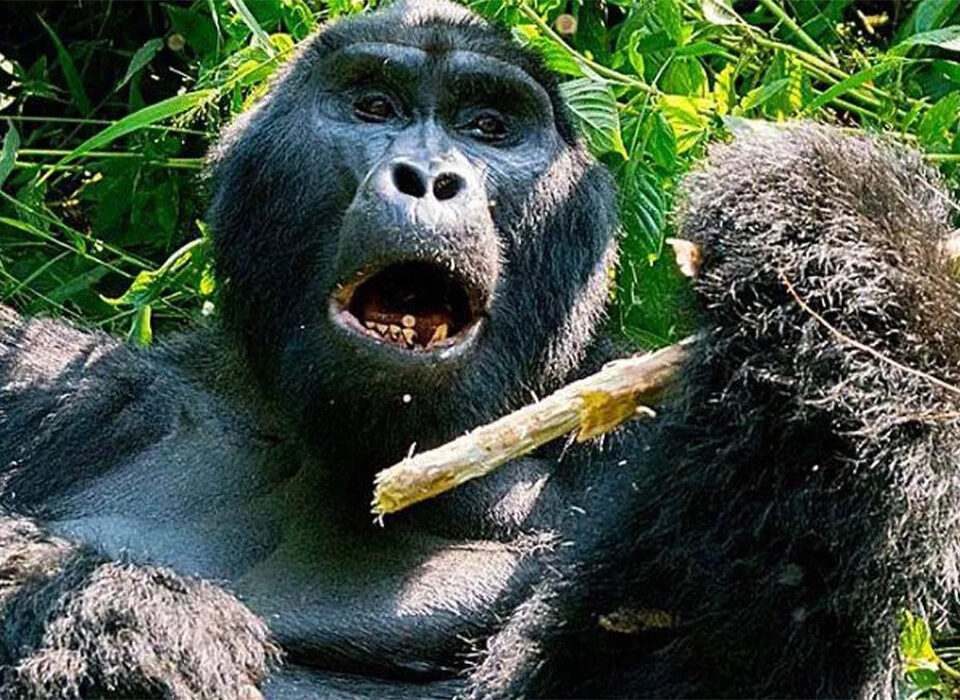
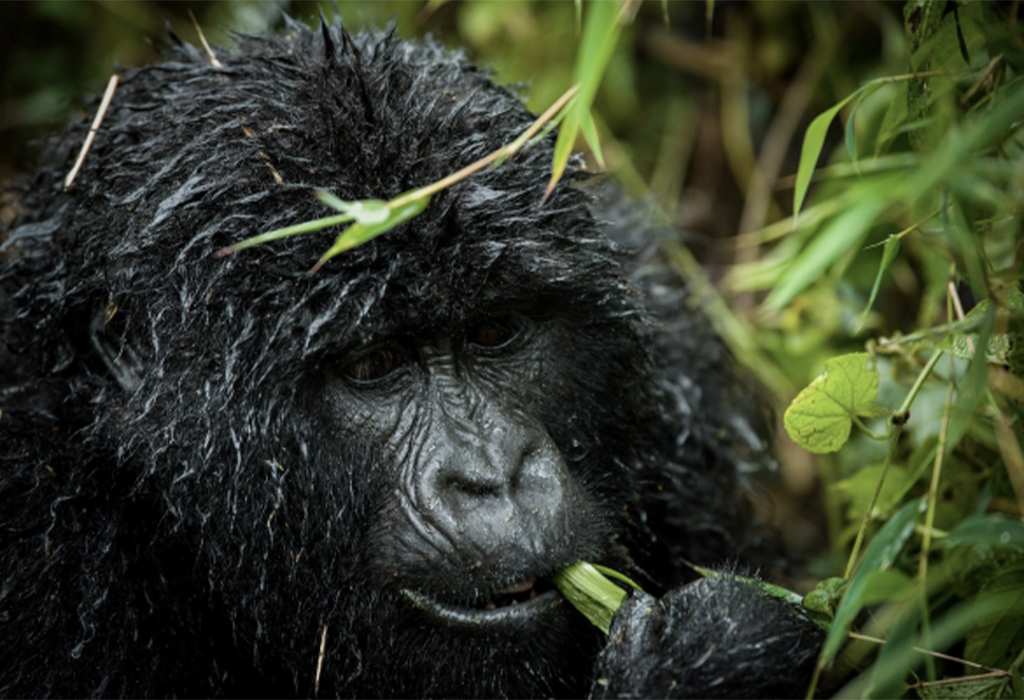
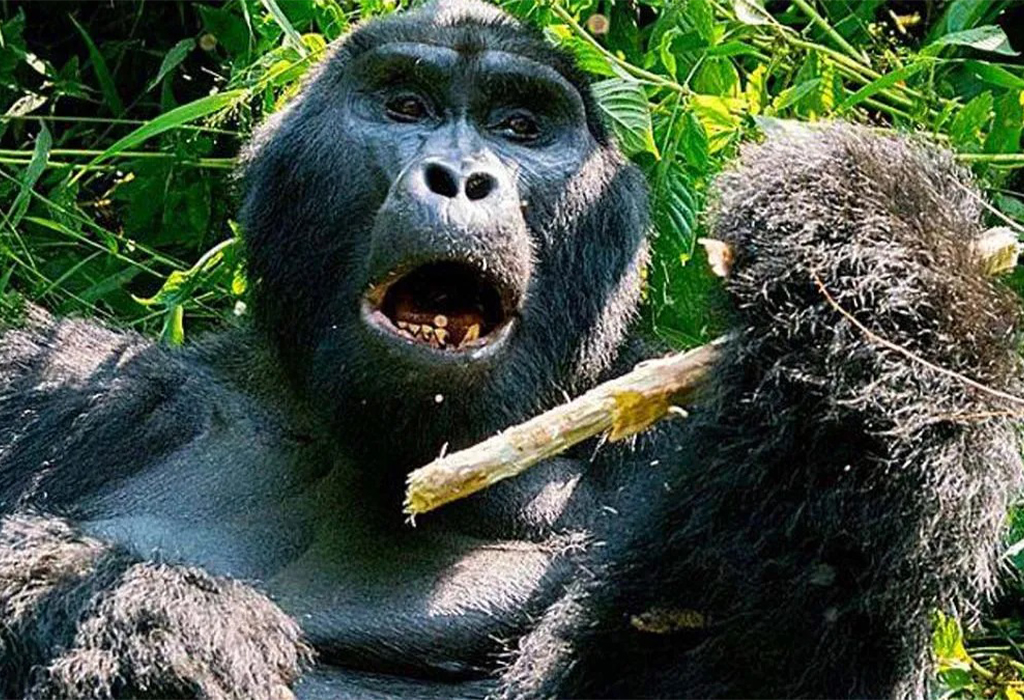
The question of whether gorillas recognize humans captures the curiosity of many travelers venturing into Africa’s misty mountains. Sharing more than 98% of our DNA, mountain gorillas are among our closest living relatives. Their intelligence, emotional depth, and social awareness reveal a fascinating connection between people and the wild.
When trekkers encounter gorillas during a guided safari, they often notice the animals looking directly into their eyes. The moment feels personal, almost human. But is it? Can gorillas truly recognize individual humans?
Gorilla Intelligence and Emotional Awareness
Mountain gorillas are highly intelligent and socially complex beings. They communicate through gestures, facial expressions, and vocal tones, and each gorilla displays a unique personality some are shy, others bold and curious.
Research shows that gorillas possess strong memory and awareness of those around them. They can remember familiar faces, both of other gorillas and of humans they encounter frequently. Park rangers and trackers who spend years monitoring specific gorilla families often observe that the animals appear calm and welcoming during repeated visits. This behavior suggests both recognition and emotional connection.
How Gorillas Recognize Humans
Gorillas rely on visual memory, scent, and behavioral cues to identify individuals. Their ability to recognize humans develops through repeated contact, especially in habituated groups. Habituation is a gradual process in which gorillas become accustomed to human presence, allowing safe encounters for visitors.
During habituation, trackers and researchers follow the same gorilla group daily for months. Over time, the gorillas learn that these humans pose no threat. They begin to differentiate between familiar and unfamiliar individuals. When strangers arrive, gorillas often remain cautious, observing from a distance. Yet when familiar trackers approach, the group behaves more relaxed, clearly showing recognition.
The Role of Memory in Gorilla Behavior
Gorillas possess remarkable memory. They remember specific people, sounds, and even routes through the forest. Studies in primate cognition show that great apes can recall events and experiences over long periods. For mountain gorillas, this memory plays a vital role in survival –they remember safe feeding zones, family members, and potential dangers.
When interacting with humans, this memory helps them distinguish between friendly visitors and potential threats. A gorilla that has had positive encounters with humans often shows calm behavior when seeing the same individuals again, demonstrating a lasting mental connection.
Emotional Connection Between Humans and Gorillas
Anyone who has stood just a few meters from a gorilla family knows the profound connection that arises in that moment. Gorillas express curiosity, empathy, and even protectiveness. Silverbacks watch over their families with gentle authority, ensuring visitors respect their space.
When gorillas make eye contact, they communicate emotions beyond words. Many travelers report feeling recognized not just seen. While scientists may debate the depth of this recognition, countless field experiences confirm that gorillas perceive human presence thoughtfully and emotionally.
Why Understanding Recognition Matters for Conservation
Understanding how gorillas recognize humans goes beyond scientific curiosity it informs conservation practices. Habituation enables controlled tourism, which generates funds for park protection and local communities. The trust built between gorillas and humans is crucial for research, veterinary care, and monitoring against poaching.
When humans respect these gentle giants, gorillas respond with calm and acceptance. This relationship reinforces responsible tourism and supports long-term conservation success.
Experiencing Gorilla Recognition in Person
Travelers can witness this extraordinary human-gorilla connection in Rwanda’s Volcanoes National Park, Uganda’s Bwindi Impenetrable National Park, and Congo’s Virunga National Park. Guided gorilla treks bring visitors close to habituated families.
Standing before a silverback, hearing the low grumble of communication, or watching a mother cradle her infant highlights how deeply emotional and aware these creatures are. Every shared gaze reminds us that the line separating humans and wildlife is thinner than we imagine.
Plan Your Gorilla Trek
A gorilla trek is more than an adventure it is a meeting between two intelligent worlds. Witnessing how gorillas recognize and respond to humans leaves travelers forever changed, offering a profound sense of connection, respect, and wonder for the natural world.