Sustainable Lodges Near Gorilla Parks
December 4, 2025
Is It Okay to Bring Children on Safari?
December 4, 2025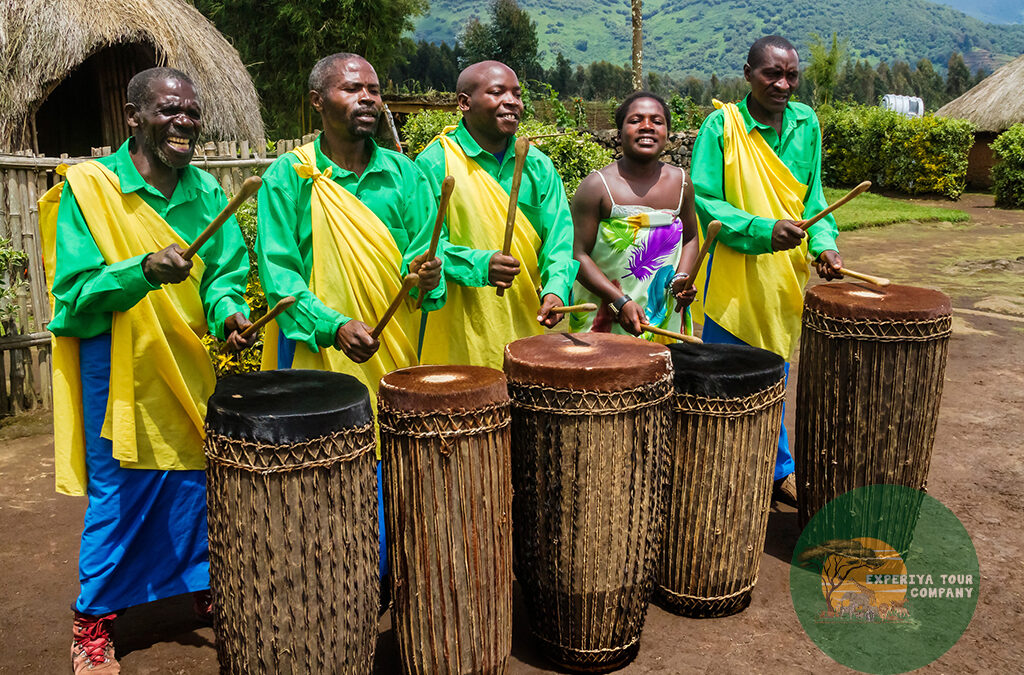
Discover Rwanda Through Its Rich Cultural Heritage
Are you planning a cultural tour in Rwanda? If so, there is much more to explore beyond its famous wildlife. Known as the “Land of a Thousand Hills,” Rwanda is one of Africa’s most captivating destinations. While gorilla trekking remains the country’s top attraction, Rwanda offers an array of experiences, from mountain hiking and game drives to biking, nature walks, and immersive cultural tours. Its vibrant culture has been passed down through generations via ceremonies, language, storytelling, traditional attire, and a monarchy that has long been abolished.
Understanding Rwanda’s Cultural Heritage
Before the 1994 genocide, distinctions between the Hutu, Tutsi, and Twa populations were often highlighted. Historically, the Tutsi were said to be pastoralists, while the Hutu were cultivators. However, many of these differences were reinforced by colonial rule rather than deeply rooted in Rwandan culture.
In truth, the Hutu and Tutsi share a common heritage, reflected in their traditions, lifestyles, and cultural similarities with neighboring communities. Over the years, modernization, Western influences, intermarriages, and migration have transformed Rwanda’s way of life. During periods of unrest in the 1960s and 1990s, many Rwandans fled to neighboring countries, adopting a blend of cultural influences before returning home.
To preserve Rwanda’s cultural heritage, both the government and local communities have invested in cultural sites that safeguard traditions, values, and history. Experiya Tour Company ensures travelers experience these vibrant traditions firsthand, offering immersive tours that connect visitors to Rwanda’s soul.
Cultural Experiences in Rwanda
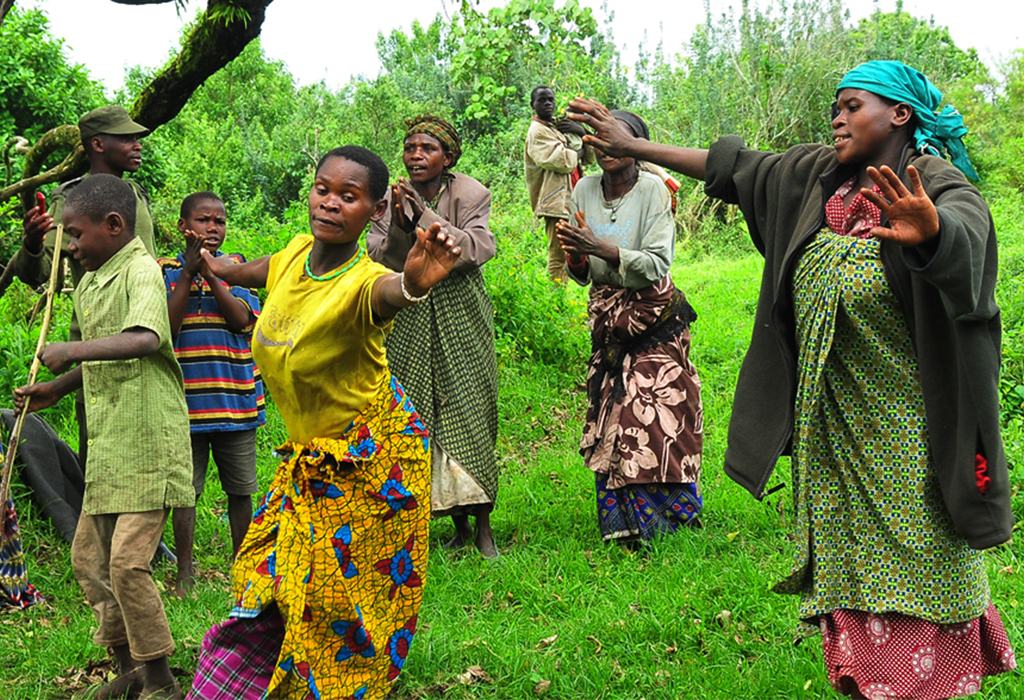
Rwanda’s cultural attractions provide a chance to witness the country’s resilience and creativity. Visitors can explore genocide memorials, cultural villages, artisan centers, and historical sites. These experiences allow travelers to engage with local communities, witness traditional dances, listen to folk songs, and hear stories of Rwanda’s former kingdoms.
Some notable Rwandan cultural traditions include:
- Storytelling & Proverbs: Elders gather children around the fireplace to share riddles, folk tales, and wisdom.
- Naming Ceremonies: After childbirth, mothers traditionally stay indoors for seven days before their child receives a name in a communal ceremony.
In the following sections, we will explore major cultural sites and activities in Rwanda, many of which incorporate both historical and contemporary cultural elements. Experiya Tour Company can guide you through these unforgettable experiences.
Key Cultural Sites in Rwanda
Kigali Genocide Memorial
The Kigali Genocide Memorial is one of Rwanda’s most visited museums. Built in memory of approximately 250,000 victims of the 1994 genocide, the museum is divided into three sections: children, adults, and a global genocide overview. Visiting this memorial provides profound insight into the events leading up to and following the genocide. The government ensures the memorial remains a lasting reminder, fostering reflection and education for future generations.
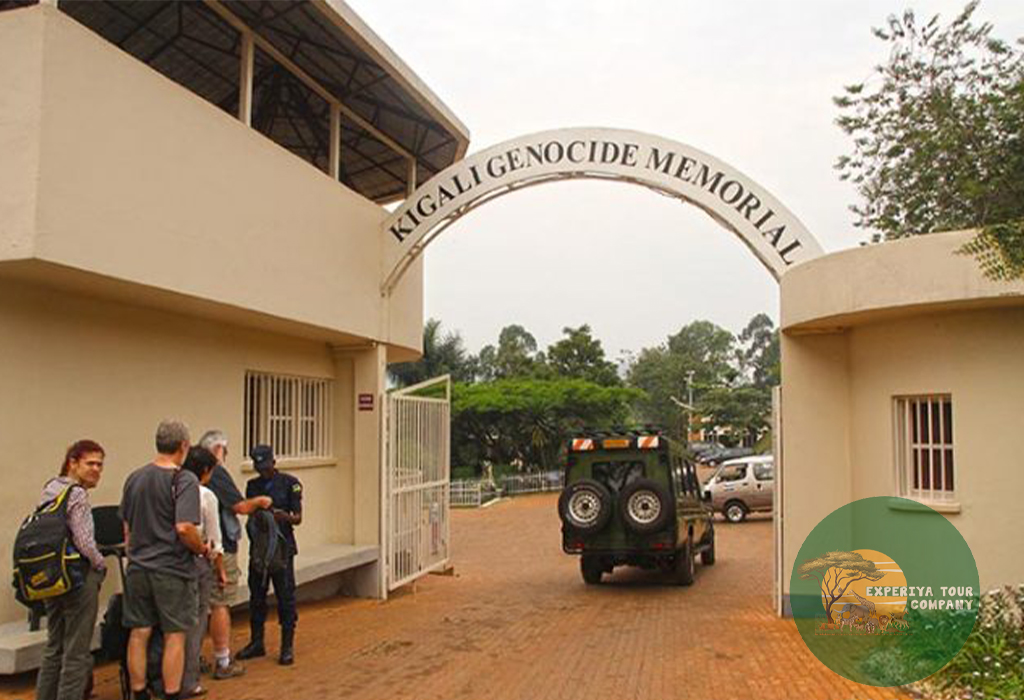
Kigali Genocide Memorial
National History Museum (Kandt House Museum)
Formerly the Kandt House Museum, the National History Museum is a cornerstone of Rwanda’s cultural and historical preservation. Named after Dr. Richard Kandt, Rwanda’s first German governor, it was the country’s first modern building. The museum features three sections: pre-colonial Rwanda, colonial life, and post-independence history. Visitors can explore rare photographs, World War I memorabilia, and exhibits on Rwanda’s wildlife, vegetation, and geology.
Kigali Fashion Week
Kigali, Rwanda’s dynamic capital, blends modernity with traditional style. The city hosts two major fashion events each year: Kigali Fashion Week in July and Rwanda Cultural Fashion Week in September. These festivals showcase top local and international designers, offering visitors a fascinating fusion of Rwandan and global fashion trends.
Nyanza Genocide Memorial
Located in the historic town of Nyanza, this memorial commemorates around 10,000 victims buried in a mass grave. Nyanza was a major site of killings during the genocide, including the murder of Queen Rosalie Gicanda, Rwanda’s last queen. Annual remembrance events are held here, honoring those who lost their lives.
Banda Cultural Village
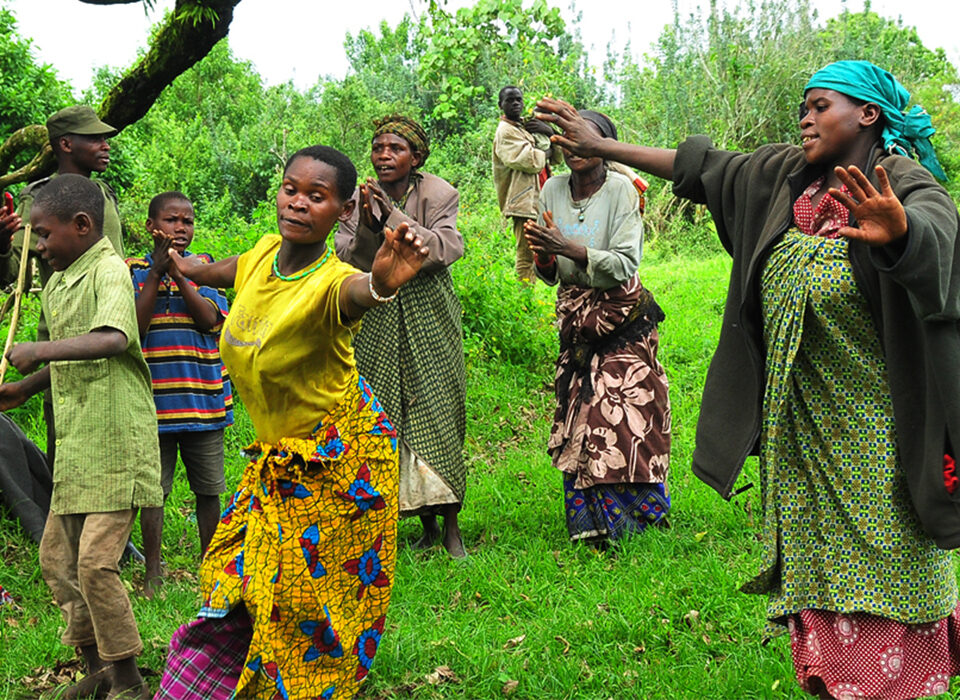
Situated within Nyungwe National Park, Banda Cultural Village offers an immersive cultural experience. Visitors are welcomed by Intore dancers and guided through traditional practices such as basket weaving and medicine-making. Guests can participate in maize grinding, cook traditional meals, and occasionally witness a local wedding ceremony.
Kitabi Cultural Center
At the entrance of Nyungwe Forest National Park, Kitabi Cultural Center was once chosen as a royal palace site by Rwanda’s last king. Visitors explore traditional huts, a reconstructed royal palace, and watch artisans craft handmade souvenirs, from baskets to beads, while learning about local traditions.
Gorilla Guardians Village (Iby’iwacu Cultural Village)
Located near Volcanoes National Park, Gorilla Guardians Village is Rwanda’s most visited cultural site. Founded by a former park warden, the village provides employment for ex-poachers while preserving cultural heritage. Guests can enjoy traditional hunting demonstrations by Batwa pygmies, Intore dance performances, and Rwandan cooking lessons. Dressing like Rwandan royalty and learning about conservation efforts makes this visit especially memorable.
Cultural Festivals in Rwanda
Rwanda hosts several annual cultural events that celebrate community, conservation, and remembrance:
- Umuganda: The last Saturday of each month, when citizens participate in communal cleaning.
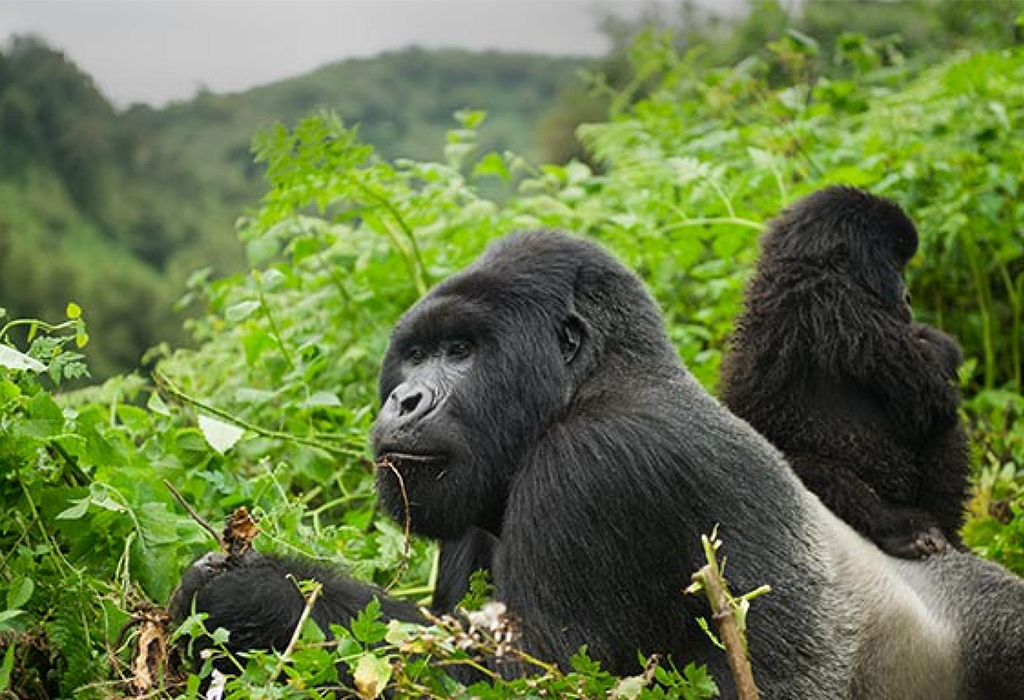
- Kwita Izina: In October at Volcanoes National Park, a naming ceremony for newborn mountain gorillas attended by conservationists, politicians, and celebrities.
- Ukwibuka: Every April, a global remembrance day honoring the victims of the 1994 genocide.
Historic Sites and Museums
The King’s Palace in Nyanza
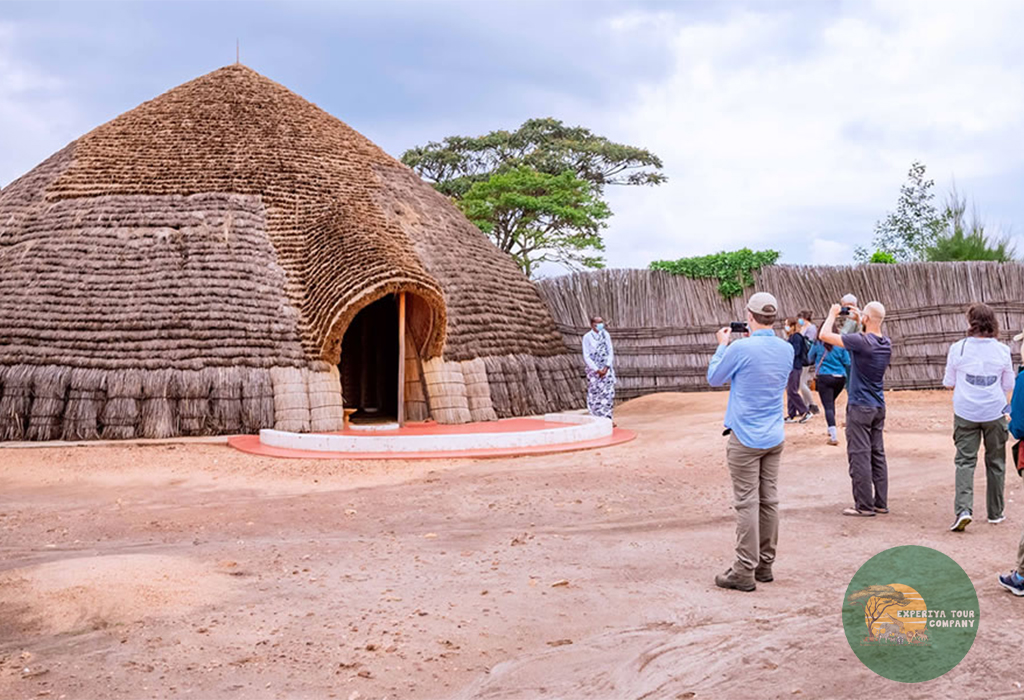
This palace, 88 kilometers from Kigali, once housed Rwanda’s pre-colonial kings. Reconstructed by the government, it features Inyambo cattle, the royal milk house, brewers’ huts, and the burial site of Rwanda’s last king.
Presidential Palace Museum
Just two kilometers from Kigali, this museum was once the residence of President Juvenal Habyarimana. Visitors can see the wreckage of his plane, secret rooms, and a presidential nightclub, gaining insight into Rwanda’s modern political history.
Urutare Rwa Ngarama
This large rock in Gatsibo District is linked to King Ruganzu Ndoli, believed to have mystical powers. Local legends claim the rock vibrates when struck.
Ntarama, Nyamata, and Murambi Genocide Memorials
These memorials preserve the memory of the thousands who lost their lives during the genocide. Churches, technical schools, and mass graves display haunting reminders of the tragedy, ensuring visitors understand the nation’s resilience and commitment to peace.
Inema Art Center
Founded by two brothers in Kigali, Inema Art Center showcases Rwanda’s artistic talent through exhibitions, performances, and workshops, celebrating the country’s creativity and cultural expression.
Bugesera Reconciliation Village
This village promotes unity among survivors and perpetrators of the genocide, demonstrating reconciliation and forgiveness through dialogue and shared experiences.
Ethnographic Museum in Huye
Huye’s museum houses one of Africa’s finest ethnographic collections. Seven galleries display traditional tools, farming equipment, hunting gear, and musical instruments, offering an in-depth look at Rwanda’s cultural heritage.
Utubindi twa Rubona
This archaeological site in Tubindi Village features seven clay pots used by King Ruganzu II to collect water for his warriors, highlighting Rwanda’s historical ingenuity.
National Liberation Park Museum
Also called “Umurindi w’Intwari,” this museum chronicles the Rwanda Patriotic Front’s (RPF) struggle to end the genocide, displaying artifacts, documents, and the bunker used by Paul Kagame.
Campaign Against Genocide Museum
Located in Kigali, this museum details the RPF’s efforts to halt the genocide, showcasing war artifacts and firsthand accounts.
Environmental Museum
Africa’s first environmental museum, located on Lake Kivu, educates visitors about renewable and non-renewable energy, native plants, and their medicinal and culinary uses.
Ryamurari Archaeological Site
Once the capital of the Ndorwa Kingdom in Nyagatare District, this site reveals evidence of agriculture, cow bones, and ancient grinding stones, offering a window into Rwanda’s early history.
Rwanda is a country where history, resilience, and culture intertwine to create experiences that are both moving and inspiring. Experiya Tour Company ensures that every cultural tour is immersive, meaningful, and unforgettable. From learning ancient traditions to honoring the past, a journey through Rwanda’s cultural landscape will leave a lasting impression.