Buhoma Bwindi Batwa Experience
May 13, 2026
The Best Way to Combine Rwanda and Uganda Gorilla Trekking
May 14, 2026
Uganda and Rwanda rank among the best gorilla trekking destinations in the world. Both countries protect endangered mountain gorillas and offer unforgettable wildlife encounters in lush tropical forests. However, while the experience shares many similarities, several important differences can influence which destination suits your travel style, budget, and expectations.
Choosing between Uganda and Rwanda ultimately comes down to personal preference. Some travelers prefer Rwanda because of its accessibility and luxury lodges, while others choose Uganda for its affordability, diverse safari experiences, and unique gorilla habituation encounters.
This guide explores the key differences between gorilla trekking in Uganda and Rwanda to help you make an informed decision before planning your safari with Experiya Tour Company.
Gorilla Trekking Experience in Uganda and Rwanda
Gorilla trekking in both countries begins early in the morning with a briefing from park rangers. During the briefing, guides explain gorilla trekking rules, safety measures, and conservation practices before assigning visitors to specific gorilla families.
After the briefing, groups head into the forest accompanied by experienced ranger guides and trackers. The trek can last anywhere from one to several hours, depending on the location of the gorilla family on that particular day.
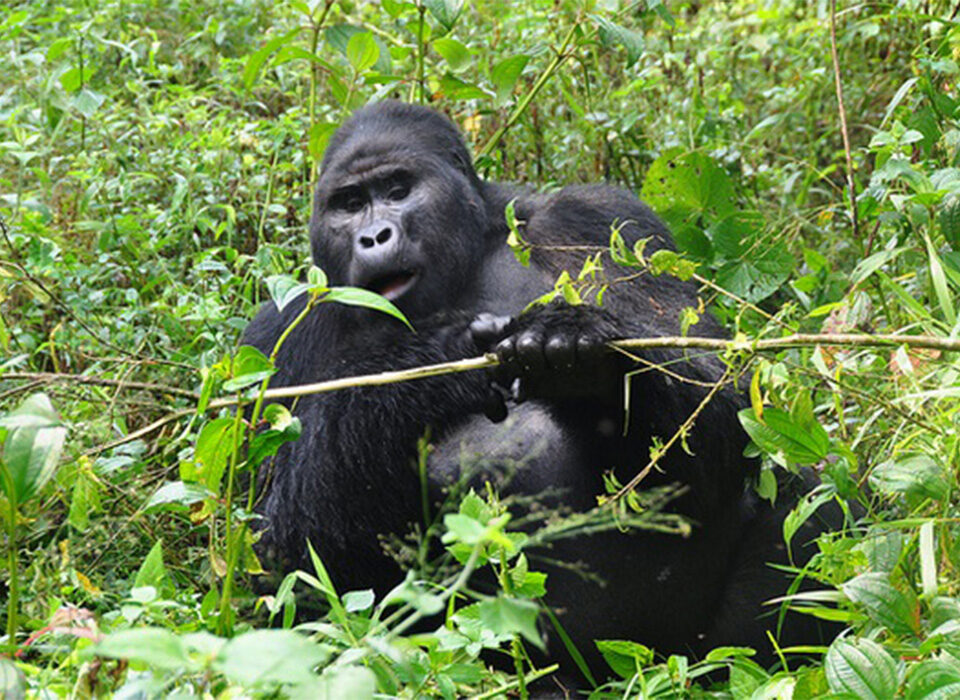
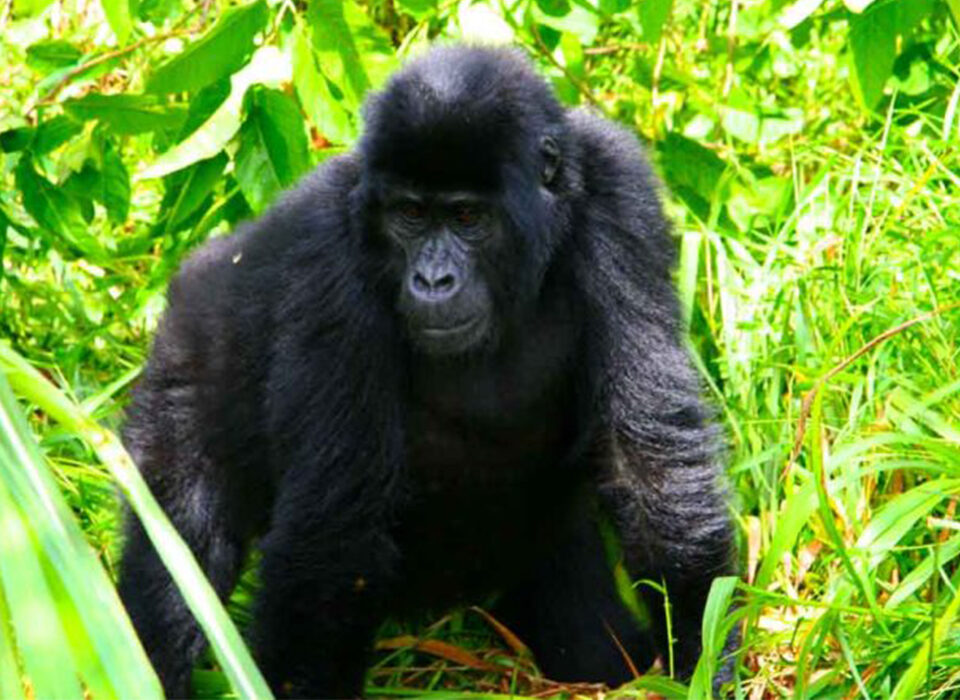
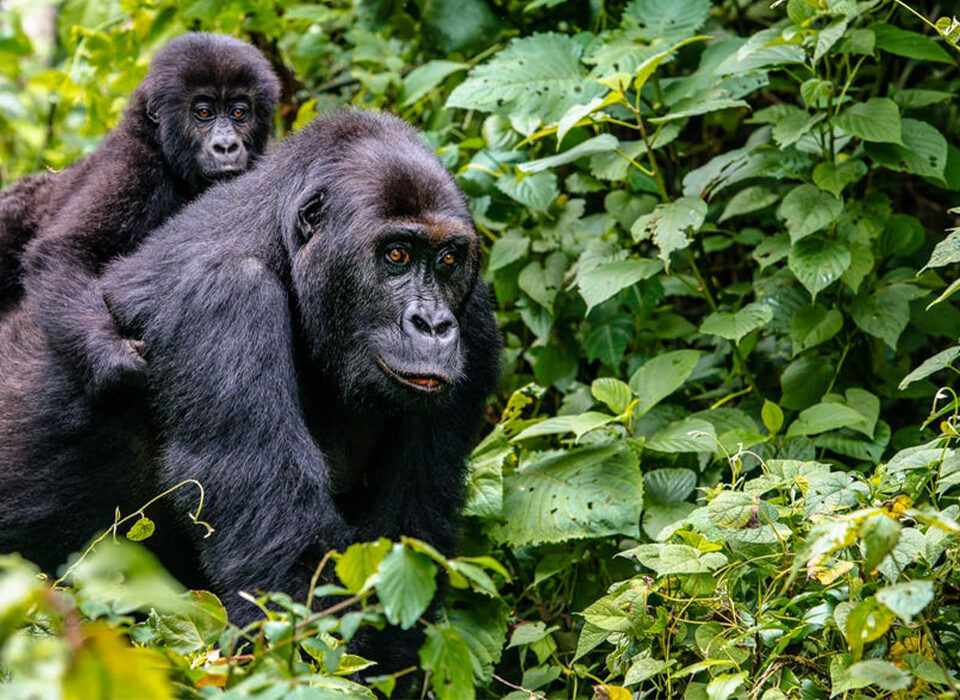
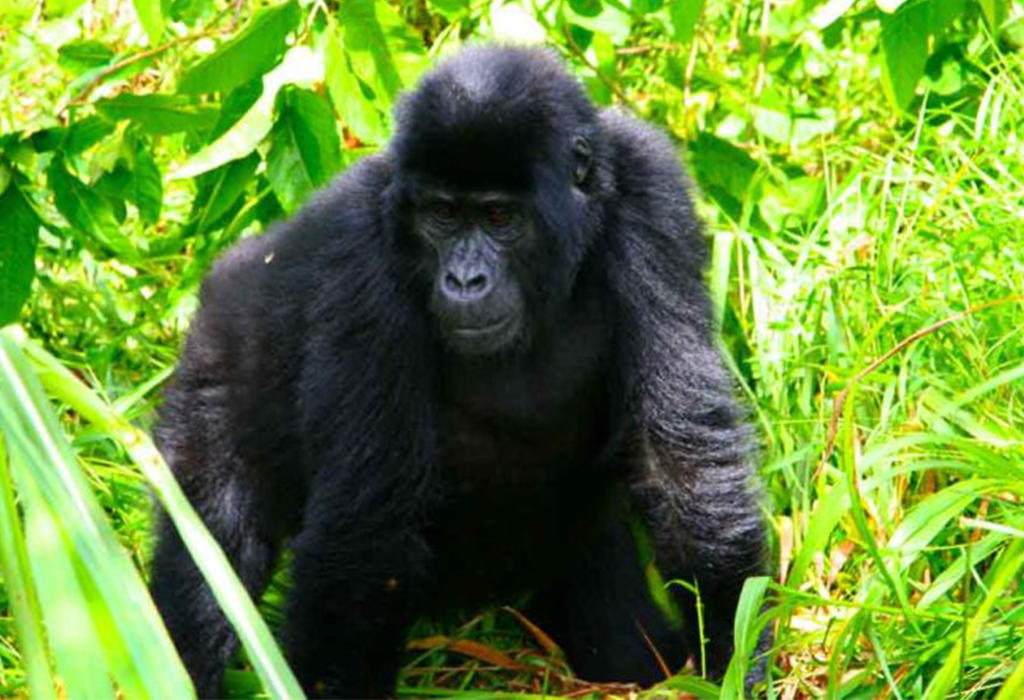
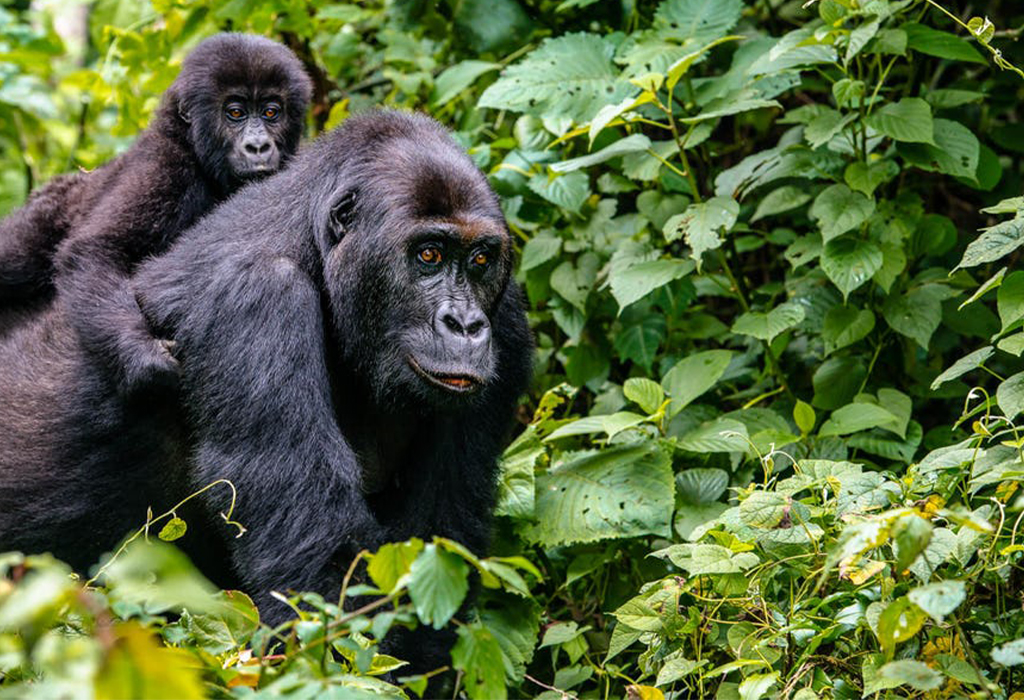
Once trekkers locate the gorillas, they spend one hour observing them in their natural habitat. Watching gorillas interact, feed, groom, and care for their young creates one of Africa’s most emotional wildlife experiences.
Although the standard trekking experience is similar in both countries, Uganda offers an additional experience called gorilla habituation. This activity is only available in Bwindi Impenetrable National Park and allows visitors to spend up to four hours with a semi-habituated gorilla family alongside researchers and conservationists.
Unlike regular trekking, gorilla habituation provides deeper insight into gorilla behavior, communication, feeding habits, and family dynamics. Because only four visitors participate each day, permits sell out quickly and require advance booking through Experiya Tour Company.
Gorilla Trekking in Uganda
Uganda is home to nearly half of the world’s remaining mountain gorillas. The country protects these primates in two national parks located in the southwestern region near the Virunga Mountains.
Bwindi Impenetrable National Park
Bwindi Impenetrable National Park is Uganda’s most famous gorilla trekking destination and a UNESCO World Heritage Site. Dense rainforest, steep hills, mist-covered valleys, and rich biodiversity make Bwindi one of Africa’s most remarkable ecosystems.
The forest contains more than 20 habituated gorilla families spread across four trekking sectors: Buhoma, Ruhija, Rushaga, and Nkuringo. Each sector offers a unique trekking experience, scenery, and accommodation style.
Bwindi’s terrain can be challenging because of thick vegetation and mountainous landscapes. However, many travelers appreciate the adventure and authenticity of trekking through an untouched rainforest.
In addition to gorillas, Bwindi supports hundreds of bird species, butterflies, monkeys, and forest mammals, making it ideal for nature lovers and photographers.
Mgahinga Gorilla National Park
Mgahinga Gorilla National Park offers a quieter and less crowded gorilla trekking experience. Although smaller than Bwindi, the park features breathtaking volcanic scenery and bamboo forests along the slopes of the Virunga Mountains.
Mgahinga currently hosts the Nyakagezi gorilla family, known for its stability and frequent sightings. Because visitor numbers remain lower, trekkers often enjoy a more intimate experience.
The park also offers golden monkey trekking, volcano hiking, and cultural encounters with the Batwa community.
Gorilla Trekking in Rwanda
Rwanda protects its mountain gorillas in Volcanoes National Park, located in the country’s northwestern region. The park forms part of the larger Virunga Conservation Area shared with Uganda and the Democratic Republic of Congo.
Volcanoes National Park contains over 600 mountain gorillas and several habituated families available for trekking. Rwanda has invested heavily in conservation and luxury tourism, positioning itself as a premium gorilla trekking destination.
The park’s bamboo forests and volcanic slopes create stunning scenery, and many trekking routes are relatively easier compared to Bwindi’s steep terrain. As a result, Rwanda often appeals to luxury travelers and visitors with limited time.
Another highlight is Kwita Izina, Rwanda’s annual gorilla naming ceremony. This internationally recognized conservation event celebrates newborn gorillas and raises awareness about wildlife protection efforts.
Gorilla Permit Costs in Uganda and Rwanda
One of the biggest differences between the two destinations is the cost of gorilla permits.
Uganda offers more affordable permits, making it a popular choice for budget and mid-range travelers. Currently, a standard Uganda gorilla permit costs USD 800 for foreign non-residents, while gorilla habituation permits cost USD 1,500.
In contrast, Rwanda charges USD 1,500 per person for a standard gorilla trekking permit. Rwanda’s pricing reflects its luxury tourism strategy and high-end safari infrastructure.
Although Rwanda occasionally offers discounts for extended stays or combined park visits, Uganda remains the more budget-friendly option overall.
Accessibility and Travel Distance
Accessibility also plays a major role when comparing Uganda and Rwanda.
Volcanoes National Park in Rwanda sits approximately two to three hours from Kigali International Airport. This short travel distance allows visitors to complete gorilla trekking even within a few days.
Uganda’s gorilla parks lie farther from Entebbe and Kampala. Driving to Bwindi or Mgahinga takes around eight to nine hours by road. However, domestic flights significantly reduce travel time for those seeking convenience.
Interestingly, many travelers choose to fly into Kigali and cross into Uganda by road through the Cyanika or Katuna border posts. This route shortens the journey to Uganda’s gorilla parks to about four or five hours.
Accommodation Options
Both Uganda and Rwanda offer accommodation ranging from budget lodges to ultra-luxury safari camps.
Uganda provides a wider variety of affordable and mid-range options near Bwindi and Mgahinga. Travelers can find comfortable lodges with excellent forest views, personalized service, and authentic cultural experiences.
Rwanda, on the other hand, specializes in luxury accommodation. Many lodges near Volcanoes National Park feature exclusive villas, gourmet dining, spa treatments, and premium safari services.
Experiya Tour Company helps travelers choose accommodation that matches their budget, trekking sector, and preferred safari style.
Additional Safari Experiences
Uganda stands out for its diversity of safari activities beyond gorilla trekking. Visitors can combine gorilla safaris with chimpanzee trekking, wildlife game drives, boat cruises, golden monkey trekking, birdwatching, mountain hiking, and cultural experiences.
Popular safari destinations in Uganda include Queen Elizabeth National Park, Murchison Falls National Park, Kibale Forest, Lake Bunyonyi, and Kidepo Valley National Park.
Rwanda also offers additional attractions such as Nyungwe Forest National Park for chimpanzee trekking and canopy walks, as well as Akagera National Park for classic wildlife safaris.
However, Uganda generally provides more diverse safari combinations at lower overall costs.
Which Destination Should You Choose?
If you prefer luxury travel, shorter driving distances, and easier trekking terrain, Rwanda may suit you better. However, if you value affordability, adventure, diverse safari activities, and longer gorilla encounters, Uganda offers exceptional value.
Both destinations provide safe, professionally guided, and life-changing gorilla trekking experiences. Whether you choose Uganda or Rwanda, encountering mountain gorillas in the wild remains one of Africa’s most unforgettable adventures.
Experiya Tour Company can help you plan the perfect gorilla trekking safari tailored to your budget, travel schedule, and safari expectations.