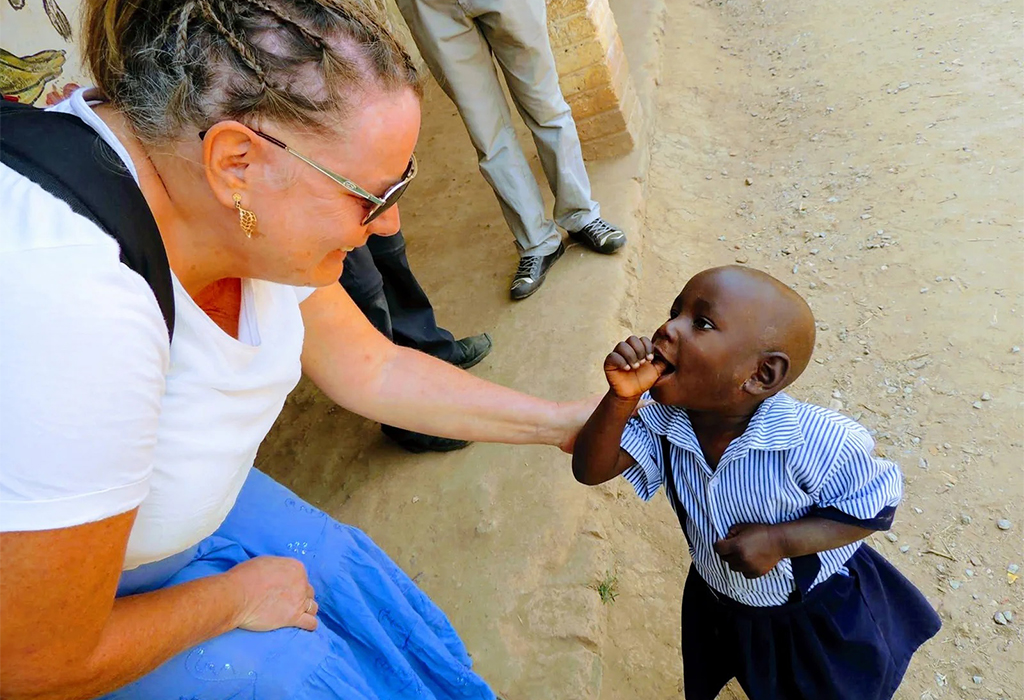

Zip Lining Through the Canopy in Nyungwe Forest
March 9, 2026
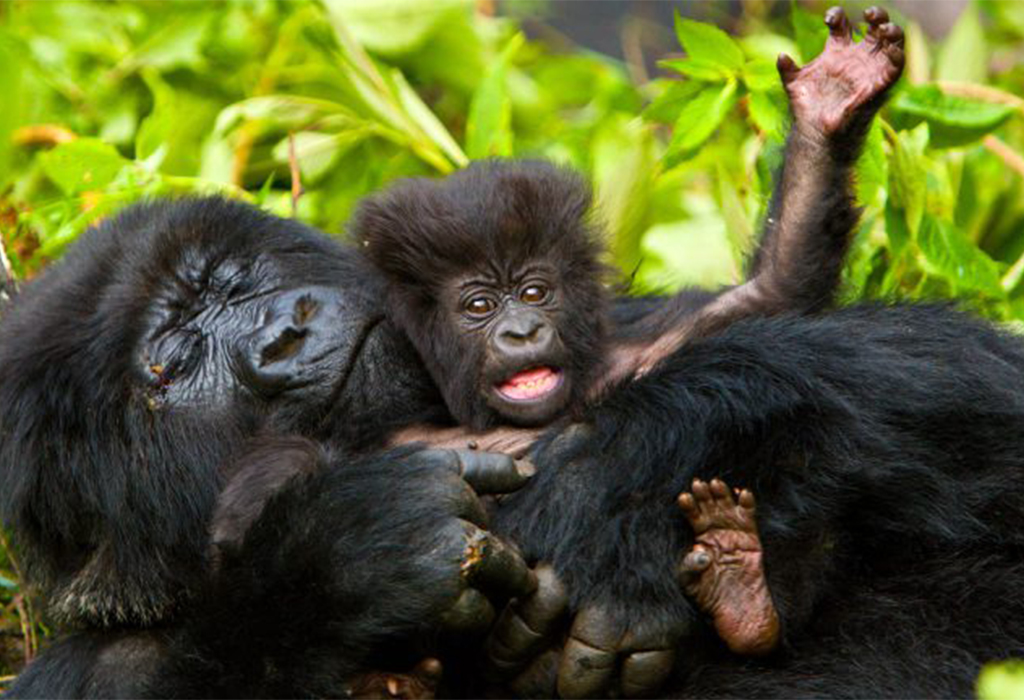
Why Trek Uganda Gorillas via Kigali, Rwanda?
March 9, 2026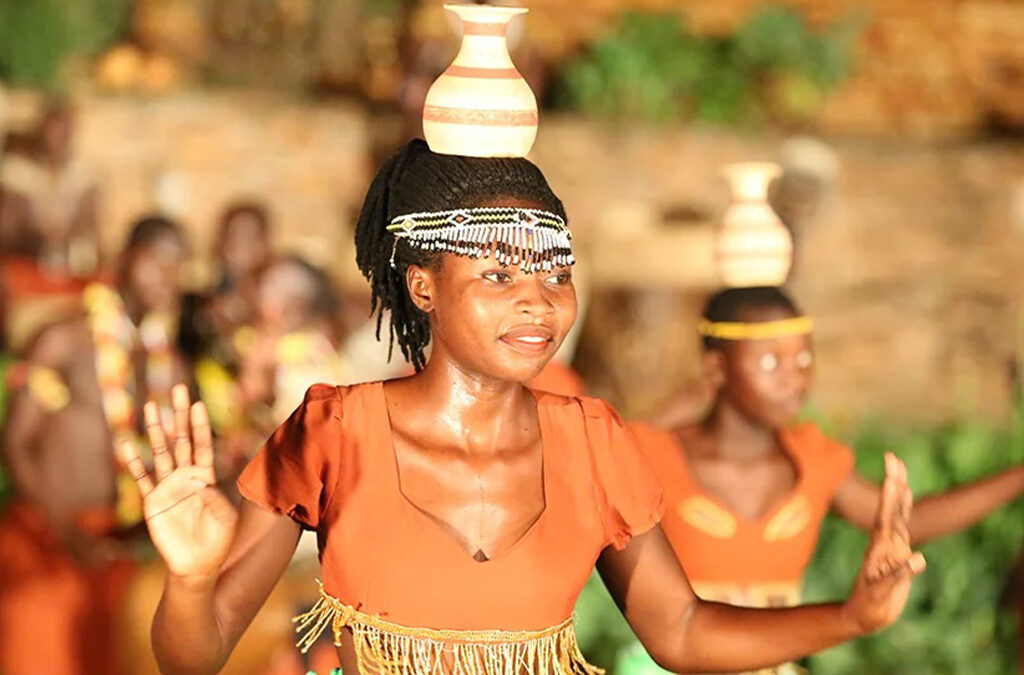
A cultural encounter in Queen Elizabeth National Park is one of the most enriching experiences travelers can add to their Uganda safari. While the park is widely known for its spectacular wildlife, scenic landscapes, and diverse ecosystems, it also offers visitors a rare opportunity to connect with the communities living around it. Through these cultural experiences, travelers gain insight into traditional lifestyles, conservation efforts, and the deep relationship between people and nature.
Many travelers planning their Uganda safari tours with Experiya Tour Company choose to include cultural encounters in their itineraries. These experiences allow visitors to meet local communities, witness traditional performances, explore historical sites, and learn about livelihoods that have existed for generations. Popular activities include visiting the Kikorongo Equator Cultural Performers, exploring the traditional Banyaruguru huts, touring Katwe Salt Lake, and walking through local agricultural villages guided by knowledgeable community guides.
Located in southwestern Uganda, Queen Elizabeth National Park is the country’s second-largest national park. The park is famous for its incredible biodiversity, which includes abundant wildlife, over 600 bird species, crater lakes, swamps, forests, and savannah grasslands. Beyond wildlife viewing, however, the park also provides meaningful opportunities for cultural interaction that add depth and authenticity to any safari experience.
Below are some of the most rewarding cultural encounters visitors can enjoy during their safari with Experiya Tour Company.
Leopard Village Cultural Experience
One of the most inspiring community projects near the park is Leopard Village, located on approximately three acres near Muhokya Village along the northern sector of Queen Elizabeth National Park. This unique cultural site combines community development, wildlife conservation, and ecotourism.
Leopard Village showcases replicas of traditional huts belonging to the Bakonzo, Banyabindi, and Basongora ethnic groups. Each hut reflects the traditional architecture, lifestyle, and cultural heritage of these communities. Visitors exploring the village can step inside the huts and learn how families traditionally lived, cooked, and organized their homes.
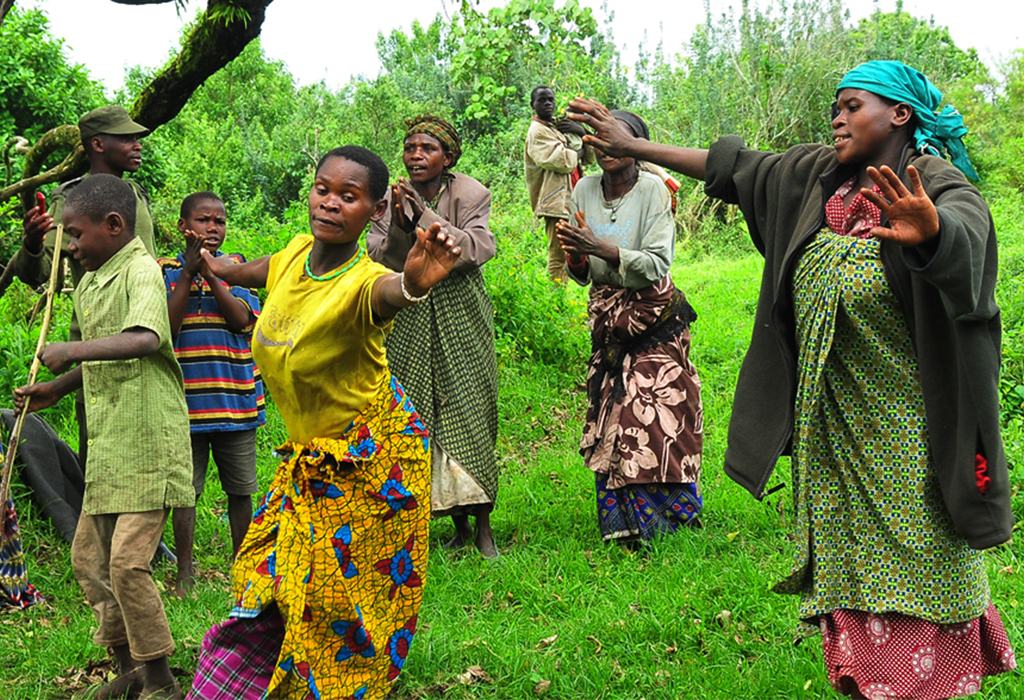
In addition, the village hosts lively traditional dance and music performances that highlight the cultural identity of the local communities. The performances feature rhythmic drumming, storytelling, and energetic dances that welcome visitors into the spirit of the region.
Visitors can also purchase locally made handicrafts, including woven baskets, carvings, and handmade jewelry produced by community members. Buying these crafts directly supports local artisans and helps sustain their livelihoods.
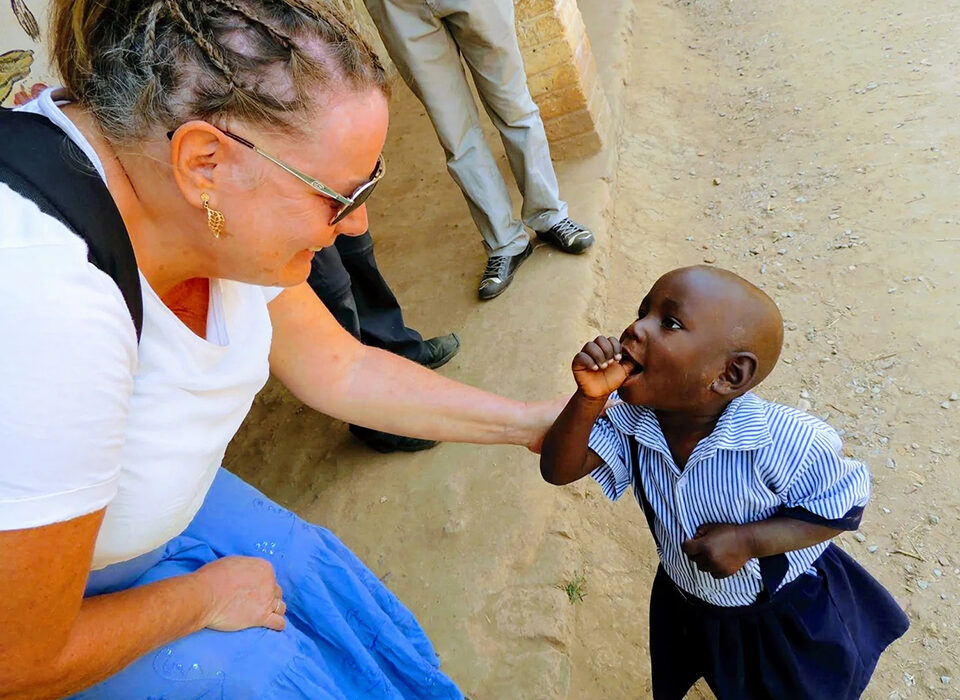
Moreover, Leopard Village offers deeper cultural engagement. Travelers may visit local schools, learn about human–wildlife conflict management, and hear stories about how communities coexist with wildlife living nearby.
Importantly, Leopard Village is a collaborative initiative involving residents of Muhokya, Hamukungu, and Kahendero villages, together with the Uganda Carnivore Program and partner organizations from the United States and Germany. Donations and tourism revenue directly support community education, conservation programs, and local development projects.
By visiting Leopard Village through Experiya Tour Company, travelers actively contribute to sustainable tourism and conservation.
Nyanz’ibiri Cave Community Experience
Another fascinating cultural attraction near the park is the Nyanz’ibiri Cave Community, located beneath the lush Maramagambo Forest. This area is famous for its caves that shelter large colonies of bats, creating a unique natural and cultural environment.
Visitors often explore Nyanz’ibiri after a long game drive, enjoying scenic walks through one of Uganda’s hidden natural treasures. The surrounding landscape features volcanic crater lakes, rolling hills, and beautiful vegetation that attract a wide variety of bird species.
During the visit, travelers can admire panoramic views of crater lakes while spotting birds such as the Uganda crested crane, eagles, and other wetland species. For more adventure, visitors may paddle a canoe across one of the crater lakes, providing a peaceful way to appreciate the area’s natural beauty.
The community also preserves a small cultural museum, where visitors can see traditional artifacts used by the Banyaruguru people. These items include farming tools, household utensils, and cultural objects that reflect everyday life in earlier generations.
Furthermore, Nyanz’ibiri offers comfortable community-run accommodation, including private bandas and camping grounds. Visitors can enjoy freshly prepared local meals at the community restaurant while experiencing evening cultural dance performances that celebrate the region’s traditions.
Kikorongo Women Community
The Kikorongo Women Community is another remarkable cultural initiative located near Queen Elizabeth National Park. The name Kikorongo means “too much sunshine” in Lukonzo, the local language spoken in the area.
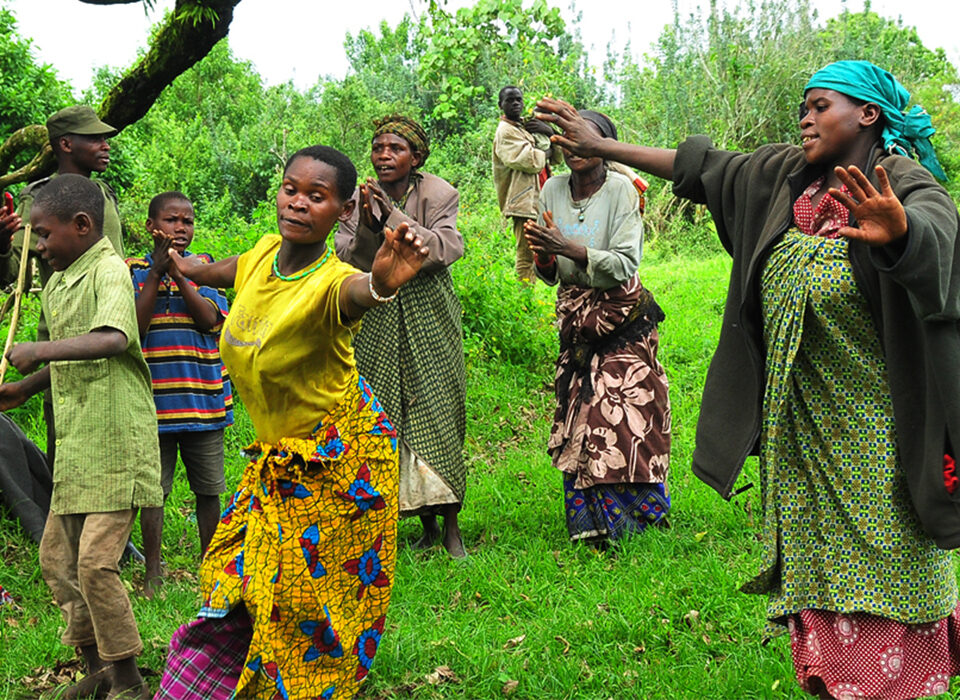
This community project empowers local women through tourism by showcasing traditional crafts, music, dance, and storytelling. Visitors are warmly welcomed by women who perform vibrant traditional dances and drama performances, often accompanied by rhythmic drumming and songs.
One of the highlights of visiting Kikorongo is participating in craft-making workshops. Here, travelers learn how local women weave baskets, bowls, and belts using natural plant fibers. These traditional skills have been passed down through generations.
Additionally, visitors can learn the creative process of recycling old magazines into colorful paper beads, which are then used to produce beautiful necklaces and jewelry. This initiative promotes environmental sustainability while generating income for women in the community.
Through these experiences, visitors gain a deeper understanding of the role of women in preserving cultural traditions and supporting their families.
Gro-Tour Walk at Kichwamba Escarpment
The Gro-Tour Walk is a memorable cultural and nature experience along the Kichwamba Escarpment, which forms the eastern wall of the Western Rift Valley.
This guided walk usually lasts two to three hours and begins in Katara Village, a rural community overlooking the rift valley landscape. The walk takes visitors along local farms on the escarpment, offering breathtaking views and refreshing breezes.
As travelers walk through the farmland, knowledgeable local guides explain traditional farming techniques, crop cultivation methods, and the use of medicinal plants found in the area. Bird lovers can also spot several species that inhabit the escarpment.
A particularly interesting highlight is the community beekeeping project. The beehives serve a dual purpose: they produce honey and also act as a natural barrier to keep elephants away from community farms along the park boundary.
During the walk, visitors may also enjoy local cultural entertainment, giving them a deeper connection to the daily life of the communities surrounding the park.
Katwe Salt Lake Cultural Experience
One of the most historic cultural sites within the park area is Lake Katwe, a unique saltwater lake that has supported local communities for centuries.
The people living near the lake extract salt using traditional methods that have been passed down through generations. Salt from Lake Katwe has long been traded across the region, reaching markets in Rwanda, the Democratic Republic of Congo, and other parts of Uganda.
Visitors exploring the lake witness the fascinating salt mining process, where workers harvest salt from shallow evaporation pans. The process is labor-intensive, but it remains an important source of income for many local families.
Besides the cultural experience, Lake Katwe is also an excellent place for birdwatching and photography. Travelers can observe various waterbirds while enjoying the unique scenery of the salt lake.
An Unforgettable Cultural Safari Experience
Overall, cultural encounters in Queen Elizabeth National Park provide travelers with a deeper appreciation of Uganda’s rich heritage. These experiences allow visitors to explore vibrant communities, learn traditional skills, and understand how local people coexist with wildlife.
Popular cultural sites include the Katwe Tourism Information Centre, Kikorongo Women Community, Leopard Village, and the Nyanz’ibiri Cave Community, among others.
When travelers include these activities in their safari with Experiya Tour Company, they not only enjoy authentic cultural experiences but also contribute to community empowerment, conservation, and sustainable tourism.
Combining wildlife adventures with cultural interactions makes a Queen Elizabeth National Park safari truly unforgettable offering a journey that celebrates both nature and the people who call this remarkable region home.