Luxury Gorilla Habituation and Chimpanzee Trekking Safari
March 6, 2026
Primate Trekking Experiences in Rwanda
March 6, 2026
Uganda’s lush jungles host one of the most awe-inspiring wildlife encounters on Earth trekking with endangered mountain gorillas. These gentle giants, found mainly in Bwindi Impenetrable National Park and Mgahinga Gorilla National Park, attract nature lovers, adventure seekers, and conservation-minded travelers from around the world. Yet gorilla trekking is far more than a once-in-a-lifetime adventure. It plays a crucial role in wildlife conservation, community development, and habitat protection.
When travelers participate in gorilla trekking responsibly, they directly contribute to protecting these magnificent apes and the forests they call home. Experiya Tour Company, a trusted safari operator in Uganda, organizes gorilla tours that focus on sustainability, responsible travel, and respect for both nature and local communities.
This guide explores conservation-focused gorilla tours in Uganda. It explains the ecological importance of mountain gorillas, what visitors can expect during a trek, how tourism supports conservation, and how Experiya Tour Company creates meaningful and unforgettable safari experiences.
Mountain Gorillas: A Remarkable Conservation Success Story
Mountain gorillas (Gorilla beringei beringei) once faced the real possibility of extinction. Decades ago, only a few hundred individuals survived in the dense forests of East and Central Africa. Habitat destruction, poaching, and human conflict placed immense pressure on the species.
Fortunately, strong conservation efforts have helped reverse this trend. Governments, conservation organizations, and local communities worked together to protect habitats, strengthen anti-poaching patrols, and establish regulated tourism. As a result, mountain gorilla populations have slowly increased over the years.
Today, Uganda hosts nearly half of the world’s remaining mountain gorillas, making the country one of the most important destinations for conservation-focused wildlife tourism.
The Role of Gorilla Tourism in Conservation
Gorilla tourism plays a powerful role in protecting wildlife and ecosystems. When managed responsibly, it generates essential funding for conservation programs while also encouraging communities to protect natural resources.
In Uganda, visitors must obtain a gorilla trekking permit, which currently costs about USD 800 for foreign non-residents. These permit fees directly support critical conservation initiatives. The revenue helps fund ranger patrols that protect gorillas from poaching. It also supports forest monitoring programs that track gorilla health and behavior.
Furthermore, these funds pay ranger salaries, strengthen wildlife protection systems, and maintain national parks such as Bwindi and Mgahinga. Without this tourism revenue, protecting these remote forests would be far more difficult.
At the same time, conservation extends beyond the boundaries of the forest. Tourism programs also support community outreach initiatives, education programs, and local businesses. By creating sustainable income opportunities, tourism reduces pressure on forests and helps prevent human-wildlife conflict.
Gorilla Trekking in Bwindi and Mgahinga National Parks
Bwindi Impenetrable National Park
Bwindi Impenetrable National Park is one of Africa’s most famous wildlife destinations. This UNESCO World Heritage Site features dense rainforest, towering trees, mist-covered valleys, and extraordinary biodiversity. The park protects many habituated gorilla families that visitors can safely observe during guided treks.
Because of its large gorilla population, Bwindi hosts the majority of Uganda’s gorilla trekking experiences.
Mgahinga Gorilla National Park
Mgahinga Gorilla National Park offers a quieter but equally remarkable experience. Located within the Virunga Conservation Area, the park features dramatic volcanic landscapes, bamboo forests, and scenic mountain views.
Although Mgahinga has fewer gorilla families than Bwindi, the trekking experience often feels more intimate and less crowded.
Both parks provide exceptional opportunities to observe mountain gorillas in their natural environment while following strict conservation guidelines.
The Gorilla Trekking Experience
A gorilla trek begins early in the morning at the park headquarters. Park rangers provide a detailed briefing where visitors learn about safety rules, trekking etiquette, and gorilla conservation guidelines.
After the briefing, experienced trackers lead small groups into the forest. The trek can last anywhere from a few hours to most of the day depending on the location of the gorilla family. Rangers carefully follow signs such as fresh nests, broken branches, and gorilla calls to locate the group.
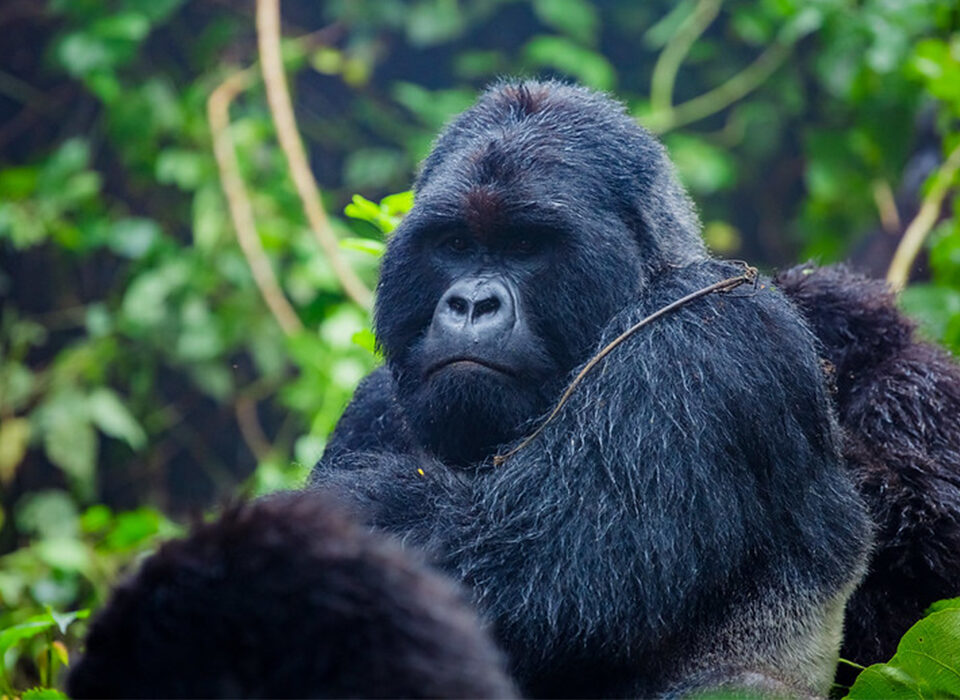
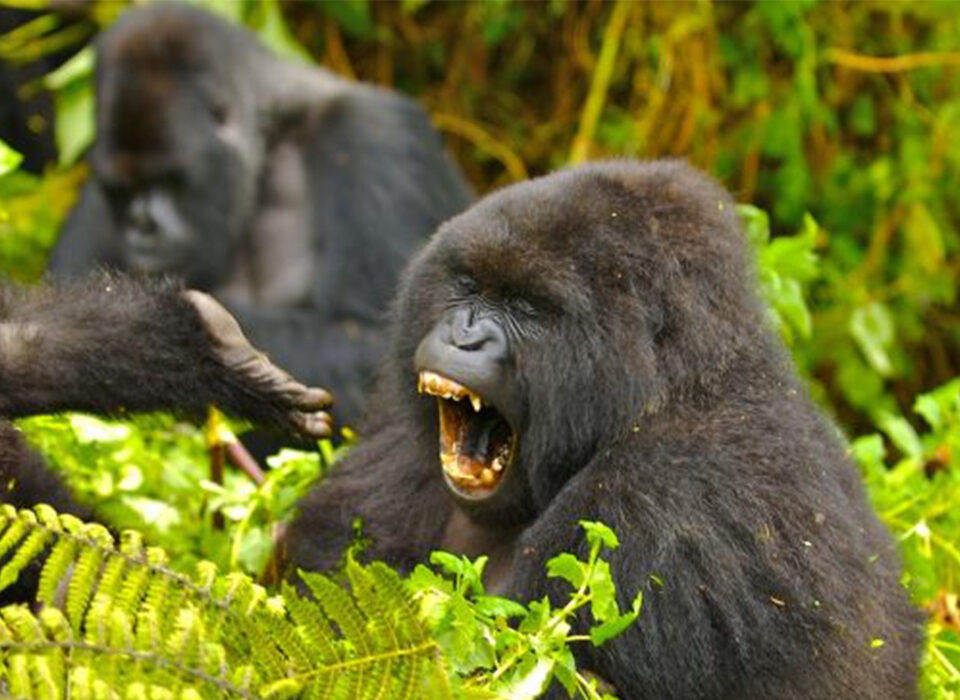
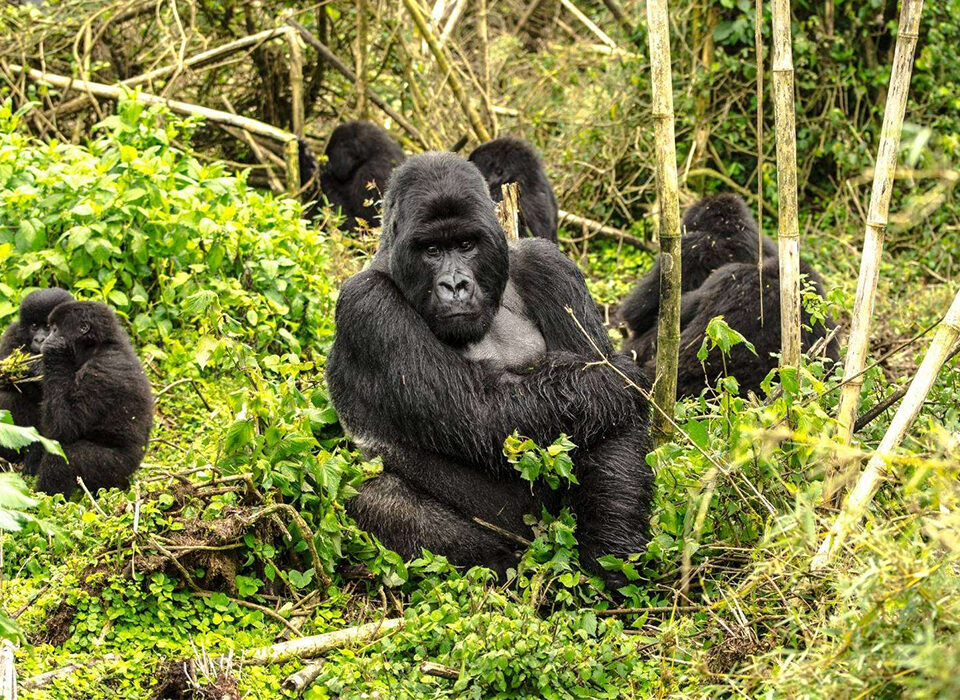
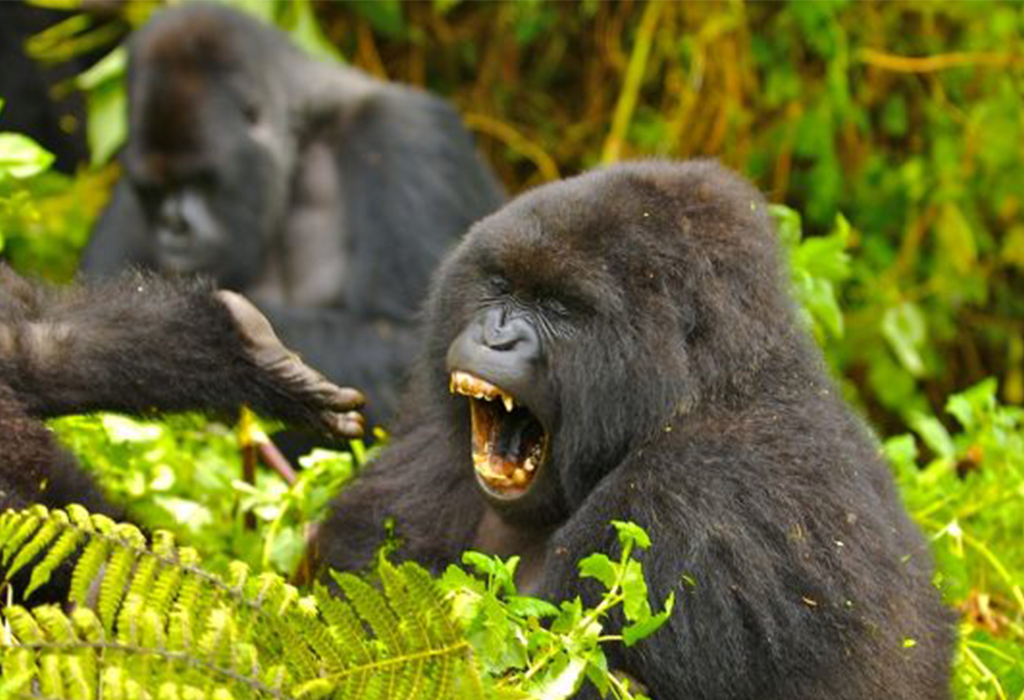
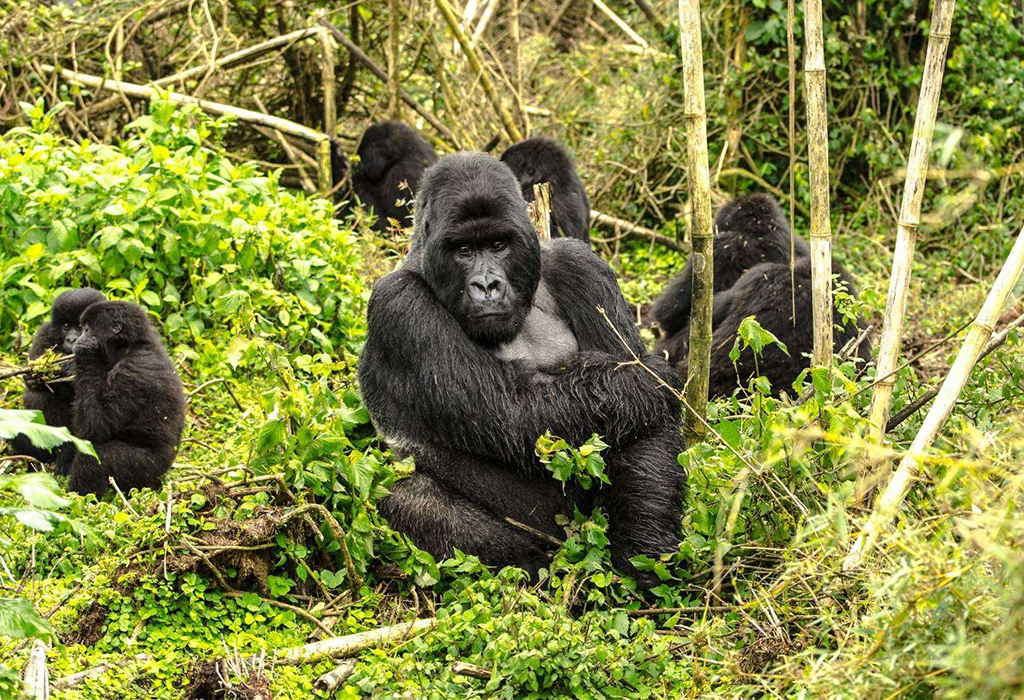
Although the hike can be physically demanding, the moment visitors encounter a gorilla family makes the effort worthwhile. Seeing a powerful silverback watching over his family, playful juveniles climbing trees, and mothers caring for infants creates an emotional and unforgettable experience.
To protect the animals, visitors may spend only one hour with the gorillas. This limited time helps reduce stress on the gorillas while still allowing travelers to observe their fascinating behaviors.
Duration and Fitness Considerations
Gorilla trekking is an adventure that requires some physical effort. Treks typically last between two and six hours, although some may take longer depending on the gorillas’ movements.
Visitors should prepare for muddy trails, steep terrain, and occasional rain. Wearing sturdy hiking boots, long-sleeved clothing, and waterproof gear greatly improves comfort. Insect repellent is also recommended.
While the trek can be challenging, most travelers with moderate fitness levels successfully complete it and find the experience incredibly rewarding.
Conservation and Community: The Heart of Ethical Tourism
Responsible gorilla tourism focuses not only on protecting wildlife but also on supporting the people who live near the parks. When travelers choose conservation-focused tours, they contribute to several important initiatives.
First, tourism protects endangered wildlife by funding ranger patrols and habitat protection programs. These efforts help maintain stable gorilla populations and safeguard their fragile ecosystems.
Second, tourism empowers local communities. Many residents around Bwindi and Mgahinga benefit from employment opportunities as guides, porters, lodge staff, and cultural performers. Revenue-sharing programs also fund local schools, health centers, and community infrastructure.
Finally, eco-tourism encourages sustainable livelihoods. When communities benefit from wildlife tourism, they gain strong incentives to protect forests rather than exploit them. This balance between conservation and community wellbeing creates long-term sustainability.
Why Choose Experiya Tour Company
Experiya Tour Company stands out as a dedicated promoter of sustainable tourism in Uganda and across East Africa. With deep local knowledge and years of safari experience, the company designs gorilla tours that combine adventure with meaningful conservation impact.
The team carefully manages every aspect of the journey, including securing gorilla permits, arranging transportation, organizing accommodations, and providing experienced safari guides. As a result, travelers enjoy a seamless and stress-free adventure.
Moreover, Experiya Tour Company relies on knowledgeable Ugandan guides who understand wildlife behavior, local cultures, and the complexities of conservation. Their expertise enriches every trek and helps travelers connect more deeply with the environment.
The company also prioritizes sustainability. It supports eco-friendly practices, partners with community initiatives, and encourages responsible travel that protects biodiversity and cultural heritage.
In addition, Experiya Tour Company offers flexible safari packages tailored to different travel styles. Travelers can choose short gorilla trekking tours, luxury wildlife safaris, or extended East African adventures that combine gorilla trekking with classic game drives and cultural experiences.
Responsible Travel Tips for Gorilla Trekkers
Planning responsibly ensures that gorilla tourism continues to support conservation. Travelers should book permits well in advance because availability is limited and high-season dates fill quickly.
During the trek, visitors must follow park guidelines carefully. Maintaining the required distance from gorillas, avoiding sudden movements, and respecting the one-hour viewing limit are essential for protecting the animals.
Travelers can also minimize their environmental impact by using reusable water bottles, avoiding single-use plastics, and staying on designated trails.
Finally, supporting community-based tourism experiences allows travelers to contribute directly to local livelihoods and cultural preservation.
Conclusion
Conservation-focused gorilla tours in Uganda offer far more than an extraordinary wildlife encounter. They represent a powerful partnership between travelers, conservationists, and local communities working together to protect one of the planet’s most endangered species.
By trekking with Experiya Tour Company, visitors help support conservation initiatives, strengthen community livelihoods, and protect Uganda’s remarkable forests. At the same time, they experience one of the most moving wildlife encounters in the world.
From the misty jungles of Bwindi to the dramatic volcanic landscapes of Mgahinga, every step of the journey contributes to safeguarding the future of mountain gorillas and the ecosystems they depend on.