Chances of Seeing Mountain Gorillas in Bwindi and Rwanda
February 17, 2026
Are Park Entry Fees Included in the Game Drive Cost?
February 17, 2026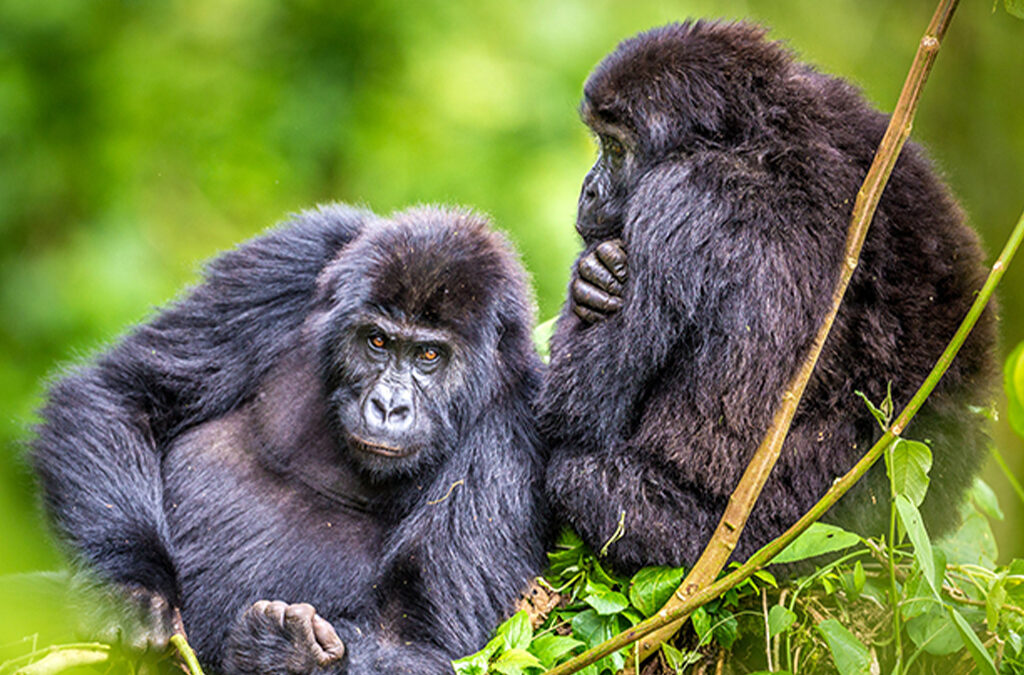
Uganda’s lush, mist-covered jungles offer one of the world’s most awe-inspiring wildlife encounters: trekking with endangered mountain gorillas. These gentle giants found primarily in Bwindi Impenetrable National Park and Mgahinga Gorilla National Park attract nature lovers, adventure seekers, and conservation-minded travelers from across the globe.
However, gorilla trekking is far more than a bucket-list adventure. When managed responsibly, it directly protects endangered wildlife, strengthens local communities, and safeguards fragile ecosystems.
At the heart of this approach is Experiya Tour Company, a trusted Ugandan tour operator committed to sustainability, ethical travel, and meaningful conservation impact. In this guide, we explore how conservation-focused gorilla tours work, why they matter, and what you can expect when you experience them firsthand.
Mountain Gorillas: A Remarkable Conservation Success
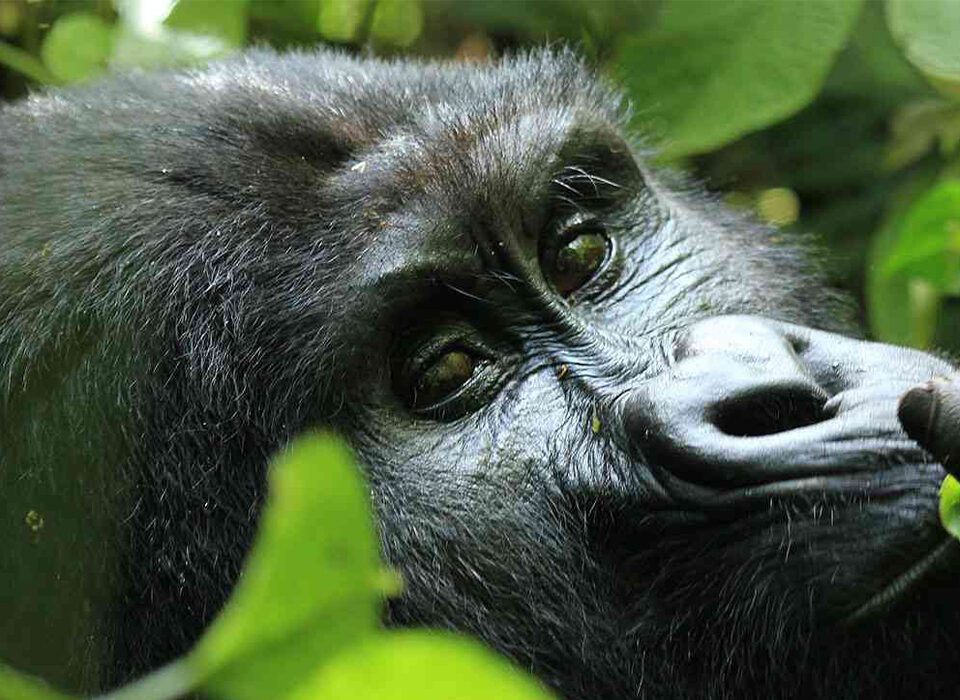
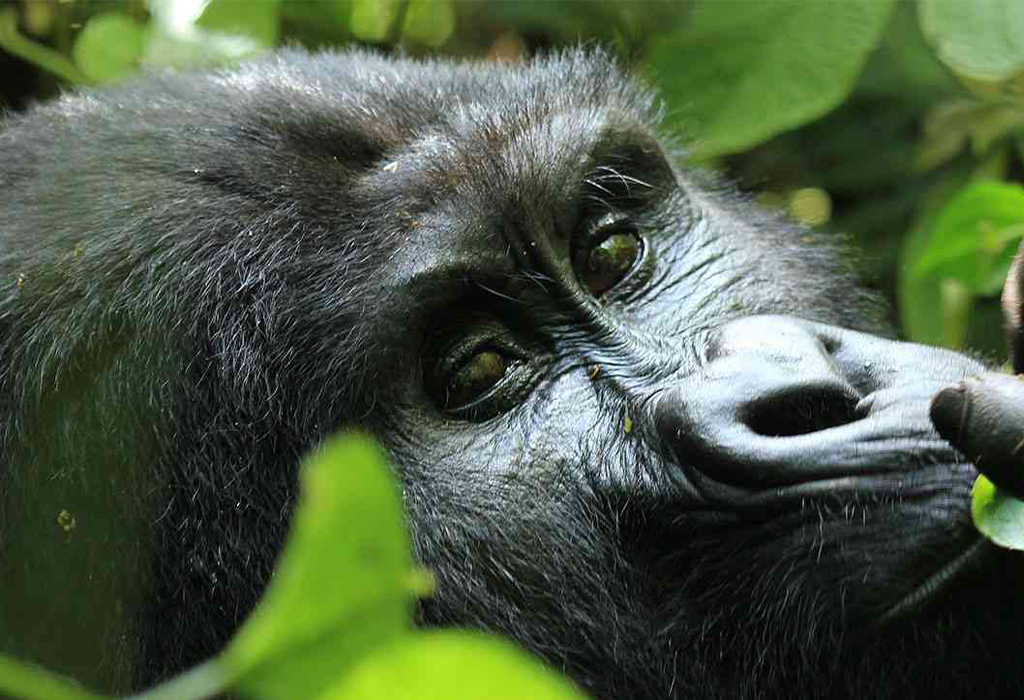
Mountain gorillas (Gorilla beringei beringei) once stood on the brink of extinction. Decades ago, only a few hundred individuals survived in fragmented forests across East and Central Africa.
Fortunately, through strict habitat protection, anti-poaching patrols, veterinary monitoring, and regulated tourism, conservationists reversed this decline. Today, their population has grown to over 1,000 individuals a rare conservation success story.
Importantly, Uganda hosts roughly half of the world’s remaining mountain gorillas. As a result, the country plays a critical role in global conservation efforts, making it one of the best destinations for ethical wildlife tourism.
How Gorilla Tourism Directly Supports Conservation
Gorilla tourism fuels conservation efforts in powerful ways. Rather than harming wildlife, regulated trekking creates financial incentives to protect it.
In Uganda, a gorilla permit for foreign non-residents costs approximately USD 800 per person. These fees directly fund:
- Anti-poaching patrols
- Habitat protection and ecological monitoring
- Ranger salaries and training
- Veterinary care for gorillas
- Community development initiatives
Because of this structured system, tourism revenue sustains protected areas like Bwindi and Mgahinga. Additionally, conservation programs extend beyond park boundaries. Authorities invest in buffer zones, community outreach, and local enterprise development, which reduce human-wildlife conflict and promote coexistence.
In short, every permit purchased becomes an investment in the survival of mountain gorillas.
Where Gorilla Trekking Happens in Uganda
Bwindi Impenetrable National Park
Bwindi, a UNESCO World Heritage Site, features dense rainforest, dramatic hills, and extraordinary biodiversity. Most gorilla treks take place here, as the park hosts multiple habituated gorilla families across different sectors.
Because of its ancient forest ecosystem, Bwindi also offers exceptional birding, primate sightings, and cultural encounters.
Mgahinga Gorilla National Park
In contrast, Mgahinga provides a quieter and more intimate trekking experience. Located within the greater Virunga Conservation Area, it showcases stunning volcanic landscapes and sweeping mountain views.
Although smaller than Bwindi, Mgahinga delivers equally powerful gorilla encounters often with fewer crowds.
What to Expect on a Gorilla Trek
Gorilla trekking combines adventure, anticipation, and profound emotional connection. While every trek differs, the general experience follows a structured format.
1. Morning Briefing
First, park officials conduct a detailed briefing at the headquarters. They explain trekking guidelines, safety procedures, and conservation rules.
2. The Forest Hike
Next, trained rangers and trackers lead you into the forest. Trekking can last anywhere from two to six hours or more, depending on the gorillas’ location that day.
Although the terrain may be steep, muddy, or thick with vegetation, the journey itself feels immersive and exhilarating.
3. The One-Hour Encounter
Finally, once trackers locate the gorilla family, you spend up to one hour observing them. This strict time limit minimizes stress on the animals while allowing meaningful interaction.
During that hour, you may watch a silverback assert dominance, mothers groom their infants, or juveniles tumble playfully in the foliage. The experience often feels humbling and deeply moving.
Fitness and Preparation Tips
To maximize comfort and enjoyment:
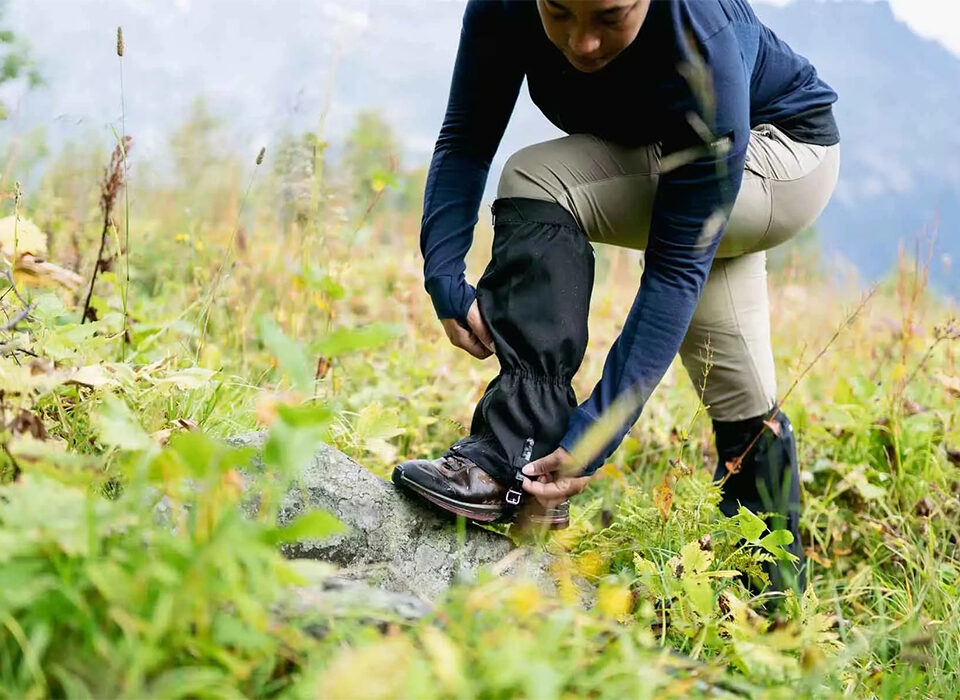
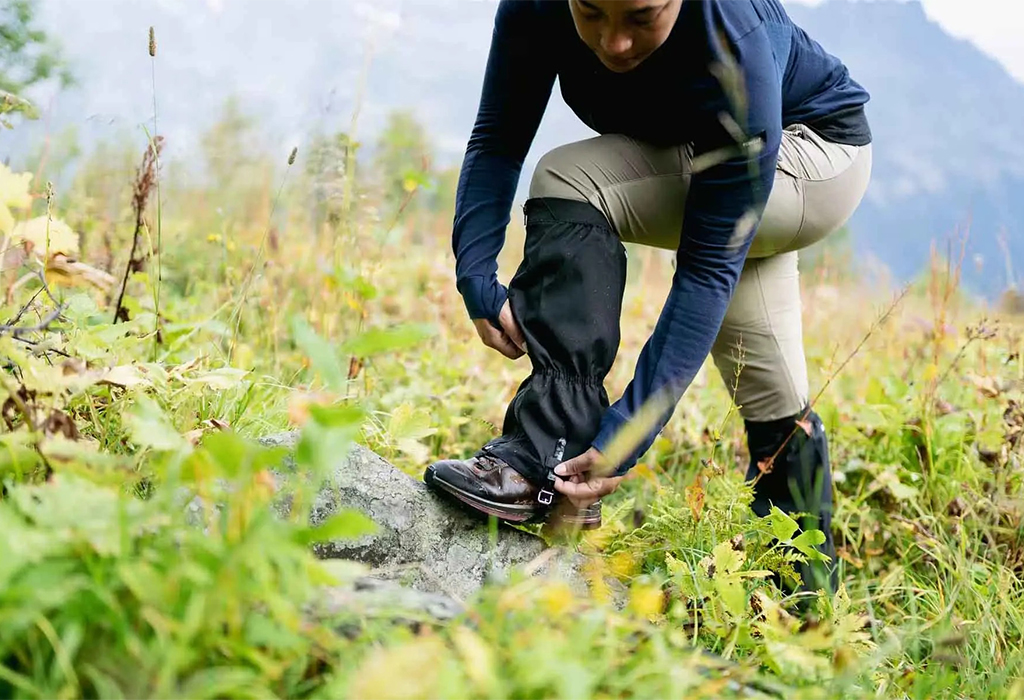
- Wear sturdy hiking boots with strong grip.
- Choose long sleeves and trousers to protect against vegetation.
- Carry rain gear, as forest weather changes quickly.
- Use insect repellent and sunscreen.
- Consider hiring a porter to assist with your backpack and support local employment.
While moderate fitness suffices, preparing physically enhances the overall experience.
Conservation and Community: The Core of Ethical Tourism
Conservation-focused gorilla tours protect more than wildlife they uplift people.
Protecting Endangered Wildlife
Permit revenue funds ranger patrols and habitat monitoring, which significantly reduce poaching threats. As a result, gorilla populations remain stable and continue to grow.
Empowering Local Communities
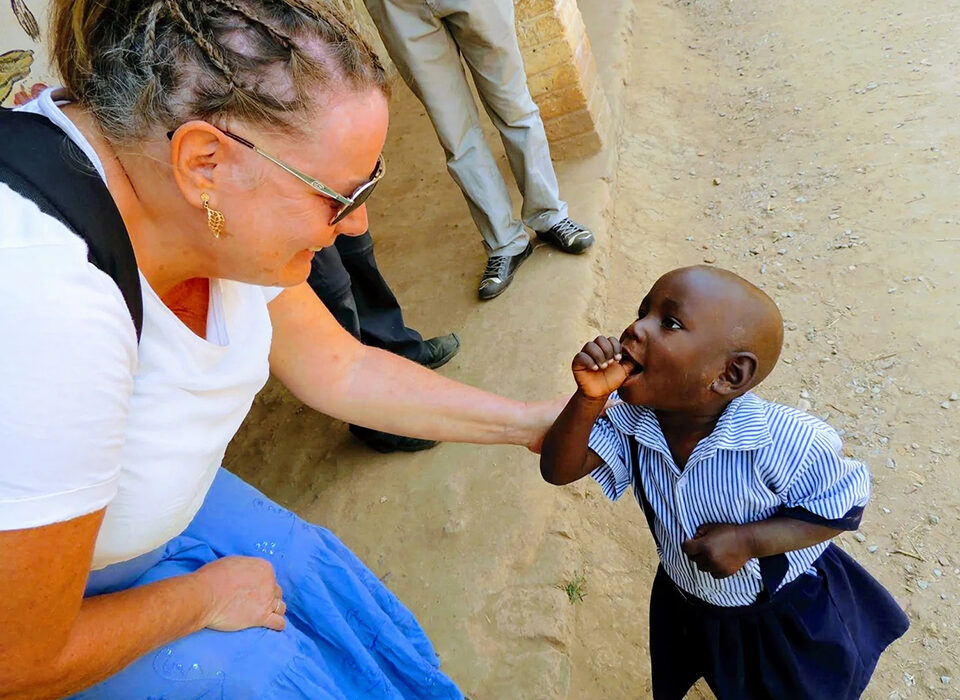
Revenue-sharing programs channel tourism income into nearby communities. Funds support schools, health clinics, clean water systems, and infrastructure improvements.
Moreover, many tours include cultural visits to communities such as the Batwa and Bakiga, who share historical ties to these forests. These experiences promote cultural preservation while generating sustainable income.
Promoting Sustainable Livelihoods
Eco-tourism provides jobs for guides, trackers, lodge staff, artisans, and porters. Consequently, communities gain economic alternatives to activities that once threatened forest habitats.
Why Choose Experiya Tour Company
Experiya Tour Company goes beyond organizing safaris. Instead, the company actively promotes responsible travel practices throughout Uganda and East Africa.
1. Seamless End-to-End Planning
Experiya handles every logistical detail including securing limited gorilla permits, arranging transportation, booking accommodations, and organizing expert guiding services. As a result, travelers enjoy a stress-free journey.
2. Local Expertise and Personalized Service
The company’s experienced Ugandan guides offer deep knowledge of wildlife behavior, ecosystems, and cultural traditions. Furthermore, Experiya designs customized itineraries ranging from short two-day treks to extended multi-park adventures.
3. Commitment to Sustainability
Experiya prioritizes eco-friendly operations. The company supports conservation initiatives, partners with community projects, and promotes low-impact travel practices throughout its tours.
4. Flexible Travel Options
Whether you prefer a budget-friendly gorilla trek, a luxury safari experience, or a multi-country East African expedition, Experiya tailors each itinerary to your interests and travel style.
Sample Conservation-Focused Itineraries
3-Day Gorilla Trekking Tour
- Day 1: Transfer to Bwindi or Mgahinga
- Day 2: Gorilla trekking experience
- Day 3: Return transfer with optional cultural visit
5-Day Gorilla and Wildlife Safari
- Gorilla trekking in Bwindi
- Game drives in Queen Elizabeth National Park
- Boat safari on the Kazinga Channel
- Cultural encounters with local communities
These itineraries blend conservation impact with unforgettable wildlife encounters.
Responsible Travel Tips for Gorilla Tours
To ensure your visit supports conservation efforts:
- Book permits early, especially during peak seasons (June–September and December–February).
- Follow park regulations at all times, including maintaining the required distance from gorillas.
- Reduce waste by using reusable water bottles and avoiding single-use plastics.
- Support local businesses that reinvest in community development.
By making conscious choices, you amplify the positive impact of your journey.
Conclusion: Travel with Purpose
Conservation-focused gorilla tours in Uganda offer more than adventure they create lasting impact. Each trek supports endangered mountain gorillas, strengthens local communities, and preserves ancient forests for future generations.
When you travel with Experiya Tour Company, you actively contribute to this conservation mission. From the misty trails of Bwindi to the dramatic volcanic slopes of Mgahinga, every step you take becomes part of a larger story one of protection, partnership, and hope.
Ultimately, gorilla trekking is not just about seeing wildlife. It is about standing face-to-face with nature and choosing to protect it.