
Combining Uganda’s Primate Adventures with Sesse Island Beaches
February 11, 2026
4 Days Uganda Gorilla Trekking & Lake Bunyonyi Safari
February 11, 2026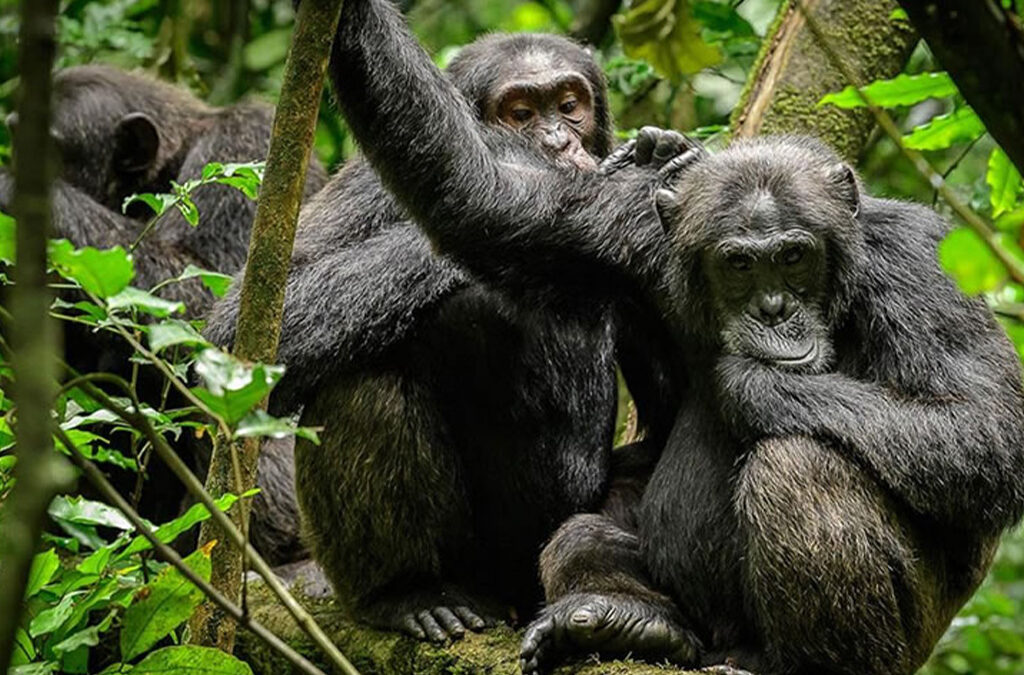
Uganda is a treasure trove for wildlife enthusiasts, offering some of the most exhilarating primate experiences in the world. Among the top attractions are Chimpanzee Trekking and Gorilla Trekking, both of which provide unforgettable encounters with Africa’s great apes. While these experiences share similarities, they also offer distinct adventures, habitats, and challenges. Understanding these differences can help travelers choose the experience that best suits their preferences. Experiya Tour Company ensures you have a seamless journey, whether your heart is set on observing gorillas or chimps in their natural habitats.
Where to Trek
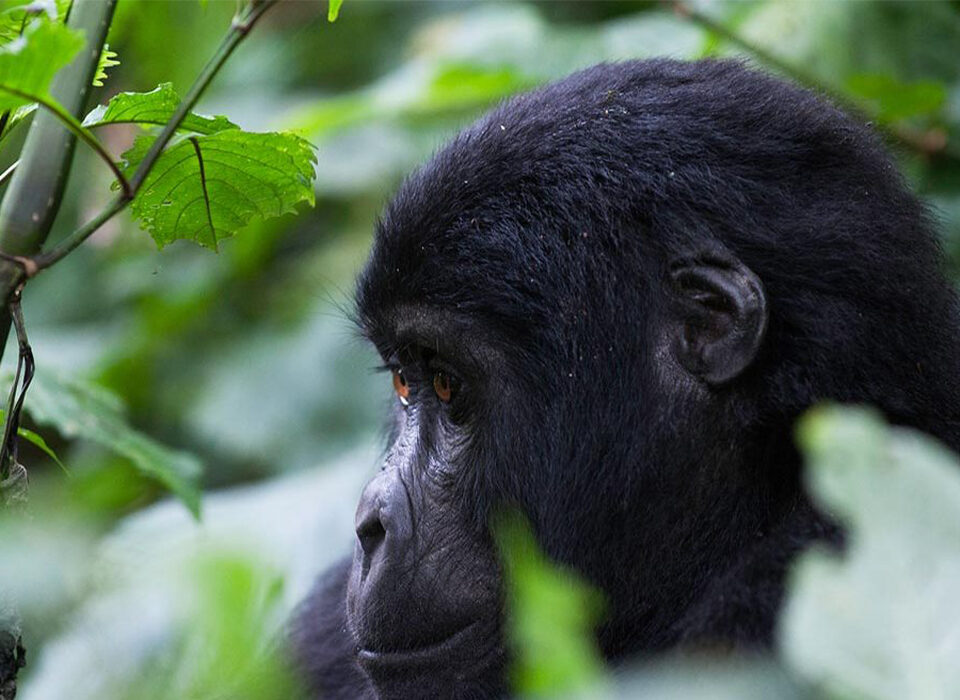
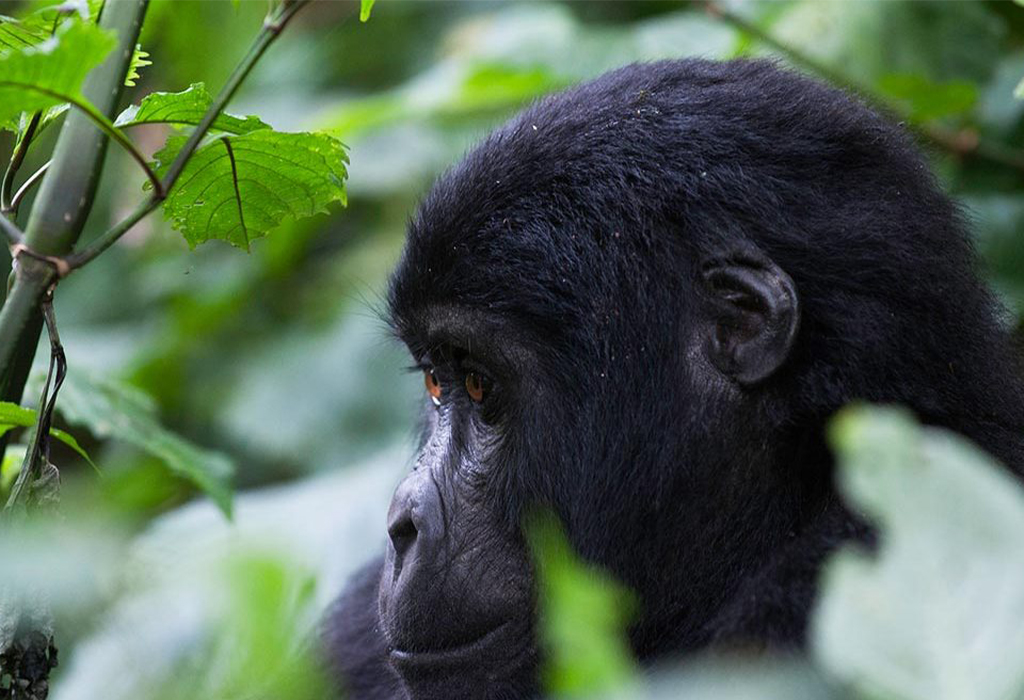
Gorilla trekking in Uganda primarily takes place in Bwindi Impenetrable National Park and Mgahinga Gorilla National Park, both located in the southwestern part of the country. These parks feature dense forests and misty mountains, offering you the chance to see mountain gorillas up close. You can find chimpanzee trekking across a wider range of locations, however. Popular destinations include Kibale Forest National Park, Kalinzu Forest, Budongo Forest in Murchison Falls National Park, and Kyambura Gorge within Queen Elizabeth National Park. While gorilla trekking often involves mountainous terrain, chimpanzee trekking usually occurs in relatively flat forests, making it accessible to a wider range of visitors.
Are Chimpanzees as Fascinating as Gorillas?
Chimpanzees and gorillas belong to the family of great apes, which also includes humans, bonobos, and orangutans. Unlike most other primates, great apes do not have tails but possess strong arms and dexterous fingers capable of grasping objects. Interestingly, both gorillas and chimpanzees share about 98% of human DNA and rank among the most intelligent animals on the planet.
While gorillas are primarily herbivorous, feeding on leaves, shoots, fruits, and roots, chimpanzees are omnivorous, supplementing their plant-based diet with insects, small mammals, and occasionally other primates. This difference in diet reflects the behavioral and social variations between the two species.
Chimpanzees are often considered more cognitively similar to humans, displaying higher levels of problem-solving skills, tool use, and social play. Gorillas, by contrast, tend to be calmer and more predictable, which can make them easier to observe in the wild. However, both species exhibit complex social behaviors, allowing visitors to witness fascinating interactions, including grooming, playing, and caring for young ones.
Gorilla Trekking: A Close-Up Encounter
Gorilla trekking is meticulously organized to ensure safety for both visitors and the gorillas. The experience begins when a group of experienced trackers and game rangers venture into the forest to locate gorilla families by identifying their sleeping nests. Once a group is found, the rangers inform park authorities, who guide tourists along designated trails.
Before setting off, tourists receive a comprehensive briefing explaining what to expect during the trek. Each trekking group usually consists of eight visitors accompanied by a senior park guide and several rangers. Since gorillas inhabit high-altitude forests, trekkers may encounter steep slopes and challenging terrain. For those needing extra support, park authorities can provide porters to carry backpacks and supplies.
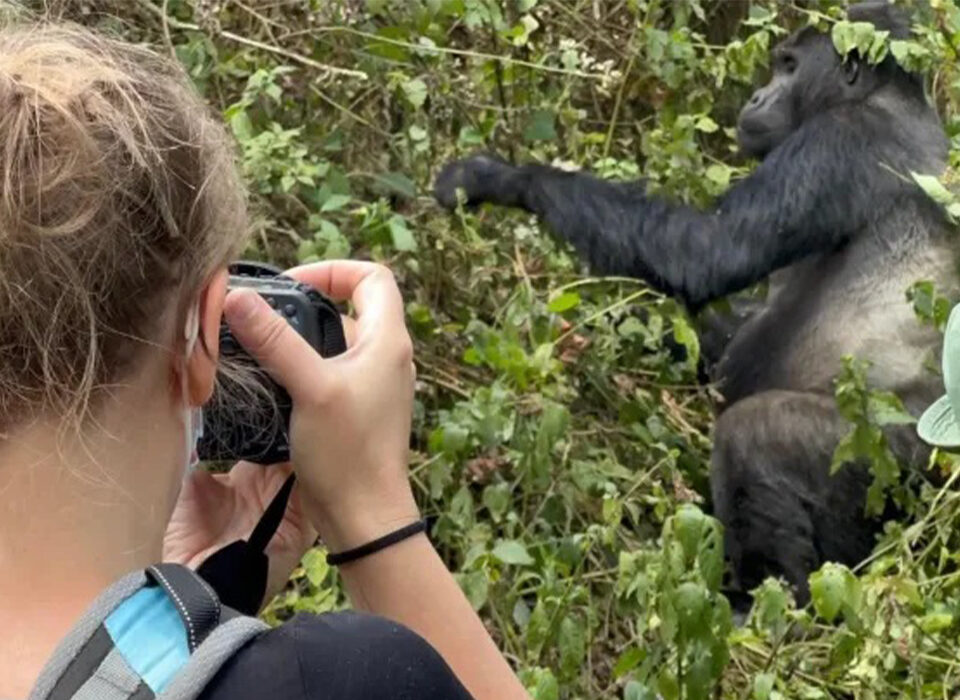
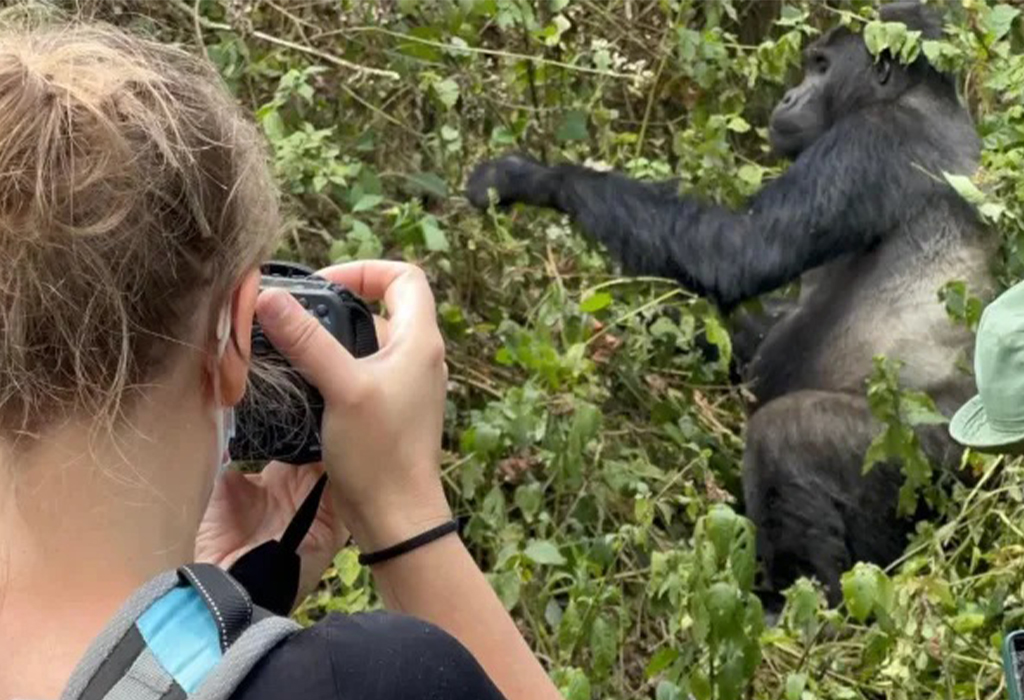
Once the gorillas are located, visitors are granted one hour of close observation. During this time, you can marvel at the gorillas’ social behaviors, take photographs, and simply enjoy being in the presence of these magnificent creatures. It is important to remain quiet, avoid sudden movements, and never use flash photography, as these actions can disturb the animals. Despite their impressive size, gorillas are generally gentle and peaceful, often continuing their daily routines as if humans were invisible.
Chimpanzee Trekking: Playful and Exhilarating
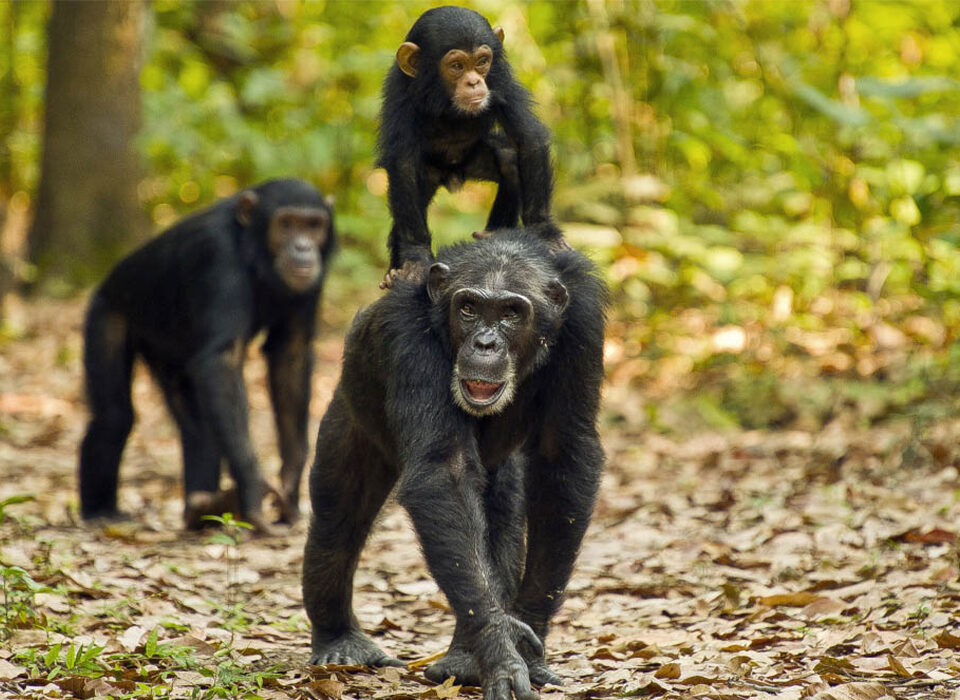
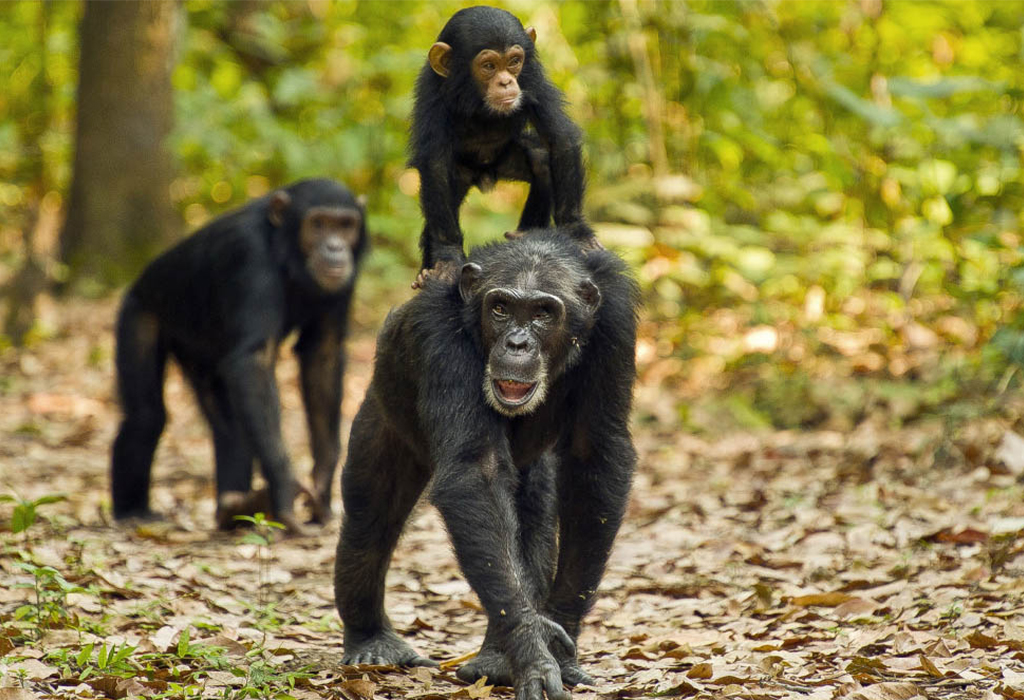
Chimpanzee trekking offers a different kind of thrill. Chimpanzees are lively, playful, and highly social, often moving quickly through the forest canopy. This mobility makes observing and photographing them a more dynamic experience. Unlike gorillas, chimpanzees may travel in large communities of over 100 individuals, which often split into smaller groups to feed or explore different areas.
The trekking itself is generally easier compared to gorilla trekking, as chimpanzee habitats are mostly located in relatively flat forests. Hikes are less physically demanding, making the experience accessible to a wider range of travelers. Nevertheless, the excitement comes from tracking these intelligent, unpredictable creatures as they swing through the trees, interact with one another, and occasionally vocalize with their distinctive calls.
Chimpanzee trekking can also be more flexible in terms of scheduling. g, which begins at 7:30 a.m., park rangers conduct chimpanzee trekking in multiple sessions throughout the day, including morning, midday, and afternoon treks. This allows visitors more options to fit the experience into their travel itineraries.
Observing Differences in Behavior
One of the most notable contrasts between gorillas and chimpanzees lies in their social structure. Gorillas live in families led by a dominant male silverback, who serves as the protector and provider. This clear leadership ensures organized group behavior, and gorillas are typically calm, spending most of their time on the forest floor.
Chimpanzees, on the other hand, often have multiple dominant males competing for influence, which can make their social groups appear chaotic. They spend considerable time in the trees, are highly mobile, and may split into smaller groups during feeding. While this behavior makes them more challenging to track and photograph, it also creates a lively, exhilarating observation experience for adventurous travelers.
Accessing the Parks
Gorilla and chimpanzee trekking sites in Uganda are well-connected by both road and air. Traveling by road from Kampala or Entebbe to the gorilla parks typically takes 8 to 10 hours, providing an opportunity to admire Uganda’s scenic landscapes and observe local communities engaged in farming and trade. For those pressed for time or seeking convenience, air travel is an excellent alternative, reducing the journey to under two hours, albeit at a higher cost.
Trekking Permits and Conservation
To witness these incredible primates in their natural habitats, travelers must purchase trekking permits from the Uganda Wildlife Authority. Gorilla permits cost $800, reflecting the exclusivity and conservation significance of the experience. Chimpanzee permits are more affordable, ranging from $75 to $300, depending on the park. Kibale National Park is the most expensive and highly recommended site for chimpanzee trekking due to its rich biodiversity and high likelihood of primate encounters.
Permit fees are not merely a ticket to an unforgettable adventure. They also contribute significantly to conservation efforts, primate research, and the welfare of local communities. Authorities use these funds to maintain park infrastructure, protect wildlife, and support nearby schools, healthcare facilities, and water projects. This investment creates a positive impact that extends far beyond the forest.
Accommodation and Packing
A range of accommodation options, from luxurious lodges to budget-friendly hotels, surrounds both gorilla and chimpanzee trekking sites. This variety ensures that travelers can choose lodging that fits their preferences and budget.
. Experiya Tour Company can help arrange comfortable stays close to the trekking sites, minimizing travel time and enhancing the overall experience.
When preparing for a trek, certain essentials are necessary. Visitors should pack waterproof hiking boots, a backpack for snacks and water, a raincoat, insect repellent, cameras, and binoculars. Hiking sticks are often provided during the park briefing, offering support during more challenging treks.
Conclusion
Both chimpanzee and gorilla trekking are unforgettable wildlife experiences that offer unique perspectives on Uganda’s rich biodiversity. Gorilla trekking provides a serene, intimate encounter with calm and majestic creatures, while chimpanzee trekking delivers a lively, energetic adventure filled with playful interactions and vibrant forest life.
With either experience, visitors contribute directly to wildlife conservation and community development. When you choose a trusted tour operator like Experiya Tour Company, they seamlessly arrange every detail—from permits and accommodations to meals and transportation—so you can focus fully on the wonder of the journey.
Ultimately, chimpanzee trekking is just as exciting, rewarding, and unforgettable as gorilla trekking. Both adventures offer life-changing encounters with Africa’s great apes, creating memories that last a lifetime. Whether you prefer the quiet majesty of gorillas or the playful energy of chimpanzees, Uganda promises an unparalleled wildlife experience that will stay with you forever.