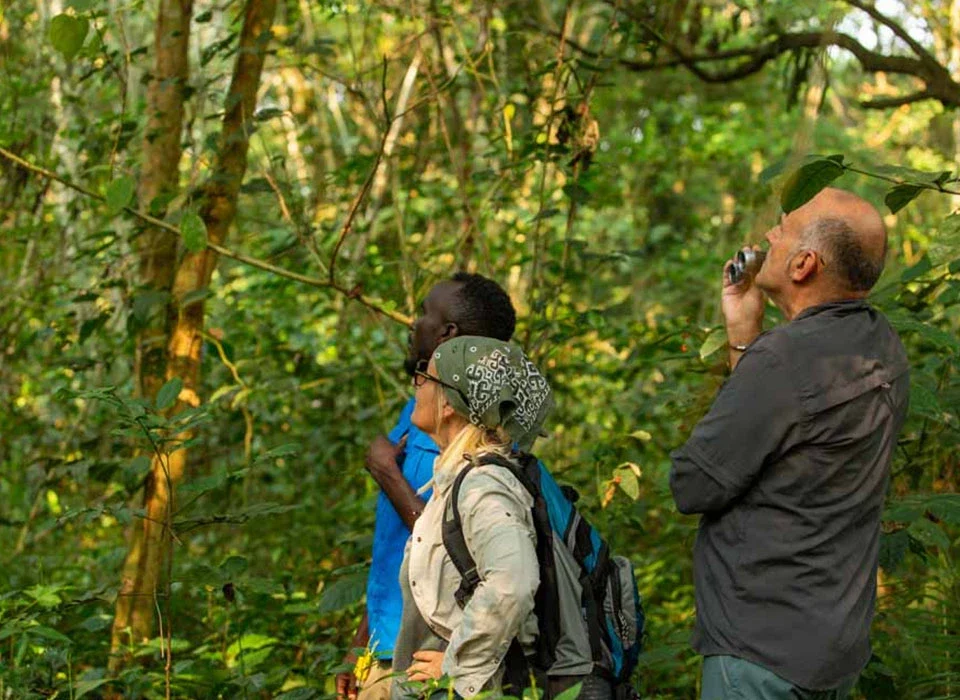

Birding in Lake Mburo National Park
November 20, 2026
How to Get to Queen Elizabeth National Park
November 20, 2026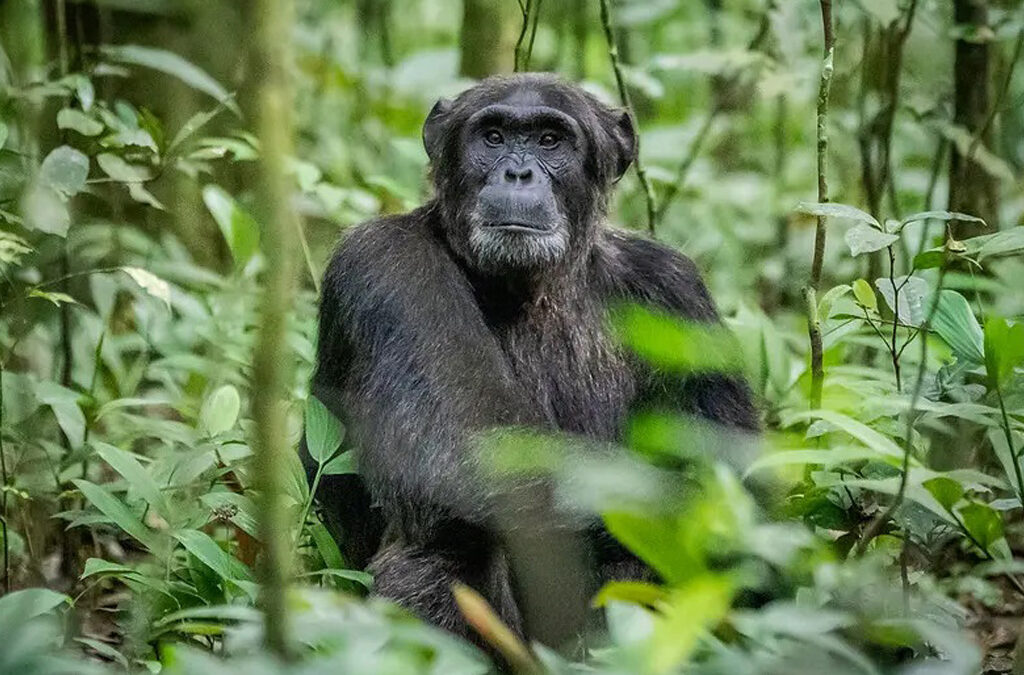
Chimpanzee tracking in Kibale Forest is one of the most exciting wildlife experiences you can enjoy on a Uganda safari. Located in western Uganda, Kibale National Park protects an extensive tropical rainforest that supports one of East Africa’s most important populations of wild chimpanzees. The forest also shelters numerous other primates, colourful birds, butterflies and fascinating plant species, making it an excellent destination for nature lovers.
When you explore Kibale, what makes the experience particularly special is the opportunity to encounter chimpanzees in their natural environment. Unlike watching wildlife from a safari vehicle, chimpanzee trekking takes you deep into the forest, where you follow their calls, observe their movements and discover how they interact with one another. Sometimes you hear their loud pant-hoots before seeing them, creating an exciting sense of anticipation.
At Experiya Tour Company, we organise chimpanzee tracking adventures that allow visitors to experience the beauty of Kibale while learning about primate behaviour and forest conservation. Whether you are planning a dedicated chimpanzee safari or combining the experience with mountain gorilla trekking in Bwindi Impenetrable National Park, Kibale offers an unforgettable opportunity to explore Uganda’s remarkable wildlife.
About Kibale National Park
Kibale National Park is one of Uganda’s most beautiful tropical forest destinations. It lies in western Uganda, near Fort Portal, and covers approximately 766 square kilometres of diverse natural habitats. The park stretches across a landscape of rolling hills, forested valleys, wetlands and grasslands, creating suitable conditions for a wide variety of wildlife.
The park’s elevation ranges from approximately 1,100 metres in its lower southern sections to about 1,590 metres above sea level in the northern areas. These differences in altitude support several vegetation types, including moist evergreen forest, semi-deciduous forest, woodland and grassland. Consequently, visitors experience changing scenery as they explore different parts of the park.
Kibale also plays an important role in wildlife research and conservation. Researchers have studied its chimpanzees and other forest inhabitants for decades, helping improve our understanding of primate behaviour, social relationships and habitat protection.
Some notable features of Kibale National Park include:
-
Approximately 70 mammal species.
-
13 recorded primate species.
-
More than 375 bird species.
-
Hundreds of tree and plant species.
-
Diverse butterflies, reptiles and amphibians.
-
Important research and chimpanzee conservation programmes.
Although chimpanzees attract most visitors, the forest offers much more than one wildlife encounter. You may also spot red-tailed monkeys, black-and-white colobus monkeys, grey-cheeked mangabeys, olive baboons and L’Hoest’s monkeys during your forest adventure.
Understanding Chimpanzees: Our Close Relatives
Chimpanzees are among our closest living relatives, sharing approximately 98.8% of their DNA with humans. Their intelligence, emotional expressions, communication skills and complex social relationships make them fascinating animals to observe in the wild.
Chimpanzees live in communities with changing social relationships rather than remaining in small, permanently fixed family groups. Their communities can contain many individuals, although members often separate into smaller parties when searching for food or travelling through the forest. This flexible social organisation allows them to move around their habitat while maintaining strong relationships with other members.
During chimpanzee tracking in Kibale Forest, you may observe several interesting behaviours, depending on the activities of the group you encounter.
For example:
-
Feeding: Chimpanzees eat fruits, leaves, seeds, flowers, insects and occasionally small animals.
-
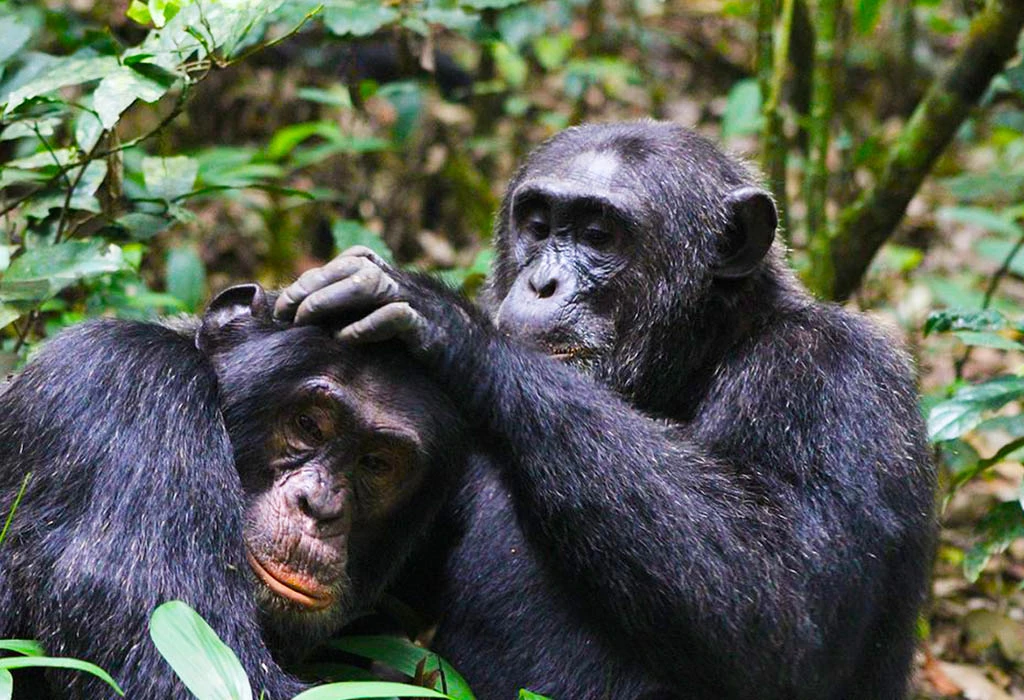
Grooming: Individuals clean one another’s fur, strengthening social relationships.
-
Communication: They use calls, facial expressions, gestures and body movements to communicate.
-
Tool use: They use sticks and other natural materials to obtain food, including insects.
-
Playing: Young chimpanzees chase, climb and wrestle with one another.
-
Nesting: They build fresh sleeping nests in trees, usually at the end of the day.
One particularly exciting moment is hearing chimpanzees communicate across the forest. Their loud calls can travel considerable distances, allowing members of a community to locate one another. When several individuals begin calling simultaneously, the forest suddenly becomes alive with activity.
Observing these behaviours provides a valuable understanding of how closely chimpanzees resemble humans while reminding us why protecting their natural habitat is so important.
Chimpanzee Tracking Experience in Kibale Forest
Chimpanzee tracking is the main tourist activity in Kibale National Park. The experience takes place mainly around the Kanyanchu visitor centre, where visitors meet experienced park guides and receive a briefing before entering the forest.
The adventure usually begins with registration and a briefing in the morning or afternoon. During this session, rangers explain the tracking guidelines, introduce visitors to the forest environment and allocate guides to the trekking groups. Visitors then follow established forest trails as guides search for chimpanzee communities.
Finding the chimpanzees requires patience because these primates move frequently through the forest in search of food. Sometimes you follow their distinctive calls, while at other times guides use information from trackers who monitor their movements. Depending on where the chimpanzees are feeding or resting, the walk may take a few hours.
Eventually, encountering a chimpanzee family makes the entire experience worthwhile. You might find adults feeding in the trees, mothers caring for their young or juveniles playing energetically among the branches. Their movements are often unpredictable, so every encounter feels different.
Visitors normally spend up to one hour observing the chimpanzees once they locate the group. During this time, you can take photographs without flash, watch their social interactions and listen to the sounds of the forest while maintaining the required distance.
Morning and Afternoon Chimpanzee Tracking
Kibale offers two main chimpanzee tracking sessions, giving visitors flexibility when planning their Uganda safari.
Morning tracking: This is a popular option for visitors who want to explore the forest early in the day. Chimpanzees may be active as they leave their sleeping nests, search for food and interact with other members of their community.
Afternoon tracking: Afternoon tracking offers another opportunity to encounter the chimpanzees. Their movements depend on feeding patterns, weather conditions and other natural activities, so sightings can vary throughout the day.
Both sessions offer rewarding wildlife experiences. At Experiya Tour Company, we help visitors select a suitable tracking session and organise the necessary arrangements in advance.
Chimpanzee Tracking Versus Chimpanzee Habituation Experience
Besides ordinary chimpanzee tracking, Kibale National Park offers a more immersive activity known as the Chimpanzee Habituation Experience (CHEX). Both activities allow visitors to observe wild chimpanzees, but they differ in duration and purpose.
During ordinary chimpanzee tracking, visitors follow a habituated community that has become accustomed to the presence of humans. The activity focuses on locating the chimpanzees and observing their daily behaviour for a limited period.
The Chimpanzee Habituation Experience, on the other hand, allows visitors to accompany researchers, trackers and experienced guides as they follow a chimpanzee community undergoing habituation. The process gradually familiarises wild chimpanzees with human presence without forcing them to change their natural behaviour.
This experience offers a deeper understanding of chimpanzee conservation and research. You may observe how individuals feed, communicate, groom, travel and interact throughout the day. It also provides opportunities to learn about their social structures and the challenges involved in protecting them.
The main differences include:
| Chimpanzee tracking | Habituation experience |
|---|---|
| Usually lasts a few hours | Starts early and involves a longer forest excursion |
| Up to one hour with chimpanzees | Up to four hours with chimpanzees |
| Follows habituated communities | Follows communities undergoing habituation |
| Suitable for general wildlife visitors | Ideal for dedicated primate enthusiasts |
The habituation experience is particularly rewarding for photographers, researchers and travellers who want to understand chimpanzees beyond a brief wildlife encounter. However, it requires more time and physical endurance than ordinary tracking.
Best Time for Chimpanzee Tracking in Kibale Forest
Kibale National Park welcomes visitors throughout the year because Uganda enjoys a generally warm tropical climate. However, rainfall, humidity and forest conditions can influence your trekking experience.
The drier months, particularly June to September and December to February, are popular with travellers because forest trails are generally easier to navigate. These months are suitable for visitors who prefer relatively dry conditions when walking through the rainforest.
The wetter months, especially March to May and October to November, bring more rainfall. Although muddy trails can make trekking challenging, the forest becomes particularly green and beautiful. Food availability may also influence where chimpanzees move and how easily trackers locate them.
Here is a general guide to the seasons:
-
June to September: A popular period for chimpanzee tracking, with generally drier conditions.
-
December to February: Another favourable period for forest walks and wildlife activities.
-
March to May: A wetter season with lush vegetation and potentially muddy trails.
-
October to November: Shorter rainy-season period, with occasional heavy showers.
Chimpanzee tracking takes place throughout the year, and sightings are never guaranteed. Therefore, I recommend choosing your travel dates based on your wider Uganda safari plans rather than relying entirely on the weather.
What to Pack for a Kibale Chimpanzee Trekking Safari
Preparing properly makes chimpanzee tracking in Kibale Forest more comfortable and enjoyable. The rainforest can be humid, and some trails become slippery after rainfall. In addition, thick vegetation and occasional thorny plants make suitable clothing particularly important.
Before leaving your accommodation, make sure you have the following essentials:
-
Comfortable hiking boots: Choose waterproof or water-resistant boots with good grip for muddy forest trails.
-
Long trousers: These protect your legs against insects, thorny vegetation and scratches.
-
Long-sleeved shirts: They provide additional protection when walking through thick vegetation.
-
Rain jacket: Carry lightweight waterproof clothing because rain can fall unexpectedly.
-
Day backpack: Use a small backpack to carry your personal essentials.
-
Drinking water: Carry sufficient water to remain hydrated during the trek.
-
Camera or smartphone: Bring a camera to capture wildlife moments, but remember to switch off the flash.
-
Insect repellent: This helps protect you against mosquitoes and other biting insects.
-
Garden gloves: These can help protect your hands when holding vegetation for support.
-
Gaiters: These offer additional protection against mud, insects and forest vegetation.
-
Binoculars: They can help you observe birds and monkeys in the forest canopy.
I also recommend carrying a few personal snacks for before or after the trek. However, you must follow the ranger’s instructions about eating and drinking near chimpanzees.
Important Rules and Guidelines for Chimpanzee Tracking
Chimpanzees are susceptible to several human diseases, making responsible tourism essential. Every visitor must follow the instructions provided by Uganda Wildlife Authority (UWA) rangers throughout the experience.
These guidelines protect both visitors and the chimpanzees while helping maintain a safe distance between humans and wildlife.
Important rules include:
-
Do not track chimpanzees when sick: Visitors with flu, coughs or other infectious illnesses should stay away from the forest.
-
Maintain a safe distance: Keep at least 10 metres from chimpanzees, following current UWA guidance.
-
Avoid loud noises: Speak quietly and avoid disturbing the animals.
-
Do not feed chimpanzees: Human food can harm their health and alter their natural behaviour.
-
Avoid flash photography: Flash can disturb chimpanzees and interfere with their natural activities.
-
Do not imitate their calls: Allow chimpanzees to communicate naturally without interference.
-
Do not chase them: Follow the guide and allow the animals to move freely.
-
Avoid littering: Carry all waste out of the forest.
-
Follow your ranger’s instructions: Rangers understand the forest and know how to manage wildlife encounters responsibly.
Chimpanzee tracking in Kibale is subject to age restrictions, permit requirements and visitor limits. UWA’s published conservation tariff lists a minimum tracking age of 12, while some park information has carried a higher age requirement. Confirm the applicable age when booking, particularly when travelling with children.
Comparing Chimpanzee Tracking and Gorilla Trekking in Uganda
Uganda is one of the few destinations where visitors can combine chimpanzee tracking and mountain gorilla trekking in a single safari. Although both activities involve walking through tropical forests to observe primates, the encounters are quite different.
Chimpanzees spend considerable time in trees, frequently moving between branches as they search for food. Their energetic behaviour, loud calls and changing social interactions make them exciting to observe. Sometimes you may need to look carefully into the canopy to locate them.
Mountain gorillas, on the other hand, spend much of their time on the ground. They generally move through the forest in family groups led by a dominant silverback. During a gorilla trekking experience, visitors may observe feeding, grooming, resting and interactions between adults and young gorillas.
The physical demands also differ. Chimpanzee tracking in Kibale is often less strenuous than gorilla trekking in Bwindi, although the difficulty depends on the location of the animals and the terrain.
For travellers interested in both experiences, combining Kibale and Bwindi creates an excellent primate safari. You can begin with chimpanzees in Kibale before travelling south to Bwindi Impenetrable National Park for the unforgettable mountain gorilla encounter.
Other Activities to Enjoy Around Kibale Forest
Although chimpanzee tracking is the main attraction, Kibale offers several other activities that can enrich your Uganda safari. I recommend setting aside additional time to explore the surrounding communities and natural attractions.
Some worthwhile activities include:
1. Bigodi Wetland Sanctuary
Bigodi Wetland Sanctuary is an excellent destination for nature walks and birdwatching. Located near Kibale National Park, this community-managed wetland supports several bird species, butterflies and different primates. Visitors can explore its walking trails with local guides while learning about wetland conservation and community tourism.
2. Cultural Experiences
Visitors can also discover the traditions and lifestyles of communities surrounding Kibale. Cultural visits provide opportunities to learn about local food preparation, traditional farming, music, dance and everyday activities.
3. Crater Lake Exploration
The Fort Portal region is famous for its beautiful volcanic crater lakes. These scenic attractions offer excellent opportunities for photography, nature walks and relaxation after chimpanzee trekking.
Combining these activities with chimpanzee tracking creates a more complete experience of western Uganda.
Where to Stay During Chimpanzee Tracking in Kibale Forest
Choosing suitable accommodation is an important part of planning a successful chimpanzee tracking safari. Fortunately, Kibale National Park has several lodges and safari properties offering comfortable stays close to the forest and surrounding attractions.
Some recommended accommodation options include:
-
Primate Lodge Kibale: Located inside the forest environment, this lodge offers convenient access to the Kanyanchu chimpanzee tracking starting point.
-
Ndali Lodge: Known for its beautiful setting overlooking a crater lake, comfortable accommodation and peaceful surroundings.
-
Kyaninga Lodge: Offers scenic views of Lake Kyaninga and the surrounding countryside, making it an excellent choice for travellers seeking a relaxing stay.
These properties offer different accommodation experiences, from comfortable midrange options to luxury safari stays. Your choice will depend on your budget, preferred comfort level and travel arrangements.
At Experiya Tour Company, we help travellers select accommodation according to their safari budget, itinerary and proximity to the planned activities.
Booking Chimpanzee Tracking Permits in Kibale Forest
Chimpanzee tracking requires a valid permit issued through the Uganda Wildlife Authority. Because the number of visitors allowed to track each chimpanzee community is restricted, advance booking is highly recommended, particularly during busy travel periods.
A chimpanzee tracking permit covers the authorised tracking activity and the services specified under the applicable UWA tariff. The Chimpanzee Habituation Experience requires a separate permit.
When arranging your safari, consider the following:
-
Confirm your preferred tracking date.
-
Choose between ordinary chimpanzee tracking and habituation.
-
Check permit availability before finalising your travel arrangements.
-
Book suitable accommodation near Kibale.
-
Arrange private or shared transportation according to your preference.
Experiya Tour Company assists visitors with permit arrangements, accommodation reservations, transport and complete Uganda safari packages.
Plan Your Kibale Forest Chimpanzee Safari with Experiya Tour Company
Chimpanzee tracking in Kibale Forest offers more than an ordinary wildlife excursion. It introduces you to the fascinating world of one of humanity’s closest relatives while allowing you to explore one of Uganda’s most beautiful tropical rainforests.
From hearing chimpanzees calling through the trees to watching mothers care for their young and juveniles play among the branches, every encounter creates a special connection with nature. Furthermore, exploring Bigodi Wetland Sanctuary, visiting nearby crater lakes and experiencing local cultures adds even more value to your journey.
At Experiya Tour Company, we organise memorable chimpanzee tracking safaris in Kibale National Park, including accommodation, transport, permits and guided wildlife experiences. We can also combine your chimpanzee adventure with gorilla trekking in Bwindi, wildlife viewing in Queen Elizabeth National Park and other exciting destinations across Uganda.
Whether you are planning a short chimpanzee trekking excursion or an extended Uganda primate safari, we are ready to help you create an enjoyable and well-organised adventure.
Contact Experiya Tour Company today to plan your chimpanzee tracking safari in Kibale Forest and discover the extraordinary wildlife of Uganda.