
Tree Climbing Lions of Queen Elizabeth National Park
March 17, 2026
Uganda Safari Dos and Don’ts
March 17, 2026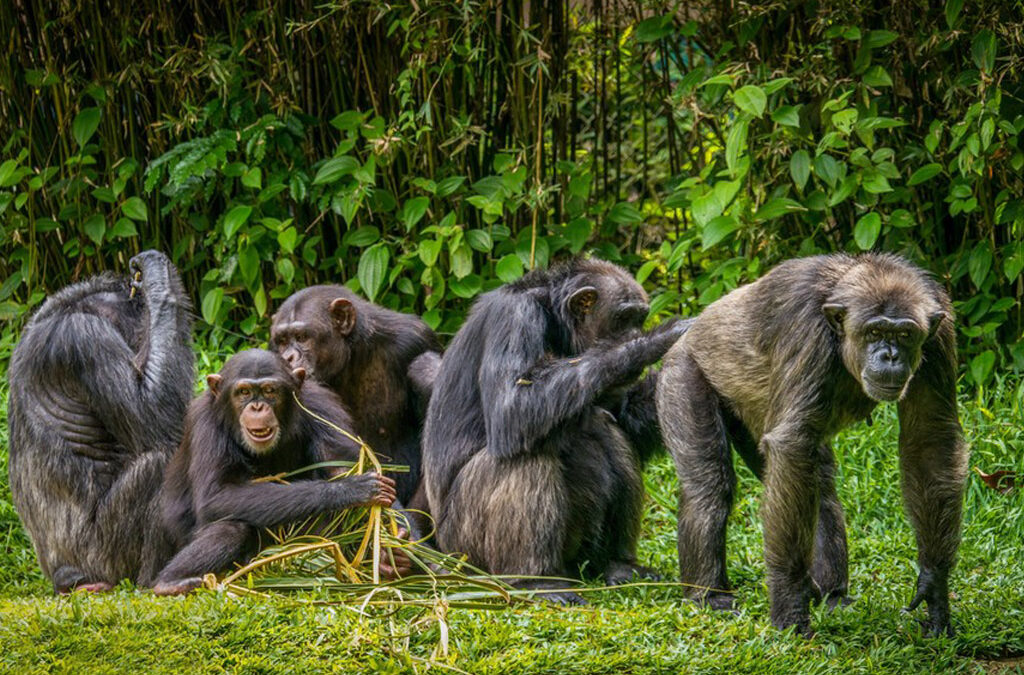
Chimpanzees rank among the most fascinating animals on Earth. Their intelligence, emotional depth, and social complexity make them incredibly interesting to observe in the wild. Travelers who experience chimpanzee trekking often describe it as one of the most powerful wildlife encounters in Africa. Watching these primates interact in their natural habitat offers a rare glimpse into a world that closely mirrors human society. Because of this, observing chimpanzee behavior has become one of the most exciting wildlife experiences for travelers visiting East Africa.
Uganda stands out as one of the best destinations in Africa to experience chimpanzee trekking and observe chimpanzee behavior up close. The country contains lush tropical forests, thriving primate populations, and protected national parks that support chimpanzee conservation. Destinations like Kibale National Park provide ideal conditions for observing chimpanzees as they feed, communicate, and interact with one another. Safari companies such as Experiya Tour Company guide visitors through these forests while offering detailed insights into chimpanzee behavior and conservation efforts.
For wildlife enthusiasts, photographers, and nature lovers, witnessing chimpanzee behavior in the wild is an experience that deserves a place on every travel bucket list.
The Intelligence Behind Chimpanzee Behavior
Chimpanzee behavior reveals a level of intelligence that surprises many visitors. Scientists consider chimpanzees to be among the smartest animals in the world. Their cognitive abilities allow them to solve problems, use tools, and communicate in ways that resemble human interaction.
Chimpanzees often use sticks, leaves, and stones as tools when searching for food. For example, they commonly insert thin sticks into termite mounds to catch insects. This simple yet effective technique shows their ability to learn and adapt to their environment. Young chimpanzees observe older members of the group and gradually learn these skills, which demonstrates how chimpanzee behavior includes cultural learning within communities.
Visitors trekking through forests such as Budongo Forest frequently witness these intelligent behaviors firsthand. Watching a chimpanzee carefully craft a tool from a branch or leaf highlights their creativity and adaptability. Experiences like this make chimpanzee trekking feel less like a wildlife observation and more like a window into another intelligent society.
Experiya Tour Company often includes educational briefings before trekking activities so that travelers can understand these fascinating elements of chimpanzee behavior before entering the forest.
Chimpanzee Behavior and Their Complex Social Structure
Chimpanzee behavior reflects a highly organized social system. Chimpanzees live in communities known as troops, which may include between 20 and 100 individuals. Each group operates under a social hierarchy led by a dominant male known as the alpha.
The alpha male maintains leadership through displays of strength, alliances, and social relationships with other members of the group. However, chimpanzee leadership does not rely only on aggression. Successful alpha males often build strong relationships with other chimpanzees by grooming and supporting group harmony.
Grooming remains one of the most important behaviors within chimpanzee societies. During grooming sessions, chimpanzees carefully remove insects, dirt, and parasites from each other’s fur. While this behavior helps maintain hygiene, it also strengthens social bonds within the group. Observing these interactions reveals how chimpanzee behavior promotes cooperation and community stability.
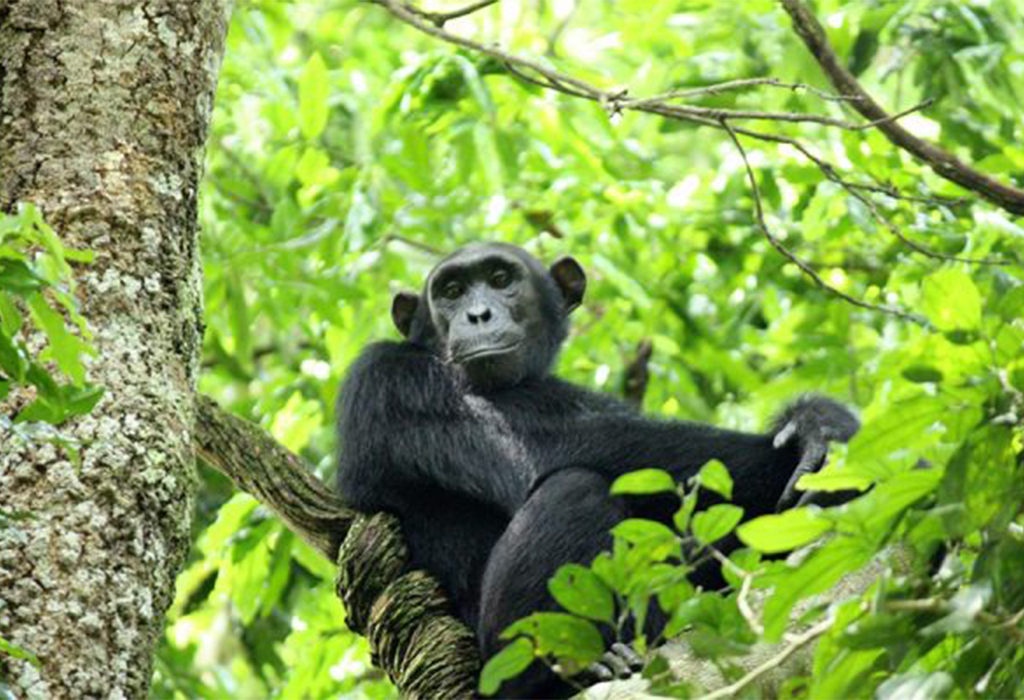
During chimpanzee trekking experiences in Kibale National Park, visitors often see groups grooming each other while resting on the forest floor or tree branches. These calm moments allow travelers to appreciate the social complexity that defines chimpanzee communities.
Why It Creates an Unforgettable Safari Experience
Chimpanzee behavior makes wildlife safaris exciting and unpredictable. Unlike many animals that remain quiet or hidden, chimpanzees move constantly through the forest canopy and along the ground. Their energy creates a dynamic environment where every moment offers something new to observe.
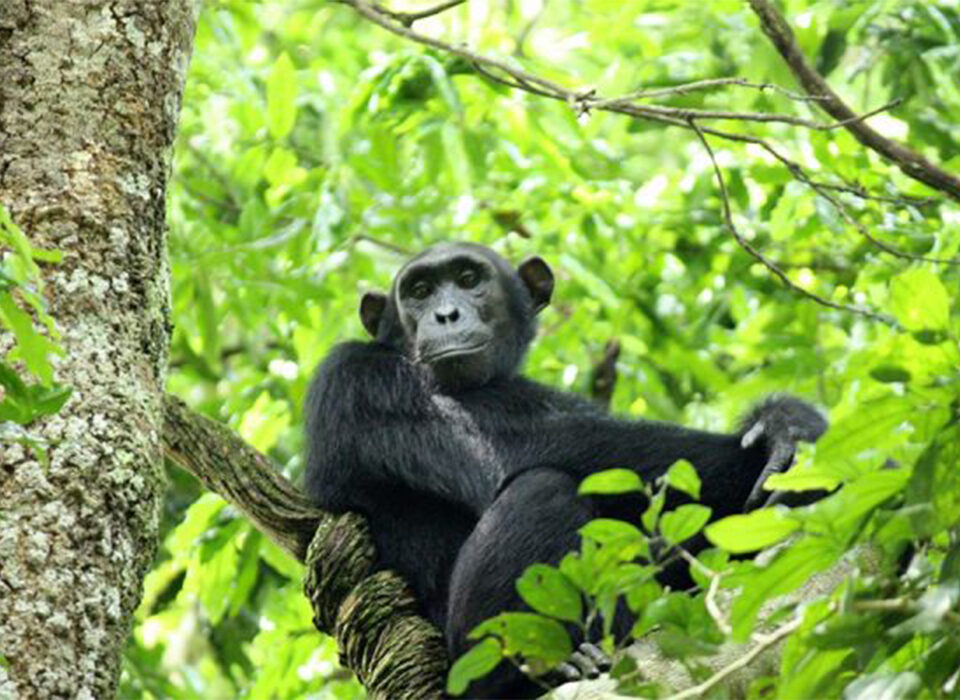
Travelers may witness chimpanzees climbing tall fig trees, chasing one another through the forest, or calling loudly to communicate with distant group members. Their vocalizations echo through the forest, creating an atmosphere that feels both thrilling and mysterious.
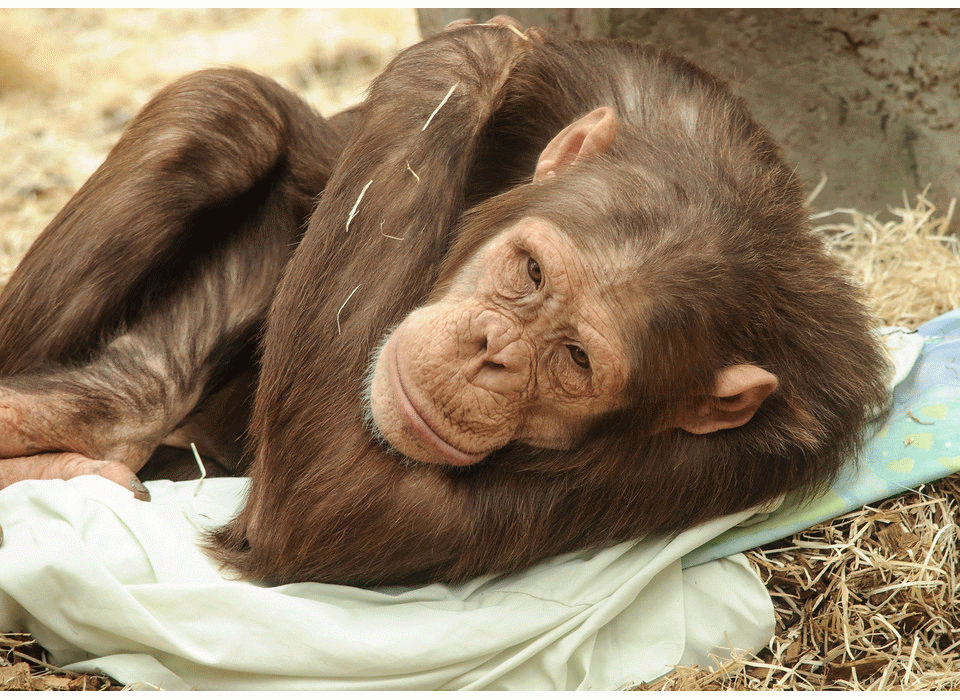
Chimpanzees also express a wide range of emotions. Researchers have documented behaviors that suggest joy, curiosity, frustration, and even grief. For example, chimpanzees sometimes gather quietly around the body of a deceased group member. These moments reveal how chimpanzee behavior includes emotional awareness and deep social bonds.
Experiya Tour Company designs chimpanzee trekking experiences that allow visitors to witness these behaviors responsibly. Professional guides ensure that tourists maintain a safe distance while still enjoying close and meaningful wildlife encounters.
Best Places to Observe Chimpanzee Behavior in Uganda
Uganda offers several remarkable destinations where travelers can observe chimpanzee behavior in the wild. Each location provides unique landscapes and wildlife experiences.
One of the most famous destinations is Kibale National Park. This park contains one of the highest densities of primates in Africa and hosts more than 1,500 chimpanzees. Dense tropical forests, experienced trackers, and well-maintained trails make Kibale the most popular chimpanzee trekking destination in Uganda.
Another incredible location is Kyambura Gorge. This forested gorge lies within the savannah landscape of Queen Elizabeth National Park. The dramatic scenery creates a unique setting where travelers can observe chimpanzee behavior in a hidden forest valley surrounded by grasslands.
Visitors can also explore Budongo Forest, which contains ancient mahogany trees and well-researched chimpanzee communities. This forest offers excellent opportunities for photography and birdwatching alongside chimpanzee trekking.
Experiya Tour Company organizes customized safaris to these locations, allowing travelers to combine chimpanzee trekking with other wildlife experiences across Uganda.
Fascinating Daily Activities That Reveal Chimpanzee Behavior
Chimpanzee behavior changes throughout the day as these primates search for food, interact socially, and move through the forest. Their daily routines often begin early in the morning when the group wakes up and begins feeding.
Chimpanzees eat a wide variety of foods including fruits, leaves, seeds, and insects. They frequently travel long distances through the forest in search of seasonal fruit trees. When they locate a productive feeding area, several chimpanzees gather to eat together.
Young chimpanzees spend much of their time playing. They chase one another through the trees, wrestle on the ground, and swing from branches. These playful activities help young chimpanzees develop strength and social skills that will support them later in life.
Adult chimpanzees also display cooperative behavior. Male chimpanzees sometimes hunt smaller monkeys in coordinated groups. After a successful hunt, they often share the meat with other members of the community. This cooperation highlights the social intelligence embedded within chimpanzee behavior.
Visitors who spend time observing chimpanzees during a trek often witness several of these activities in a single morning. These experiences make every trekking adventure unique and memorable.
Conservation Efforts
Chimpanzees face several threats in the wild, including habitat destruction, disease, and illegal hunting. Protecting these primates requires strong conservation programs and responsible tourism practices.
Uganda has made significant progress in protecting chimpanzee habitats through national parks and wildlife management initiatives. Organizations work closely with local communities to ensure that forests remain protected for future generations.
Tourism also contributes to conservation efforts. Permit fees collected from chimpanzee trekking help fund park management, research projects, and community development programs. These initiatives encourage local communities to protect chimpanzee populations rather than exploit them.
Experiya Tour Company strongly supports conservation by promoting responsible travel practices. Guides educate visitors about chimpanzee behavior while emphasizing the importance of respecting wildlife rules during trekking activities.
By participating in ethical tourism, travelers help protect chimpanzee habitats and ensure that these fascinating animals continue to thrive in the wild.
Conclusion
Chimpanzee behavior offers one of the most powerful wildlife experiences available to travelers. Observing these intelligent primates in their natural environment reveals a complex world filled with communication, cooperation, and emotion.
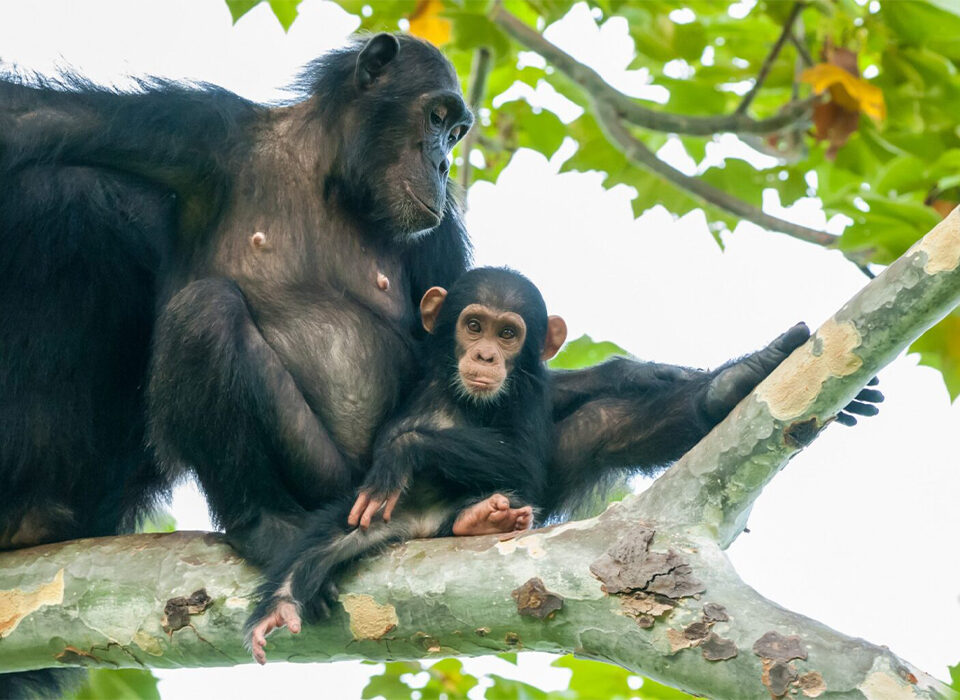
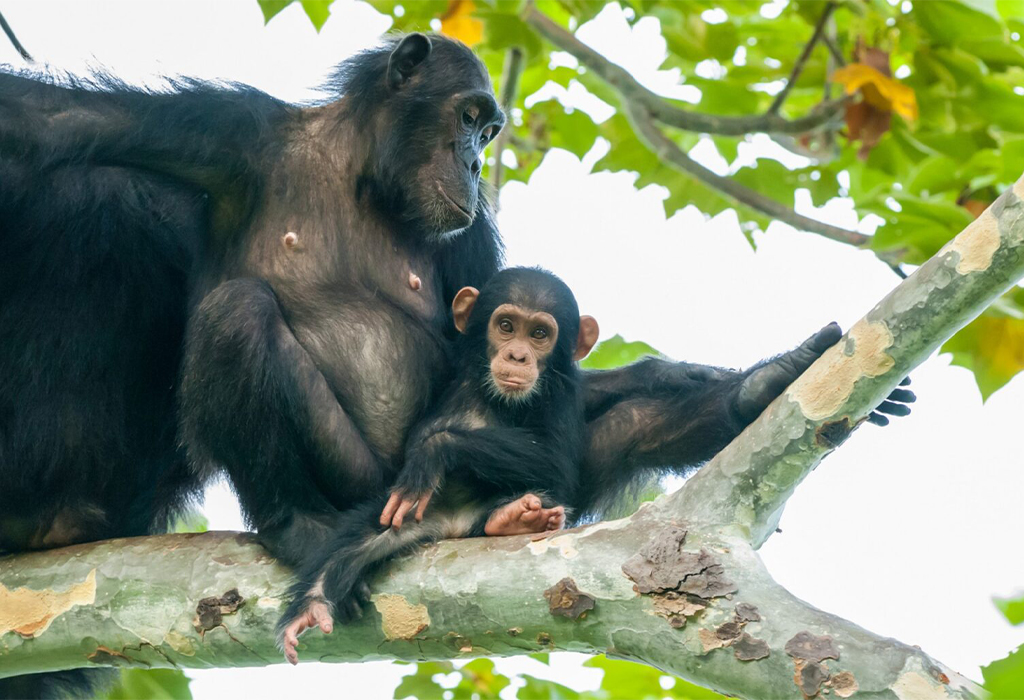
Every chimpanzee trekking experience brings new discoveries. Travelers may witness a playful group of young chimpanzees swinging through the canopy, a dominant male asserting leadership, or a mother carefully caring for her infant. Each encounter reveals another layer of chimpanzee behavior that deepens our understanding of these remarkable animals.
Uganda provides some of the best opportunities in the world to observe chimpanzees in their natural habitat. From the rich forests of Kibale National Park to the dramatic landscapes of Kyambura Gorge, visitors can experience unforgettable wildlife encounters.
With expert guidance from safari operators such as Experiya Tour Company, travelers can explore these environments safely while learning about chimpanzee behavior and conservation. These journeys combine adventure, education, and emotional connection with nature.
For anyone who appreciates wildlife and authentic travel experiences, witnessing chimpanzee behavior in the wild truly deserves a place on the ultimate travel bucket list.