Is Lowland Gorilla Trekking in Congo Safe?
June 10, 2026
Where Can I Do Golden Monkey Trekking in Rwanda and Uganda?
June 10, 2026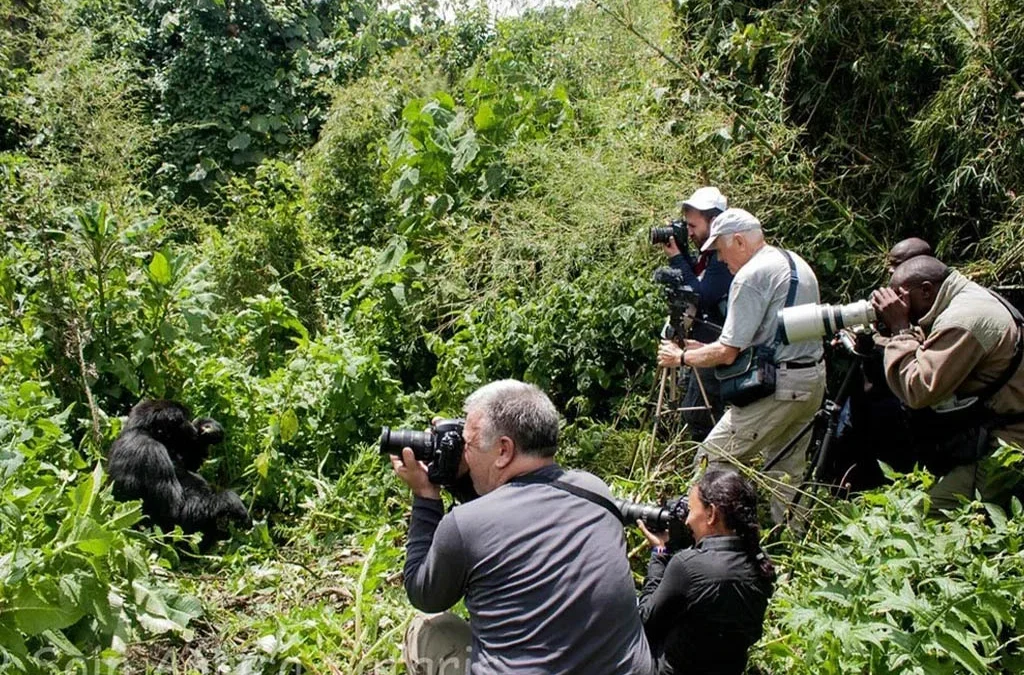
Many travelers dream of capturing their gorilla trekking experience on video so they can relive the moment long after returning home. Watching a mountain gorilla family interact in its natural habitat is a once-in-a-lifetime encounter, and naturally, visitors want to preserve those memories. The good news is that most gorilla trekking destinations in East and Central Africa allow visitors to record videos during their trek.
However, filming gorillas comes with important rules designed to protect these endangered primates and preserve their natural behavior. National parks in Uganda, Rwanda, and the Democratic Republic of Congo strictly regulate photography and videography to ensure that tourism supports conservation rather than disrupts wildlife.
Whether you plan to use a smartphone, a compact camera, or professional filming equipment, understanding the guidelines before your trek will help you capture memorable footage while respecting the gorillas and their environment.
Are Visitors Allowed to Film Gorillas?
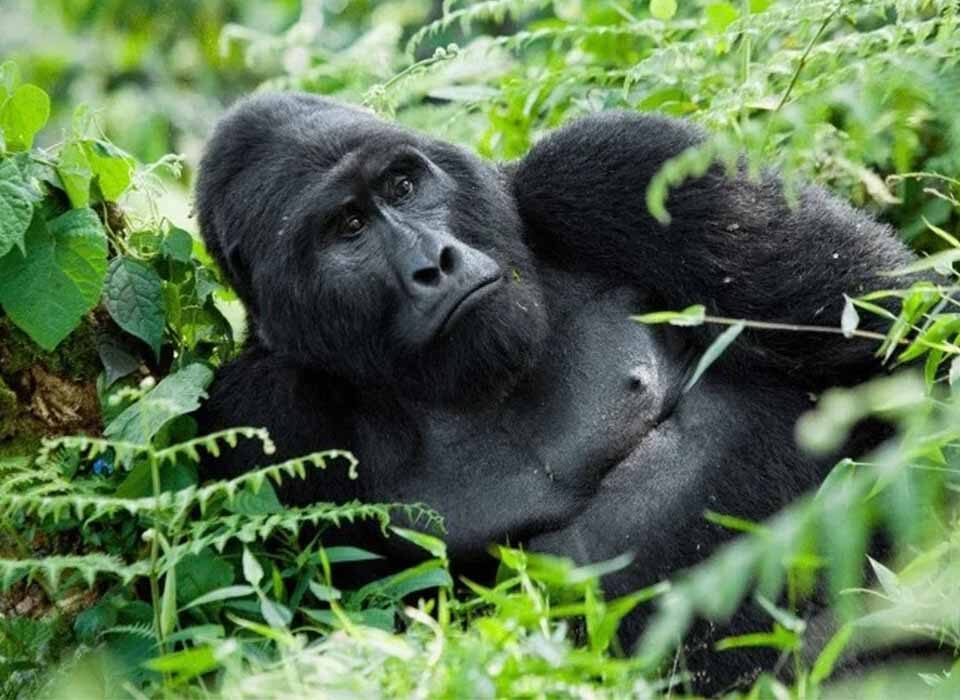
Yes, visitors can record videos during gorilla trekking experiences in Uganda, Rwanda, and the Democratic Republic of Congo. Park authorities recognize that photography and videography play an important role in promoting conservation awareness and allowing travelers to share their experiences.
Once trekkers locate a habituated gorilla family, they receive a maximum of one hour to observe, photograph, and film the gorillas. This carefully managed viewing period helps reduce human impact on the animals while still providing visitors with enough time to enjoy the encounter and capture meaningful footage.
Although filming is permitted, visitors must follow strict regulations. Rangers monitor all trekking groups closely and ensure that everyone respects the rules throughout the visit. These measures protect the health, safety, and well-being of both gorillas and tourists.
Why Flash Photography Is Prohibited
One of the most important rules during gorilla trekking is the prohibition of flash photography and videography.
Mountain gorillas are highly intelligent and sensitive animals. Bright camera flashes can startle them, interrupt their normal behavior, and potentially cause stress. In some cases, sudden flashes may trigger defensive reactions, especially among dominant silverbacks that instinctively protect their families.
For this reason, visitors must disable flash settings before entering the forest. Rangers often remind trekkers about this requirement during the pre-trek briefing and may check cameras before the hike begins.
Fortunately, modern cameras and smartphones perform well in low-light conditions, making it possible to capture high-quality videos without using flash.
Understanding the One-Hour Viewing Limit
After trackers locate a gorilla family and the trekking group reaches the site, the official one-hour viewing period begins immediately.
During this time, visitors can observe the gorillas, take photographs, and record videos while maintaining a respectful distance. The one-hour limit serves an important conservation purpose. By restricting the amount of time humans spend near gorillas, park authorities reduce the risk of disease transmission and minimize disturbances to the animals’ daily routines.
Although sixty minutes may seem short, many visitors find it surprisingly sufficient. The experience is often so immersive and emotional that every moment feels meaningful. Gorillas frequently continue their natural activities, giving travelers numerous opportunities to capture remarkable footage.
Video Recording Guidelines During Gorilla Trekking
To ensure a safe and responsible wildlife encounter, parks enforce several filming guidelines.
First, visitors should prepare their cameras before approaching the gorillas. Since the viewing clock starts immediately upon arrival, spending valuable minutes adjusting settings can reduce filming opportunities.
Additionally, trekkers should avoid making loud noises while recording. Although sound recording is generally allowed, excessive talking, camera beeps, or other disruptive sounds can disturb the gorillas. Many cameras offer silent shooting modes, which help reduce unnecessary noise.
Visitors must also avoid sudden movements when filming. Quick motions can make gorillas uncomfortable and may cause them to move away from the group. Slow, deliberate movements allow both photographers and videographers to capture better footage while respecting the animals.
Furthermore, rangers carefully position visitors to ensure optimal viewing without interfering with gorilla behavior. Following ranger instructions is essential throughout the encounter.
What Equipment Can You Bring?
Most parks permit a wide range of filming equipment, including smartphones, digital cameras, camcorders, and professional photography gear.
Many visitors successfully record exceptional videos using standard smartphones, especially newer models equipped with advanced stabilization and low-light capabilities. Compact cameras also perform well in forest environments and are easy to carry during long hikes.
Professional filmmakers often bring larger cameras and specialized lenses. While most parks allow such equipment, visitors should confirm specific regulations before traveling, particularly if they intend to carry tripods, monopods, drones, or extensive filming gear.
It is important to note that drones are generally prohibited in gorilla trekking areas because they can disturb wildlife and compromise visitor safety.
Since trekking routes often involve challenging terrain, travelers should pack equipment carefully. Lightweight gear typically offers the best balance between quality and convenience.
Preparing for Forest Filming Conditions
Filming gorillas presents unique challenges due to the dense rainforest environment.
The thick forest canopy blocks much of the direct sunlight, creating low-light conditions that can make photography and videography more difficult. Therefore, visitors should familiarize themselves with their camera settings before the trek.
Increasing ISO sensitivity, using image stabilization features, and selecting appropriate video modes can significantly improve recording quality. Many cameras now include excellent automatic settings that adapt well to changing lighting conditions.
Battery life is another important consideration. Humidity, cooler mountain temperatures, and continuous camera use can drain batteries faster than expected. Carrying fully charged spare batteries or power banks can help prevent disappointment during critical moments.
Likewise, extra memory cards provide additional storage for high-resolution videos and photographs.
Best Techniques for Capturing Great Gorilla Videos
Successful gorilla videography depends more on patience than on expensive equipment.
Instead of constantly moving around in search of the perfect angle, visitors often achieve better results by staying still and allowing the gorillas to move naturally within the frame. This approach creates more authentic footage and minimizes disturbance.
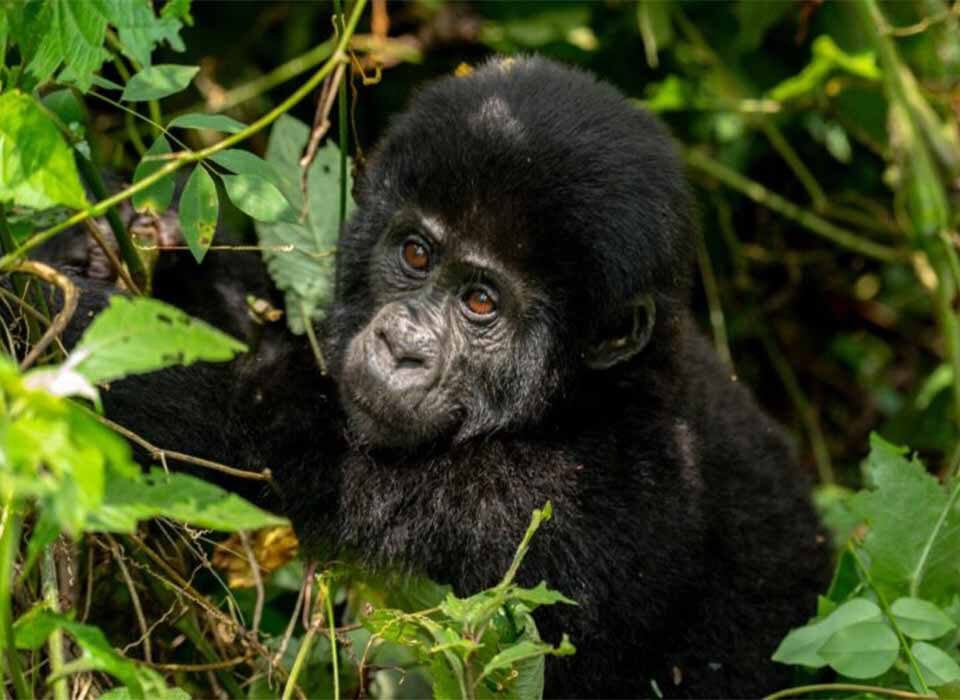
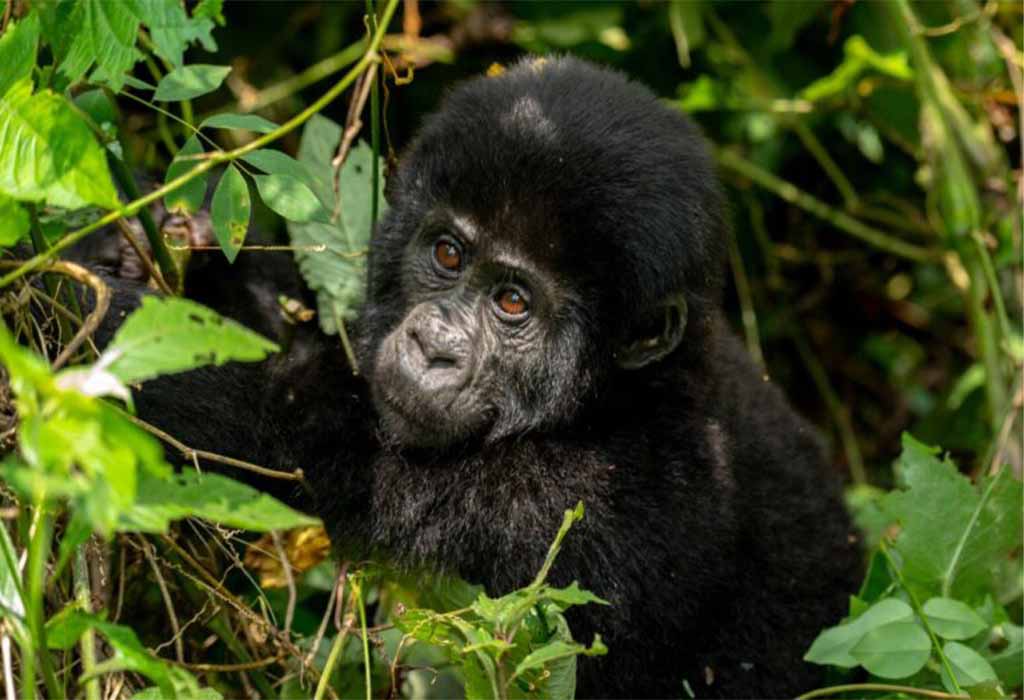
Short video clips frequently work better than lengthy recordings. Capturing moments such as juveniles playing, mothers caring for infants, or silverbacks interacting with family members can create powerful memories and engaging storytelling content.
Moreover, keeping the camera steady improves overall video quality. Using natural supports, maintaining stable hand positions, or utilizing built-in stabilization features can help produce smoother footage.
Listening carefully to ranger guidance can also improve filming opportunities. Experienced guides often recognize behavioral cues and may alert visitors when gorillas are about to engage in interesting activities.
Maintaining the Recommended Viewing Distance
During gorilla trekking, visitors must maintain a minimum distance of approximately seven meters from the gorillas.
This rule helps protect gorillas from human diseases, including common colds and respiratory infections that can have serious consequences for these endangered animals. Maintaining distance also reduces stress and encourages natural behavior.
Occasionally, curious gorillas may approach visitors on their own. If this happens, trekkers should remain calm, avoid sudden movements, and follow ranger instructions. The gorillas are accustomed to human presence through habituation programs, but respectful behavior remains essential.
When filming, visitors should resist the temptation to move closer for better shots. Modern zoom capabilities allow excellent close-up footage while maintaining safe distances.
The Best Destinations for Gorilla Filming
East and Central Africa offer several outstanding destinations for gorilla trekking and wildlife videography.
Uganda’s Bwindi Impenetrable National Park remains one of the world’s premier gorilla trekking locations. Home to nearly half of the global mountain gorilla population, Bwindi offers numerous habituated families and diverse filming opportunities across different forest sectors.
Uganda’s Mgahinga Gorilla National Park provides a more intimate experience with fewer visitors and stunning volcanic scenery. The park’s open vegetation in some areas can create favorable filming conditions compared to denser forests.
Rwanda’s Volcanoes National Park attracts travelers seeking luxury experiences and efficient access to gorilla families. Its well-maintained trails and dramatic mountain landscapes offer exceptional visual appeal for videographers.
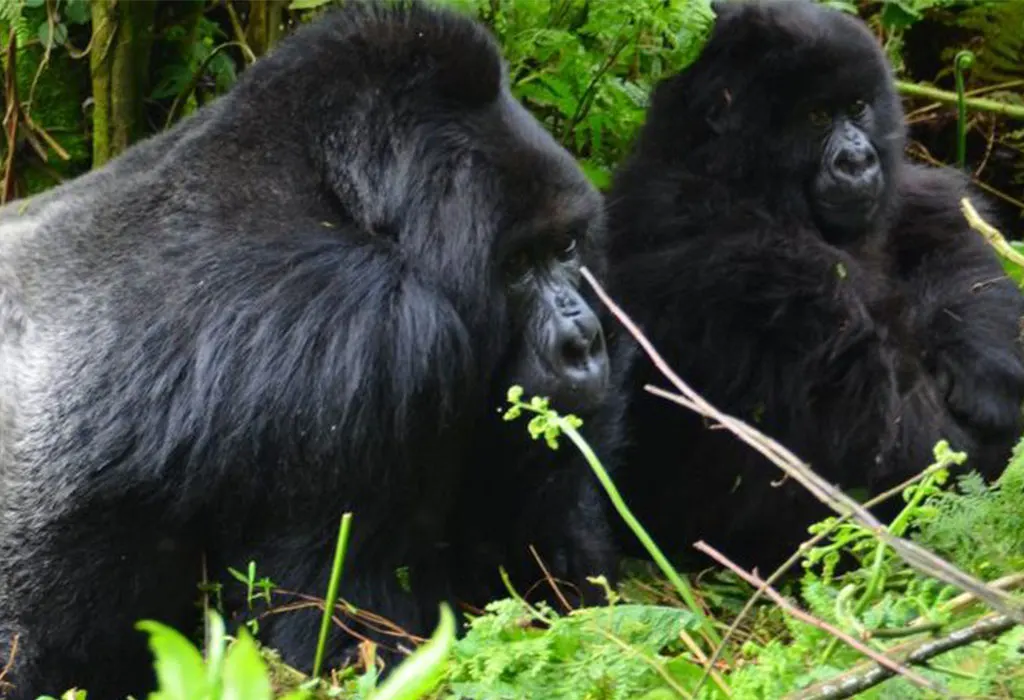
Meanwhile, Kahuzi-Biega National Park in the Democratic Republic of Congo provides the rare opportunity to film eastern lowland gorillas, which differ significantly from mountain gorillas in appearance and behavior.
Getting to Gorilla Trekking Destinations
Reaching gorilla trekking destinations requires careful planning, but the journey itself often becomes part of the adventure.
Most travelers visiting Rwanda arrive through Kigali International Airport. From Kigali, road transfers to Volcanoes National Park typically take only a few hours.
Visitors heading to Uganda usually fly into Entebbe International Airport before traveling to Bwindi Impenetrable National Park or Mgahinga Gorilla National Park. Depending on the chosen sector, road journeys generally range from eight to ten hours, although domestic flights can significantly reduce travel time.
For travelers seeking a seamless experience, Experiya Tour Company organizes complete gorilla trekking packages that include permits, accommodation, transportation, airport transfers, and expert guiding services. These customized itineraries allow visitors to focus entirely on enjoying their adventure while leaving the logistics to experienced professionals.
Final Thoughts
Recording videos during gorilla trekking is not only permitted but also encouraged when done responsibly. By following park regulations, respecting ranger instructions, and prioritizing the welfare of the gorillas, visitors can capture extraordinary footage while contributing to conservation efforts.
Whether you choose Uganda, Rwanda, or the Democratic Republic of Congo, filming mountain gorillas in their natural habitat offers an unforgettable opportunity to document one of the world’s most remarkable wildlife experiences. With proper preparation, patience, and respect for these magnificent primates, you can return home with incredible memories and videos that will last a lifetime.